0000-00
For financial decision-makers evaluating transformer production investments, choosing cost-effective transformer insulation cardboard processing equipment means balancing upfront cost, output quality, service life, and operating efficiency.
In today’s machine tool equipment market, price alone no longer explains real value. Output consistency, digital control, maintenance intervals, and material utilization now shape total ownership cost.
This practical guide reviews the cost structure, change signals, and investment logic behind cost-effective transformer insulation cardboard processing equipment, helping businesses compare options with greater confidence.
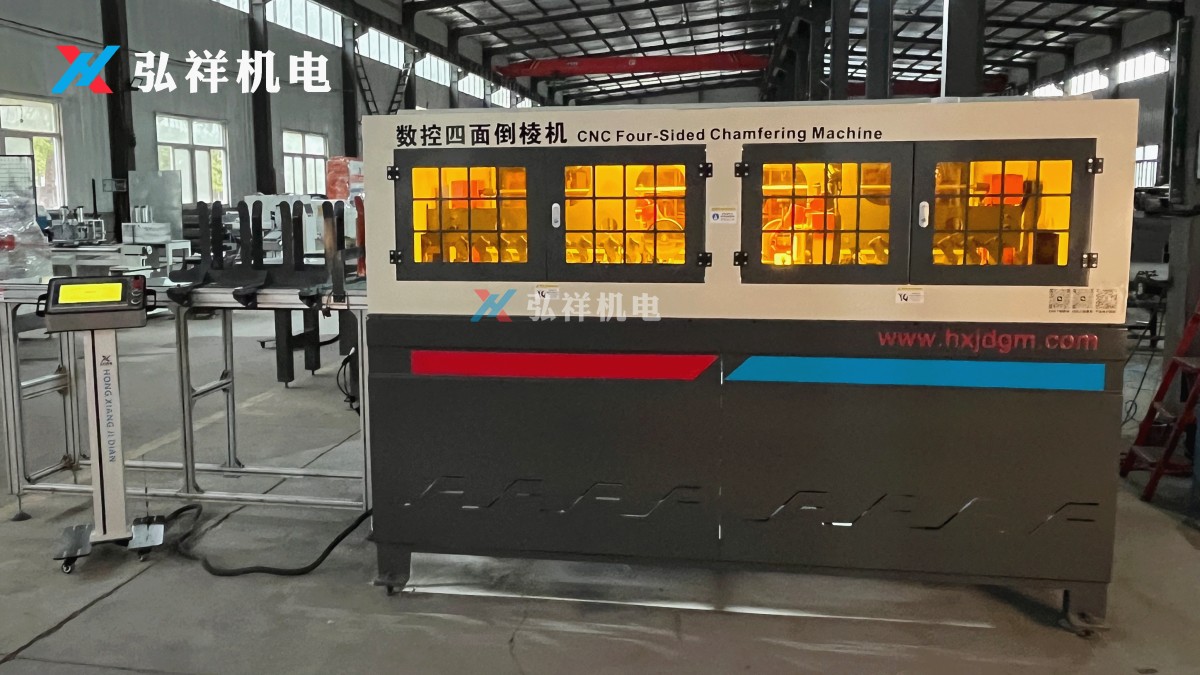
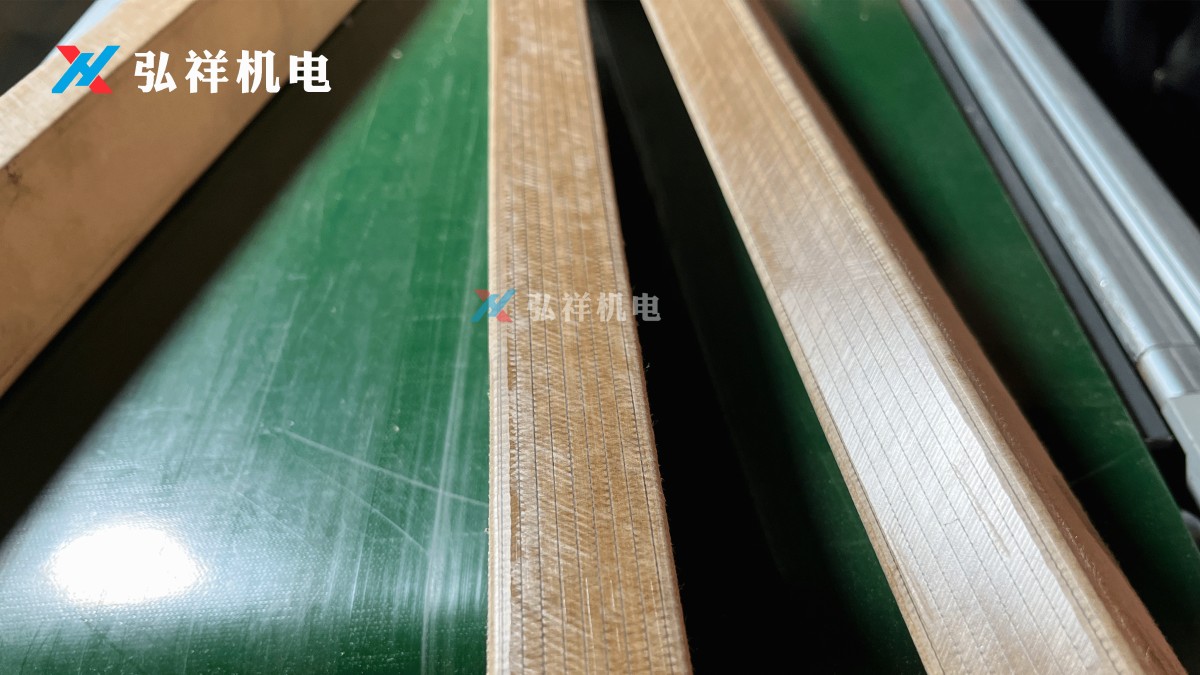
Rising production standards are changing equipment cost logic
Transformer manufacturing has become more precision-driven. Insulation cardboard parts must meet tighter dimensional tolerances, cleaner cutting standards, and more stable forming requirements than before.
As a result, evaluating cost-effective transformer insulation cardboard processing equipment now requires a wider lens. A low purchase price may create hidden costs through scrap, rework, downtime, or shortened tool life.
Another visible shift is the demand for integrated equipment. Buyers increasingly prefer machines that combine cutting, slotting, shaping, feeding, or positioning functions into a more compact workflow.
This trend matters because machine tool equipment is no longer judged only by output speed. It is judged by process stability across long production runs and changing product specifications.
Why the market is moving toward cost-effective transformer insulation cardboard processing equipment
Several forces are pushing the market toward better-balanced investment decisions. These forces affect both equipment design and the way capital spending is evaluated.
These changes explain why cost-effective transformer insulation cardboard processing equipment is increasingly defined by lifecycle performance rather than a single invoice number.
The real cost picture extends far beyond the machine price
A practical budget review should divide costs into direct purchase cost and operating cost. This prevents underestimating the actual investment needed for stable transformer insulation production.
Direct cost items
- Machine base price
- Tooling, blades, dies, or forming sets
- Installation and commissioning
- Operator training
- Control system upgrades or customization
Operating cost items
- Electricity consumption
- Tool wear and replacement frequency
- Material waste rate
- Maintenance downtime
- Spare part availability
- Rejected part and rework losses
A machine with stronger frame rigidity, better feeding accuracy, and cleaner processing may cost more upfront. Yet it often performs better as cost-effective transformer insulation cardboard processing equipment over several years.
This is especially true in facilities handling electrical insulating cardboard, insulating laminated wood, and mixed insulating parts with varied dimensions and batch sizes.
Capabilities that most influence long-term return
Not every feature creates equal financial value. Some capabilities directly affect throughput, precision, and service life, making them central to equipment comparison.
When these features are balanced correctly, cost-effective transformer insulation cardboard processing equipment can support both quality control and predictable financial planning.
The impact differs across production stages and business goals
Equipment value is not felt in only one area. It affects material preparation, cutting accuracy, assembly fit, delivery stability, and after-sales reputation across the transformer production chain.
In the early stage, better machine tool equipment lowers trial-and-error losses. During volume production, it supports repeatability. In later stages, it reduces service interruptions caused by inconsistent insulating components.
- For short-run orders, flexibility matters more than extreme speed.
- For large batches, uptime and material yield become the main cost drivers.
- For export-focused production, consistency and documentation support gain value.
That is why cost-effective transformer insulation cardboard processing equipment should always be matched to the product mix, volume profile, and required insulation part complexity.
Key checkpoints before comparing suppliers and machine configurations
A useful comparison framework helps filter attractive quotations that may not deliver acceptable long-term economics. The following points deserve careful attention.
- Check actual processing range for insulation cardboard thickness and size.
- Review precision stability after extended continuous operation.
- Ask about tooling life under real material conditions.
- Confirm spare parts response time and training scope.
- Evaluate whether the control system supports future product changes.
- Measure scrap rate improvement versus current production method.
- Estimate maintenance frequency using actual operating hours.
A supplier with integrated R&D, design, manufacturing, installation, training, and after-sales support may offer stronger overall value than one selling only standard hardware.
This matters for operations involving electrical insulating cardboard, laminated wood, insulation parts, and even related custom machine development.
A simple decision model helps judge return more accurately
A practical evaluation does not need a complex formula. It needs consistent assumptions tied to your production reality.
- Calculate annual output demand for each insulation part type.
- Estimate current scrap, labor hours, and downtime losses.
- Compare these figures with the proposed machine performance.
- Add installation, training, tooling, and service expenses.
- Project payback using conservative rather than ideal assumptions.
If one machine reduces scrap by a few percentage points and avoids frequent stoppages, it may outperform cheaper alternatives very quickly.
In many cases, truly cost-effective transformer insulation cardboard processing equipment is the option that keeps production stable while allowing future process upgrades.
What deserves attention in the next stage of equipment planning
The next phase of machine tool equipment selection will likely focus on intelligent control, reduced manual dependence, and stronger process integration for insulation component manufacturing.
Businesses should watch for solutions that combine precision, flexibility, and service support rather than pursuing isolated speed claims or minimum entry price.
Gaomi Hongxiang Electromechanical Technology Co., Ltd. provides assembly and manufacturing services for power transformers, along with processing solutions for electrical insulating cardboard, insulating laminated wood, insulating parts, and EVA molding.
With integrated capabilities covering R&D, design, production, sales, installation, training, and after-sales service, such a model can support more reliable equipment decisions for global transformer-related applications.
Before making the next investment, compare current production losses against the expected gains from cost-effective transformer insulation cardboard processing equipment. A structured review often reveals value that simple price comparisons miss.
NAVIGATION
MESSAGE
Request A Quote?