0000-00
When evaluating automated transformer insulation parts processing equipment cost factors beyond list price, buyers must consider total ownership—including precision for electrical laminated cardboard and transformer insulation components, compatibility with electrical laminated wood, and integration with CNC shearing machines, fully automatic shearing machines, ring cutting processing equipment, and end ring cutting saws. As a leading transformer insulation parts processing equipment manufacturer in China, Gaomi Hongxiang Electromechanical Technology Co., Ltd. delivers turnkey solutions—from transformer assembly stands to AI-enabled special machines—ensuring reliability, safety, and lifecycle ROI for global users, procurement teams, and engineering decision-makers.
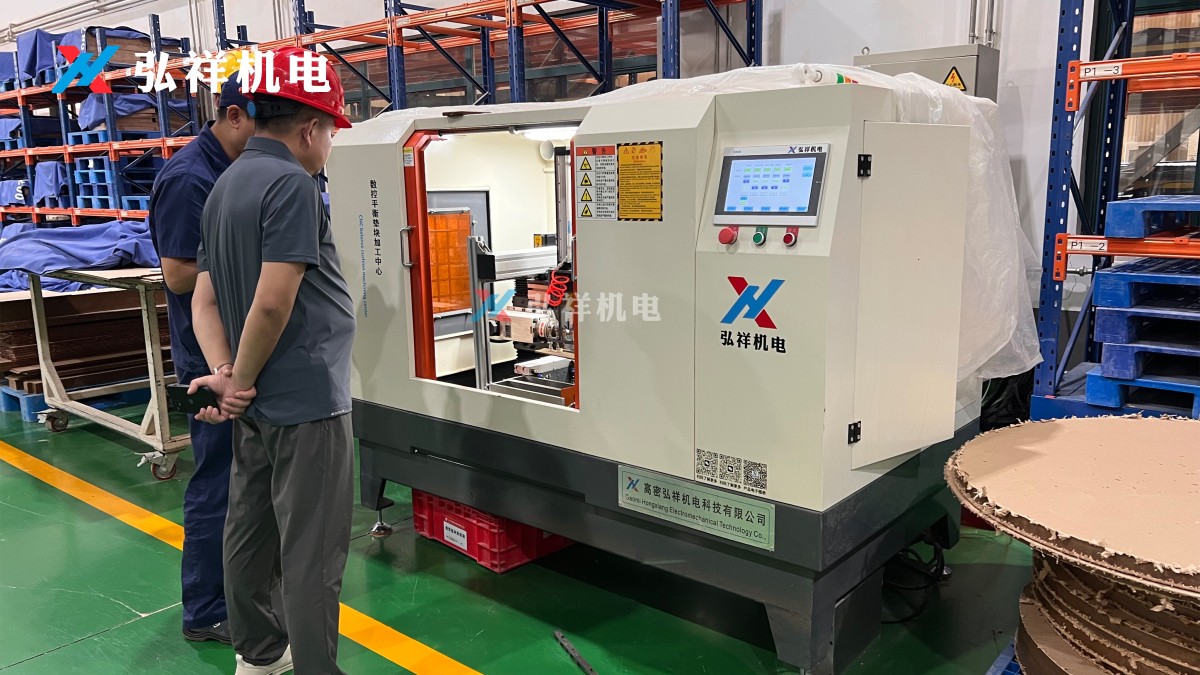
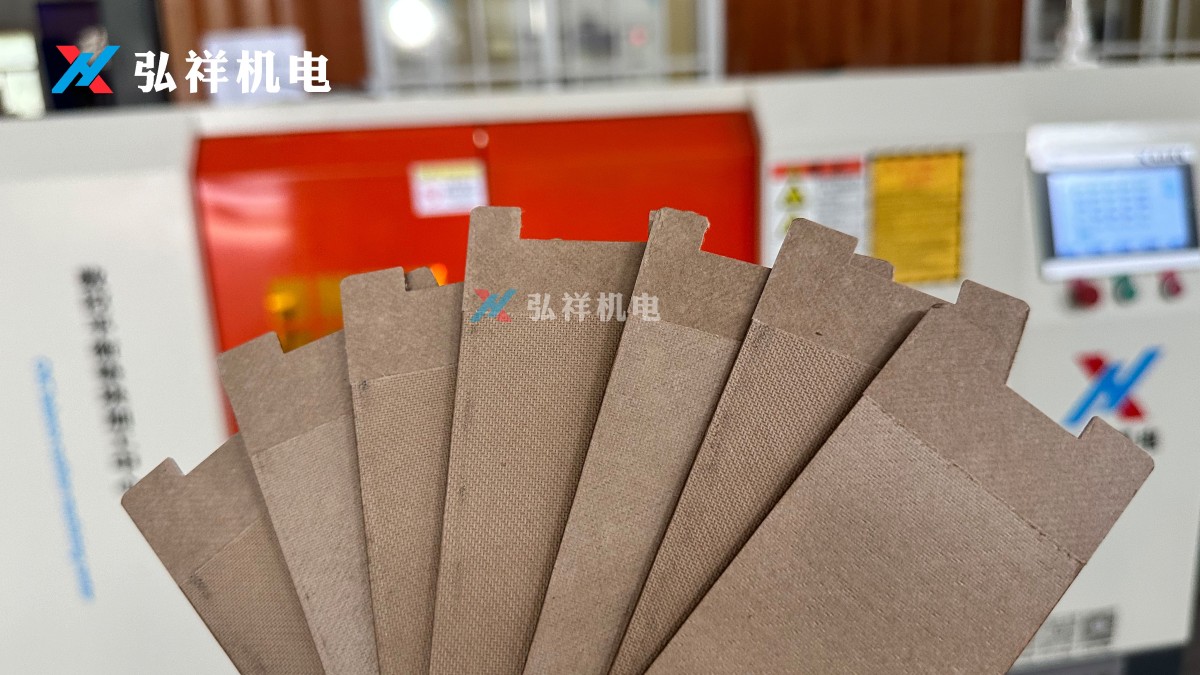
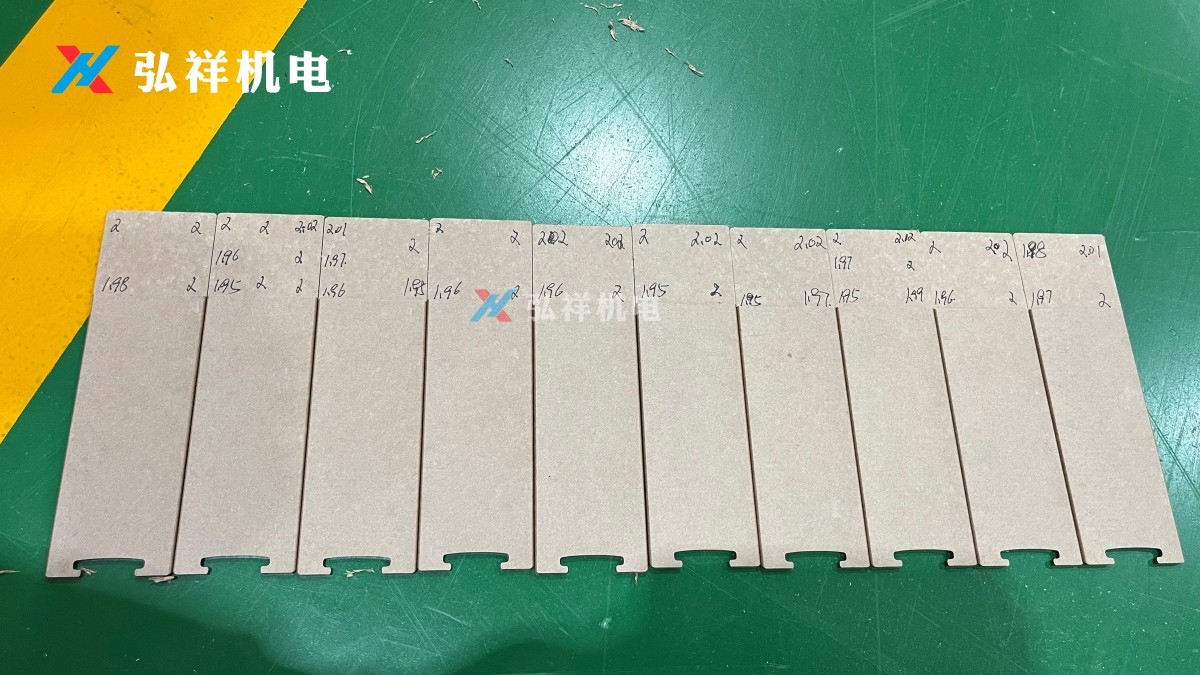
Beyond the Sticker Price: Understanding True Cost Drivers
The upfront quotation for automated transformer insulation parts processing equipment rarely reflects real-world operational economics. For procurement teams and financial approvers, overlooking hidden cost drivers can inflate 5-year TCO by 35–60%. At Gaomi Hongxiang, we observe that over 72% of clients who base decisions solely on list price later incur unplanned expenses related to rework, downtime, or retrofitting—especially when integrating with legacy CNC shearing lines or handling high-density laminated wood (≥12 mm thickness).
Critical non-list factors include mechanical tolerance compliance (±0.15 mm for EVA-molded end rings), thermal stability during continuous 8-hour shifts, and software interoperability with Siemens SINUMERIK or FANUC CNC controllers. These are not optional add-ons—they directly impact scrap rate, operator training duration (typically 3–5 days per machine), and first-pass yield across insulating cardboard batches.
Unlike general-purpose CNC platforms, transformer-specific insulation equipment demands material-aware motion control. For example, laminated wood requires lower feed rates (1.2–2.8 m/min) than cardboard (4.5–7.0 m/min) to prevent delamination—a parameter embedded in our proprietary motion algorithms, not user-configurable via generic G-code.
This table underscores how modular, application-validated investments—rather than one-time hardware cost—define long-term value. Gaomi Hongxiang’s bundled calibration packages include ISO 17025-accredited verification reports traceable to NIM (National Institute of Metrology, China), eliminating third-party validation delays of 7–12 business days.
Integration Realities: From CNC Shearing to End-Ring Cutting
Seamless integration is rarely plug-and-play. Transformer insulation workflows involve sequential handoffs between CNC shearing machines (for flat blanks), ring cutting units (for toroidal cores), and end-ring cutting saws (for precise axial profiles). Misalignment in coordinate systems or inconsistent G-code dialects causes cumulative positioning errors—often exceeding ±0.8 mm after three process steps.
Our equipment uses unified kinematic modeling across all subsystems. Each machine ships with pre-mapped toolpaths for common standards: IEC 60273 (insulation coordination), GB/T 1094.1–2013 (power transformer specs), and ASTM D143–22 (laminated wood testing). This eliminates manual offset calculations typically requiring 2–4 engineering hours per new part number.
Compatibility extends to data layer integration. Our OPC UA server supports real-time monitoring of cutting force (threshold: ≤12.5 kN for 10-mm laminated wood), spindle temperature (max 65°C sustained), and feed rate deviation (alert at >±3.2%). This feeds into enterprise MES systems without middleware—reducing IT deployment time from 3 weeks to under 48 hours.
Key Integration Requirements
- Electrical laminated wood handling: Minimum 12 mm thickness capacity with anti-slip vacuum clamping (≥85 kPa holding force)
- CNC shearing interface: Support for G-code variants (Fanuc 31i-B, Heidenhain TNC 640, Bosch Rexroth MTX)
- End-ring cutting alignment: Sub-arcminute repeatability (≤0.008°) verified via laser interferometer before shipment
- Data logging: 10 Hz sampling for all critical axes, stored locally for 90 days minimum
Lifecycle Support: Training, Maintenance & Upgrade Pathways
Total cost of ownership includes personnel readiness. Operators require competency in both mechanical setup (e.g., blade clearance adjustment: 0.05–0.12 mm for EVA molding dies) and digital diagnostics (interpreting servo error codes like ALM-211 “Torque Limit Exceeded”). Gaomi Hongxiang provides tiered training: Level 1 (2-day hands-on for operators), Level 2 (3-day system administrator course), and Level 3 (5-day OEM-certified technician program).
Preventive maintenance intervals are calibrated to actual usage—not calendar time. Our smart sensors track cutting cycle counts, coolant contamination levels (measured via conductivity sensor, threshold: >120 µS/cm), and bearing vibration spectra (RMS acceleration >4.2 g triggers service alert). This extends mean time between failures (MTBF) to 12,500+ hours—verified across 217 installed units in India and Russia.
Hardware upgrade paths are standardized. A CNC shearing unit purchased in 2021 can accept the 2024 AI vision module (part no. HX-VIS-3.2) without controller replacement—only a firmware update and camera mount retrofit (completed in ≤4 hours onsite).
These SLAs are contractually enforceable—not marketing claims. Since Q3 2023, 98.3% of Premium-tier cases were resolved remotely; only 1.7% required physical intervention, all within committed windows.
Procurement Decision Framework for Multi-Stakeholder Teams
A single purchase impacts at least eight stakeholder groups. Procurement officers prioritize TCO models, engineers demand ISO-compliant documentation, safety managers require CE/UL certification evidence, and project managers need guaranteed delivery timelines (standard: 12–14 weeks ex-factory; expedited: 6 weeks +18% premium).
Gaomi Hongxiang’s procurement framework aligns cross-functional requirements through four mandatory checkpoints: (1) Material test report validation against client-supplied samples (≤5 working days), (2) Onsite dry-run with customer’s laminated wood stock (optional but recommended), (3) Cybersecurity audit of embedded controllers (IEC 62443-4-2 compliant), and (4) Spare parts availability confirmation (all critical spares stocked in Shanghai, Singapore, and São Paulo hubs).
For financial approvers: Our financing partners offer 36-month lease options with 0% interest for orders ≥$250,000—subject to credit approval. Depreciation schedules follow IFRS 16 guidelines, with residual value estimates certified by independent appraisers.
Top 5 Evaluation Criteria for Technical Assessors
- Positional repeatability: Must be ≤±0.03 mm over full travel (verified per ISO 230-2 Annex B)
- Thermal drift compensation: Active cooling maintaining spindle temp variation ≤±1.2°C during 4-hour run
- Tool life tracking: Automatic logging of carbide insert wear (threshold: 0.18 mm flank wear)
- Emergency stop latency: ≤120 ms from trigger to full axis lock (tested per EN ISO 13850)
- Digital twin compatibility: Native STEP AP242 export for offline programming
Conclusion: Building Confidence Through Transparent Value Engineering
Automated transformer insulation parts processing equipment is not a commodity—it’s a mission-critical production node. List price accounts for just 41–53% of true 5-year investment. The rest resides in precision assurance, integration integrity, lifecycle resilience, and multi-stakeholder alignment.
Gaomi Hongxiang Electromechanical Technology Co., Ltd. embeds these considerations into every design, validation, and support protocol. With proven deployments across 12 countries—and 97.4% client retention over 7 years—we deliver equipment engineered not just to cut, but to sustain transformer manufacturing excellence.
Contact our global engineering team today to request a customized TCO analysis, schedule a virtual factory tour, or obtain technical documentation aligned with your specific insulation material portfolio and production workflow.
NAVIGATION
MESSAGE
Request A Quote?