0000-00
Introduction: The Critical Choice in Transformer Insulation Manufacturing
Choosing between automated and manual laminated wood processing equipment for transformer insulation is a critical decision impacting efficiency, precision, and cost. As a leading Chinese manufacturer of high-precision transformer electrical layer-pressed wood processing equipment, we understand the unique needs of power industry professionals. This guide compares both options to help technical evaluators, procurement teams, and project managers select the most cost-effective solution for their specific insulation parts production requirements.
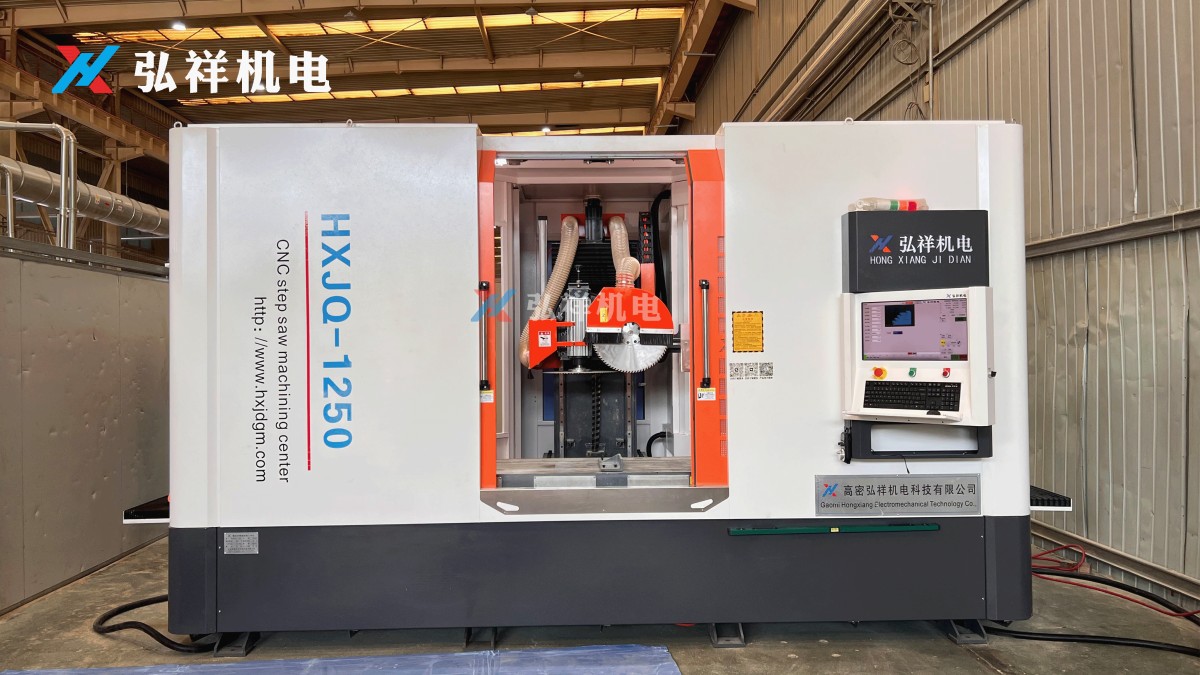
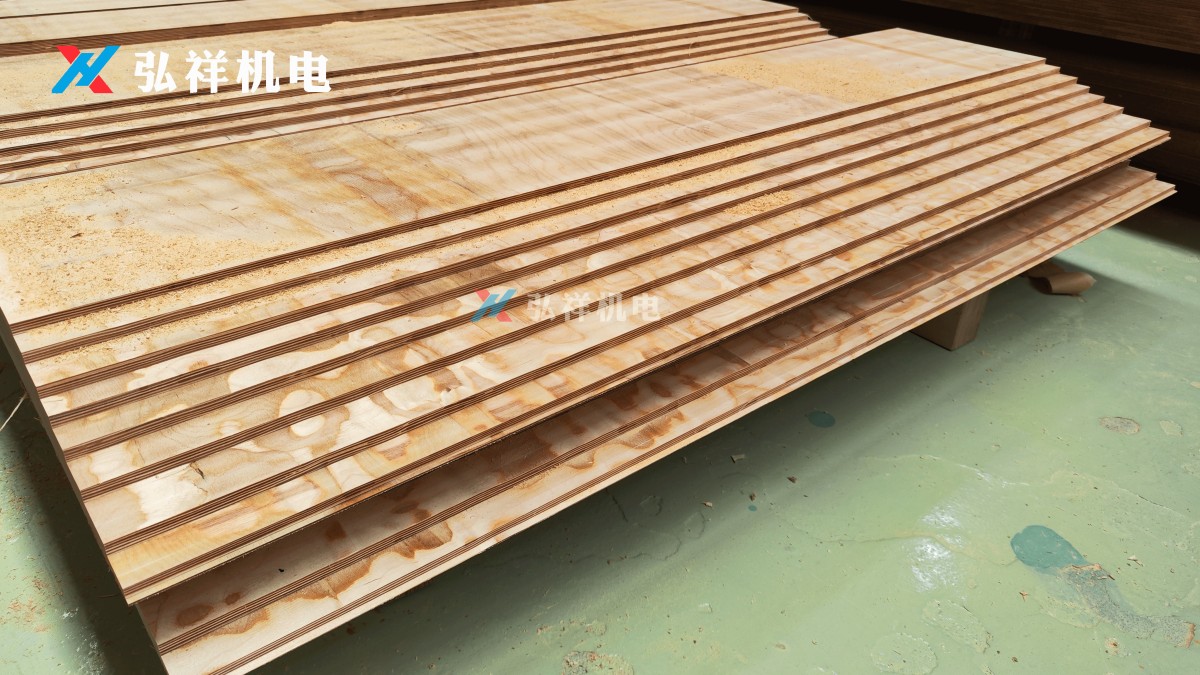
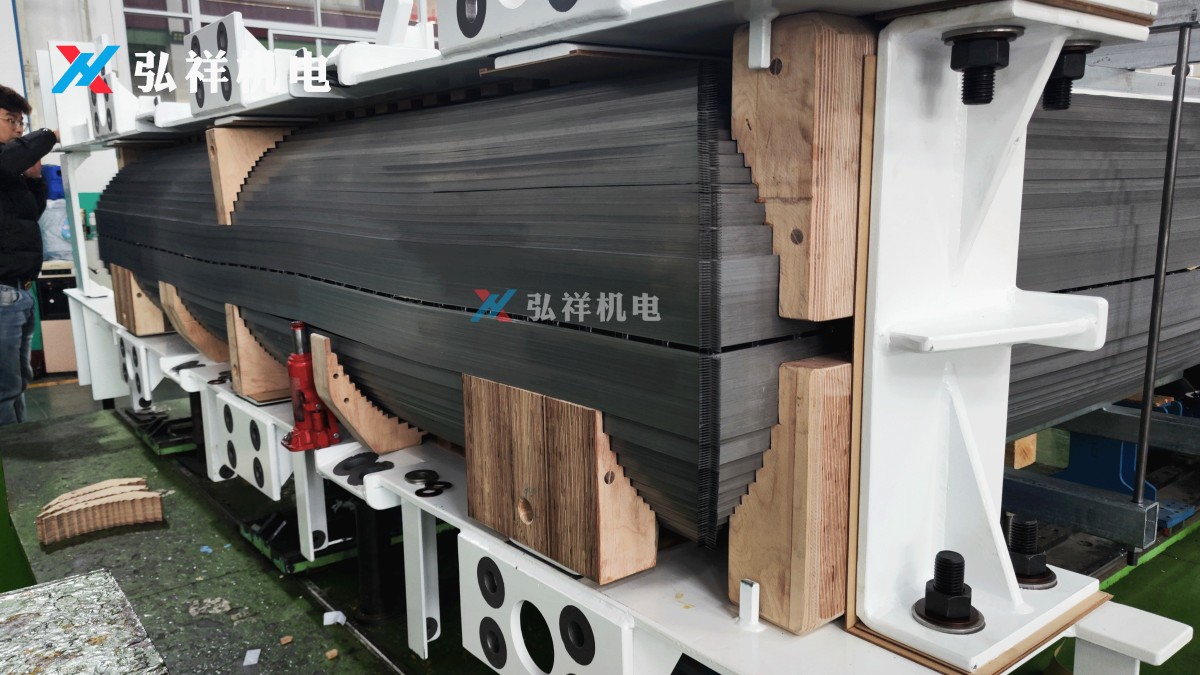
Understanding Laminated Wood Processing Equipment for Transformer Insulation
Laminated wood processing equipment plays a pivotal role in manufacturing transformer insulation components, which are essential for ensuring electrical safety and performance. These specialized machines process insulating laminated wood and cardboard into precise dimensions required for power transformers. The quality of these insulation parts directly affects transformer efficiency, thermal stability, and dielectric strength. As a trusted transformer electrical layer-pressed wood processing equipment manufacturer in China, we've observed that power industry professionals face increasing demands for both precision and production volume. The choice between automated and manual systems often comes down to balancing these requirements with budget constraints and production flexibility needs.
Key Technical Specifications to Consider
When evaluating laminated wood processing equipment for insulation parts, several technical parameters demand careful consideration. For automated transformer insulation cardboard processing equipment, the cutting accuracy typically ranges between ±0.1mm to ±0.3mm, while manual systems may vary between ±0.5mm to ±1.0mm depending on operator skill. Production capacity differs dramatically as well - automated lines can process 200-500 insulation components per hour compared to 20-50 components with manual methods. The power requirements also vary significantly, with automated high precision transformer electrical layer-pressed wood processing equipment typically requiring 15-30kW versus 3-5kW for manual machines. These specifications become particularly important when producing custom transformer electrical layer-pressed wood processing solutions for specialized applications in the power industry.
Automated Laminated Wood Processing Equipment: Advantages and Applications
Automated laminated wood processing equipment represents the cutting edge in transformer insulation manufacturing technology. These systems integrate CNC controls, precision servo mechanisms, and advanced material handling to deliver unmatched consistency in producing insulation components. For power industry applications requiring high volumes of identical parts, automated transformer insulation cardboard processing equipment offers compelling advantages. The repeatability of automated systems ensures every insulation component meets exact specifications, critical for maintaining dielectric properties in high-voltage transformers. Our automated solutions as a leading transformer electrical layer-pressed wood processing equipment manufacturer in China incorporate real-time quality monitoring systems that automatically detect and reject non-conforming parts, significantly reducing waste and improving overall product quality.
Operational Efficiency and ROI Analysis
The operational efficiency of automated transformer electrical layer-pressed wood processing equipment often justifies the higher initial investment. Our cost-effective laminated wood processing equipment typically achieves payback periods of 12-24 months for medium to large-scale operations through labor savings, material optimization, and reduced rework. Automated systems can operate continuously with minimal supervision, achieving uptime of 85-95% compared to 60-75% for manual operations. The integration of Industry 4.0 capabilities in modern automated transformer insulation cardboard processing equipment allows for remote monitoring, predictive maintenance, and seamless data integration with enterprise systems - features increasingly demanded by global customers in the power sector.
Manual Laminated Wood Processing Equipment: When It Makes Sense
While automated systems dominate large-scale production, manual laminated wood processing equipment retains important advantages in certain scenarios. For custom transformer insulation cardboard processing equipment needs involving low volumes, prototype development, or highly specialized components, manual systems offer unmatched flexibility. Skilled operators can quickly adjust to different material thicknesses, complex shapes, or experimental designs without requiring extensive reprogramming. Many power industry maintenance facilities and smaller transformer manufacturers prefer manual systems for their lower capital requirements and ability to handle diverse, small-batch production runs. As a provider of both automated and manual transformer electrical layer-pressed wood processing equipment, we often recommend manual solutions for operations producing fewer than 5,000 insulation components annually or those requiring frequent design changes.
Skill Requirements and Training Considerations
Successful implementation of manual laminated wood processing equipment for transformer insulation depends heavily on operator skill. Unlike automated transformer insulation cardboard processing equipment where programming handles most variables, manual systems require operators to understand material properties, cutting techniques, and quality standards. Our experience as a transformer electrical layer-pressed wood processing equipment manufacturer in China shows that comprehensive operator training can improve manual processing efficiency by 30-40% and reduce material waste by up to 25%. We typically recommend at least 80-120 hours of hands-on training for operators to achieve proficiency with manual systems, compared to 8-16 hours for automated equipment operators. For facilities considering manual solutions, investing in proper training and quality control systems is essential for maintaining consistent output of insulation parts.
Making the Right Choice for Your Operation
Selecting between automated and manual laminated wood processing equipment requires careful evaluation of multiple factors. For power industry applications, consider production volume first - automated high precision transformer electrical layer-pressed wood processing equipment becomes economically viable above approximately 10,000 components annually. Next, assess product variability; operations producing the same insulation parts continuously benefit most from automation, while those requiring frequent design changes may prefer manual flexibility. Budget constraints also play a significant role, with automated systems typically costing 3-5 times more than manual equivalents. As a leading transformer electrical layer-pressed wood processing equipment manufacturer in China serving global markets, we've developed decision matrices that help customers weigh these factors against their specific requirements for insulation part production.
Hybrid Solutions: Combining Both Worlds
An emerging trend in transformer insulation manufacturing involves hybrid laminated wood processing equipment that blends automated precision with manual flexibility. These systems incorporate CNC controls for critical operations while allowing operator intervention for specialized tasks. For example, our custom transformer insulation cardboard processing equipment solutions often include automated cutting and drilling with manual finishing stations for complex edge profiles. This approach maintains the cost-effectiveness of manual systems for low-volume production while achieving the precision required for power industry applications. Hybrid solutions particularly benefit manufacturers transitioning from manual to automated operations or those producing a mix of standard and custom insulation components.
Conclusion: Optimizing Your Insulation Manufacturing Process
The decision between automated and manual laminated wood processing equipment for transformer insulation ultimately depends on your specific production requirements, budget, and technical capabilities. Automated transformer insulation cardboard processing equipment delivers unmatched efficiency and precision for high-volume operations, while manual systems provide flexibility and lower capital requirements for specialized or low-volume production. As an experienced transformer electrical layer-pressed wood processing equipment manufacturer in China, we recommend conducting a thorough production analysis before making your investment decision. Our team can help you evaluate your insulation parts manufacturing needs and recommend the most cost-effective laminated wood processing equipment solution for your power industry application.
Ready to upgrade your transformer insulation manufacturing capabilities? Contact our experts today to discuss your specific requirements for high precision transformer electrical layer-pressed wood processing equipment. We offer both standard and custom solutions tailored to power industry needs, backed by comprehensive technical support and training services. Let us help you optimize your insulation parts production with the right balance of automation and flexibility.
NAVIGATION
MESSAGE
Request A Quote?