0000-00
Choosing the right Transformer insulation cardboard processing equipment for power transformers is essential for improving precision, efficiency, and product reliability in transformer manufacturing. For companies researching advanced machine tools and insulation material solutions, understanding the key applications of this equipment can reveal how it supports insulating cardboard forming, component consistency, and modern production demands across global power transformer assembly and processing industries.
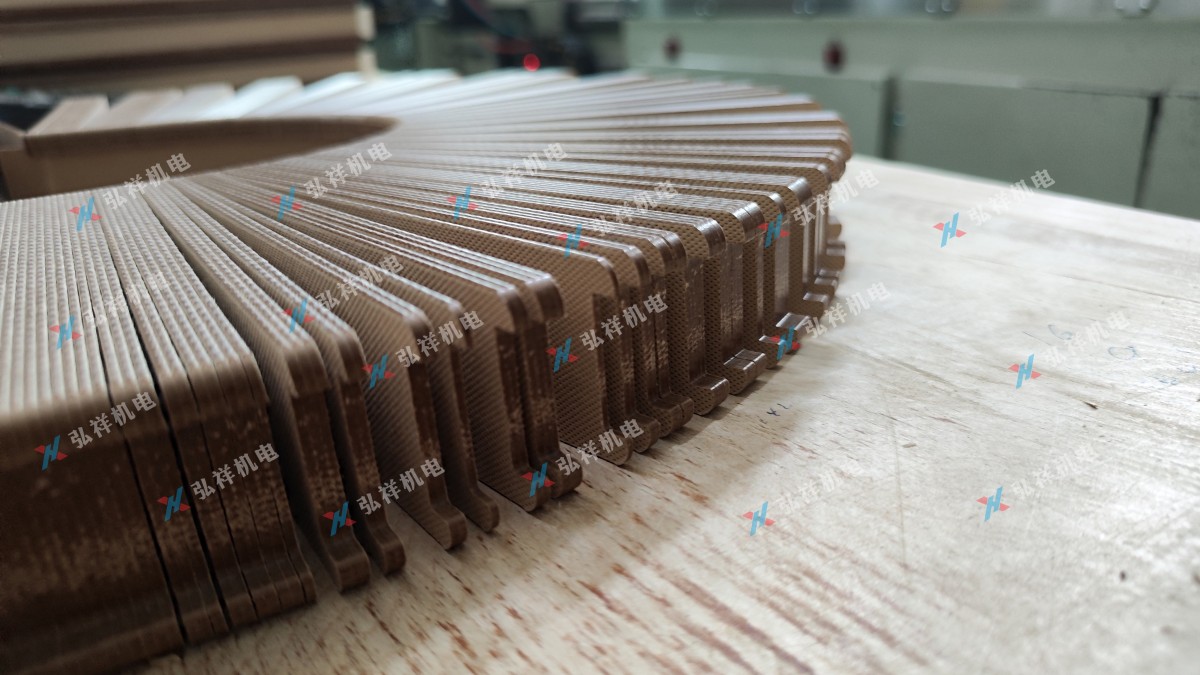
Why This Equipment Matters in Power Transformer Manufacturing
For most information-focused buyers, the main question is simple: where does insulation cardboard processing equipment create practical value in transformer production? The short answer is that it directly affects insulation accuracy, repeatability, labor efficiency, and final transformer reliability.
In power transformers, insulating cardboard is not a minor auxiliary material. It plays a critical role in electrical isolation, structural support, oil channel formation, and thermal performance. If cardboard components are cut, formed, or machined inconsistently, the downstream assembly process becomes slower and quality risks increase.
That is why Transformer insulation cardboard processing equipment for power transformers is typically evaluated not only as a machine purchase, but as part of a broader manufacturing capability. Companies want equipment that supports stable production, reduces manual variability, and matches transformer design requirements across different product types.
What Are the Best Applications for Transformer Insulation Cardboard Processing Equipment?
The best applications are the ones where precision, repeatability, and material handling have the strongest influence on transformer quality. These applications usually include cutting, slitting, grooving, punching, forming, chamfering, shaping, and batch production of insulating cardboard parts used in core and winding assemblies.
In practical factory environments, the value of specialized equipment becomes most visible when processing high-volume or high-consistency parts. Manual processing may still be possible for simple jobs, but as transformer ratings, tolerances, and output requirements increase, dedicated equipment provides a clearer operational advantage.
For companies that manufacture or assemble power transformers, the most important applications can be grouped into several core production scenarios. Each one helps explain why equipment selection should be based on part demands, process stability, and long-term manufacturing goals rather than on machine price alone.
Precision Cutting of Insulation Cardboard Parts
One of the most common applications is precision cutting of transformer insulation cardboard into repeatable shapes and dimensions. This includes strips, rings, pads, barriers, blocks, and custom profiles used between windings, around conductors, and in structural insulation positions.
Accurate cutting is essential because dimensional deviation can affect assembly fit, compression behavior, and dielectric spacing. Even small inconsistencies may create rework, slower installation, or reduced confidence in the final insulation system.
Modern processing equipment helps maintain cleaner edges, tighter tolerances, and better batch consistency than heavily manual methods. For manufacturers serving multiple transformer specifications, this becomes especially important because different projects often require quick transitions between part sizes and geometries.
Equipment designed for this application should support stable feeding, precise positioning, and efficient material usage. Buyers researching solutions should pay attention to whether the machine can handle different cardboard thicknesses without sacrificing cut quality or production rhythm.
Forming and Shaping Insulating Components for Winding Structures
Another major application is forming insulating cardboard into shapes required by transformer winding structures. Many insulation components are not simply flat cut pieces. They may need bends, contours, pressure-formed geometry, or shape retention for installation around coils and support structures.
In these cases, processing equipment contributes value by helping manufacturers produce components that maintain the intended mechanical profile. This matters because transformer insulation must often perform both electrically and structurally under long service conditions.
Shaping accuracy also affects assembly speed. When parts fit correctly the first time, operators spend less time adjusting or trimming components on the production floor. That improves throughput and reduces dependence on highly individualized manual skill.
For decision-makers, the key evaluation point is whether the equipment can support stable forming results across repeated batches. If part geometry varies from one run to another, the machine may not deliver the production confidence required for serious power transformer manufacturing.
Grooving, Slotting, and Oil Channel Processing
Transformer insulating cardboard often serves more than a separation function. In many designs, it also helps define oil flow paths and cooling structures. This creates a strong application need for grooving, slotting, and channel-related processing.
Dedicated equipment can produce grooves and slots with more uniform depth, spacing, and edge condition. These details may appear small during machining, but they matter in the finished transformer because cooling performance and insulation arrangement depend on consistent structural features.
For companies comparing equipment options, this is one of the most meaningful application areas to review closely. Machines that can handle detailed grooving work with repeatable quality may provide more value than general-purpose solutions that require extensive manual correction.
When the processed parts are used in medium and large power transformers, consistency in oil channel structures becomes even more important. Better process control can support not only quality but also engineering standardization across product lines.
Punching and Machining Special Insulating Parts
Many transformer factories require insulation parts with holes, slots, step features, or special shapes for fastening, positioning, or assembly alignment. Punching and secondary machining therefore represent another important application for Transformer insulation cardboard processing equipment for power transformers.
These operations are especially valuable when the production mix includes custom transformer models or region-specific technical requirements. Instead of relying on slow hand processing, manufacturers can use dedicated equipment to improve throughput while keeping part dimensions more consistent.
The best equipment for this application should support flexible tooling or adaptable machining programs. Information-stage buyers often want to know whether one machine can cover multiple part categories. That is a practical concern because production lines increasingly need both efficiency and product variety.
When evaluating capability, companies should not only ask what shapes a machine can process. They should also ask how quickly it can switch between jobs, how easy it is to train operators, and how stable the output remains over time.
Batch Production for Standardized Transformer Components
One of the strongest business cases for specialized processing equipment is batch manufacturing of standardized insulating parts. If a transformer producer uses recurring designs or stable component families, equipment investment can generate clear returns through consistency and labor reduction.
Batch production applications benefit from automation, repeatable setups, and lower dependence on manual cutting or fitting. This reduces variation between operators and helps create a more controlled process environment, which is especially useful for export-oriented manufacturers and quality-conscious suppliers.
In addition, standardized production improves planning. Material usage can be estimated more accurately, machine time becomes easier to schedule, and finished part inventory can be managed with less uncertainty. These are practical advantages that matter to plant managers and operations teams.
For readers conducting research, this is often the point where equipment moves from being a workshop tool to becoming a strategic production asset. The more stable the product mix, the more attractive this application becomes.
Support for Custom Transformer Projects and Non-Standard Parts
Not all transformer production is high-volume and standardized. Many manufacturers also face custom orders, engineering adjustments, and special insulation structures. In these situations, flexible processing equipment becomes valuable because it helps handle non-standard parts without sacrificing too much efficiency.
The best applications here involve short-run production, prototype support, and rapid response to drawing changes. Equipment with adaptable setup logic or configurable tooling can help manufacturers serve diverse customer requirements more effectively.
This is particularly relevant for companies supplying multiple regions or industries, where product standards and application conditions may differ. Equipment flexibility can reduce the operational burden of managing a wide range of insulation part designs.
For research-oriented readers, the takeaway is clear: the best application is not always the highest-volume one. Sometimes the greatest value comes from a machine’s ability to make custom production practical, predictable, and less dependent on improvised manual work.
How This Equipment Improves Manufacturing Efficiency and Quality Control
Most readers in the information research stage are not only asking where the equipment is used. They also want to understand how it improves factory performance. In practice, the key benefits usually appear in four areas: precision, efficiency, consistency, and process control.
Precision matters because transformer insulation systems rely on dimensional stability and correct assembly relationships. Efficiency matters because manual processing can become a bottleneck as order volume grows. Consistency matters because repeated part quality reduces rework and supports dependable assembly.
Process control is equally important. Specialized equipment allows companies to standardize operations, reduce variability between shifts, and create clearer production records. That is increasingly valuable for manufacturers serving international customers or working under stricter quality expectations.
These advantages do not mean every factory needs the same machine configuration. Instead, they show why application fit is more important than generic equipment claims. The best solution is the one that matches part complexity, production rhythm, and quality objectives.
What Buyers Should Evaluate Before Choosing Equipment
For companies researching machine tools in this segment, several questions matter more than broad marketing promises. First, what types of insulation cardboard parts will the equipment process most often? Second, what tolerances and thickness ranges must it support reliably?
Third, how much of the current workload is repetitive batch production versus custom work? Fourth, what level of operator skill is available in the factory? Fifth, how important are after-sales service, installation support, and training for long-term machine performance?
These questions help buyers connect machine capability to real production needs. A powerful machine with weak service support or poor usability may not create the expected value. Likewise, a lower-cost option that cannot maintain process stability may generate hidden costs through scrap and downtime.
For many transformer manufacturers, the right decision depends on balancing present production requirements with future expansion plans. Equipment should not only solve today’s processing tasks, but also support the company’s development toward more efficient and higher-quality transformer manufacturing.
Why Integrated Suppliers Offer an Advantage
When evaluating insulation cardboard processing solutions, many buyers prefer suppliers that understand both equipment and transformer insulation materials. This integrated perspective can reduce communication gaps and improve the practical suitability of the machine for actual production tasks.
A company involved in R&D, design, manufacturing, installation, training, and after-sales service can usually offer more complete support throughout the equipment lifecycle. That becomes especially important when customers need custom machine configurations or application-specific process guidance.
For global manufacturers, service capability also matters because machine performance is not defined at delivery alone. Reliable installation, operator training, spare parts support, and technical follow-up all affect how quickly equipment becomes a productive asset.
In this context, suppliers with experience in electrical insulating cardboard, insulating laminated wood, insulating parts, and transformer-related manufacturing are often better positioned to help customers achieve meaningful production results rather than only complete a machine transaction.
Conclusion: The Best Application Depends on Production Goals, But Precision and Consistency Are Always Central
The best applications for Transformer insulation cardboard processing equipment for power transformers are the ones where insulation accuracy, repeatability, and processing efficiency directly influence product quality and factory performance. Precision cutting, forming, grooving, punching, and batch production are among the most valuable use cases.
For information-stage readers, the most useful conclusion is this: do not evaluate this equipment only by its basic function. Evaluate it by how well it supports your insulation part requirements, assembly consistency, production flexibility, and long-term manufacturing strategy.
In transformer manufacturing, insulating cardboard quality is closely tied to reliability. The right processing equipment helps turn that material into consistent, application-ready components. That is why it remains an important investment area for companies seeking better quality control, stronger efficiency, and more competitive production capability.
NAVIGATION
MESSAGE
Request A Quote?