0000-00
Finding a dependable chamfering machine in Mexico is rarely a simple price comparison. Supply speed matters, but so do service access, spare parts timing, operator training, and the hidden costs that appear after installation. In the machine tool market, those factors often decide whether a local channel remains competitive or spends months solving preventable problems.
That is why the discussion around a chamfering machine in Mexico now goes beyond machine output alone. Buyers and market partners increasingly look at technical fit, localization, response capability, and long-term support. A machine that performs well in a catalog may still become expensive if commissioning is slow, parts are delayed, or application matching is weak.
Mexico’s manufacturing base adds another layer to the decision. Metalworking suppliers serve automotive, fabrication, electrical equipment, general machinery, and export-oriented production lines. In these settings, consistent edge quality, repeatable beveling, and predictable maintenance have direct effects on delivery performance and customer retention.
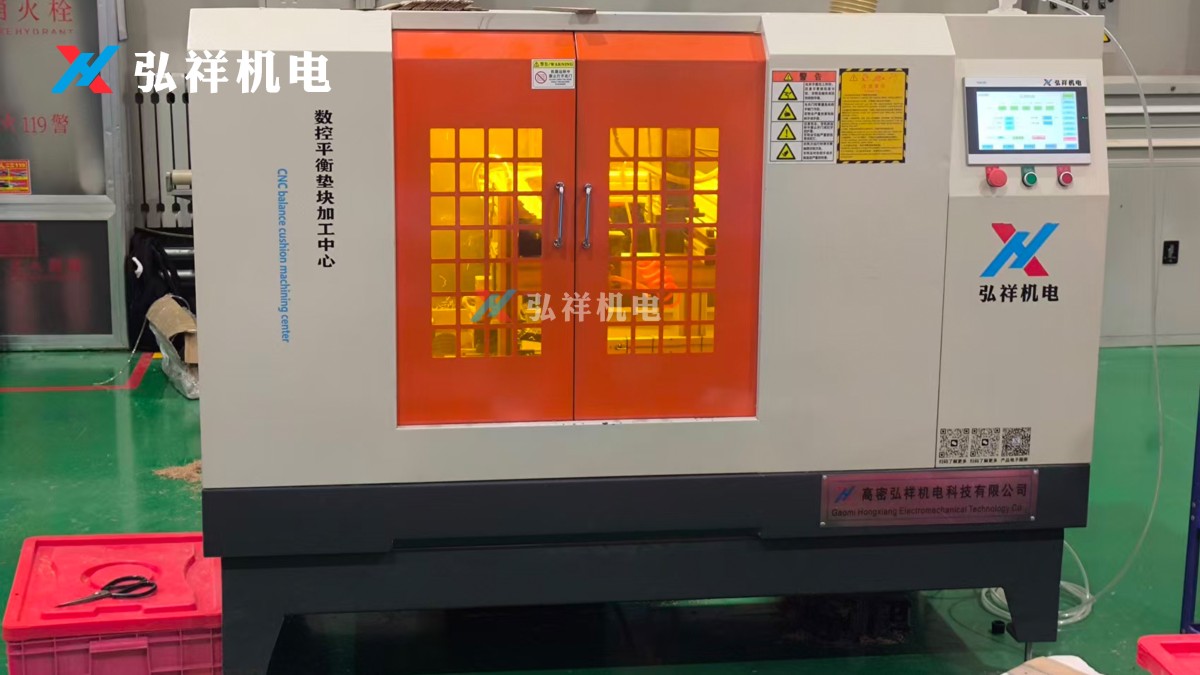
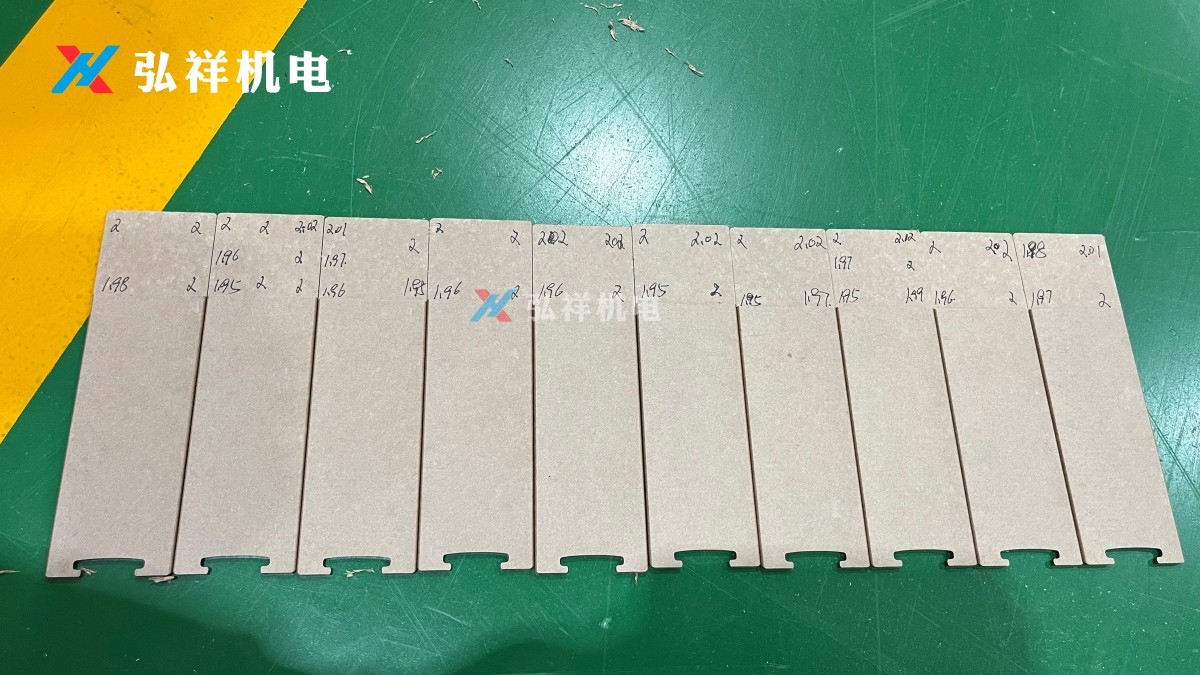
What the market really means by a chamfering machine in Mexico
A chamfering machine removes sharp edges and creates uniform bevels on metal parts, tubes, bars, plates, or machined components. The goal is not only appearance. It also improves fit-up, welding preparation, handling safety, and downstream assembly quality.
In practical sourcing terms, a chamfering machine in Mexico usually refers to more than equipment physically stocked in the country. It may include imported machines supported by local partners, regional spare parts coverage, remote diagnostics, and field service arrangements.
That distinction is important. “Local supply” can mean fast delivery but limited technical depth. It can also mean stronger integration support if the supplier has a real service structure, application knowledge, and documented commissioning procedures.
Why this topic deserves closer attention now
Mexican manufacturing continues to value shorter lead times and more stable output. Edge finishing equipment now sits closer to production efficiency discussions than before. A slow or unsuitable chamfering process creates bottlenecks that ripple into welding, coating, inspection, and packing.
At the same time, procurement decisions have become more sensitive to total ownership cost. Freight volatility, customs delays, electrical standard mismatches, and technician availability can turn a low initial quote into a high operating burden.
For that reason, the most useful evaluation of a chamfering machine in Mexico includes three dimensions: machine suitability, support reliability, and commercial risk control. Leaving out any one of them usually weakens the entire business case.
Local supply is valuable, but only when it is supported properly
Fast availability is attractive, especially when end users need urgent capacity. Still, local inventory by itself does not guarantee a smoother project. Machines may arrive quickly but require nonstandard tooling, unavailable wear parts, or software adjustments that were not clarified before shipment.
A stronger supply model combines stock planning with technical preparation. That includes voltage confirmation, material range checks, sample testing, manuals in usable language, and a clear list of consumables that should be held nearby.
This is where manufacturers with integrated design and service experience can add value. Gaomi Hongxiang Electromechanical Technology Co., Ltd., for example, combines R&D, production, installation, training, and after-sales service. That type of structure is relevant because machine tool projects often succeed through coordination, not through hardware alone.
Its broader background in transformer-related assembly and insulating material processing also suggests familiarity with customized equipment and process adaptation. For buyers assessing a chamfering machine in Mexico, that matters when standard models need fixture changes, control adjustments, or application-specific modifications.
Questions that clarify whether local supply is truly local support
- Is the machine already configured for the target material, dimensions, and bevel angle?
- Are critical spare parts stored regionally or only available from overseas factories?
- Who handles startup, training, and troubleshooting during the first production weeks?
- Is there a documented response time for service calls and replacement parts?
- Can the supplier support future customization if the production mix changes?
Where hidden costs usually appear
The visible machine price is only one layer of the budget. Hidden costs often emerge from installation delays, rework, tooling replacement, inconsistent edge quality, and operator dependence. These items rarely appear clearly in quotations, yet they shape the real profitability of the project.
A chamfering machine in Mexico may look cost-effective on paper, then become expensive if service travel takes too long or if imported parts stop production for several weeks. Lost throughput can outweigh the original purchase discount very quickly.
Another overlooked issue is application mismatch. Machines selected only by motor size or feed speed may fail when actual workpieces vary in hardness, coating condition, thickness, or batch consistency. In that case, output instability becomes a recurring cost rather than a one-time correction.
How application context changes the right machine choice
Not every chamfering machine in Mexico serves the same production environment. Some lines need compact manual or semi-automatic units for flexible batches. Others need automated systems integrated into higher-volume workflows, where cycle time and consistency matter more than purchase simplicity.
The most reliable evaluation starts with workpiece reality. Material type, edge condition, required finish, daily output, and operator skill level all influence the right configuration. Without that context, model comparison becomes superficial.
Suppliers that already build special-purpose equipment tend to understand this better. A company experienced in custom machinery, process-oriented manufacturing, and export service can often respond more effectively when standard chamfering solutions need adaptation for regional production demands.
Common evaluation scenarios
- Short-run fabrication requires quick setup and easy tool changes.
- Stable, repeatable production needs consistent edge geometry across long batches.
- Export-oriented workshops need documentation, training, and lower downtime risk.
- Projects with mixed materials need stronger testing before model confirmation.
Service capability often separates a good quote from a good project
Many sourcing problems begin after delivery, not before. A chamfering machine in Mexico may be technically sound, yet still underperform if operators lack process guidance or if maintenance routines are unclear. This is why service structure deserves the same attention as spindle power or feed rate.
The best support model usually includes pre-sales process review, startup assistance, training, parts planning, and escalation routes for technical issues. If these are undefined, every future issue becomes slower and more expensive to resolve.
Gaomi Hongxiang Electromechanical Technology’s integrated approach is relevant here. Companies that handle design, manufacturing, installation, training, and after-sales internally are often better positioned to solve machine adaptation issues without passing responsibility across multiple vendors.
A practical framework for comparing suppliers
A useful comparison process should balance technical fit and channel stability. That means looking beyond brochure claims and checking whether the supplier can support the machine through its first year of operation.
When reviewing a chamfering machine in Mexico, these checkpoints usually reveal the real difference between options.
- Request sample-based validation instead of relying only on standard specifications.
- Confirm local or regional spare parts availability for wear components.
- Check whether training covers setup, maintenance, and process adjustment.
- Review export experience, especially for markets with different standards and service expectations.
- Compare response commitments, not only delivery promises.
- Assess customization ability if the machine may need future upgrades.
What to do before making the next sourcing decision
The strongest buying position comes from clarity, not speed alone. Before shortlisting any chamfering machine in Mexico, it helps to define the real production range, the acceptable downtime threshold, and the service conditions required after installation.
From there, compare suppliers on three connected points: application match, support structure, and cost transparency. If one quote is lower but leaves tooling, service, or spare parts undefined, the risk should be treated as part of the price.
A well-chosen chamfering machine in Mexico should strengthen delivery reliability, not create a service burden. Reviewing sample performance, support depth, and customization capability before ordering usually leads to a more stable result and a stronger long-term market position.
NAVIGATION
MESSAGE
Request A Quote?