0000-00
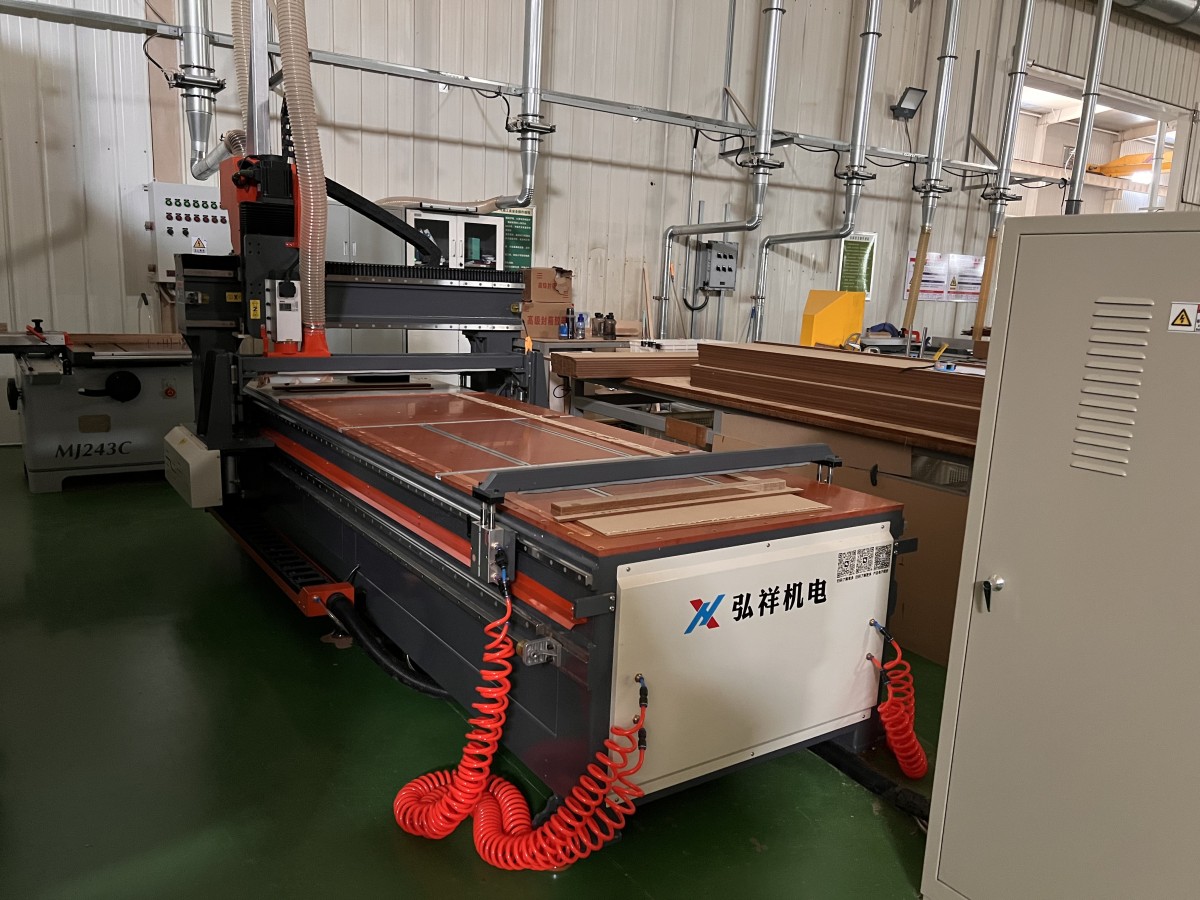
In transformer insulation manufacturing, even minor defects in laminated wood can affect product quality, assembly efficiency, and long-term performance. Understanding the common processing problems and their root causes helps operators improve consistency and reduce waste. This article explores key defect types, practical causes, and optimization ideas related to Laminated wood processing equipment for transformer insulation.
Why defect analysis matters in different transformer insulation scenarios
Laminated wood serves as a structural and insulating material in many transformer components. Its quality depends on machining accuracy, bonding stability, moisture control, and process discipline.
However, not every workshop faces the same defect pattern. Thin panels, thick blocks, shaped parts, and drilled assemblies create different risks for Laminated wood processing equipment for transformer insulation.
A useful diagnosis starts with the production scene. Defects often come from the interaction between material condition, machine rigidity, tooling wear, feed settings, and curing history.
Gaomi Hongxiang Electromechanical Technology Co., Ltd. supports transformer insulation production through machining, assembly, and insulating material processing. That broad process experience makes scenario-based judgment especially valuable.
Scenario 1: Surface tearing and chipping during panel cutting
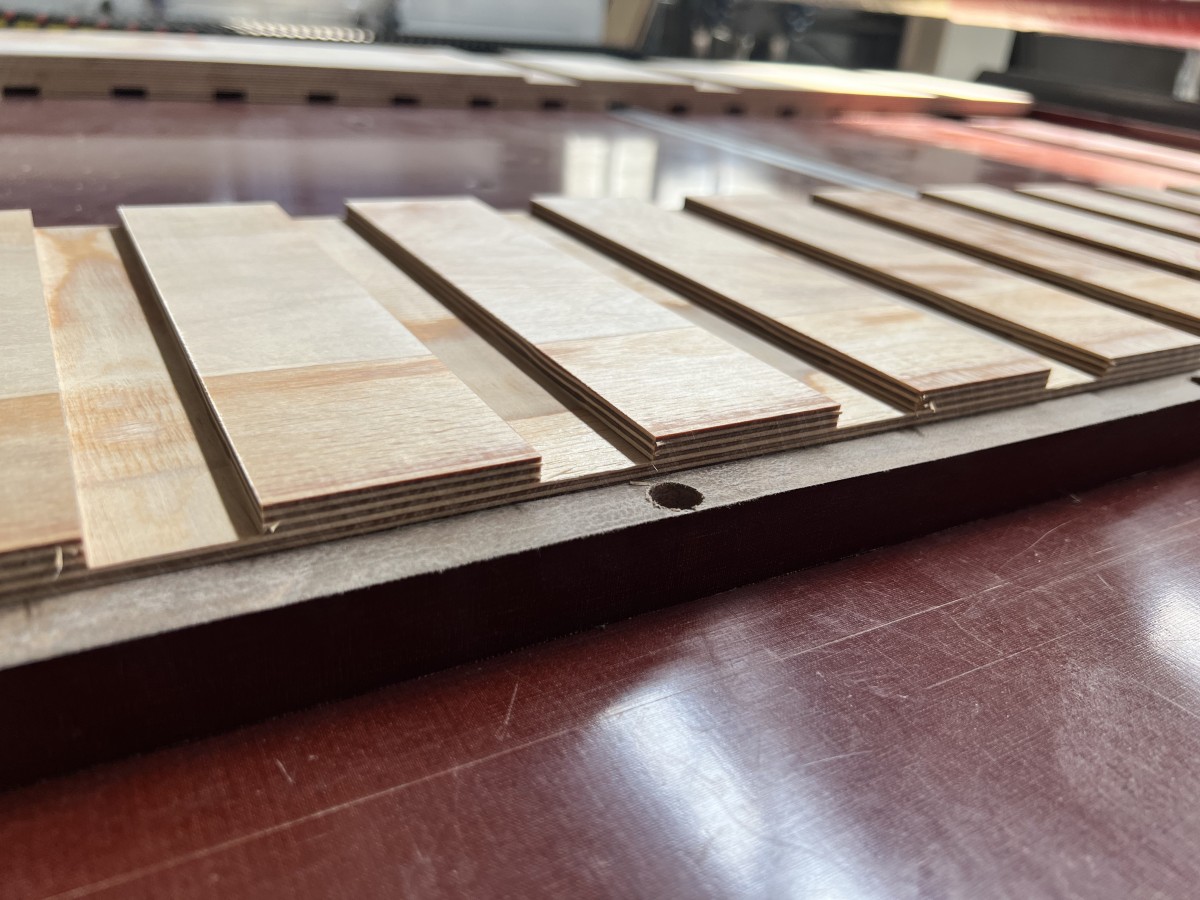
Surface tearing is common when laminated wood sheets are cut into strips, blocks, or profile sections. It often appears at the exit edge, corner area, or across the grain direction.
In this scene, the first judgment point is tool condition. A dull saw blade or milling cutter pulls fibers instead of shearing them cleanly.
The second point is feed speed. Excessive feed creates impact, vibration, and breakout, especially on dry or dense laminated wood.
Support quality also matters. Poor clamping or weak backing lets the workpiece vibrate, which amplifies chipping at the end of the cut.
Typical causes in this cutting scene
- Worn cutting edges or unsuitable tooth geometry
- Feed rate too high for material thickness
- Spindle speed too low for clean fiber separation
- Insufficient pressure on the workpiece surface
- Material moisture variation causing brittle fracture
For Laminated wood processing equipment for transformer insulation, stable cutting requires a balanced combination of blade sharpness, machine stability, and material preparation.
Scenario 2: Delamination after machining or during later assembly
Delamination is more serious than surface chipping. It affects dielectric reliability, strength, and dimensional stability in transformer insulation structures.
This problem may appear after slotting, drilling, edge milling, or pressing. In some cases, the part looks normal first, then layers separate during storage or installation.
The key judgment point here is whether the defect began in material manufacturing or was triggered by excessive machining stress. Both paths are common.
Root causes behind delamination
- Insufficient adhesive penetration during laminated wood production
- Uneven curing temperature or pressure history
- Internal stress released by deep machining
- Tool impact at the edge of drilled or milled areas
- Excessive moisture absorption before processing
When evaluating Laminated wood processing equipment for transformer insulation, machine capability should include smooth feed control, low vibration, and reliable clamping for layered materials.
Scenario 3: Dimensional deviation in precision insulating parts
Precision parts for transformer insulation often require consistent thickness, parallelism, slot width, and hole position. Small errors can slow assembly or weaken insulation clearances.
This scene is common in batch production of spacers, support blocks, clamp components, and shaped insulating structures. The usual complaint is unstable repeatability.
The first judgment point is machine accuracy over time, not just at setup. Heat growth, guide wear, spindle runout, and poor fixture referencing all affect repeat precision.
The second point is material movement. Laminated wood can shift slightly after rough cutting if internal stress or moisture imbalance is present.
Common reasons for size instability
- Fixture datum inconsistency between processes
- Insufficient machine rigidity under heavy cuts
- Lack of tool offset compensation
- Material stress release after rough machining
- Ambient humidity changes before finishing
Scenario 4: Burning, discoloration, and edge overheating
Burn marks and dark edges may seem cosmetic, but they often signal poor process control. Heat damage can also alter local bonding and surface integrity.
This defect usually appears in routing, slotting, contour milling, or prolonged drilling. It is more visible on dense laminated wood and tight-radius tool paths.
The judgment should focus on friction time. If the cutter rubs more than it cuts, heat rises quickly and the edge quality drops.
Frequent overheating triggers
- Tool dullness causing rubbing instead of cutting
- Improper spindle speed and feed combination
- Poor chip evacuation in deep grooves or holes
- Repeated finishing passes with low stock removal
- Localized resin buildup on the cutting edge
High-quality Laminated wood processing equipment for transformer insulation should support consistent chip removal, stable spindle behavior, and parameter repeatability.
How defect risks differ across processing scenes
Practical adaptation suggestions for stable processing results
Defect reduction usually improves when process planning follows the actual application scene. A single cutting parameter cannot fit every laminated wood structure.
- Match tool geometry to thickness, density, and edge quality requirement.
- Control material storage humidity before using Laminated wood processing equipment for transformer insulation.
- Use roughing and finishing separation for thick or stressed parts.
- Standardize fixture references across cutting, drilling, and milling steps.
- Monitor spindle runout, vibration, and thermal drift on a routine basis.
- Create a defect record linked to batch, tool life, and machine settings.
These measures are especially effective in transformer insulation production, where process repeatability is often more important than peak cutting speed.
Common misjudgments that delay root cause correction
One common mistake is blaming all defects on raw material quality. Material issues are real, but poor machine setup often magnifies them.
Another mistake is increasing spindle speed without adjusting feed. That can worsen heat buildup and shorten tool life in Laminated wood processing equipment for transformer insulation.
A third oversight is skipping acclimatization time after storage or transport. Laminated wood may react to humidity differences before machining begins.
It is also risky to evaluate defects only by appearance. Some delamination problems become visible only after drilling, fastening, or thermal cycling.
Next-step actions for improving laminated wood quality control
A practical improvement plan starts with defect mapping. Identify which scene creates the most scrap, then compare tooling, parameters, and material condition for that process.
For better transformer insulation performance, review whether existing Laminated wood processing equipment for transformer insulation supports stable clamping, precision feeding, and low-vibration machining.
Gaomi Hongxiang Electromechanical Technology Co., Ltd. combines insulating material processing, equipment support, and manufacturing experience. That integration helps convert defect analysis into workable process upgrades.
When process decisions are based on specific scenes rather than assumptions, laminated wood quality becomes more stable, waste is reduced, and transformer insulation assembly becomes easier and more reliable.
NAVIGATION
MESSAGE
Request A Quote?