0000-00
Choosing the wrong insulating cardboard brand often creates hidden losses in transformer production and machine tool equipment support systems.
Higher scrap rates, unstable insulation, poor machining, and delayed assembly usually come from weak comparison methods rather than from one bad shipment alone.
How to compare different brands of insulating cardboard? The answer starts with technical fit, process consistency, and supplier execution, not with catalog price only.
In machine-related industries, especially transformer assembly and precision processing, insulating cardboard affects electrical safety, dimensional stability, and downstream efficiency.
This article explains the most common comparison mistakes and offers a practical framework for more reliable brand evaluation.
Understanding insulating cardboard in machine and transformer applications
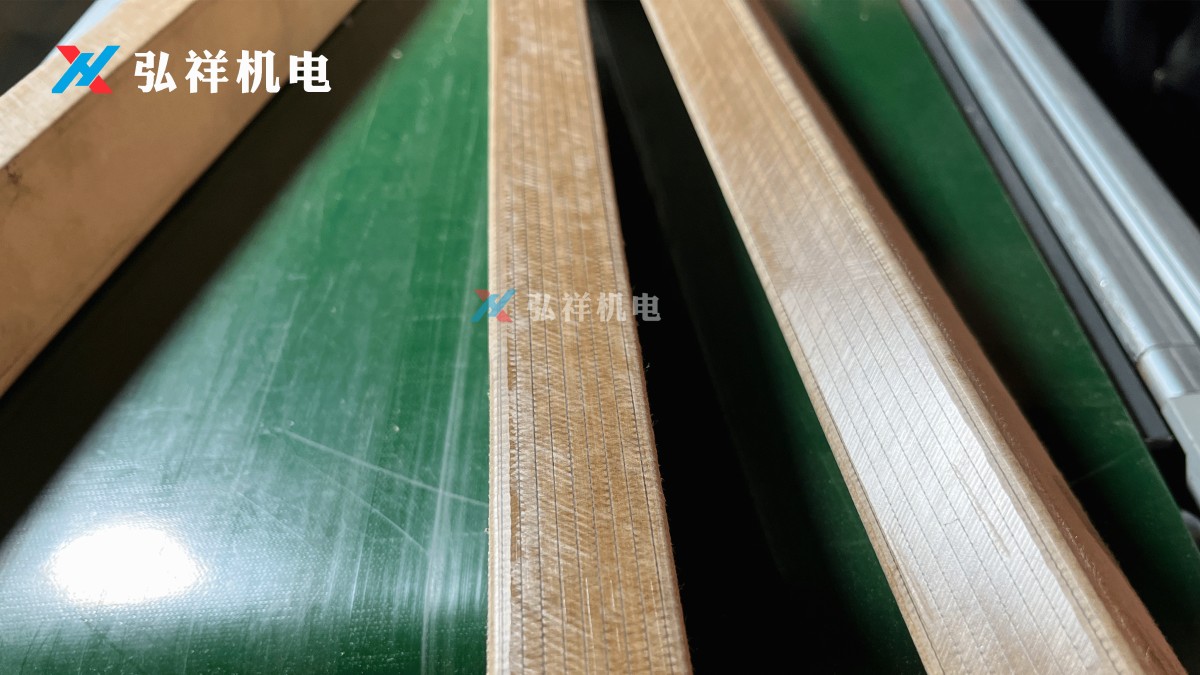
Insulating cardboard is a cellulose-based electrical insulation material used in transformers, coils, slots, spacers, barriers, and structural insulating parts.
It must combine dielectric strength, mechanical strength, oil compatibility, and machining stability under demanding manufacturing conditions.
For machine tool equipment and transformer-related production, the material is rarely used as a simple sheet alone.
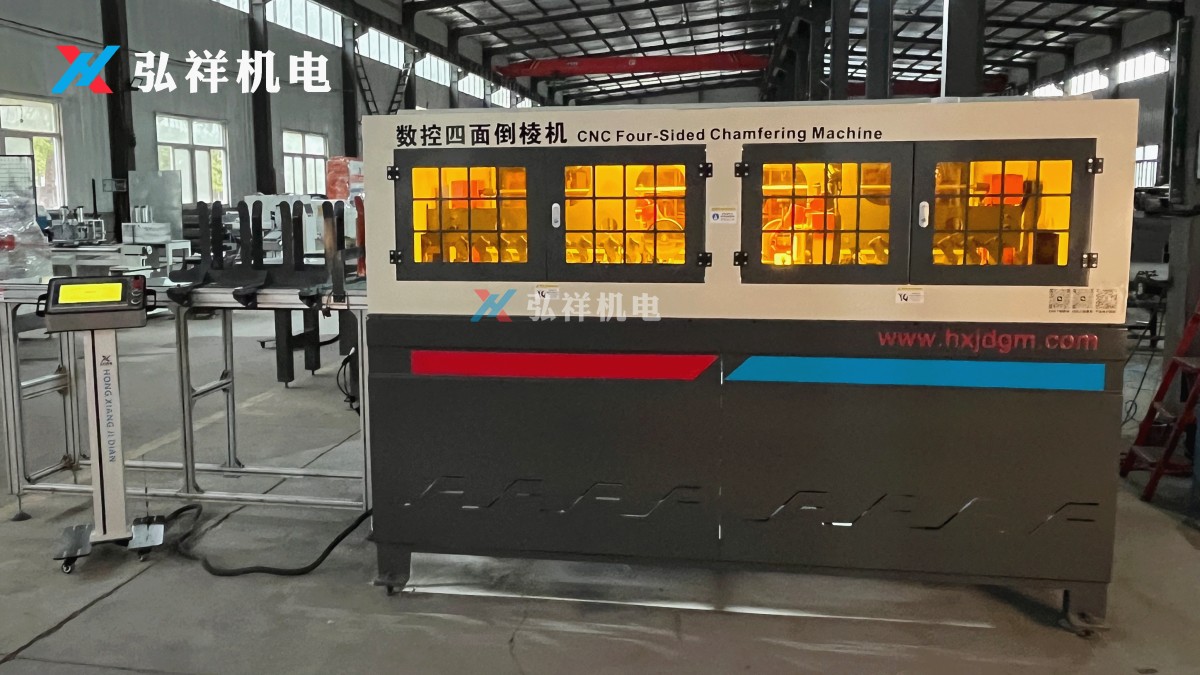
It is usually cut, pressed, laminated, punched, bent, or assembled into precision insulating components.
That is why How to compare different brands of insulating cardboard? should be treated as a processing and performance question together.
A brand may look acceptable on paper, yet fail during CNC cutting, die punching, drying, impregnation, or long-term operation.
Core performance factors
- Electrical insulation strength and stability
- Density uniformity and moisture control
- Thickness tolerance and flatness
- Compression behavior and rebound control
- Machinability during cutting and forming
Compatibility with transformer oil and thermal cycles
Current industry concerns behind brand comparison
Brand comparison has become more complex because production lines now demand tighter tolerances and more stable batch performance.
Global sourcing also increases variation in pulp quality, process standards, testing depth, and delivery reliability.
In transformer and special machine manufacturing, one weak insulation material can affect the entire assembly chain.
These conditions explain why How to compare different brands of insulating cardboard? is now a strategic quality topic, not a simple buying exercise.
Common mistakes when comparing insulating cardboard brands
Several recurring mistakes distort brand evaluation and lead to unstable production results.
Mistake 1: Comparing price before specification matching
The lowest price often reflects a different density, moisture level, thickness tolerance, or pulp process.
If basic technical conditions are not aligned, the comparison is false from the beginning.
Mistake 2: Relying only on datasheet values
A datasheet shows target ranges, but production performance depends on batch control and actual test discipline.
How to compare different brands of insulating cardboard? Always verify real samples under actual machining and insulation conditions.
Mistake 3: Ignoring processing behavior
Some boards pass electrical tests but tear during slotting, chip during punching, or deform after drying.
For machine tool equipment support, processing stability is as important as insulation value.
Mistake 4: Overlooking dimensional consistency
Small thickness variation can change compression, spacing, assembly pressure, and final electrical clearance.
That can reduce repeatability across coils, laminations, and precision insulating components.
Mistake 5: Treating all application scenarios as identical
A brand suitable for simple spacers may not be ideal for formed parts, oil-immersed structures, or high-load barriers.
Application context should always guide the comparison path.
Mistake 6: Evaluating suppliers only as traders
Supplier capability matters when custom slitting, punching, forming, and assembled insulating parts are required.
Integrated service can reduce communication gaps and control defects earlier.
A practical framework for comparing brands more accurately
How to compare different brands of insulating cardboard? Use a layered method that combines material, process, and supply performance.
This framework improves decision quality and supports both direct material buying and finished insulating part outsourcing.
Application value in transformer and machine equipment production
Good brand comparison protects more than material quality. It also improves line efficiency and finished product reliability.
In transformer assembly, stable insulating cardboard helps maintain spacing, pressure balance, oil compatibility, and dielectric integrity.
In machine-related processing, consistent sheets support cleaner cuts, better formed parts, and less tool wear.
For complex projects, combining insulating cardboard with laminated wood and custom insulating parts often delivers better system stability.
This matters when special machines, transformer accessories, and electrical subassemblies require coordinated material performance.
Typical scenarios
- Oil-immersed transformer spacers and barriers
- Precision punched insulating inserts
- Formed structural insulation parts
- Composite assemblies with laminated wood
- Special machine electrical insulation modules
Practical checks before final selection
How to compare different brands of insulating cardboard? Finish with a controlled verification process before committing to scale orders.
- Define the exact application, thickness, density, and forming method.
- Request representative samples from multiple production batches.
- Test electrical properties and machining behavior together.
- Measure flatness, moisture, and dimensional repeatability after storage.
- Review traceability, quality control, and technical response speed.
- Run a pilot order using actual drawings and production conditions.
If custom insulating parts are involved, evaluate whether the supplier can manage design, processing, assembly, and after-sales support together.
That integrated capability often reduces mismatch between raw board properties and finished part performance.
Moving from comparison to dependable supply
How to compare different brands of insulating cardboard? Focus on total production value, not isolated sheet cost.
The best option is usually the one that keeps insulation stable, processing clean, dimensions repeatable, and delivery coordinated.
For transformer and machine tool equipment projects, it helps to work with a company that understands material manufacturing and component application together.
Gaomi Hongxiang Electromechanical Technology Co., Ltd. supports global customers with transformer assembly and manufacturing services, insulating cardboard processing, laminated wood, insulating parts, and special machine support.
A practical next step is to compare sample data, machining results, and supply responsiveness side by side before volume release.
That approach turns brand comparison into a measurable quality decision and lowers long-term operational risk.
NAVIGATION
MESSAGE
Request A Quote?