0000-00
Even advanced Automated insulating parts processing equipment can underperform when the initial setup is incorrect. For operators, small errors in calibration, tooling, material positioning, or parameter input can quickly lead to waste, downtime, and unstable product quality.
Understanding these common setup mistakes is the first step toward safer operation, higher efficiency, and more consistent insulating parts production. In most cases, setup problems are not caused by machine defects, but by overlooked details during preparation.
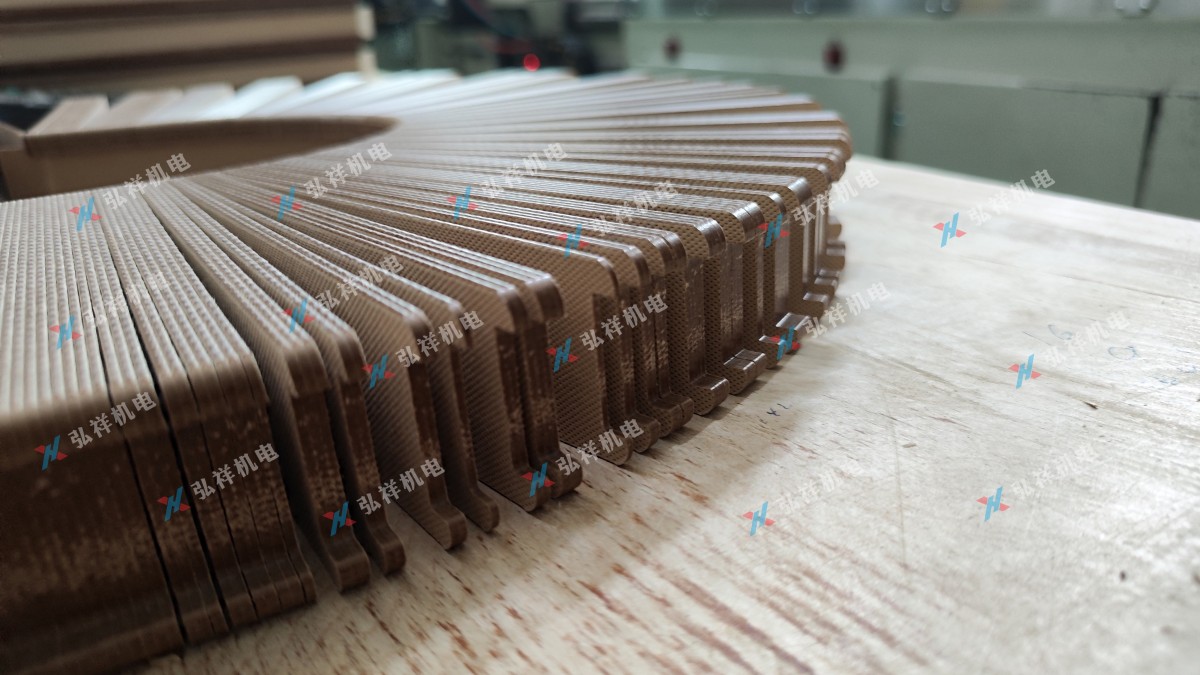
Operators usually search this topic because they want to prevent scrap, reduce repeated adjustments, and keep production stable from the first batch. Their main concern is practical: what goes wrong during setup, how to spot it early, and how to correct it fast.
This article focuses on the errors that matter most in daily production of insulating cardboard, laminated wood, and related insulating parts. It gives clear checks, likely causes, and operator-level actions that help improve consistency and machine performance.
Why setup mistakes create major losses in insulating parts production
In insulating parts processing, tolerances, edge quality, hole position, and surface condition often affect final assembly performance. A small setup error can therefore create much bigger downstream problems than operators initially expect.
If the tool height is wrong, the material may tear, compress, or burn. If positioning is inaccurate, holes and profiles may shift. If feed settings do not match the material, the entire batch can become unstable.
Because many insulating materials behave differently from metals, operators cannot rely on general machining habits alone. Fiber structure, thickness variation, density differences, and moisture response all make setup more sensitive and less forgiving.
That is why Automated insulating parts processing equipment must be treated as a precision process system. Good setup is not just a starting task. It is the condition that determines whether automation delivers speed and consistency.
The most common setup error: incorrect material positioning
One of the most frequent problems is poor material alignment before cutting, drilling, punching, or shaping begins. If the sheet or part blank is not seated correctly, every following motion becomes inaccurate.
Operators may notice offset dimensions, inconsistent hole spacing, angled cuts, or parts that do not fit the next assembly stage. Sometimes the problem seems random, but the root cause is often unstable or uneven positioning.
Material positioning errors usually come from dirty support surfaces, worn locating stops, weak clamping force, or failure to confirm reference edges. On flexible or layered insulating materials, slight movement can happen even when the setup appears acceptable.
To avoid this, clean the table fully, inspect all locators, verify clamping balance, and confirm that the correct datum edge is being used. A dry run or low-speed first cycle helps reveal movement before full production starts.
Wrong parameter input leads to unstable quality
Another common setup issue is entering incorrect processing parameters. This includes spindle speed, feed rate, cutting depth, dwell time, pressure values, positioning offsets, and program selection. A single wrong value can affect every part produced.
Operators often face this after switching to a different thickness, density, or part design. If the previous job settings are reused without adjustment, the machine may run, but the actual result will not match the material condition.
For example, too high a feed rate may cause chipping or tearing on insulating board edges. Too low a speed may reduce efficiency and leave rough surfaces. Excessive depth can overload tooling and damage layered structures.
The best prevention method is to use a setup checklist linked to each material type and part category. Confirm the program name, tool number, zero point, thickness data, and processing parameters before pressing cycle start.
Where possible, operators should keep approved parameter records for common materials such as electrical insulating cardboard, laminated wood, and EVA components. Standard values shorten setup time and reduce dependence on memory or guesswork.
Tooling selection and installation errors are more common than expected
Many quality problems blamed on the machine are actually caused by tooling issues. In Automated insulating parts processing equipment, the wrong tool type or incorrect installation can immediately reduce precision and surface quality.
Typical mistakes include using a worn tool, selecting the wrong diameter, installing the tool with insufficient clamping, or failing to check runout. In some cases, the tool is technically usable but not suitable for the material structure.
Insulating materials can react differently to cutting geometry than metal parts do. A tool that works on one grade of board may not perform well on another with different density or layered composition.
Before production, operators should verify tool sharpness, length, diameter, seating condition, and fastening torque. If the machine supports tool compensation, the corresponding data must match the actual installed tool exactly.
After tool installation, a test piece should be processed and inspected for edge finish, dimensional accuracy, and heat marks. This quick check often identifies setup faults before a full batch is exposed to risk.
Failure to calibrate zero points and reference positions
Incorrect zero point setup is one of the fastest ways to produce scrap. When workpiece zero, tool zero, or machine reference is not confirmed properly, all dimensions can shift, even if the program itself is correct.
Operators may see mirrored positions, uneven margins, hole offset, or partial cutting outside the intended profile. These are classic signs that the coordinate system or reference origin was not established accurately.
This error often appears after maintenance, tool replacement, fixture adjustment, or software restart. Even experienced operators can overlook recalibration if they assume the previous reference remains unchanged.
A reliable approach is to verify each reference layer separately. Check machine home position, then tool offset, then workpiece datum. Do not combine these steps mentally. Each one should be confirmed and recorded as part of setup.
If the machine processes multiple part sizes in one shift, operators should pay special attention to program-specific origins. Similar-looking jobs can still require different reference logic, and confusion between them is costly.
Ignoring material condition before setup
Not all production problems begin at the machine. In many insulating parts applications, material condition itself affects setup success. If operators ignore moisture, warping, thickness deviation, or surface contamination, stable machining becomes difficult.
Electrical insulating cardboard and laminated wood may respond differently depending on storage conditions and batch variation. A setup that works on flat, dry stock may fail on material that has absorbed moisture or developed bowing.
When material is uneven, clamping pressure becomes inconsistent. Tool depth may vary across the work area. Edge quality may change from one side of the sheet to the other. These effects are often misread as machine instability.
Operators should inspect thickness, flatness, and visible defects before loading the material. If needed, separate suspect material from normal stock. Setup parameters should reflect actual material condition, not just nominal specifications.
This is especially important in high-accuracy or repeat-order production, where the same dimensions must be maintained across multiple batches. Material inspection supports better setup decisions and reduces unnecessary troubleshooting later.
Clamping problems that cause vibration, shifting, or damage
Clamping is often treated as a basic step, but poor clamping is behind many hidden setup failures. If force is too weak, the workpiece can move. If force is too high, soft insulating material can deform or mark.
Operators should not judge clamping quality only by whether the material seems fixed by hand. During automated movement, acceleration, vibration, and tool contact can create loads that are very different from manual inspection.
Common clamping mistakes include uneven pressure distribution, fixture contact on unstable surfaces, and failure to support thin sections or overhanging areas. These problems become more serious on larger sheets or complex shapes.
To improve results, confirm that support points are level, contact surfaces are clean, and force is applied close to stable structural areas. For sensitive materials, use methods that balance holding strength and surface protection.
If repeated vibration marks or dimensional drift appear, clamping should be checked before changing cutting parameters. Many operators waste time adjusting speeds when the real issue is that the part is not held consistently.
Skipping first-piece verification is a costly shortcut
When production is busy, some operators move directly from setup to batch processing. This is risky. Even if the machine starts normally, the first finished part may still reveal important setup errors.
First-piece verification should include dimensions, hole locations, profile accuracy, edge condition, burr level, compression marks, and fit with the next assembly requirement. For insulating parts, functional fit matters as much as raw size.
If the first piece passes, the operator gains confidence that material, tooling, clamping, and parameters are working together properly. If it fails, corrections can be made before losses multiply across the batch.
The most effective shops treat first-piece inspection as part of setup, not as a separate quality department responsibility. This reduces delays and helps operators build better control over Automated insulating parts processing equipment.
Human factors: rushed changeovers and unclear setup standards
Not every setup error is technical. Many happen because operators are under time pressure, standards are incomplete, or setup methods vary from person to person. In automated production, inconsistency in human practice quickly appears in product results.
Rushed changeovers often lead to skipped cleaning, unchecked offsets, reused parameters, or incomplete confirmation of tooling. These are small omissions, but they create large consequences in repeated production cycles.
Another common problem is relying too much on individual experience without clear documentation. An experienced operator may know what works, but if the method is not standardized, results become unstable across shifts or new staff.
Good setup control requires simple and usable documents: checklists, approved parameter sheets, fixture instructions, and first-piece standards. Training should focus on why each step matters, not just the order of operations.
Companies that provide installation, training, and after-sales support can help customers reduce these avoidable mistakes by building practical operating habits instead of depending only on machine capability.
A practical setup checklist for operators
Before starting production, confirm machine status, air or power supply, lubrication condition, and safety devices. Then check that the correct program, material type, tool set, and fixture arrangement are prepared.
Inspect the material for thickness variation, flatness, damage, or contamination. Clean the worktable and locating points. Install tools carefully, confirm offsets, and verify clamping condition across the full support area.
Set and recheck zero points. Review feed, speed, depth, and other process parameters against the approved job standard. Run a dry cycle or low-speed trial if the part is new or the setup has changed.
Process the first piece and inspect it fully before releasing the batch. If any issue appears, trace the cause in order: reference, material, tool, clamping, parameter, then program. This prevents random trial-and-error adjustments.
Using a repeatable checklist may seem simple, but it is one of the strongest ways to improve performance with Automated insulating parts processing equipment. It reduces waste, shortens troubleshooting time, and increases operator confidence.
Conclusion
The most common setup errors in Automated insulating parts processing equipment usually come from positioning, parameters, tooling, zero points, material condition, and clamping. These are not minor details. They directly control quality, efficiency, and production stability.
For operators, the key lesson is clear: do not assume automation will correct setup weakness. In insulating parts production, the machine performs well only when the preparation work is accurate, consistent, and verified.
By focusing on first-piece confirmation, standard setup steps, and material-specific checks, operators can prevent many avoidable problems before they affect output. That means less scrap, less downtime, safer operation, and more reliable finished parts.
In daily production, the best results come from disciplined setup habits supported by proper training and suitable machine design. When those elements work together, automated processing delivers the consistency that modern transformer and insulation manufacturing requires.
NAVIGATION
MESSAGE
Request A Quote?