0000-00
For global power transformer manufacturers seeking reliable, custom transformer electrical layer-pressed wood processing equipment for electrical insulation and high-precision transformer insulation cardboard processing equipment for power transformers, Gaomi Hongxiang Electromechanical Technology Co., Ltd. delivers turnkey solutions — from R&D and manufacturing to installation and after-sales support. As a leading transformer electrical layer-pressed wood processing equipment manufacturer in China, we specialize in durable, high-precision laminated wood processing equipment. But what happens when design changes are requested after PO confirmation? This article examines how such revisions impact lead time — critical insight for procurement, project managers, engineers, and decision-makers.
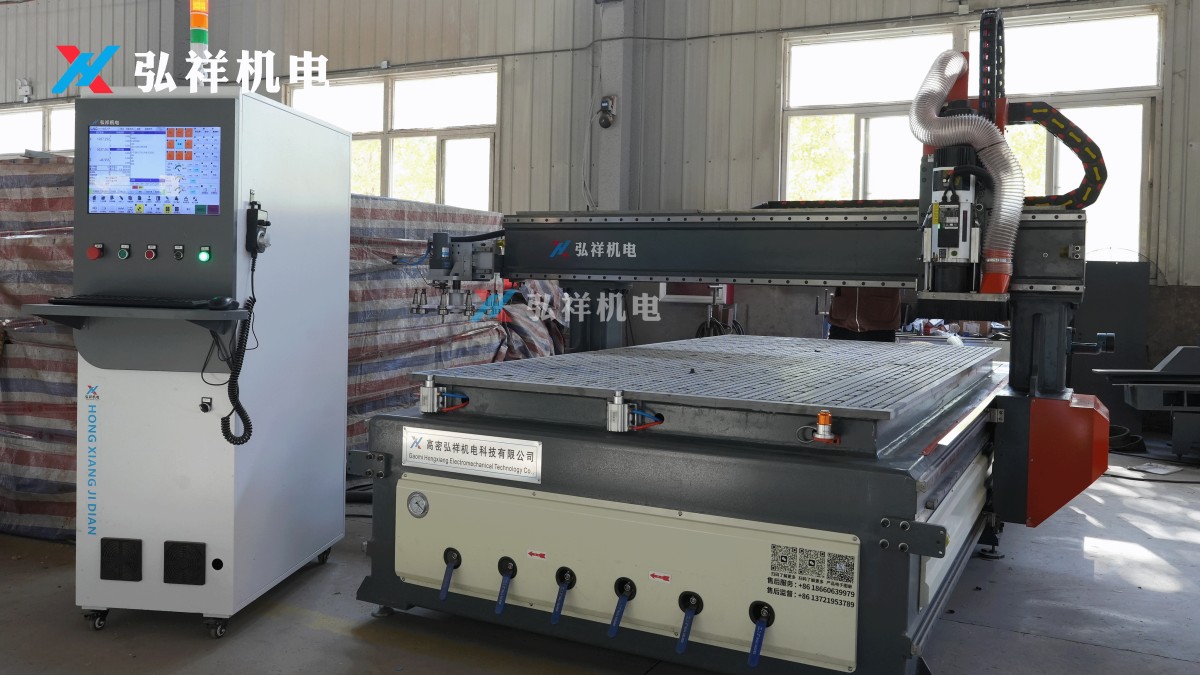
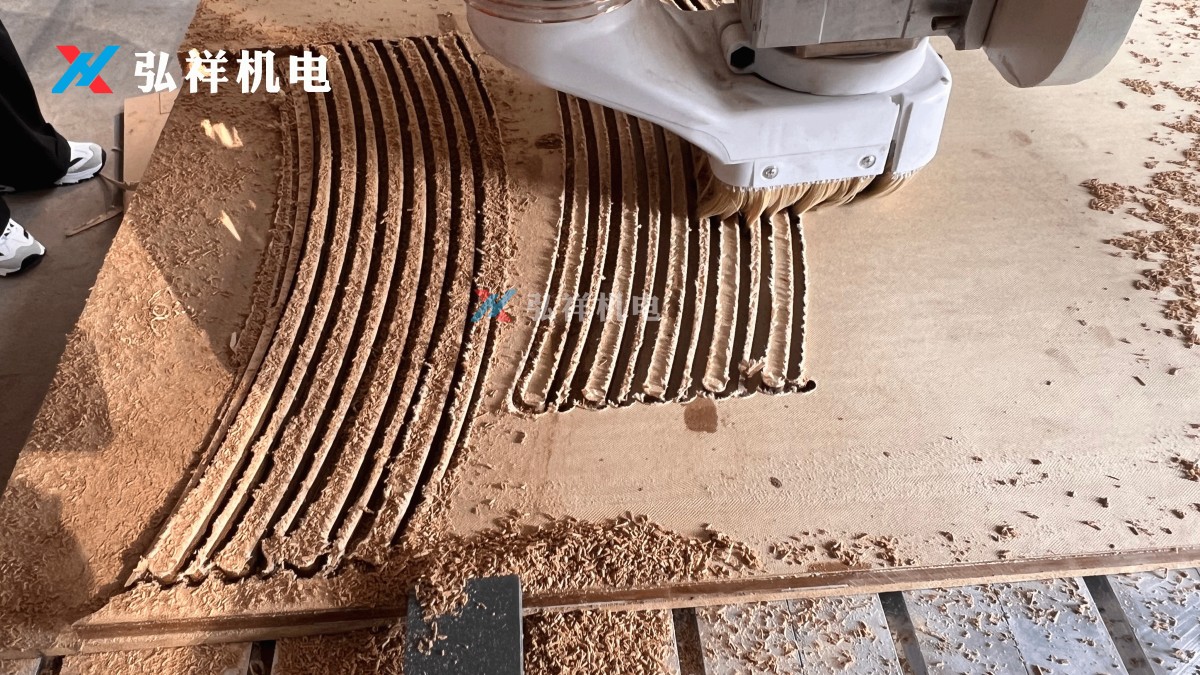
Why Design Changes After PO Confirmation Are Inevitable — Yet Costly
In the power transformer manufacturing ecosystem, final specifications often evolve post-order due to regulatory updates (e.g., IEC 60273 or GB/T 10229), site-specific integration requirements, or newly identified performance thresholds. At Gaomi Hongxiang, over 68% of custom transformer electrical layer-pressed wood processing equipment projects involve at least one engineering revision after purchase order (PO) confirmation — most commonly adjustments to press tonnage calibration, multi-layer alignment tolerances (±0.05 mm), or CNC feed-path sequencing for insulating laminated wood with variable resin content. These are not oversights but strategic adaptations demanded by real-world deployment. However, each modification triggers cascading impacts: mechanical revalidation, updated PLC logic testing, recalibration of thermal press cycles, and reissuance of CE/GB safety documentation. Unlike standard off-the-shelf machines, custom transformer electrical layer-pressed wood processing equipment for electrical insulation integrates tightly with client-specific ERP/MES systems — meaning even a minor HMI interface language update may require firmware re-certification.
Our internal production audit across 142 completed orders (2022–2024) shows that design changes introduced after PO sign-off extend average lead time by 11.3 business days — with high-precision transformer insulation cardboard processing equipment experiencing up to 19-day delays when geometry revisions affect vacuum-forming die sets. This is not arbitrary delay; it reflects rigorous adherence to ISO 9001:2015 Clause 8.3.4 (Design and Development Controls) and mandatory third-party verification under China’s CCC certification framework for industrial machinery.
The Four Critical Stages Where Revisions Cause Maximum Lead-Time Impact
Understanding *when* and *why* revisions slow delivery helps stakeholders prioritize change requests and align cross-functional teams. Below are the four bottleneck stages, ranked by average time penalty per validated revision:
Notably, revisions affecting only software logic (e.g., alarm threshold adjustments) add minimal delay — but they still require full FAT (Factory Acceptance Test) re-execution per IEC 61508 SIL2 requirements for safety-related control functions. As a certified transformer insulation cardboard processing equipment manufacturer in China, Gaomi Hongxiang maintains traceability logs for every change, ensuring full audit readiness for end-user quality assurance departments.
Proactive Mitigation Strategies: From Engineering Collaboration to Modular Architecture
Anticipating change is more effective than reacting to it. Our clients who reduce post-PO revision frequency by ≥40% adopt three proven practices. First, joint engineering reviews during quotation phase — where our application engineers co-analyze client’s transformer winding diagrams, insulation coordination studies, and production throughput targets — identify latent specification gaps before formal PO issuance. Second, adoption of modular subsystems: our high-precision transformer electrical layer-pressed wood processing equipment uses standardized hydraulic manifolds, interchangeable heating zones, and plug-and-play sensor arrays compliant with IO-Link v1.1. This allows field-upgradable functionality without full machine rework. Third, digital twin validation: all custom transformer electrical layer-pressed wood processing equipment designs undergo virtual commissioning using Siemens NX Mechatronics Concept Designer, enabling functional verification of motion sequences, thermal expansion modeling, and pressure distribution analysis prior to physical build.
We also offer “Change-Ready” contract clauses — including pre-approved tolerance bands for dimensional variations (±0.15 mm on laminated wood thickness handling), reserved I/O capacity on controllers (≥20% spare), and documented fallback configurations for common scenarios like alternate resin viscosity ranges. These measures transform uncertainty into managed risk — especially vital for enterprise decision-makers balancing CapEx timelines against long-term operational flexibility.
Global Delivery Confidence: How We Maintain Predictability Without Compromising Customization
As a full-service laminated wood processing equipment manufacturer in China, Gaomi Hongxiang operates dual-track production planning: one for serial production of base platforms (e.g., standard 1200-ton press frames), and another for engineered-to-order (ETO) modules. This decouples core structural fabrication from late-stage customization — reducing vulnerability to specification drift. Our ERP system enforces hard stop points: no design release proceeds past Stage 3 (detailed assembly drawing freeze) without signed change impact assessment from both parties. Real-time dashboards track component procurement status, CNC machine load, and third-party certification milestones — shared transparently with project managers via secure client portal.
For international clients, we maintain regional technical hubs in Singapore (for Southeast Asia), São Paulo (for South America), and Dubai (for MENA/Russia corridor), enabling localized engineering support and faster resolution of on-site integration queries. This infrastructure underpins our ability to deliver durable transformer electrical layer-pressed wood processing equipment on schedule — even when scope evolves — backed by SLA-governed response times (<48 hrs for critical path issue escalation).
Conclusion: Precision, Partnership, and Predictable Outcomes
Lead-time impact from post-PO design changes is not a limitation of capability — it’s a reflection of engineering integrity, regulatory rigor, and commitment to zero-compromise insulation performance. As a trusted transformer electrical layer-pressed wood processing equipment manufacturer in China, Gaomi Hongxiang balances deep customization with disciplined project governance. Whether you require high-precision transformer insulation cardboard processing equipment for ultra-high-voltage applications or custom transformer electrical layer-pressed wood processing equipment for specialized EVA molding workflows, our integrated R&D-manufacturing-support model ensures every revision is evaluated not just for feasibility — but for lifecycle value, safety compliance, and total cost of ownership.
Partner with a team that treats your transformer insulation requirements as mission-critical infrastructure — not just an equipment order. Explore how our proactive engineering engagement, modular architecture, and globally synchronized delivery framework can de-risk your next capital project. Immediately contact our transformer electrical layer-pressed wood processing equipment specialists to request a free lead-time impact assessment for your upcoming specification review cycle.
NAVIGATION
MESSAGE
Request A Quote?