0000-00
For short production runs, choosing between a Double-ended chamfering machine and manual processing directly affects accuracy, labor cost, and delivery speed. As a Transformer insulation parts processing equipment manufacturer in China, Gaomi Hongxiang helps buyers evaluate practical solutions for electrical cardboard, Electrical laminated wood, and Transformer insulation components with reliable, efficient equipment.
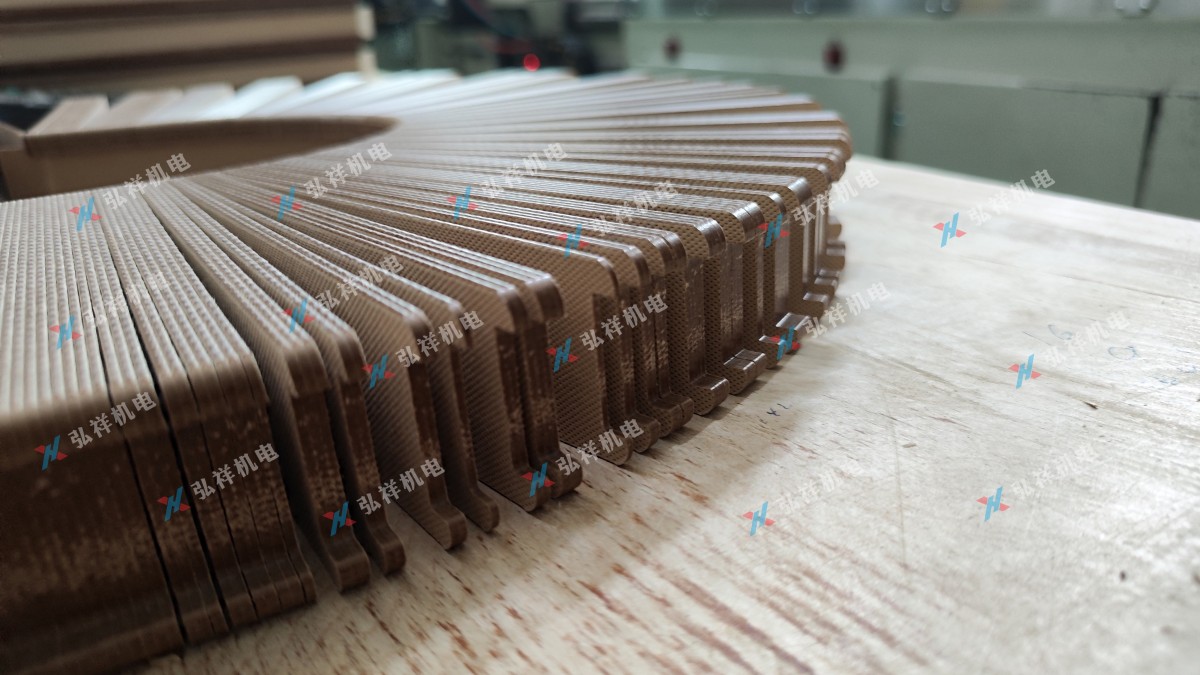
How should buyers judge double-ended chamfering machine vs manual process for short runs?
This is not a simple machine-versus-labor question. In short-run production, the real issue is whether the chosen process can keep edge quality stable across repeated parts, hold a practical delivery window, and avoid hidden rework cost. For transformer insulation components, even a small deviation in chamfer consistency may affect assembly fit, burr control, surface finish, and later inspection efficiency.
A manual process can still be reasonable when product quantities are very low, such as sample making, urgent repair parts, or frequent design changes in the first 1–3 batches. It usually needs less initial investment and allows operators to react quickly to drawing changes. However, once the quantity rises from a few pieces to repeated short lots, the manual method often shows fluctuations in angle consistency, edge symmetry, and labor dependency.
A double-ended chamfering machine becomes more attractive when the buyer needs stable output within a repeatable process window. This is especially relevant for electrical insulating cardboard, electrical laminated wood, and transformer insulation parts that require controlled edge treatment on both ends. For workshops handling multiple short orders per week, reducing setup-to-output time by even 10–20 minutes per lot can improve scheduling and operator utilization.
Gaomi Hongxiang serves global customers in transformer assembly and insulation material processing. Because the company works across equipment design, production, installation, training, and after-sales service, it is able to discuss not only the machine itself but also the matching process logic: material type, edge condition, batch size, labor skill level, and required production rhythm. That practical view matters more than choosing by price alone.
What usually changes the decision?
- Batch frequency: one short run per month is different from 5–10 repeat short runs per week.
- Tolerance expectations: if edge appearance and dimensional repeatability must stay within a narrow working range, machine processing is easier to control.
- Material behavior: laminated wood and dense insulating board can expose inconsistency faster than softer materials.
- Labor availability: if one trained operator is absent, manual throughput may drop immediately.
Where does each method fit in real transformer insulation parts production?
In machine tool equipment decisions, usage context matters more than general preference. A workshop producing transformer insulation parts may handle prototype development, trial orders, export orders, and maintenance replacement parts in the same month. The right method depends on whether the target is flexibility, repeatability, or low unit labor input over repeated batches.
Manual chamfering is often selected during early-stage product verification. If engineers are still adjusting angles, edge radius, or thickness combinations, manual work can shorten the feedback cycle. It also helps when only 5–20 pieces are needed and the next drawing revision may arrive within 24–48 hours. In that case, avoiding machine setup can be practical.
A double-ended chamfering machine is typically better once the geometry is stable and the workshop starts receiving recurring short lots. Even if each lot is only dozens of pieces, repeated orders over 2–4 weeks can justify the need for a more standardized workflow. Processing both ends in one controlled sequence reduces operator variation and can support cleaner handover to inspection.
For distributors, project managers, and technical evaluators, the key question is not whether short runs are “small,” but whether they are “repeatable.” Repeatable short runs create hidden cumulative labor costs. In those cases, equipment with predictable adjustment and stable output often delivers stronger value than a lower first-cost manual approach.
Typical application scenarios
The table below shows a practical way to match processing method to common short-run scenarios in transformer insulation component manufacturing.
This comparison does not mean manual work is outdated. It shows that the threshold is often operational, not theoretical. If production repeats weekly or monthly and quality records matter, a double-ended chamfering machine usually becomes easier to justify.
What are the practical differences in accuracy, speed, labor, and quality control?
For technical assessors and quality teams, the most important differences are process stability and inspection burden. Manual processing can produce acceptable parts, but consistency may vary across shifts, operators, and material lots. A double-ended chamfering machine is designed to reduce that spread by using a more repeatable feeding and cutting path, which is especially useful when both ends must remain visually and dimensionally balanced.
Speed should not be judged only by cutting time. Buyers should compare the full cycle: drawing review, setup, first-piece check, continuous processing, in-process inspection, and rework handling. In many short-run jobs, actual time loss comes from adjustment and correction. If a machine shortens first-article confirmation and reduces the number of edge defects per lot, the effective delivery gain may be larger than the nominal processing gain.
Labor cost is also broader than hourly wages. Manual work usually needs a more experienced operator to maintain stable chamfer results. If the workshop must assign one senior worker to repeated trimming and checking, the hidden cost increases over 3–6 months. A machine does not remove labor, but it can reduce dependence on individual technique and make training more structured.
For safety managers and after-sales personnel, machine processing may also bring a more standardized work condition when proper guarding, feeding practice, and maintenance routines are in place. Manual edge processing can expose operators to longer direct contact with the cutting zone, inconsistent handling positions, and variable dust generation depending on the material.
Comparison matrix for short-run decisions
Use the following table to evaluate whether a double-ended chamfering machine or manual process is more suitable for your current order structure.
A common purchasing mistake is to compare only machine price with hand-tool price. A more useful method is to compare 4 factors together: repeatability, operator dependence, batch frequency, and expected rework rate. That framework helps finance, engineering, and production teams reach the same conclusion faster.
Key checks before making a final choice
- Confirm whether your short runs are occasional or repeated across a 1–3 month horizon.
- Review whether both ends need matching chamfer quality rather than simple edge breaking.
- Check if your current inspection team spends too much time sorting inconsistent manual results.
- Estimate operator training and turnover risk over the next 6–12 months.
What should procurement, engineering, and finance review before buying?
A good procurement decision in machine tool equipment should align technical need with budget discipline. For a double-ended chamfering machine, buyers should not ask only about power or footprint. The more useful questions involve process compatibility: material type, part dimensions, edge quality expectations, changeover frequency, and the skill level available on site. These factors directly shape whether the machine will save time or create underused capacity.
Engineering teams should verify the practical process window first. In transformer insulation parts manufacturing, electrical insulating cardboard and laminated wood may behave differently during cutting. Buyers should discuss typical thickness range, edge finish target, and whether the order mix changes every day or every week. Even a capable machine needs matching fixturing, tooling logic, and operator habits to perform well in short-run work.
Procurement and commercial evaluators should request a clear discussion on delivery cycle, installation, training, and spare parts support. In many projects, equipment lead time is not the only schedule risk. Site preparation, trial adjustment, and first-batch acceptance can add 7–15 days or more depending on complexity. Buyers who clarify these service nodes early can reduce project delays and internal approval friction.
Finance reviewers often ask whether short-run production can really justify equipment. The answer depends on cumulative order frequency and quality loss exposure. If manual processing creates recurring rework, unstable throughput, or overtime pressure, the cost difference may narrow faster than expected. A practical payback discussion should include labor allocation, re-inspection time, scrap risk, and schedule reliability, not just purchase price.
Selection checklist for short-run chamfering equipment
The table below helps purchasing teams convert technical concerns into reviewable decision items.
For many buyers, the most useful supplier is the one that can discuss application fit, not only machine configuration. Gaomi Hongxiang’s background in transformer-related processing and insulation materials makes that conversation more grounded in actual production requirements.
A practical 4-step buying path
- Send drawings, material details, and expected lot frequency.
- Confirm process expectations such as edge condition, symmetry, and inspection criteria.
- Review lead time, training scope, and acceptance points before order approval.
- Plan first-batch verification and routine maintenance from day one.
What hidden costs, risks, and common misunderstandings should be considered?
One common misunderstanding is that short-run work always favors manual processing because quantities are small. In reality, recurring short runs can be more difficult than medium batches because they demand frequent adjustment without losing consistency. If each batch is small but arrives every few days, manual handling can create a cycle of rushed preparation, variable quality, and repeated inspection effort.
Another mistake is to assume that any chamfering machine will automatically solve quality problems. Equipment works best when the buyer has defined 3 things clearly: material condition, target chamfer result, and acceptable setup time. Without those inputs, even a suitable machine may appear less effective because the process standard itself is not stable.
Hidden cost often appears in places that accounting does not immediately isolate. Examples include extra first-piece confirmation time, repeated manual correction, operator overtime, delayed shipment approval, and more frequent supervisor involvement. These are especially relevant for export-oriented orders where one late batch can affect packing, booking, or downstream assembly timing.
Quality and safety teams should also consider maintenance discipline. A double-ended chamfering machine still requires routine checks of tooling condition, dust control, fastening points, and feeding stability. Establishing weekly and monthly inspection habits is usually enough to maintain stable performance, but skipping them can weaken the expected benefit.
Risk reminders before you decide
- Do not estimate cost only by equipment price; include rework, inspection, overtime, and training effort.
- Do not ignore material variability; short-run jobs with changing material lots may need a broader adjustment discussion.
- Do not approve a purchase without defining acceptance criteria for edge quality and operating stability.
- Do not overlook after-sales support during the first 7–30 days of actual production use.
FAQ for short-run chamfering decisions
Is a double-ended chamfering machine suitable if my batches are small?
Yes, if the batches are small but repeatable. If you receive similar lots every week, every two weeks, or every month, the machine may reduce total labor dependence and improve consistency. If the job is a one-time sample order with uncertain design, manual processing may remain practical.
What should I prepare before asking for a quotation?
Prepare drawings, material name, thickness range, expected chamfer result, batch size, and how often the part repeats. If available, include current pain points such as burrs, uneven ends, rework frequency, or tight delivery requirements. With these details, the supplier can discuss a more realistic machine recommendation.
How long does implementation usually take?
The full timeline depends on configuration and site readiness. In practical projects, review usually includes 3 stages: technical confirmation, production and delivery, then installation and training. Buyers should also allow time for first-batch acceptance and operator familiarization instead of counting only shipment time.
What does maintenance involve for this type of equipment?
Routine care generally includes tooling inspection, cleaning, fastening checks, and observation of feed stability. A simple weekly check and a deeper monthly review are common good practices. The exact interval depends on material type, operating hours, and production intensity.
Why work with Gaomi Hongxiang for transformer insulation part processing equipment?
Buyers in the machine tool equipment sector often need more than a catalog answer. They need a supplier that understands the production realities of transformer insulation materials, including electrical insulating cardboard, insulating laminated wood, insulation parts, and related assembly demands. Gaomi Hongxiang combines R&D, design, production, sales, installation, training, and after-sales service, which supports a more complete project discussion from the beginning.
The company serves global customers and supports transformer-related manufacturing and specialized equipment needs. That international supply experience is useful for customers comparing process stability, delivery planning, and practical communication across different project environments. For procurement teams, it means conversations can move beyond generic machine claims to more application-based recommendations.
If you are evaluating a double-ended chamfering machine for short runs, Gaomi Hongxiang can help you review several decision points: whether manual process still makes sense, what material and batch conditions favor machine processing, how to estimate service timeline, and what preparation is needed for smoother installation and startup. This is valuable for technical evaluators, project managers, finance approvers, distributors, and end users alike.
Contact the team with your drawings, material details, expected batch size, and required delivery window. You can discuss parameter confirmation, product selection, lead time, customized solutions, sample support, application matching for electrical cardboard or laminated wood, and quotation communication. That kind of early technical exchange usually shortens the decision cycle and helps avoid buying either too little capacity or the wrong process method.
What you can consult now
- Whether a double-ended chamfering machine or manual process is better for your actual short-run volume.
- Suitable configuration based on transformer insulation part material and geometry.
- Estimated delivery cycle, installation preparation, and operator training scope.
- Customized solutions, spare parts planning, and quotation details for your project.
NAVIGATION
MESSAGE
Request A Quote?