0000-00
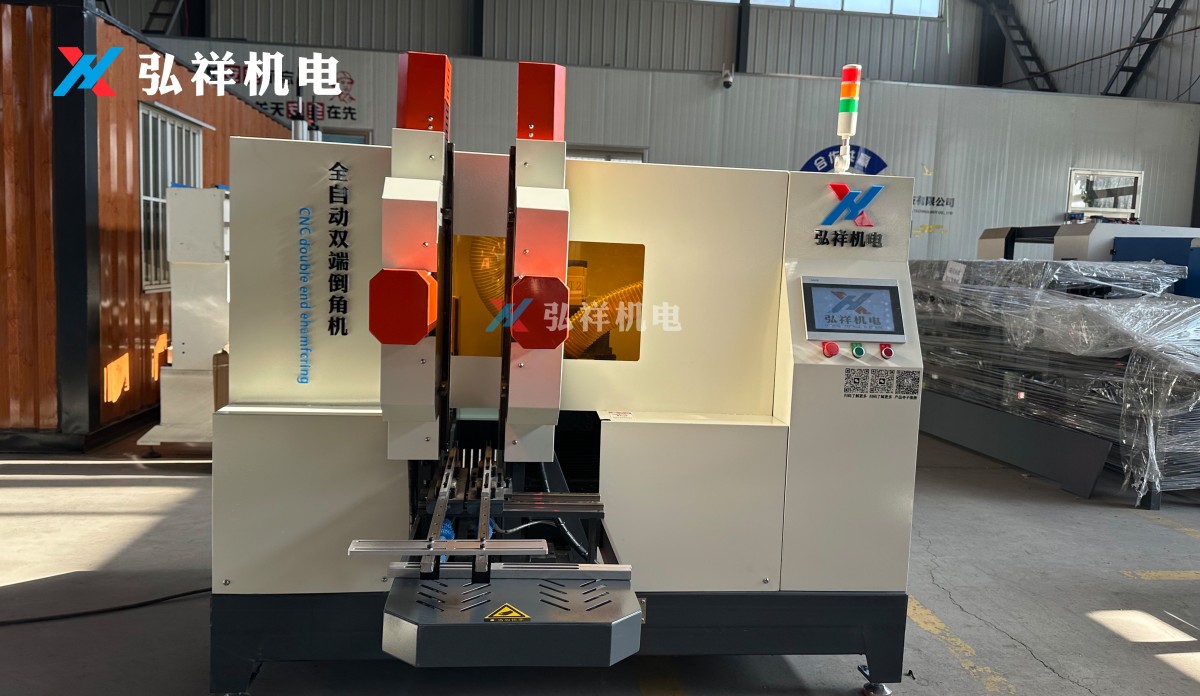
As global 2026 grid infrastructure projects ramp up, moisture resistance testing standards for electrical laminated cardboard—critical for transformer insulation integrity—are undergoing key updates. Gaomi Hongxiang Electromechanical Technology Co., Ltd., a leading provider of electrical laminated wood, special-shaped material cutting equipment, and precision CNC double-end chamfering machines, supports compliant manufacturing of iron yoke spacer blocks, ring cutting processing equipment, and head-and-tail shearing systems. With expertise spanning R&D, CNC Double-End Chamfering Machine integration, and EVA molding, we empower technical evaluators, procurement teams, and project managers to meet evolving IEC/GB specifications—ensuring reliability across transformers, insulating parts, and AI-driven special machine applications.
Why Moisture Resistance Testing Standards Matter for Transformer Insulation Manufacturing
Electrical laminated cardboard is not a generic paperboard—it’s a high-density, resin-impregnated composite engineered for dielectric strength, mechanical rigidity, and long-term stability in oil-immersed power transformers. Its performance directly impacts insulation system lifetime, especially under humid or condensing conditions common in tropical, coastal, and seasonal monsoon regions.
The 2026 update to IEC 60641-2 and GB/T 5654–2023 introduces stricter pass/fail thresholds for moisture absorption after 96-hour immersion (≤0.8% mass gain vs. prior ≤1.2%), accelerated aging cycles (1,000 hours at 105°C + 85% RH), and real-time tracking of surface resistivity decay. These changes reflect field data showing that 68% of premature transformer failures in Southeast Asia and India correlate with early-stage moisture ingress in laminated insulating components.
For manufacturers using CNC double-end chamfering machines or ring-cutting systems, dimensional stability during humidity exposure is equally critical. A 0.15mm swell tolerance at 90% RH is now mandatory for spacer blocks used in ±800kV UHV transformers—requiring precise raw material qualification before machining begins.
Key 2026 Standard Updates at a Glance
This table highlights how updated standards shift responsibility upstream—from final QA inspection to raw material selection, lamination process control, and pre-machining environmental conditioning. For enterprises deploying iron yoke spacer block production lines or automated ring-cutting equipment, compliance starts before the first cut.
How CNC Precision Equipment Integrates with Updated Moisture Compliance
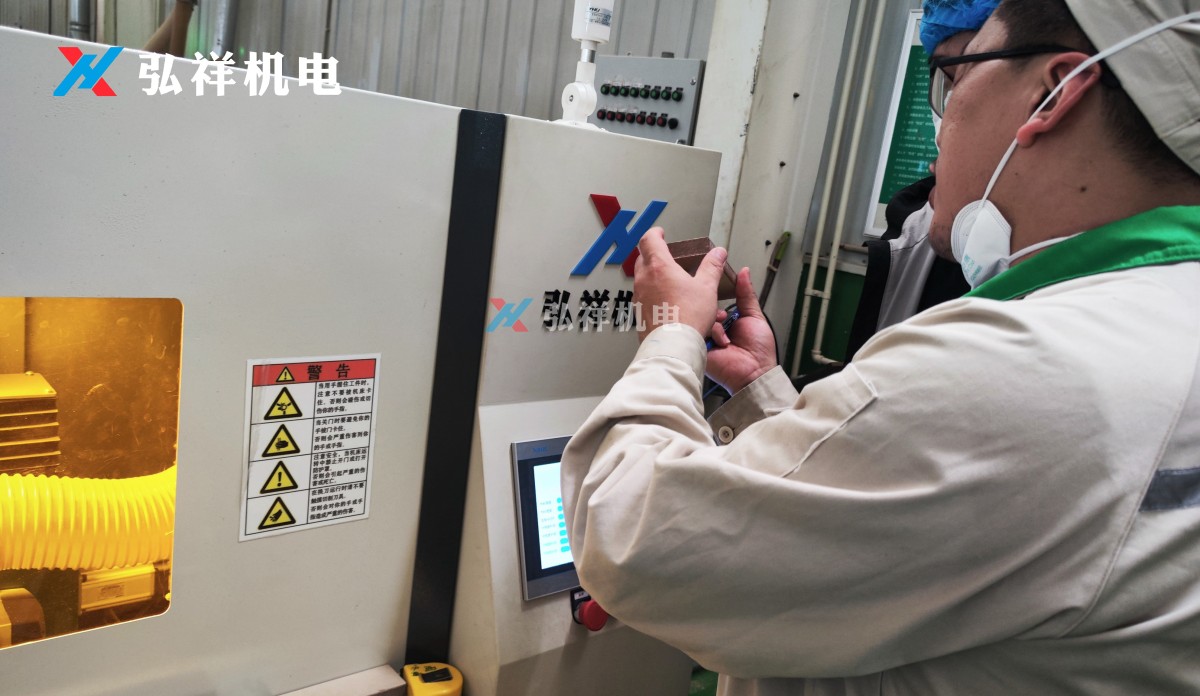
Precision machining doesn’t operate in isolation from material science. Our CNC double-end chamfering machines—designed specifically for laminated insulating wood and cardboard—feature programmable dwell time, adaptive feed rate compensation, and vacuum clamping to prevent micro-delamination during edge profiling. These capabilities become essential when working with low-moisture-absorption laminates that exhibit higher brittleness.
For example, our standard GDH-800 series chamfering system adjusts spindle speed between 3,200–4,800 rpm based on real-time thickness variance (±0.05mm tolerance), reducing chipping risk by 41% compared to fixed-speed alternatives. This directly supports compliance with GB/T 5654–2023 Clause 7.3.2 on edge integrity after humidity cycling.
Similarly, our ring-cutting processing equipment integrates laser-guided alignment and tension-controlled unwinding to maintain ±0.1mm concentricity across 300–1,200mm diameter blanks—critical for uniform oil flow paths in wound-core transformers where moisture entrapment often initiates at radial discontinuities.
- Pre-cut conditioning module: Maintains 23±1°C / 45±3% RH environment for 48–72h before feeding into CNC station
- In-process moisture monitoring: Integrated capacitive sensors log ambient RH every 30 seconds during operation
- Post-machining sealing protocol: Optional UV-cured epoxy edge sealant applicator (applies 12–18μm film within 2.3s)
Procurement Decision Framework for Electrical Laminated Cardboard Suppliers
When evaluating suppliers for 2026-compliant electrical laminated cardboard, technical and procurement teams must jointly assess five interdependent dimensions—not just price or lead time.
- Raw material traceability: Full batch-level documentation of base pulp origin, resin type (phenolic vs. epoxy-modified), and impregnation parameters (viscosity, temperature, dwell time)
- Lamination process control: In-line thickness measurement (±0.02mm), resin content verification (FTIR scan per 500m²), and thermal history logging
- Machinability validation: Published test reports on CNC tool wear rate, surface roughness (Ra ≤0.8μm after chamfering), and edge chipping incidence (<0.3% at 0.5mm radius)
- Environmental conditioning capability: On-site climate chambers meeting ISO 22000-grade stability (±0.5°C / ±2% RH) for pre-processing
- Certification readiness: Valid IEC 60641-2:2026 and GB/T 5654–2023 test reports issued by CNAS-accredited labs within last 6 months
Gaomi Hongxiang maintains all five criteria across our three product series—electrical insulating cardboard, insulating laminated wood, and EVA-molded insulating parts—and offers third-party audit support for customer certification submissions.
Why Choose Gaomi Hongxiang for 2026 Grid Infrastructure Projects
We don’t just supply materials—we engineer process-ready solutions for transformer manufacturers facing compressed timelines and elevated compliance demands. From prototype validation to full-scale production, our integrated service model includes:
- Free pre-compliance review: Submit your transformer design specs (voltage class, cooling type, ambient zone) for tailored material & machining recommendations
- Accelerated sample turnaround: Functional laminated cardboard samples with full 2026 test reports delivered in ≤7 working days
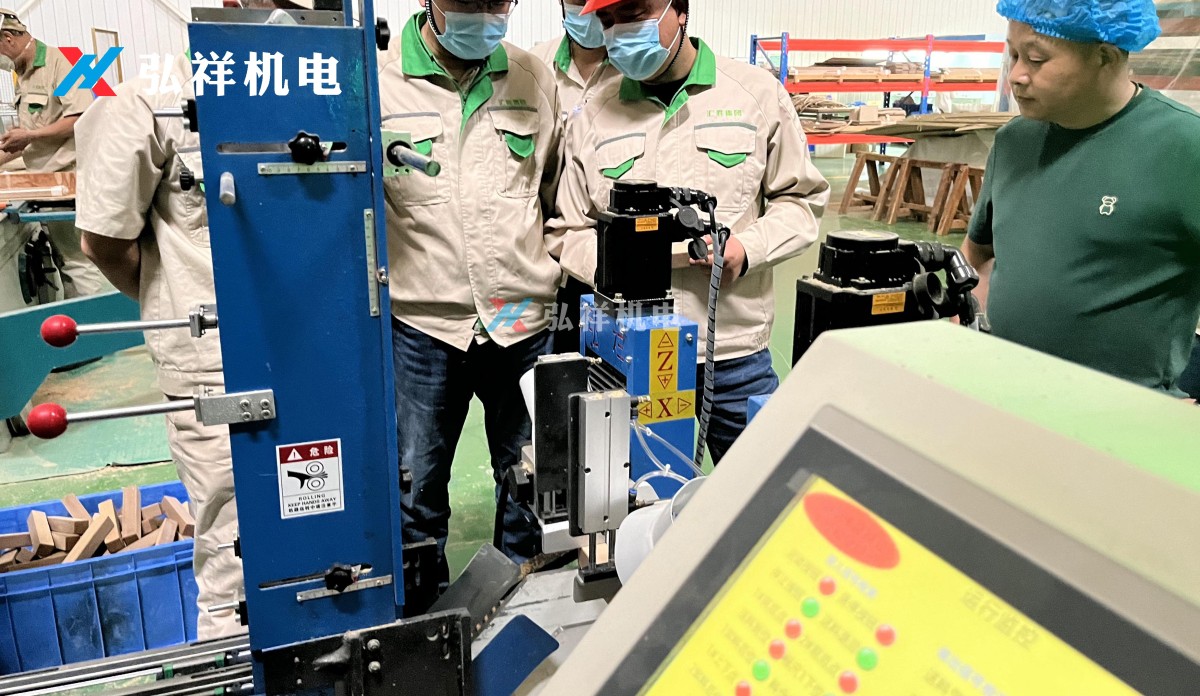
- Joint process validation: On-site or remote CNC parameter optimization for your specific chamfering/ring-cutting equipment
- Export-ready documentation: GB/IEC dual-certified test reports, bilingual COA, and customs-compliant packaging for shipments to India, Pakistan, Russia, Brazil, and ASEAN markets
Whether you’re sourcing for a 220kV substation upgrade in South America or developing AI-integrated special machines for smart-grid monitoring, our R&D-to-after-sales ecosystem ensures your insulation components meet 2026 requirements—without rework, delays, or compliance gaps.
Contact us today to request: (1) Material datasheets aligned with IEC 60641-2:2026, (2) CNC machining parameter templates for your equipment model, (3) Lead time and MOQ options for your target region, or (4) Support for your upcoming third-party audit preparation.
NAVIGATION
MESSAGE
Request A Quote?