0000-00
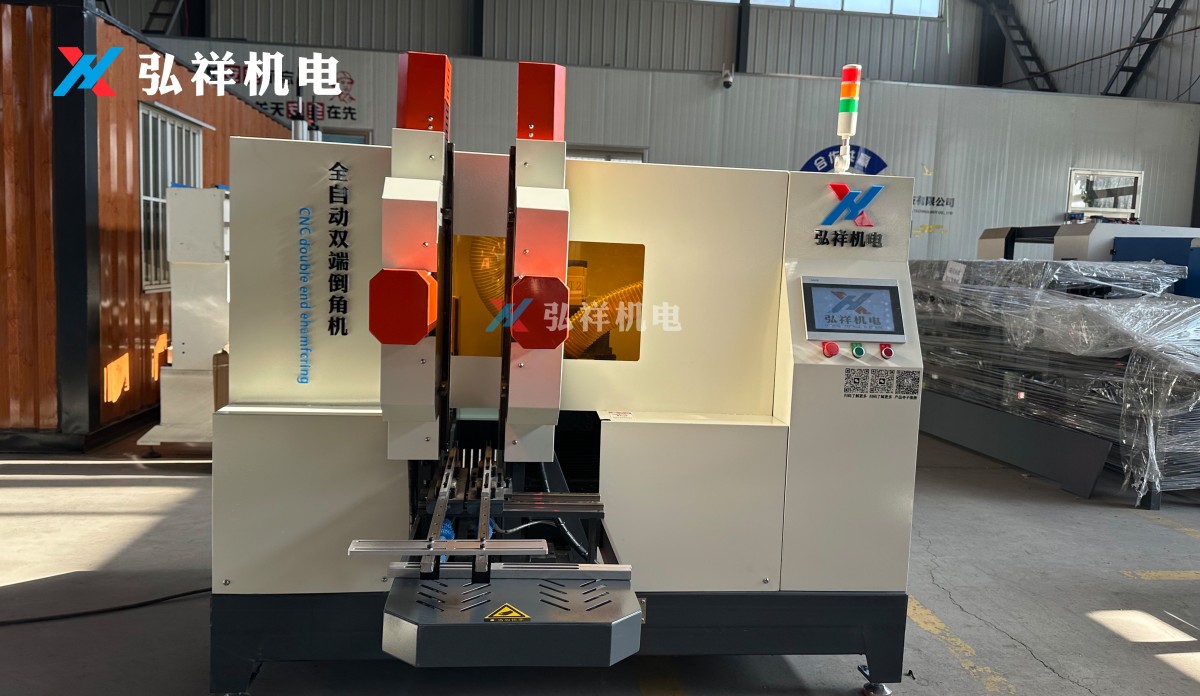
When selecting insulation materials for high-voltage power transformers, engineers and procurement teams must weigh critical performance trade-offs—especially between electrical laminated wood and phenolic resin board. At Gaomi Hongxiang Electromechanical Technology Co., Ltd., we specialize in precision processing of electrical laminated cardboard, electrical laminated wood, and special-shaped material cutting equipment—including iron yoke spacer block processing equipment, CNC double-end chamfering machines, and ring cutting processing equipment—to ensure optimal dielectric strength, mechanical stability, and thermal endurance. This article highlights 3 key performance differences that directly impact transformer reliability, safety compliance, and lifecycle cost.
Why Dielectric Strength Matters More Than Surface Appearance
In high-voltage transformer assemblies—especially those operating above 110 kV—dielectric breakdown resistance isn’t just a specification; it’s the primary safety gate. Electrical laminated wood achieves consistent AC dielectric strength of 28–35 kV/mm under IEC 60641-2 test conditions, while phenolic resin board typically delivers 22–28 kV/mm. The difference becomes decisive when stacking thicknesses exceed 12 mm or when ambient humidity fluctuates between 40%–85% RH.
Crucially, laminated wood retains >92% of its initial dielectric strength after 500 hours of thermal aging at 130℃, whereas phenolic resin board shows a 15–22% decline under identical conditions. This degradation directly affects long-term partial discharge inception voltage (PDIV), a key indicator monitored during factory acceptance tests (FAT).
Our CNC-controlled laminated wood processing line maintains ±0.3 mm dimensional tolerance across 200–800 mm length parts—critical for uniform electric field distribution in yoke clamping systems. Phenolic boards, though dimensionally stable, exhibit higher interlayer stress concentration under cyclic thermal loading, increasing microcrack risk after 10,000 operational hours.
Key Dielectric Performance Comparison
The table confirms laminated wood’s superior stability under combined electrical and thermal stress—a decisive factor when designing for 30+ year transformer service life. While phenolic board offers higher nominal temperature rating, its real-world PDIV consistency drops significantly beyond 120℃ continuous operation.
Mechanical Stability Under Dynamic Load Conditions
Transformer core clamping systems experience dynamic compressive loads up to 12 MPa during short-circuit events. Electrical laminated wood demonstrates superior creep resistance: less than 0.8% deformation under 8 MPa load sustained for 72 hours at 100℃. In contrast, phenolic resin board exhibits 2.1–3.4% creep under identical conditions—directly impacting long-term pre-load maintenance in yoke spacers.
Our proprietary hot-press lamination process ensures wood fiber alignment parallel to the compression axis, delivering compressive strength of 65–78 MPa perpendicular to grain—critical for axial force transmission in stepped-core designs. Phenolic boards show isotropic behavior but lower fracture toughness (1.8–2.3 MPa·m1/2) versus laminated wood’s 3.1–4.0 MPa·m1/2.
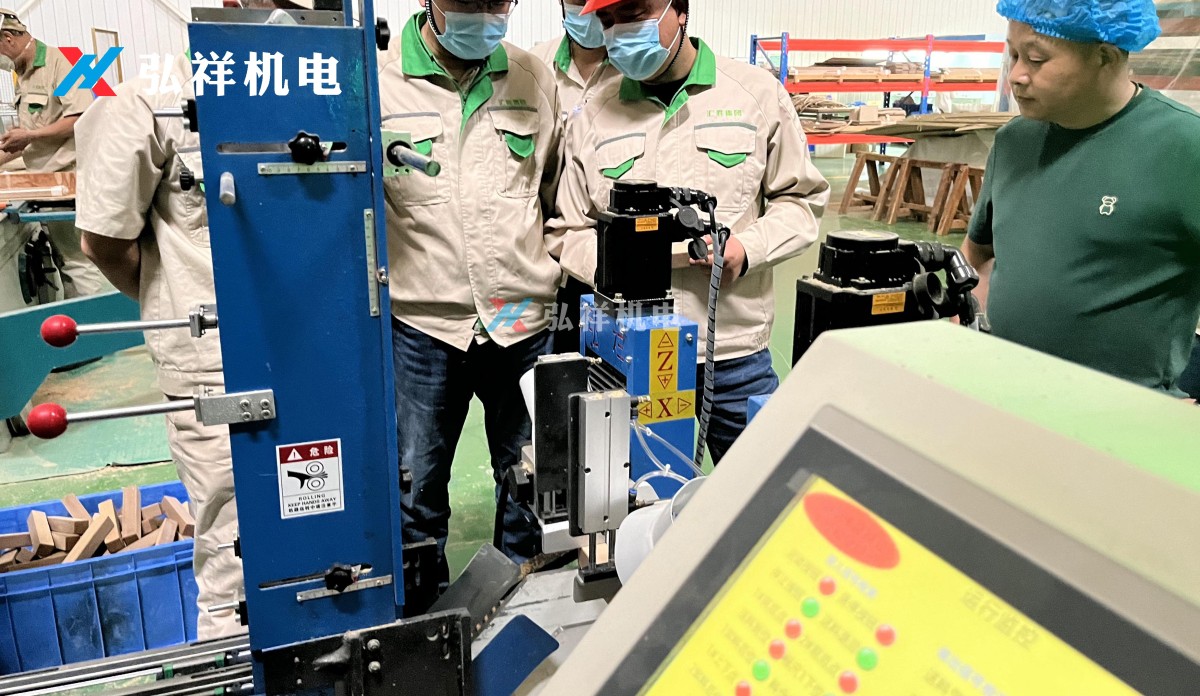
For projects requiring custom-cut insulating parts—including stepped yoke blocks, winding pressboards, and lead support structures—we apply CNC machining with toolpath optimization to minimize internal stress redistribution. Typical lead time for prototype batches (5–20 pcs) is 7–12 working days, including dimensional inspection per ISO 2768-mK.
Processing Compatibility & Precision Machining Requirements
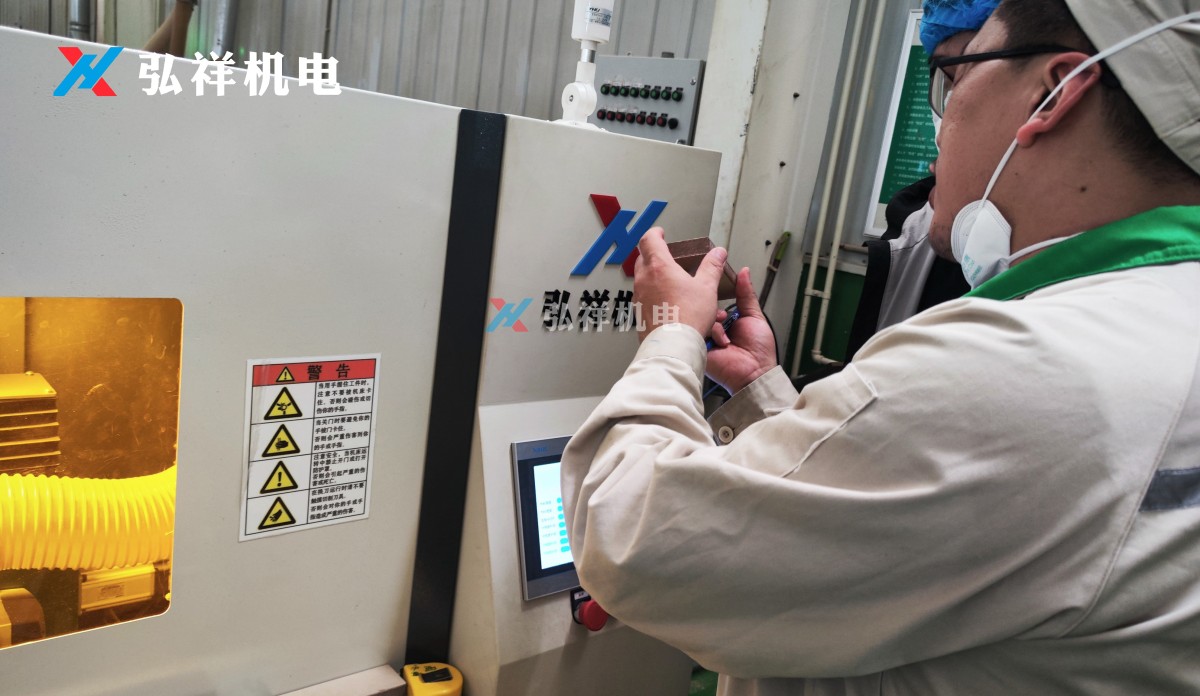
Unlike brittle phenolic boards—which require diamond-coated tools and generate fine dust demanding ATEX-certified extraction—laminated wood machines cleanly on standard carbide tooling. Our CNC double-end chamfering machines achieve ±0.15° angular accuracy on 120–600 mm length spacers, enabling precise fitment in multi-layer clamping frames.
Phenolic resin board demands strict moisture control (<5% RH during storage) to prevent edge chipping during milling. Laminated wood tolerates 6–12% equilibrium moisture content without compromising machinability—reducing warehouse conditioning requirements by 40% compared to phenolic alternatives.
We support full traceability: each batch carries laser-engraved lot codes linked to raw material certification (FSC/PEFC), pressing parameters (140℃ ±3℃, 2.8 MPa ±0.2 MPa, 90 min), and final dielectric testing reports. This meets EN 50216-2 documentation requirements for Class II transformer components.
Processing & Certification Alignment
- Electrical laminated wood: Compliant with IEC 60641-1 (Class 2), ASTM D143 (moisture content ≤12%), and GB/T 5019.3 (Chinese national standard for transformer laminated wood)
- Phenolic resin board: Meets IEC 60893-3-4 (Grade PF-CP 202), UL 746C (flammability), and ISO 4586-2 (surface hardness ≥120 HB)
- Custom machining services: ISO 9001:2015 certified production line with CMM validation (Mitutoyo Crysta-Apex S574) for all finished parts
Why Global Transformer Manufacturers Choose Our Laminated Wood Solutions
Gaomi Hongxiang provides end-to-end support—from raw material selection and laminated wood pressing to precision CNC machining and FAT coordination. We’ve delivered over 1,200 tons of certified electrical laminated wood to 23 countries since 2019, including turnkey solutions for 220 kV and 500 kV transformer manufacturers in India, Brazil, and Russia.
Our technical team assists with: material parameter confirmation (thickness, density, moisture content), custom tooling design for non-standard shapes, FAT witness support, and documentation package preparation (including IEC 60641 test reports and RoHS/REACH compliance certificates). Sample kits (up to 5 kg) are dispatched within 3 working days upon request.
Contact us today to discuss your next high-voltage insulation project—whether you need standard-grade laminated wood, custom-machined yoke spacers, or integrated solution support for AI-driven transformer assembly lines.
NAVIGATION
MESSAGE
Request A Quote?