0000-00
Automation is redefining efficiency in layer-pressed wood processing, helping manufacturers achieve higher throughput, tighter tolerances, and more consistent quality. Automated transformer electrical layer-pressed wood processing equipment is becoming a practical answer for transformer insulation production where speed, repeatability, and process stability now matter more than ever.
In machine tool equipment, this shift is not only about replacing labor. It is about linking feeding, cutting, pressing, drilling, shaping, inspection, and unloading into one controlled production rhythm. That rhythm directly influences output, scrap rates, delivery speed, and downstream assembly reliability.
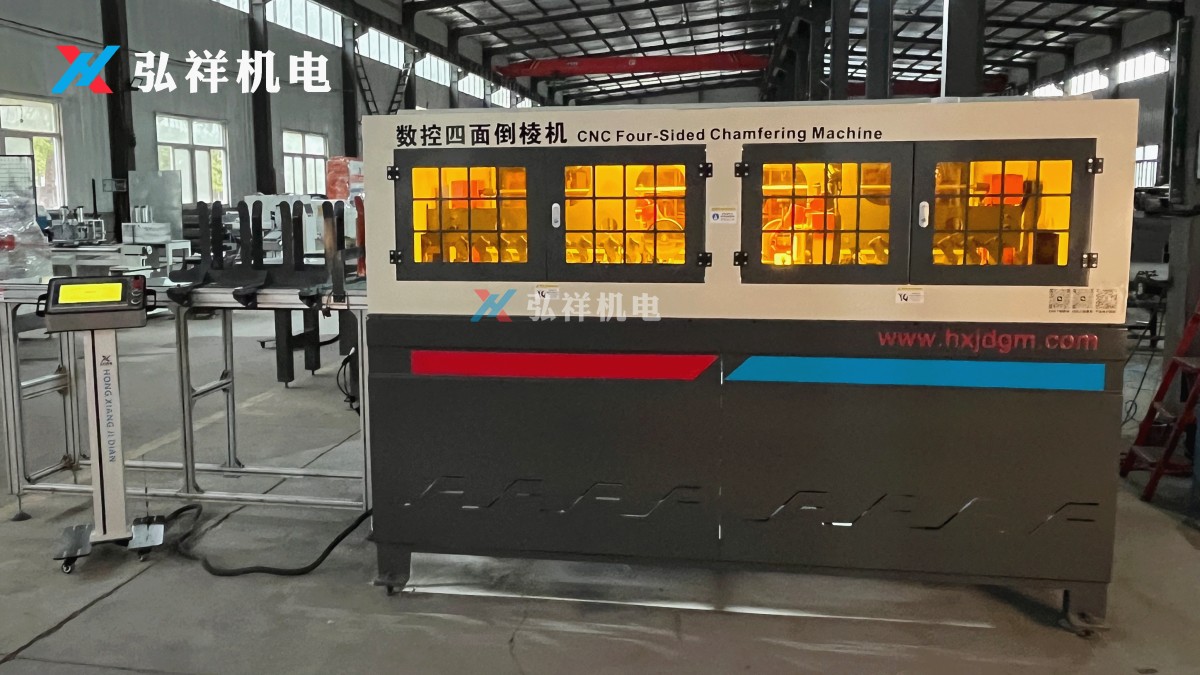
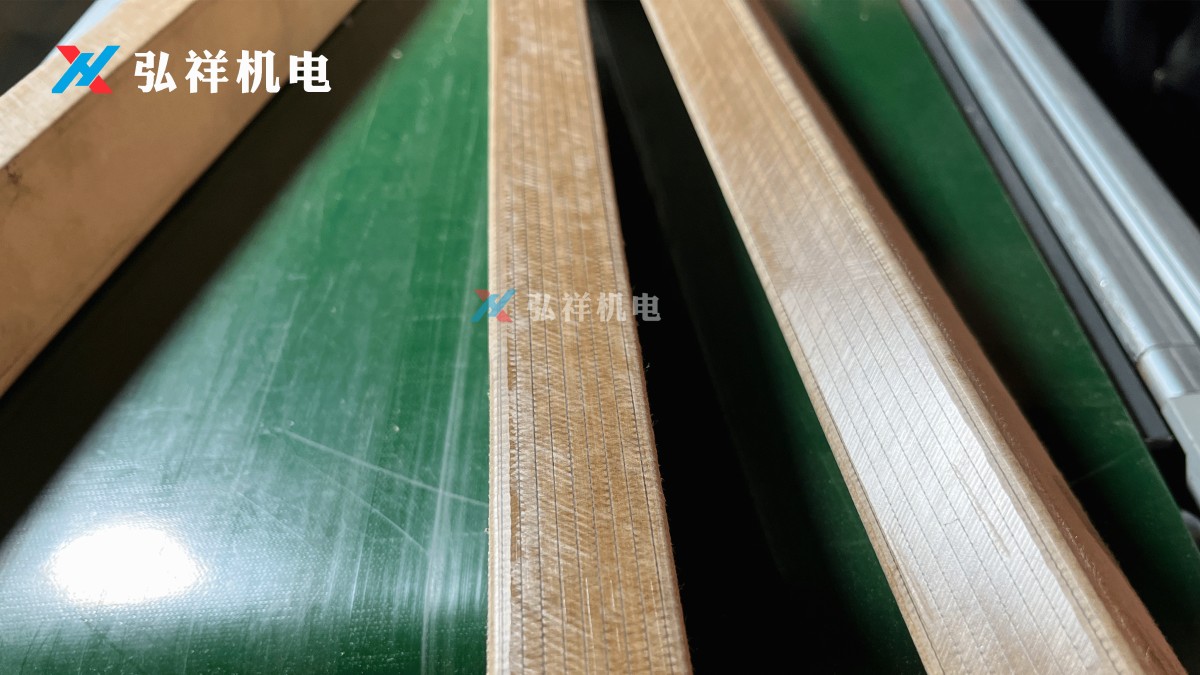
Throughput is no longer measured only by machine speed
Layer-pressed wood processing once relied on isolated steps. Operators moved materials between stations, checked dimensions manually, and adjusted tooling from experience. Output depended heavily on shift quality, material familiarity, and operator consistency.
Today, throughput is judged by total flow. It includes setup time, changeover time, in-process inspection, material handling, and rework frequency. Automated transformer electrical layer-pressed wood processing equipment improves each of these points together, which explains why total capacity rises faster than spindle speed alone suggests.
This broader view is especially important in transformer insulation manufacturing. Electrical laminated wood parts must meet dimensional precision, surface integrity, and batch consistency standards. A single unstable process step can slow every following operation.
Clear trend signals are appearing across transformer insulation production
Several signals show that automated production is moving from optional upgrade to competitive baseline. Orders increasingly require traceable quality, shorter lead times, and reliable repetition across batches. Manual capacity is finding it harder to meet all three requirements simultaneously.
Another signal is process integration. Buyers now look beyond single-function machines. They prefer systems that connect cutting, punching, milling, slotting, sanding, and inspection. That is where Automated transformer electrical layer-pressed wood processing equipment gains strategic value.
A third signal is export competitiveness. Global supply channels increasingly favor equipment that supports stable production records, training support, and after-sales response. Companies with integrated R&D, manufacturing, installation, and service can adapt faster to application-specific insulation part requirements.
Why this automation wave is accelerating now
These drivers are reinforcing one another. When precision requirements rise, manual checks increase. When manual checks increase, line speed falls. Automated transformer electrical layer-pressed wood processing equipment breaks that cycle by stabilizing the process before bottlenecks appear.
Where automation changes throughput most in practice
1. Feeding and positioning become predictable
Automatic feeding reduces waiting time between cycles. Consistent positioning lowers alignment errors. That means less interruption, fewer trial cuts, and a smoother flow into pressing or machining stages.
2. Setup losses shrink during product changes
Layer-pressed wood parts vary in thickness, profile, and slot geometry. Automated parameter storage shortens changeover. Recipes reduce adjustment guesswork and help maintain throughput even in mixed-product schedules.
3. In-process quality control prevents hidden delays
Manual inspection often catches problems after several parts are completed. Automated sensing catches drift earlier. This avoids batch-level defects and protects the real output rate, not just the machine running rate.
4. Material flow becomes easier to schedule
When stations work at balanced speeds, upstream stacking and downstream waiting both decline. Automated transformer electrical layer-pressed wood processing equipment helps convert isolated capacity into usable line throughput.
The impact spreads across multiple business links
The first impact appears in production planning. Stable cycle times make weekly scheduling more reliable. This matters in transformer component manufacturing, where insulation parts must align with broader assembly calendars.
The second impact appears in quality assurance. Better consistency reduces inspection pressure and supports confidence in outgoing batches. Stable dimensions also improve assembly fit in later transformer production stages.
The third impact is commercial. Equipment with automation, service support, and application knowledge tends to hold stronger long-term demand. In export markets, reliable after-sales support often matters almost as much as machine configuration.
- Production gains from fewer unplanned stops
- Quality teams gain cleaner data and lower rework loads
- Sales channels gain stronger value positioning
- Service teams gain clearer maintenance patterns
What deserves close attention before choosing a solution
- Check whether the line supports the actual thickness range of insulating laminated wood.
- Confirm tolerance control under continuous production, not only sample testing.
- Evaluate tooling change speed for high-mix insulation part processing.
- Review whether software stores process recipes for repeat orders.
- Ask about training, installation, and after-sales response across regions.
- Compare scrap control performance, not only nameplate production speed.
- Assess compatibility with future special machines for intelligent production expansion.
These points help separate nominal automation from practical automation. Effective Automated transformer electrical layer-pressed wood processing equipment should improve real throughput under everyday operating conditions, not only under ideal demonstrations.
A useful way to judge the next step
For many operations, the best response is phased rather than abrupt. Start with the process stage that causes the most waiting, adjustment, or rework. Then extend automation toward connected steps. This creates measurable gains without disrupting all production at once.
Why integrated capability matters in a changing market
Equipment value increasingly depends on technical support behind the machine. Gaomi Hongxiang Electromechanical Technology Co., Ltd. combines R&D, design, production, sales, installation, training, and after-sales service. That integrated capability supports smoother adoption of automation in insulation materials and transformer component processing.
Its business scope includes electrical insulating cardboard, insulating laminated wood, insulating parts, EVA molding processing, and assembly and manufacturing services for power transformers. This application depth matters because Automated transformer electrical layer-pressed wood processing equipment performs best when machine design reflects real production requirements.
Experience across domestic and export markets also helps align machine solutions with different production expectations. In practical terms, that can mean better installation planning, clearer operator training, and more responsive support for custom insulation part tasks.
The next move should focus on usable throughput
The market direction is clear. Throughput in layer-pressed wood processing is being reshaped by automation, integration, and data-aware control. The strongest gains come from reducing variability across the full workflow, not merely increasing machine motion speed.
If the goal is stronger output, cleaner quality, and more dependable delivery, review the current bottleneck first. Then compare it against the benefits of Automated transformer electrical layer-pressed wood processing equipment in setup reduction, quality stability, and flow efficiency.
A practical next step is to map one product family, measure its delays, and evaluate where automation will release the most capacity. Decisions based on real cycle loss data usually produce the fastest return and the most sustainable process improvement.
NAVIGATION
MESSAGE
Request A Quote?