0000-00
As transformer manufacturers face rising quality standards, labor costs, and delivery pressure, Automated transformer insulation cardboard processing equipment is reshaping how insulation cardboard is produced.
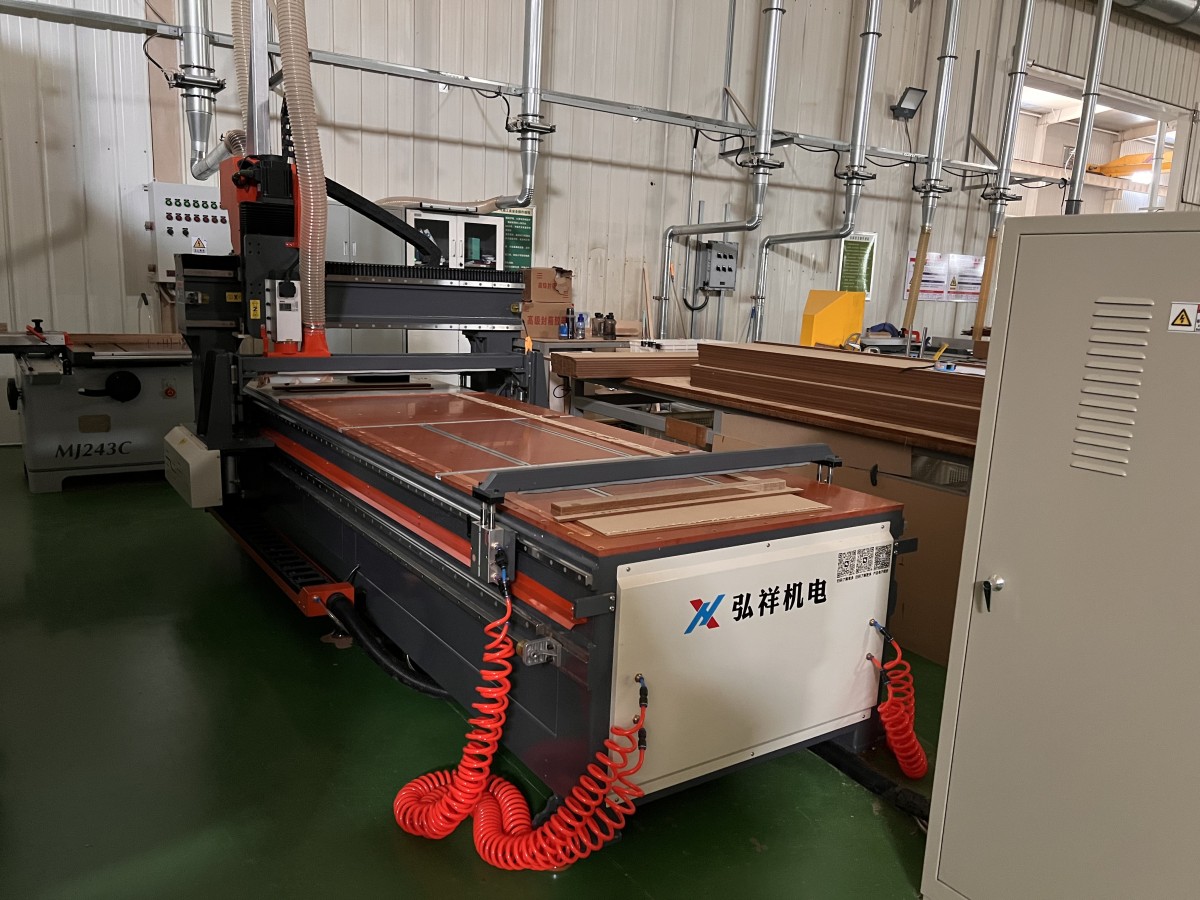
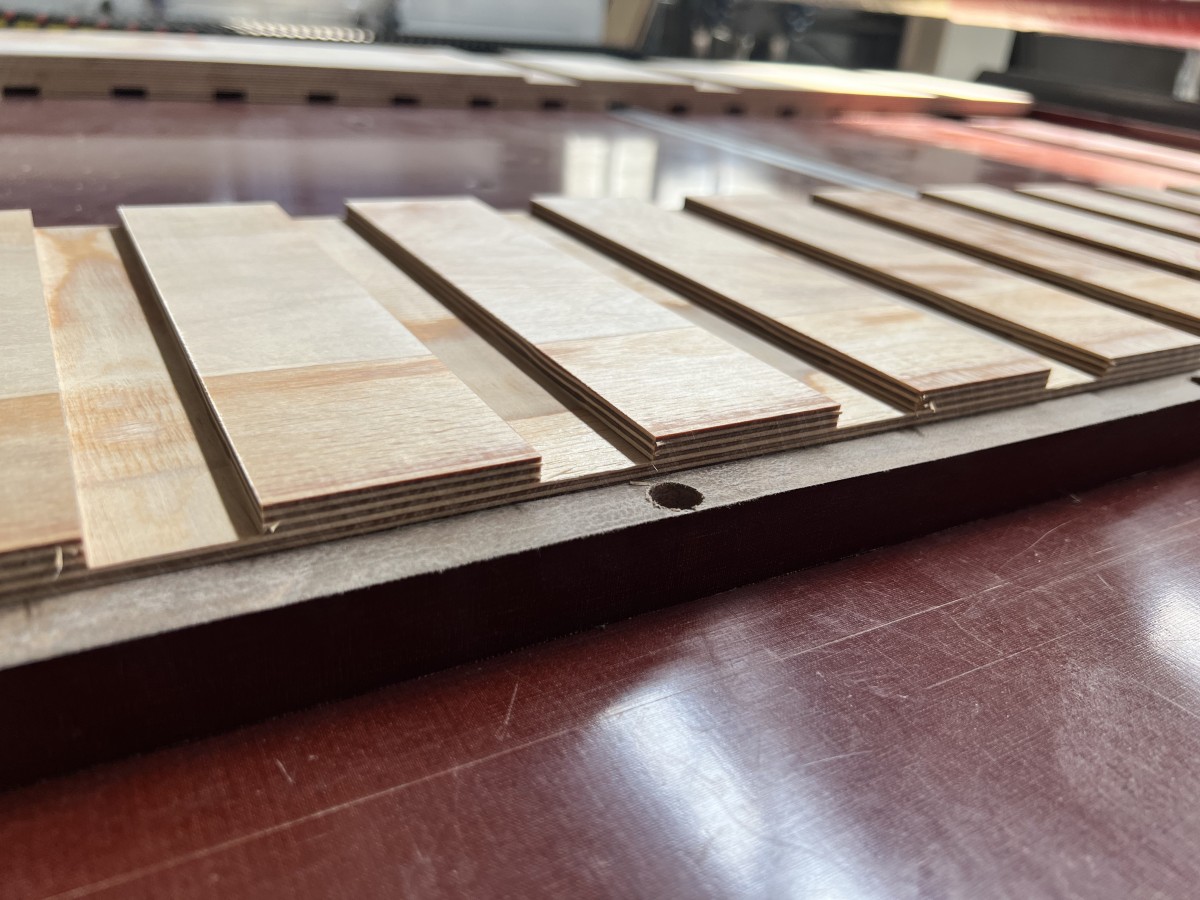
For business decisions, automation now means more than faster output. It improves dimensional accuracy, lowers scrap, stabilizes quality, and supports reliable transformer assembly schedules.
In machine tool equipment applications, this shift directly affects cutting, slotting, forming, drilling, feeding, and repeatable machining of insulation cardboard components.
What does automation change in transformer insulation cardboard production?
The biggest change is process consistency. Manual steps often depend on operator experience, while Automated transformer insulation cardboard processing equipment follows programmed parameters every cycle.
That consistency matters because transformer insulation parts must fit winding structures, oil channels, and assembly tolerances without repeated trimming on the shop floor.
Automation also connects separate machine tool tasks into one controlled workflow. Feeding, positioning, cutting, punching, and stacking can work as an integrated sequence.
This reduces handling errors. It also shortens the gap between design data and finished parts, which helps when production involves many specifications.
- More stable dimensional precision
- Lower waste from inaccurate manual cutting
- Faster batch switching for multiple part sizes
- Better traceability of process parameters
- Improved scheduling for transformer assembly lines
For companies producing insulating cardboard, laminated wood parts, and related insulation components, automation creates a stronger manufacturing base for export quality requirements.
Why is Automated transformer insulation cardboard processing equipment becoming essential?
Power transformer projects now demand shorter lead times and tighter quality documentation. Manual production can struggle when order volume and product variation increase together.
Automated transformer insulation cardboard processing equipment helps solve this by creating repeatable machine tool operations across shifts, operators, and product batches.
Another reason is labor structure. Skilled manual processing remains valuable, but availability, training time, and operator fatigue can limit scalable output.
Automation does not remove expertise. Instead, it transfers critical steps into controlled equipment settings, where accuracy depends less on individual variation.
Key operational benefits
- Reduced cycle time for standard parts
- Higher first-pass yield
- Cleaner edges and more uniform shaping
- Safer handling in repetitive processes
- More predictable production cost per piece
These advantages are especially useful when serving international transformer programs, where delivery reliability and dimensional repeatability directly affect downstream assembly quality.
Which production scenarios benefit most from automated processing?
Automated transformer insulation cardboard processing equipment is not only for very large factories. It becomes valuable whenever complexity, volume, or precision pressure rises.
One strong scenario is mixed-model production. If insulation cardboard parts vary frequently, digital parameter changes save time compared with repeated manual setup.
Another scenario is export-oriented manufacturing. Customers in Southeast Asia, South America, India, Pakistan, Russia, and other regions often require stable quality across repeated shipments.
Automation also supports factories expanding from parts supply to integrated transformer assembly services. Better process control upstream reduces fit issues later.
In short, the more demanding the order mix becomes, the more valuable automated machine tool control becomes for insulation cardboard production.
How should equipment be evaluated before investment?
Choosing Automated transformer insulation cardboard processing equipment should start with process matching, not just advertised speed.
First, review the part family. Thickness range, sheet size, slot geometry, edge quality, and hole accuracy all influence machine configuration.
Second, check flexibility. A machine that performs well on one standard item may not suit varied transformer insulation cardboard parts.
Third, assess process integration. Feeding, positioning, tooling change, dust handling, and stacking should support clean and stable operation.
Practical evaluation checklist
- Tolerance stability across long runs
- Compatibility with insulation cardboard grades
- Ease of programming and recipe storage
- Tool wear management and maintenance access
- Service support, training, and spare parts availability
- Potential integration with existing machine tool lines
It is also wise to request sample processing based on real drawings. Test data often reveals more than general brochures.
Gaomi Hongxiang Electromechanical Technology Co., Ltd. combines R&D, design, production, installation, training, and after-sales service, which matters during implementation.
What common risks and misconceptions should be avoided?
A common mistake is assuming any automated system will immediately solve output problems. Poor process planning can still limit machine performance.
Another misconception is that automation only concerns speed. In insulation cardboard processing, quality repeatability and controlled material handling are equally important.
Some operations underestimate tooling and maintenance. Even advanced Automated transformer insulation cardboard processing equipment needs proper upkeep for stable output.
There is also a risk in ignoring operator training. Automated systems still require skilled supervision, parameter control, and inspection discipline.
Avoiding these issues helps automation deliver measurable gains instead of creating hidden production bottlenecks.
How do cost, payback, and implementation usually compare with manual processing?
Manual processing often seems cheaper at first because equipment investment is lower. However, total cost should include labor, scrap, rework, delivery delay, and inspection burden.
Automated transformer insulation cardboard processing equipment typically improves the cost picture where demand is stable, product precision is strict, or rework is expensive.
Payback usually depends on three factors: batch frequency, material savings, and reduction in nonconforming parts. These often matter more than pure output speed.
Implementation can be phased. Some factories begin with one core automated machine tool process, then expand into linked processing cells.
Manual versus automated comparison
A realistic business case should compare yearly order mix, defect cost, lead time penalties, and future export requirements.
FAQ summary: what should be reviewed before taking the next step?
Automation is changing transformer insulation cardboard output by making machine tool processing more repeatable, efficient, and scalable.
When evaluated carefully, Automated transformer insulation cardboard processing equipment supports stronger quality control, reduced waste, and smoother transformer assembly operations.
The next practical step is to review real production drawings, current defect points, and target output goals, then compare them with suitable automated process solutions.
NAVIGATION
MESSAGE
Request A Quote?