0000-00
As power infrastructure expands and transformer standards rise, demand is rapidly reshaping the machinery behind insulation manufacturing. Transformer electrical layer-pressed wood processing equipment for power industry is becoming a critical investment for companies seeking higher precision, stable output, and faster delivery. For enterprise decision-makers, understanding this shift is essential to improving production efficiency, meeting technical requirements, and staying competitive in a changing global market.
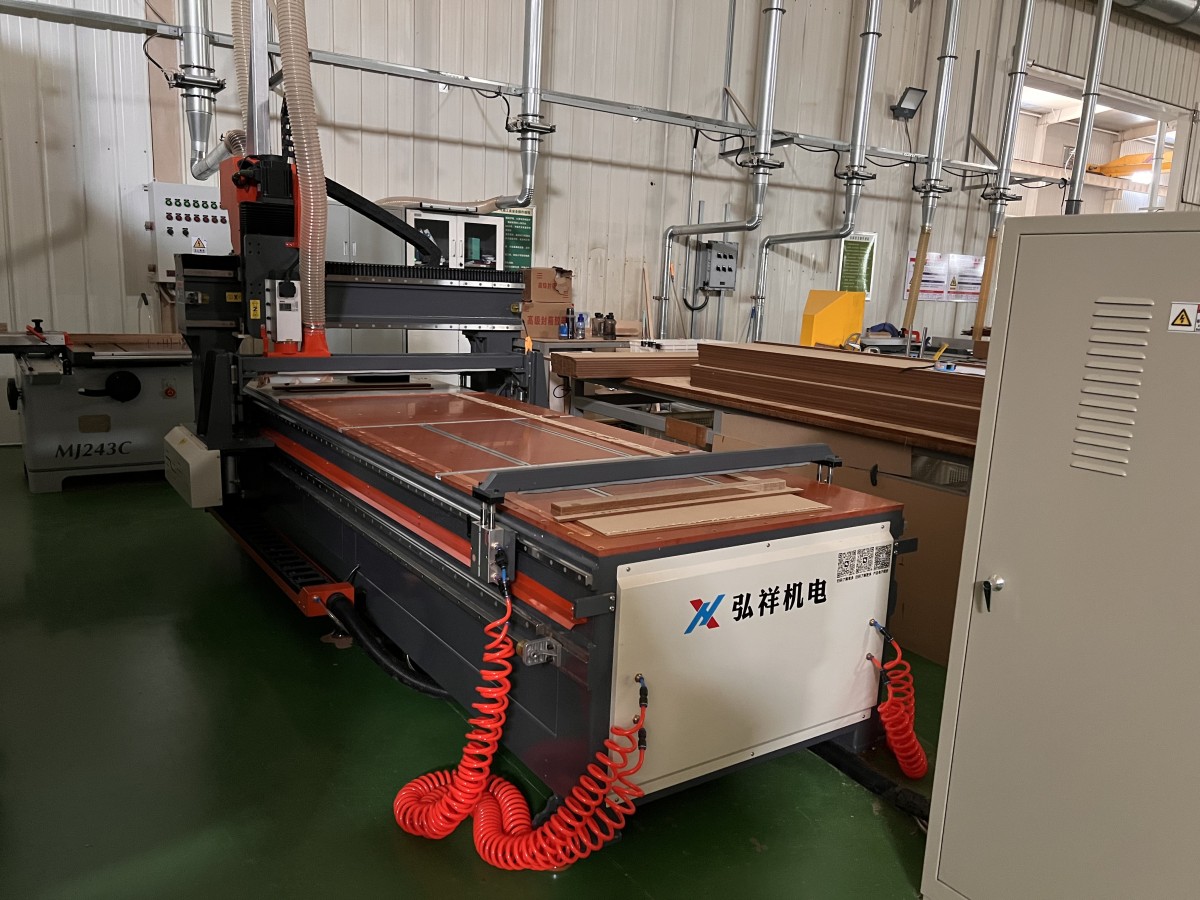
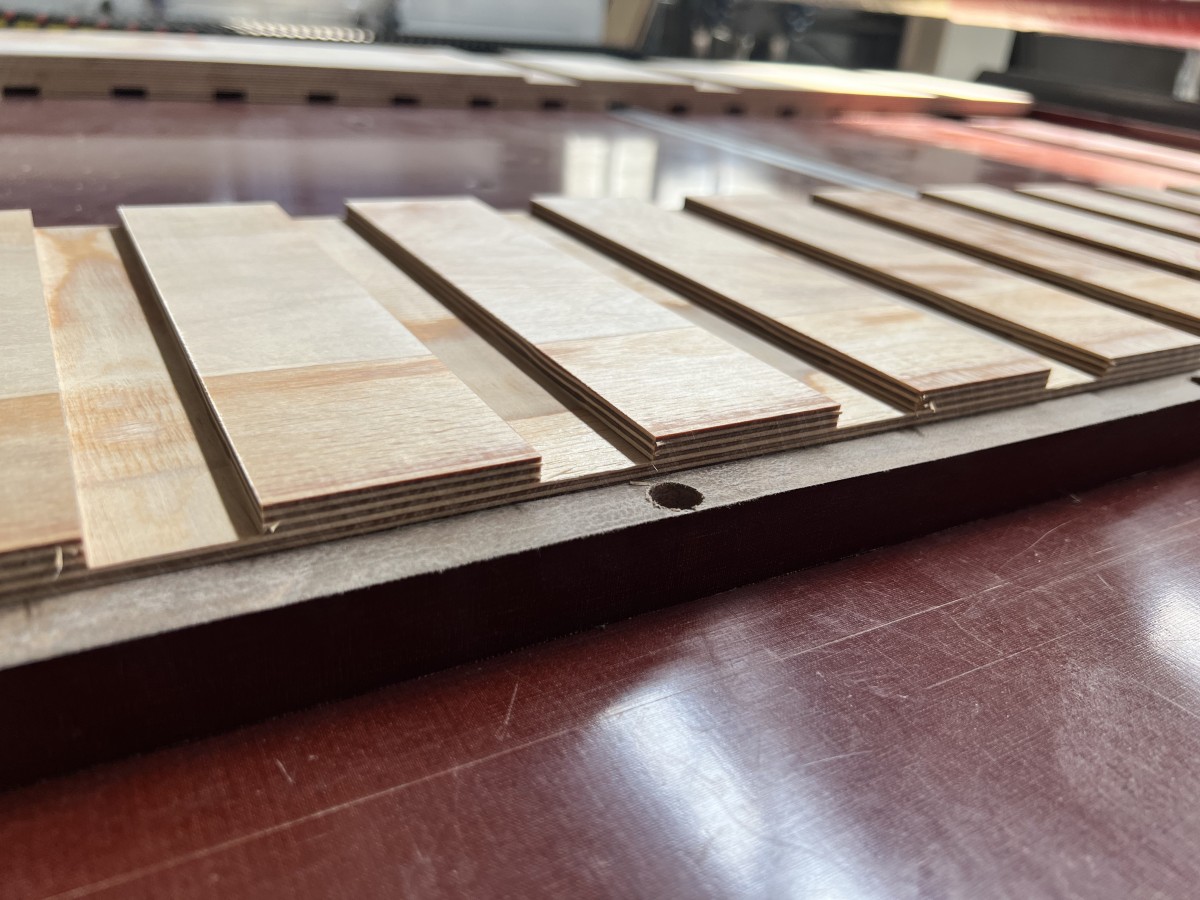
Why Power Industry Demand Is Forcing Equipment Upgrades
The core search intent behind this topic is practical, not academic. Decision-makers want to know how rising power industry demand is changing equipment requirements, what this means for investment timing, and which machine capabilities now matter most.
For companies involved in transformer insulation manufacturing, the answer is clear. Demand growth is not only increasing order volume, but also raising expectations for dimensional accuracy, batch consistency, process stability, and lead-time control across the entire production chain.
In the past, some manufacturers could remain competitive with conventional machines and labor-dependent workflows. That model is becoming less reliable as transformer makers face stricter electrical performance requirements, faster project schedules, and greater pressure to standardize quality.
This is especially true for businesses producing electrical insulating cardboard, laminated wood, and custom insulating parts. Small process deviations in these materials can affect downstream transformer assembly, product qualification, and long-term operating safety.
As a result, transformer electrical layer-pressed wood processing equipment for power industry is no longer a simple workshop asset. It is increasingly a strategic tool for capacity expansion, quality assurance, and customer retention in a market where technical reliability matters.
What Enterprise Decision-Makers Care About Most
Senior buyers and plant leaders usually do not start with machine specifications. They start with business questions: Will this equipment reduce quality risk, support larger orders, shorten delivery cycles, and improve profitability without creating excessive operational complexity?
That perspective is important because power industry demand can create growth and pressure at the same time. A factory may receive more opportunities, but weak equipment capability can quickly turn those opportunities into bottlenecks, rework, delivery delays, or customer complaints.
The most common concerns typically include whether the machine can handle precise layer-pressed wood processing, whether output is stable across long production runs, and whether changeover is efficient for varied part sizes and technical specifications.
Decision-makers also care about labor dependency. If performance depends too heavily on operator experience, scaling production becomes difficult. Modern equipment is expected to convert skilled manual judgment into repeatable process control that supports both quality and productivity.
Another major concern is investment risk. Enterprises want to avoid buying equipment that looks advanced on paper but does not fit actual material characteristics, customer requirements, factory layout, workforce capability, or future product expansion plans.
How Transformer Standards Are Raising the Bar for Processing Equipment
Growth in the power sector is closely tied to higher standards in transformer manufacturing. Utilities, industrial users, and infrastructure developers increasingly expect transformers to deliver stronger reliability, longer service life, and better performance under demanding operating conditions.
These expectations place more pressure on insulation systems. Electrical layer-pressed wood components must meet tighter tolerances, maintain structural integrity, and support consistent insulation performance throughout the transformer’s operating life.
That is why equipment selection now has direct technical consequences. Machines used in cutting, shaping, pressing, drilling, slotting, trimming, and finishing must produce accurate parts without introducing defects that compromise fit, bonding, or insulating behavior.
Even when raw material quality is good, weak processing control can create uneven surfaces, dimensional variation, edge damage, or assembly mismatch. In high-value transformer applications, these issues increase inspection costs and may threaten final product qualification.
For this reason, equipment is being evaluated not only by output speed, but by its ability to protect material properties, maintain repeatability, and support strict manufacturing discipline from one batch to the next.
What Capabilities Matter Most in Transformer Electrical Layer-Pressed Wood Processing Equipment for Power Industry
When evaluating transformer electrical layer-pressed wood processing equipment for power industry, buyers should focus on performance characteristics that directly influence production results. Precision, stability, adaptability, and maintainability usually matter more than headline speed alone.
Precision is fundamental. The equipment must achieve consistent dimensional control, especially for parts used in tightly specified transformer assemblies. Repeatable positioning, reliable tooling behavior, and controlled processing paths help reduce mismatch and secondary correction work.
Stability is equally important. A machine that performs well for short runs but drifts during extended production can become a hidden cost center. Stable output protects delivery schedules and reduces uncertainty in capacity planning.
Material adaptability also deserves attention. Different grades, thicknesses, and structural formats of insulating laminated wood or pressed components may behave differently during machining. Equipment should be matched to actual processing conditions, not generic assumptions.
Ease of operation and maintenance should not be underestimated. If the system is difficult to program, troubleshoot, or service, utilization may fall below expected levels. For most factories, practical uptime creates more value than theoretical maximum performance.
Finally, integration capability matters more than before. Enterprises increasingly benefit from equipment that can fit into a coordinated manufacturing process, including upstream material preparation and downstream assembly or inspection workflows.
How Better Equipment Improves Business Performance Beyond the Workshop
Equipment upgrades in insulation manufacturing are often justified by production efficiency, but the business impact extends much further. Better machines improve delivery confidence, quotation accuracy, customer trust, and the company’s ability to accept more demanding orders.
For example, stable dimensional quality reduces the need for repeated inspection, rework, and internal coordination. That lowers hidden labor costs and frees technical staff to focus on process improvement rather than solving recurring preventable issues.
Faster and more predictable production also strengthens commercial responsiveness. When a factory can estimate lead times accurately, sales teams can negotiate with greater confidence and avoid overpromising under pressure from large customers or urgent projects.
Quality consistency is especially valuable for export-oriented enterprises. Customers in Southeast Asia, South America, India, Pakistan, Russia, and other overseas markets may have different project contexts, but all expect stable product performance and reliable supplier execution.
In that sense, equipment capability supports brand value. Enterprises that consistently deliver qualified insulating parts on time are better positioned to become long-term partners rather than interchangeable low-cost suppliers.
How to Judge Return on Investment More Realistically
Many equipment decisions fail because ROI is calculated too narrowly. If the analysis only compares machine price with direct labor savings, the result may underestimate the true value or overlook important risks tied to production quality and delivery performance.
A better approach is to evaluate several dimensions together: expected output growth, scrap reduction, rework reduction, improved tolerance consistency, lower dependence on highly experienced operators, shorter delivery cycles, and stronger ability to win higher-value orders.
Decision-makers should also estimate the cost of not upgrading. In a rising-demand market, outdated equipment may lead to missed orders, delayed shipments, unstable product quality, and reduced customer confidence. These losses are real even when they are not easy to measure immediately.
Another practical factor is capacity elasticity. New equipment should not only solve current bottlenecks, but also create room for future product variation or increased order complexity. A slightly higher initial investment may produce better long-term economics if flexibility is stronger.
When viewed this way, the right machine is not merely an expense. It becomes an enabling asset that improves operational resilience and expands strategic options as market requirements continue to evolve.
Common Risks When Selecting Wood Insulation Processing Equipment
One common mistake is buying based on generic machine categories rather than actual transformer insulation requirements. Not all wood processing equipment is suitable for electrical layer-pressed wood, where precision, cleanliness, and process consistency have specialized importance.
Another risk is overemphasizing low purchase price. Lower-cost machines may appear attractive during procurement, but if they create unstable output, frequent downtime, poor tooling performance, or higher scrap rates, total ownership cost can rise quickly.
Some enterprises also underestimate application support. Even good equipment may underperform if process setup, installation, operator training, and after-sales service are weak. For decision-makers, supplier capability should be evaluated as carefully as machine capability.
There is also the risk of underplanning for integration. A standalone machine may perform well individually, yet still fail to improve factory efficiency if workflow, material handling, scheduling, and inspection arrangements are not aligned around the new process.
Finally, buyers should avoid assuming that current demand patterns will remain unchanged. Equipment should be selected with enough adaptability to support future transformer specifications, market expansion, and product diversification.
What to Ask a Supplier Before Making a Purchase Decision
Decision-makers can reduce uncertainty by asking focused questions. First, can the supplier demonstrate experience in power transformer insulation manufacturing rather than only in general machine building? Industry-specific understanding often leads to better equipment matching.
Second, what materials and part types has the equipment been designed to process? Buyers should verify compatibility with electrical insulating cardboard, insulating laminated wood, and custom insulating components that reflect their own production mix.
Third, how is precision maintained during continuous operation? This helps reveal whether the machine is suitable for real production conditions instead of only ideal demonstration scenarios. Reliability under sustained load matters more than isolated test performance.
Fourth, what installation, training, and after-sales support are available? Equipment value depends heavily on implementation quality. A supplier that can support commissioning, operator training, process optimization, and long-term maintenance reduces business risk significantly.
Fifth, how easily can the equipment be adapted for future requirements? As customers request different dimensions, structures, or production volumes, flexibility becomes an important part of investment protection.
Why Integrated Manufacturing Support Is Becoming More Valuable
In this market, machinery buyers increasingly prefer partners who understand the broader production environment. Equipment alone does not guarantee results. Better outcomes come from combining machine design with process knowledge, installation support, training, and responsive service.
For manufacturers serving transformer production, this integrated approach is particularly valuable because insulation materials and parts are linked closely to downstream assembly quality. Process errors upstream can multiply in cost later if they affect fit or electrical performance.
Companies such as Gaomi Hongxiang Electromechanical Technology Co., Ltd. operate in this more integrated direction, combining R&D, design, production, sales, installation, training, and after-sales service with assembly and manufacturing services for power transformers.
That type of capability matters to enterprise buyers because it reduces coordination burden. Instead of managing separate vendors for machinery, process adjustment, and technical support, decision-makers can work with a partner that understands both equipment and application outcomes.
For growing manufacturers, this can accelerate implementation and shorten the learning curve, especially when introducing specialized equipment for insulating cardboard, laminated wood, and insulation part processing in a competitive delivery environment.
How the Market Is Likely to Evolve Next
The current shift is not temporary. As grid expansion, industrial electrification, renewable integration, and infrastructure modernization continue, transformer demand is likely to remain a strong driver of insulation material and equipment investment.
At the same time, customer expectations will continue moving upward. Buyers will increasingly favor suppliers that can demonstrate repeatable quality, efficient production, reliable lead times, and the ability to support technical customization without sacrificing consistency.
This means equipment competition will move beyond simple mechanization. The next stage will focus more on precision manufacturing, intelligent control, process integration, and machines designed specifically for electrical insulation applications rather than broad wood processing uses.
Enterprises that invest early and wisely can build stronger positions in quality-sensitive market segments. Those that delay too long may find themselves competing mainly on price while facing rising operational pressure from more capable rivals.
Conclusion: A Strategic Equipment Decision, Not a Routine Purchase
Power industry demand is reshaping insulation manufacturing in a direct and measurable way. For enterprise decision-makers, the main takeaway is straightforward: equipment for transformer electrical layer-pressed wood processing now has strategic importance across quality, capacity, cost control, and market competitiveness.
The best purchasing decisions will come from linking machine selection to real production goals, customer requirements, and long-term business plans. Precision, stability, application fit, service support, and future adaptability should guide evaluation more than price alone.
For companies aiming to grow in transformer-related manufacturing, upgrading the right equipment is not simply about producing faster. It is about producing more reliably, reducing risk, and building the operational foundation needed to win in a more demanding global market.
NAVIGATION
MESSAGE
Request A Quote?