0000-00
How Transformer Core Energy-Saving Impacts Long-Term Operating Cost
For machine tool and power equipment operations, transformer core energy-saving is no longer a minor engineering detail.
It affects electricity spending, system stability, maintenance planning, and the real payback period of capital equipment.
As energy prices rise, idle losses that once seemed acceptable become a visible cost line.
That is why transformer core energy-saving now matters in both procurement and long-range manufacturing strategy.
In practical terms, a better core reduces no-load loss, helps control temperature rise, and supports consistent output quality.
Over years of operation, those gains can exceed the initial price difference by a wide margin.
Why Core Loss Becomes a Long-Term Cost Driver
Transformer operating cost is not limited to purchase price, transport, and installation.
A large share appears later through energy loss, heat management, downtime risk, and maintenance intervention.
Among these factors, no-load loss is especially important because it occurs whenever the transformer is energized.
Even during low production periods, the core still consumes energy.
This makes transformer core energy-saving highly relevant for facilities running multiple shifts or continuous processes.
From a cost perspective, the issue is simple.
Small efficiency differences, repeated every hour, become large budget differences over ten or fifteen years.
The hidden impact of no-load loss
No-load loss mainly comes from the magnetic behavior of the core material.
If the core design is outdated, those losses stay present day and night.
For plants with fluctuating machine tool loads, this is often overlooked during early budgeting.
A lower-loss core creates savings whether production is at full speed or temporarily reduced.
Why heat matters to operating economics
Energy loss turns into heat, and heat rarely stays isolated.
It raises enclosure temperature, stresses insulation systems, and can shorten component life.
More cooling demand also means more auxiliary energy use.
So transformer core energy-saving improves cost control both directly and indirectly.
How Transformer Core Energy-Saving Improves Total Cost of Ownership
Procurement teams often compare quotation totals first.
However, the more useful metric is total cost of ownership across the full service life.
This is where transformer core energy-saving becomes financially visible.
A slightly higher upfront investment may reduce annual energy consumption for many years.
That changes the return profile of the asset.
- Lower no-load loss reduces fixed electricity expense.
- Lower temperature rise helps preserve insulation performance.
- Better efficiency can support stable voltage behavior in sensitive equipment environments.
- Reduced stress may lower failure frequency and unplanned service events.
- Longer service life improves the value of the original investment.
In a machine tool facility, that means more than lower utility bills.
It can also mean fewer interruptions in precision machining, automation lines, and auxiliary systems.
When production schedules are tight, reliability savings are often as important as energy savings.
A simple decision framework
A practical comparison should include more than rated capacity and purchase price.
It should review expected operating hours, local electricity tariffs, loading pattern, cooling conditions, and maintenance history.
This reveals the real value of transformer core energy-saving in a specific plant context.
Key Technical Factors Behind Better Core Efficiency
Not all energy-saving claims deliver the same result.
Core performance depends on material selection, manufacturing accuracy, and assembly quality.
This is why supplier capability matters as much as design intent.
In real projects, weak process control can erase the expected benefits.
Core material and magnetic performance
High-quality magnetic steel helps reduce hysteresis and eddy current loss.
Consistent material properties also make performance more predictable across batches.
For buyers, this means less risk between prototype performance and mass production delivery.
Lamination processing and assembly precision
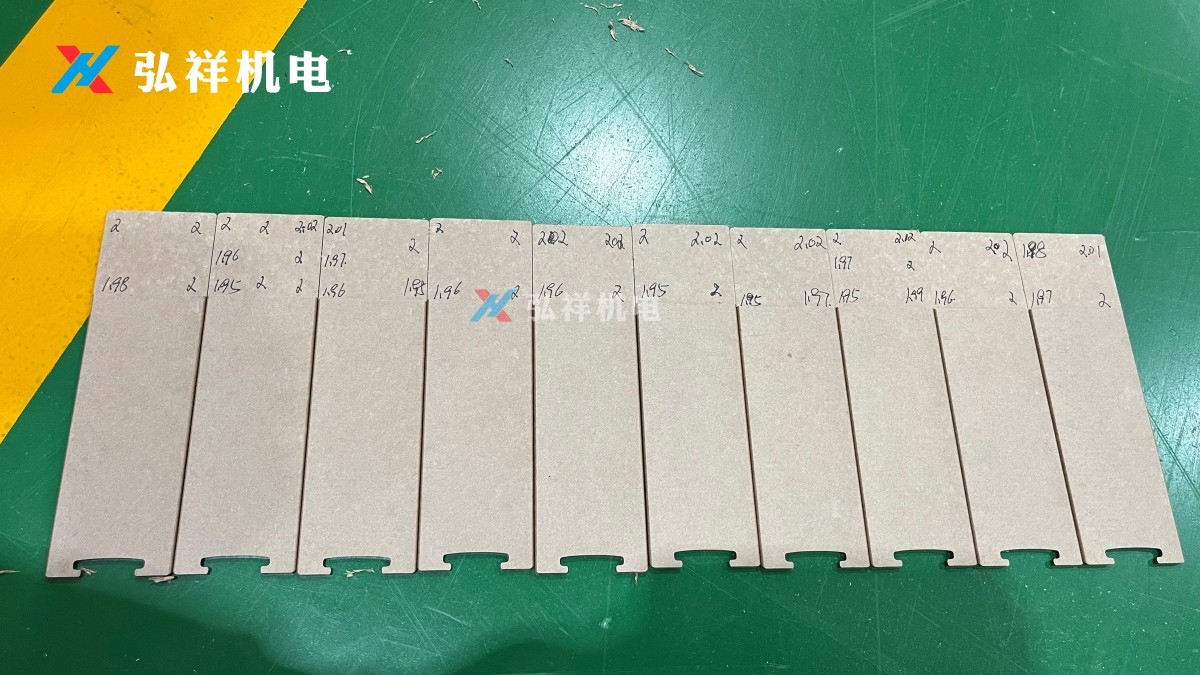
Cutting accuracy, stacking quality, and joint design all influence magnetic circuit loss.
Poor alignment may increase vibration, noise, and localized heating.
That is why transformer core energy-saving must be supported by disciplined manufacturing processes.
Insulation support and structural stability
Core efficiency is linked to surrounding insulation and structural parts.
Reliable insulating cardboard, laminated wood, and precision insulating parts support thermal endurance and mechanical consistency.
These details help energy-saving designs remain stable over long operating cycles.
What Buyers Should Check Before Choosing an Energy-Saving Transformer Core
A good purchasing decision balances technical data, production needs, and supplier execution strength.
This is especially important when the transformer supports critical machine tool equipment or automated manufacturing lines.
A structured checklist reduces selection risk.
- Ask for verified no-load loss and load loss data under defined test conditions.
- Review whether the design suits actual load cycles, not only rated conditions.
- Check insulation materials and structural components that affect durability.
- Confirm manufacturing consistency and quality control capability.
- Evaluate after-sales support, training, and installation coordination.
- Estimate lifecycle savings instead of relying only on initial quotation gaps.
This process helps separate real transformer core energy-saving value from simple marketing language.
It also creates a clearer basis for internal approval and budget justification.
Supplier capability affects long-term value
A reliable manufacturing partner contributes far beyond component supply.
Integrated support in design, production, installation, training, and after-sales service lowers execution risk.
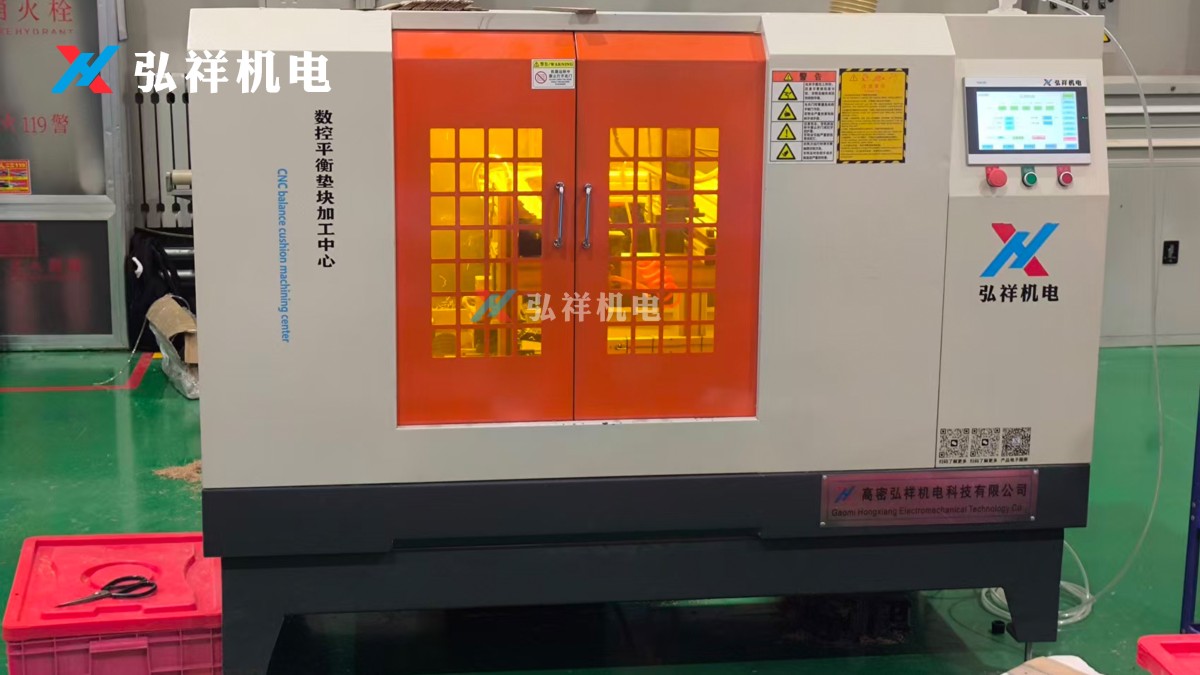
Gaomi Hongxiang Electromechanical Technology Co., Ltd. serves global customers with transformer assembly and manufacturing services.
Its capabilities include electrical insulating cardboard, insulating laminated wood, insulating parts, and EVA molding processing.
This integrated approach supports reliable transformer core energy-saving performance in demanding industrial applications.
Where Energy-Saving Cores Create the Most Business Value
The financial impact is strongest in operations with long running hours, sensitive loads, or strict uptime targets.
Several cases stand out.
- Machine tool plants with around-the-clock production schedules.
- Facilities with large installed transformer fleets and high cumulative no-load loss.
- Automation projects requiring stable power quality for precise control systems.
- Export-oriented manufacturers facing tighter energy and compliance expectations.
- AI-related special machine production needing reliable electrical performance.
From a strategic view, transformer core energy-saving supports both cost discipline and operational resilience.
That combination becomes more valuable as factories move toward smarter and more connected production systems.
A Practical Way to Evaluate Payback
A clear payback review keeps discussions grounded.
Start with annual operating hours and the difference in no-load loss between two options.
Then multiply by local electricity cost and expected service life.
Add estimated maintenance, cooling, and downtime effects where relevant.
This creates a more realistic picture than price comparison alone.
In many industrial settings, the savings curve is steadier than expected.
That is because transformer core energy-saving delivers benefits every day the unit remains energized.
For long-life assets, this consistency is a strong financial advantage.
Final Takeaway
Transformer core energy-saving has a direct and lasting effect on long-term operating cost.
It reduces fixed energy loss, limits heat-related stress, supports reliability, and improves total asset economics.
For manufacturers and equipment investors, the smarter decision is rarely the lowest upfront number.
It is the option that delivers stable performance and measurable savings across the full operating cycle.
When comparing transformer solutions, evaluate transformer core energy-saving as a lifecycle business lever, not a narrow technical feature.
That approach leads to better procurement outcomes, stronger cost control, and more resilient production over time.
NAVIGATION
MESSAGE
Request A Quote?