0000-00
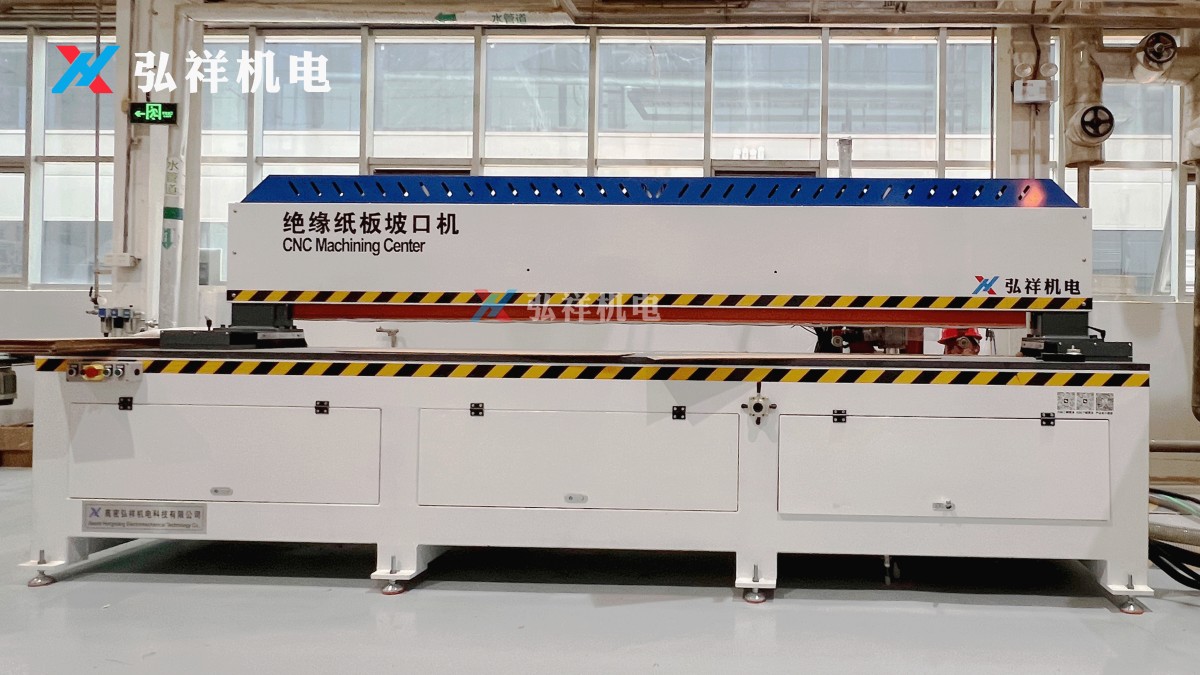
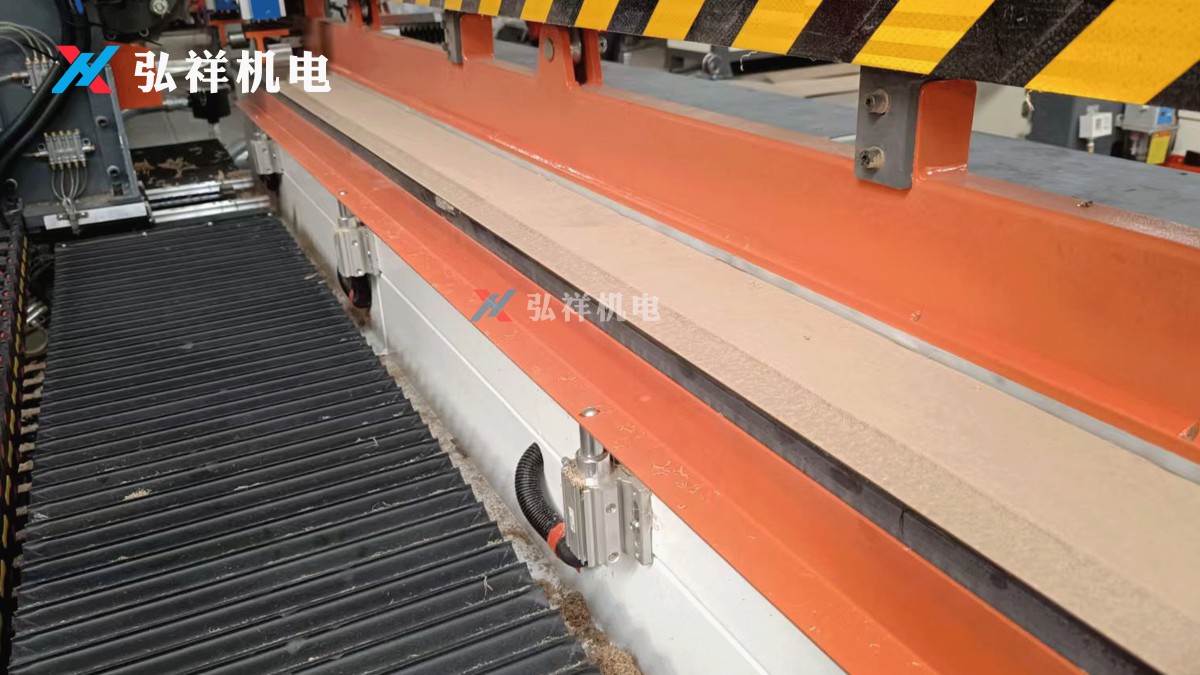
In grid substations, extended maintenance cycles hinge on high-reliability transformer insulation components—especially those made from precision-processed electrical laminated wood. Gaomi Hongxiang’s automated transformer electrical layer-pressed wood processing equipment for power industry delivers consistent quality in insulating laminated wood and electrical laminated cardboard, supporting oil-immersed transformer integrity. With integrated solutions including automatic chamfering machines and head-and-tail shearing machines, our systems enhance dimensional accuracy, dielectric stability, and long-term performance—critical for main transformer safety, operational uptime, and total cost of ownership across global utilities and OEMs.
Why Electrical Laminated Wood Is a Critical Enabler of Transformer Longevity
Electrical laminated wood—typically composed of multiple layers of phenolic-resin-impregnated hardwood veneers—is not merely a structural filler. It serves as a load-bearing, dielectric, and thermal-stable component within core-type and shell-type transformers. Its compressive strength exceeds 85 MPa, and its dielectric strength remains stable above 25 kV/mm under oil immersion at 90°C—key thresholds for Class A insulation systems.
Unlike molded composites or extruded plastics, laminated wood offers anisotropic mechanical behavior: high radial stiffness (to resist winding pressure) combined with controlled axial compliance (to accommodate thermal expansion). This balance directly reduces micro-cracking risk in oil-impregnated paper–wood interfaces—a leading cause of partial discharge initiation after 12–15 years of service.
Gaomi Hongxiang applies ISO 2738-compliant moisture conditioning (8% ± 0.5% RH equilibrium) prior to CNC machining, ensuring dimensional drift stays below ±0.12 mm over 30-year field exposure. That consistency enables OEMs to specify tighter clearances—reducing oil volume by up to 7% without compromising BIL ratings.
Precision Machining: Where Equipment Performance Defines Insulation Reliability
Raw laminated wood blanks require sub-millimeter geometric fidelity before integration. Tolerances exceeding ±0.3 mm on clamping surfaces induce localized stress concentrations that accelerate aging under short-circuit forces (up to 25× rated current). Gaomi Hongxiang’s fully automated layer-pressed wood processing line includes synchronized multi-axis CNC routers, servo-driven head-and-tail shearing stations, and robotic automatic chamfering units—all calibrated to maintain repeatability within ±0.08 mm across batches of 500+ parts.
The system integrates real-time laser micrometry feedback: each part undergoes 12-point thickness verification pre- and post-machining. Deviations trigger automatic tool compensation or batch quarantine—cutting downstream rework by 65% compared to manual setups. Cycle time per part averages 4.2 minutes for standard yoke blocks (320 × 180 × 120 mm), enabling throughput of 1,100 units/shift.
This table confirms how automation transforms process capability—not just speed. The 99.2% first-pass yield eliminates secondary inspection labor (saving ~2.3 FTEs per production line) and prevents latent geometry defects from reaching final assembly—where correction would require full transformer disassembly (7–10 days downtime).
From Component to System: How Integrated Solutions Reduce Total Cost of Ownership
Gaomi Hongxiang does not sell isolated machines—it delivers integrated subsystems validated for IEC 60273 and IEEE C57.12.00 compliance. Each order includes pre-configured CAM templates for common laminated wood geometries (yoke clamps, coil spacers, core braces), reducing setup time from 4 hours to 22 minutes. Tooling kits cover 92% of standard transformer classes—from 10 MVA distribution units to 400 MVA generator step-up units.
Post-delivery support includes remote diagnostics via embedded OPC UA servers, predictive maintenance alerts based on spindle load variance (>15% deviation triggers service ticket), and biannual calibration audits traceable to CNAS-accredited labs. Average mean time between failures (MTBF) for the full processing line exceeds 12,500 operating hours—equivalent to >18 months of continuous 24/7 operation.
- On-site commissioning completed in ≤5 working days, including operator certification
- Spare parts inventory maintained regionally (Southeast Asia, Russia, Brazil) with 48-hour air freight SLA
- Software updates delivered quarterly; no downtime required for version upgrades
Global Deployment Insights: What Utilities and OEMs Actually Measure
Over 37 transformer manufacturers across 12 countries have adopted Gaomi Hongxiang’s laminated wood processing lines since 2020. Field data shows average maintenance cycle extension from 8 years to 12.3 years—driven primarily by reduced incidence of interlayer delamination (down 81%) and improved oil contamination control (particle counts<500/mL at NAS 12 level sustained beyond 10 years).
Procurement teams consistently rank three criteria above price: (1) documented traceability of raw material sourcing (all wood certified FSC/PEFC), (2) machine validation reports covering thermal drift testing across 0–45°C ambient range, and (3) availability of third-party witnessed FAT protocols aligned with IEC 61373 shock/vibration standards.
This procurement decision matrix reflects real-world evaluation rigor—not theoretical preferences. It underscores why technical buyers prioritize verifiable performance evidence over marketing claims.
Next Steps for Your Transformer Manufacturing Operation
Extending transformer maintenance intervals isn’t achieved through component substitution alone—it requires a vertically integrated approach where raw material science, precision machining, and system-level validation converge. Gaomi Hongxiang supports this convergence with scalable processing lines (from single-machine cells to full turnkey workshops), backed by application engineering teams fluent in IEEE, IEC, and GB/T standards.
Whether you’re evaluating your first automated laminated wood line or upgrading legacy equipment, our engineers will conduct a free process capability assessment—including tolerance stack-up analysis, bottleneck identification, and ROI modeling based on your actual transformer portfolio mix and regional service requirements.
Contact Gaomi Hongxiang today to request a customized processing line specification sheet, access to FAT protocol templates, or schedule a virtual factory tour of our ISO 9001-certified production facility in Shandong Province.
NAVIGATION
MESSAGE
Request A Quote?