0000-00
Equipment choice directly shapes the efficiency, precision, and reliability of transformer main units, especially in insulation component production. From Automated transformer electrical layer-pressed wood processing equipment to High precision transformer electrical layer-pressed wood processing equipment, the right solution improves consistency, lowers waste, and supports oil-immersed transformer manufacturing. For buyers evaluating Transformer insulation cardboard processing equipment, CNC stepped saw, and special-shaped cutting systems, selecting durable, cost-effective equipment is essential for quality, safety, and long-term productivity.
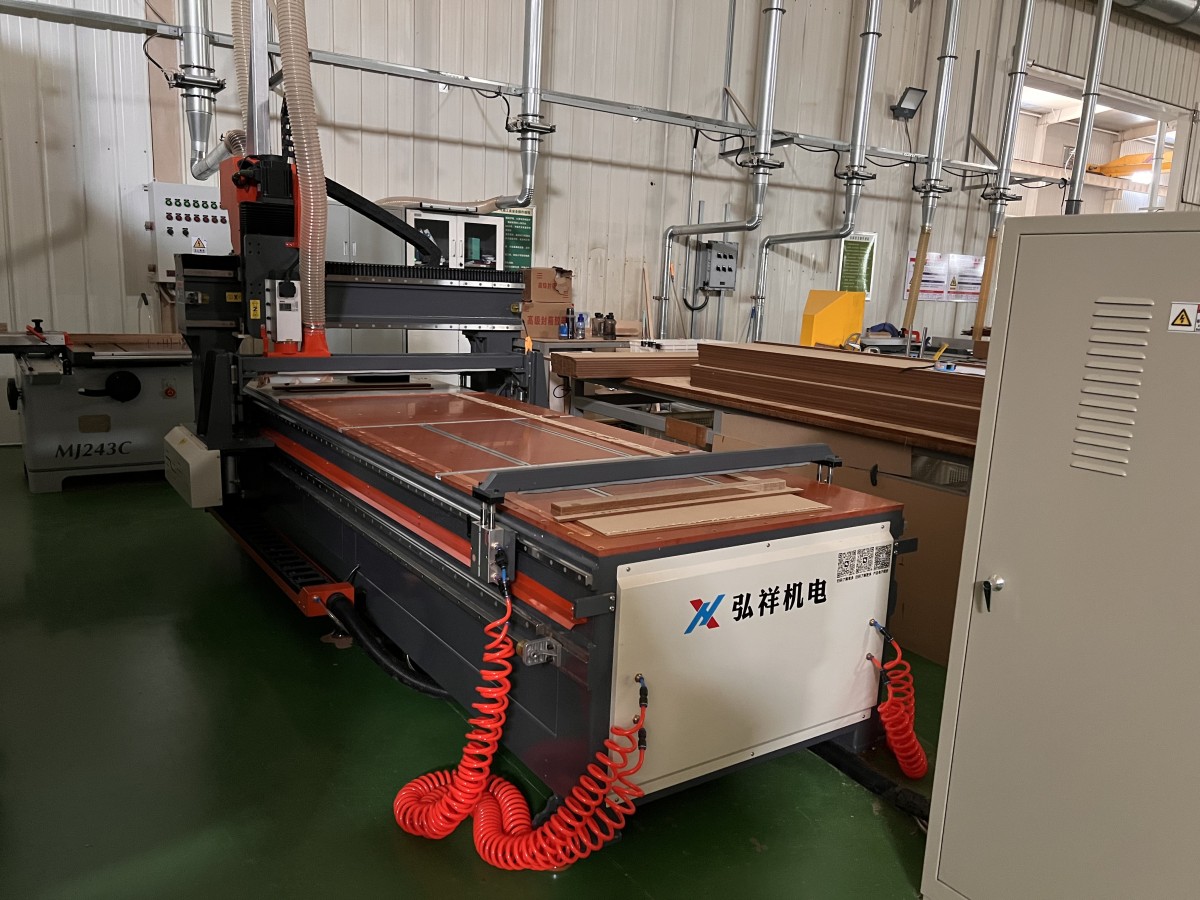
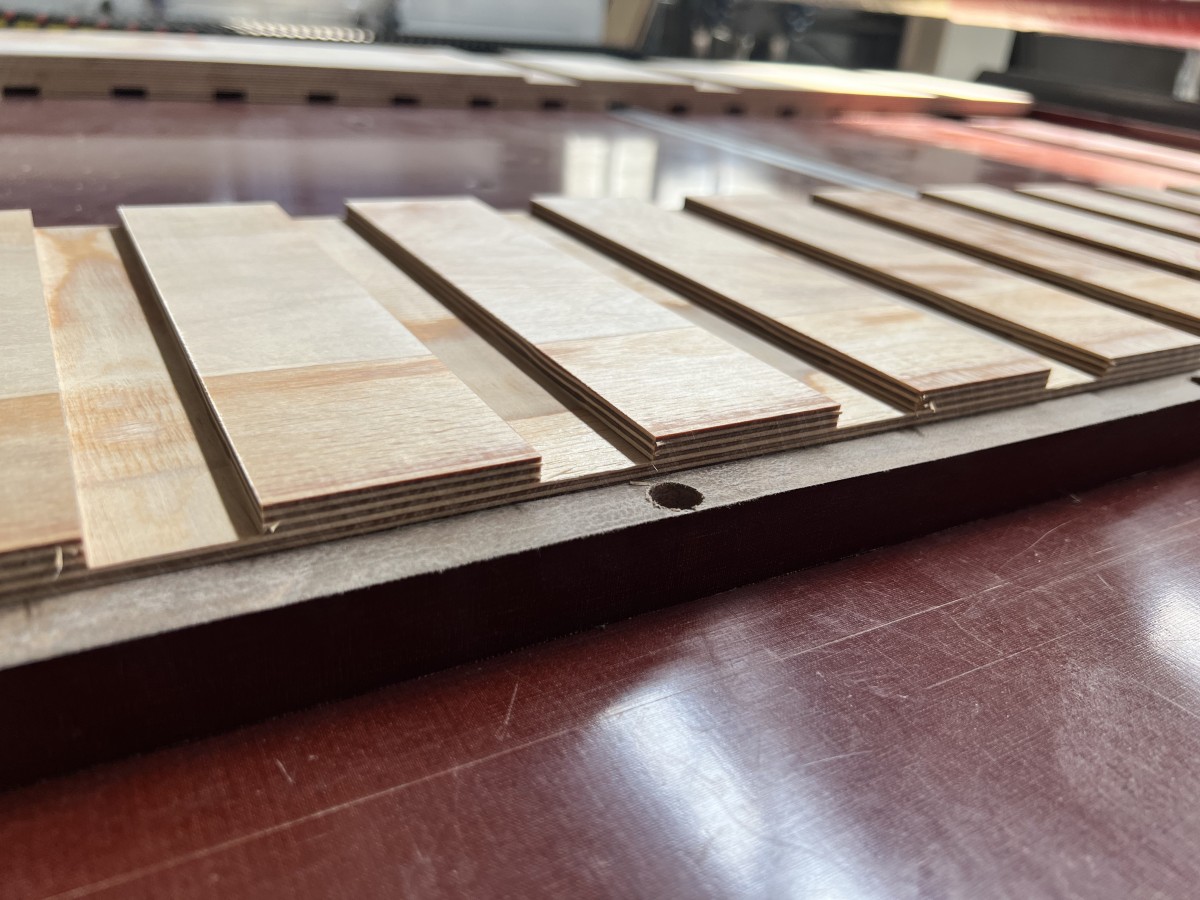
In transformer main unit manufacturing, machine selection is never just a workshop issue. It affects insulation stability, dimensional repeatability, production rhythm, maintenance workload, operator safety, and total project cost. For technical evaluators, purchasing teams, project managers, and decision-makers, the right equipment must match both product requirements and long-term manufacturing strategy.
This is especially true when processing electrical insulating cardboard, laminated wood, and custom insulating parts used in oil-immersed transformers. A mismatch between material characteristics and machine capability can lead to edge damage, tolerance drift beyond ±0.3 mm to ±0.8 mm, rework, delayed delivery, or unstable field performance. In contrast, a well-configured machine lineup supports cleaner cutting, lower scrap rates, and more predictable output.
As a manufacturer serving domestic and international markets, Gaomi Hongxiang Electromechanical Technology Co., Ltd. focuses on transformer assembly and manufacturing services, insulation material processing, EVA molding processing, and the development of special machines. That combination is important because transformer equipment decisions are strongest when they are based on both machining knowledge and practical application requirements.
Why Equipment Selection Has a Direct Impact on Transformer Main Units
Transformer main units depend on a chain of precision components, and many of those components are insulation-related. If a CNC stepped saw, pressing system, or special-shaped cutting machine cannot maintain stable accuracy over 8 to 12 hours of operation, the final assembly quality may become inconsistent even if the raw material itself is qualified. Equipment performance therefore influences not only one processing step, but the reliability of the whole transformer build.
The first impact is dimensional consistency. In insulation cardboard and laminated wood processing, common buyer targets include repeatable thickness control, accurate slot depth, smooth edge quality, and controlled surface compression. When machines hold stable tolerance and feeding pressure, assembly teams spend less time on manual correction, and quality teams see fewer deviations during incoming or in-process inspection.
The second impact is material utilization. Transformer insulation materials are not low-value consumables. If equipment causes burrs, chipping, thermal damage, or poor nesting, scrap can rise from a manageable 2%–4% to more than 6%–8% in some batches. Across a monthly production cycle, that difference directly affects cost control, especially for medium- to high-volume transformer manufacturers.
The third impact is process stability. Oil-immersed transformer manufacturing often requires coordinated handling of layered wood, insulation board, shaped parts, and assembly-related machining. When equipment is selected only on purchase price, factories may face unplanned downtime every 3 to 6 weeks, weak spare parts compatibility, or operator dependence that limits scale-up. Reliable equipment reduces these risks and helps standardize output across shifts.
Key Links Between Equipment and Product Performance
- Cutting precision affects fit-up accuracy in transformer insulation structures.
- Feed stability influences surface integrity and edge compression.
- Machine rigidity determines whether batch output remains consistent over hundreds of pieces.
- Control system repeatability impacts setup time, recipe storage, and operator error rate.
- Maintenance accessibility affects uptime, labor planning, and after-sales cost.
For factories producing multiple transformer specifications, flexibility also matters. A machine that supports 3 to 5 common product formats with short changeover time can outperform a lower-cost single-purpose system when order structures are mixed. That is why purchasing teams should evaluate equipment around process fit, not just headline capacity.
Which Machines Matter Most in Insulation Component Production
In the machine tool equipment segment serving transformer manufacturing, not every machine has the same influence on the main unit. The most critical assets are usually those handling cutting, shaping, layering, pressing, and dimension-sensitive preparation of insulation parts. These include Transformer insulation cardboard processing equipment, CNC stepped saw systems, special-shaped cutting machines, and high-precision equipment for electrical layer-pressed wood.
Each machine serves a different point in the process. Insulation cardboard processing equipment must avoid tearing, edge collapse, and thickness deformation. CNC stepped saw machines are often expected to deliver stepped dimensions with consistent alignment, especially for repeat parts. Special-shaped cutting equipment becomes important when transformer designs require non-standard contours, notches, or assembly-specific profiles.
Automated transformer electrical layer-pressed wood processing equipment is increasingly relevant when buyers want to reduce manual intervention and improve repeatability across medium-volume production. In many factories, automation starts delivering clear benefits when daily output exceeds 80 to 120 pieces of a similar part family, because setup savings and reduced handling begin to offset the initial investment.
High precision transformer electrical layer-pressed wood processing equipment is usually chosen when tolerance, edge cleanliness, and fit consistency are strict. This is common in projects where final assembly must be controlled carefully, or when export customers require more stable documentation and lower rework rates. Such systems are not always the cheapest, but they often improve total process control.
Functional Comparison of Common Equipment Types
The table below helps procurement and engineering teams compare typical equipment roles in transformer insulation part manufacturing. It is useful when building a new line, upgrading one process step, or balancing automation with budget.
The main conclusion is that equipment should be chosen by process role. A factory handling diverse low-volume orders may prioritize flexibility and fast changeover, while a plant with repeated transformer models may gain more from automation, recipe memory, and lower labor dependence. The right mix often includes 2 to 4 complementary machines rather than one universal machine.
Typical Selection Priorities by User Group
- Operators focus on ease of setup, guarding, and tool replacement time.
- Technical evaluators focus on tolerance range, motion stability, and material adaptability.
- Purchasing teams focus on lifecycle cost over 3 to 5 years, not only purchase price.
- Quality and safety teams focus on process repeatability, defect control, and risk points.
How to Evaluate Equipment for Precision, Cost, and Long-Term Value
A good transformer equipment decision should balance 4 dimensions: technical suitability, operating efficiency, service support, and financial practicality. Many buyers compare only output capacity and quotation. That approach is incomplete because a lower-priced machine may create hidden costs in tooling wear, scrap, troubleshooting time, and unstable quality during the first 6 to 18 months of use.
Technical suitability starts with material and process mapping. Buyers should confirm the range of board thickness, wood density, maximum workpiece size, contour complexity, and target tolerance. For many insulation applications, stable repeatability in the ±0.2 mm to ±0.5 mm range is more valuable than extreme peak speed. If machine speed rises but cutting stability falls, overall line productivity may actually decline because of inspection failures and part matching issues.
Operating efficiency includes setup time, tool change frequency, programming convenience, and operator training requirements. If a machine needs 40 minutes for product changeover instead of 12 to 15 minutes, daily effective capacity may fall sharply in mixed-order production. This matters for project managers who need predictable scheduling and on-time delivery.
Long-term value depends heavily on support. Installation guidance, training, spare parts availability, and after-sales response can determine whether a machine keeps working reliably after the first production quarter. A realistic review should consider maintenance intervals, critical wear parts, and whether service teams can respond within 24 to 72 hours when issues affect delivery.
Practical Equipment Evaluation Matrix
The following matrix can be used by procurement, engineering, and finance teams to compare supplier offers in a structured way. It is especially helpful when the choice involves automated transformer electrical layer-pressed wood processing equipment or high precision transformer electrical layer-pressed wood processing equipment.
A structured evaluation prevents short-term price thinking from driving long-term production problems. In many B2B purchasing cases, the better decision is not the machine with the lowest quotation, but the one with the most stable operating profile and the clearest support path after delivery.
Five Questions Buyers Should Ask Before Ordering
- What material range and part dimensions has the machine been designed to handle continuously?
- What tolerance level can it hold after 100, 300, or 500 repeated cycles?
- How long does tool replacement and model changeover take in actual use?
- What training is included for operators, maintenance staff, and quality inspectors?
- Which spare parts are critical, and what is the expected replenishment cycle?
Common Risks, Misjudgments, and Implementation Issues
One common risk is buying a machine that is too general for a specialized insulation process. In transformer main unit production, general woodworking or board-cutting equipment may appear capable on paper, but often lacks the feed control, fixture design, or process repeatability needed for electrical insulating materials. The result can be unstable dimensions, material cracking, or inconsistent edge density.
Another frequent mistake is underestimating production rhythm. A buyer may focus on single-piece machining time and ignore loading, alignment, inspection, and changeover. In real workshop conditions, these non-cutting steps can account for 20%–35% of total process time. If equipment is not designed for practical workflow, the expected return on investment can take much longer than planned.
Implementation problems also happen when operator skill requirements are too high. If only 1 or 2 experienced workers can run the machine properly, output becomes vulnerable during shift changes, leave periods, or expansion. A good machine tool solution should make process control more standard, not more dependent on personal experience.
Service planning is another overlooked issue. Even a strong machine will need preventive inspection, blade or tool replacement, calibration checks, and occasional troubleshooting. Without a basic maintenance calendar, small issues can accumulate into quality drift or unplanned stops. For many factories, monthly inspection and quarterly accuracy checks are practical starting points.
Typical Risk Points During Equipment Selection and Use
- Choosing by purchase price alone without reviewing material compatibility.
- Accepting demo samples without checking repeatability over a full batch.
- Ignoring tooling consumption and maintenance labor in total cost analysis.
- Overbuying automation for low-volume, high-mix production patterns.
- Underplanning installation, training, and commissioning time, which often takes 3 to 10 days depending on complexity.
Implementation Priorities for Better Results
To reduce launch risk, factories should prepare 4 items before equipment arrival: material specifications, sample drawings, operator assignment, and acceptance criteria. This helps suppliers align settings and helps project teams avoid confusion during commissioning. For customized machines, a trial plan covering at least 3 part categories is often more useful than a single sample test.
It is also wise to define acceptance around measurable indicators. Examples include dimensional tolerance range, edge finish standard, output per shift, changeover time, and safety function response. Clear acceptance reduces disputes and speeds up the transition from installation to stable production.
What Buyers Should Expect from a Reliable Equipment Partner
For transformer manufacturers, a machine supplier should do more than deliver hardware. A reliable partner should understand transformer assembly logic, insulation component requirements, and the connection between machining precision and final product quality. This matters because machine tool selection is often part of a broader capacity or quality improvement project, not an isolated purchase.
Gaomi Hongxiang Electromechanical Technology Co., Ltd. works across transformer assembly and manufacturing services, electrical insulating cardboard, insulating laminated wood, insulating parts, EVA molding processing, and special machine development. For buyers, this wider process understanding can be valuable because the equipment discussion can be linked to real manufacturing needs, not only standard machine specifications.
In B2B purchasing, support capability often becomes decisive after the contract is signed. Buyers should expect at least a basic chain of service: application discussion, solution confirmation, installation support, operator training, and after-sales follow-up. That process reduces uncertainty for technical teams, finance approvers, and project leaders who need both production readiness and cost predictability.
International buyers should also consider communication efficiency, export experience, and support responsiveness. When equipment is delivered to Southeast Asia, South America, India, Pakistan, Russia, or other markets, clear documentation, spare parts planning, and practical training become even more important. Small delays in technical clarification can lead to much larger delays in site commissioning.
Recommended Service Process for Transformer Equipment Projects
A structured service flow helps reduce project risk and improves delivery confidence. The following model is suitable for many buyers evaluating insulation cardboard processing equipment, CNC stepped saw systems, and custom special-shaped cutting solutions.
This kind of support path is valuable because transformer part machining is detail-sensitive. Buyers benefit most when machine design, application understanding, and service execution are aligned from the beginning of the project.
FAQ for Buyers and Technical Teams
How do I know whether I need automated equipment or a more flexible semi-automatic setup?
A practical rule is to compare order structure. If your production repeats similar parts in medium or high batches, automation usually becomes more attractive. If your factory handles many low-volume custom parts with frequent changes, flexible setup and easier programming may create better value than maximum automation.
What is a reasonable lead time for transformer insulation processing equipment?
Lead time varies with machine complexity and customization. Standard or lightly customized equipment may fit a 2 to 6 week range, while more specialized systems can require longer planning, testing, and commissioning. Buyers should also reserve time for training and acceptance, not only shipment.
Which three indicators are most important during acceptance?
For most transformer insulation part equipment, the three most practical indicators are dimensional repeatability, finished edge quality, and stable output under continuous operation. These should be checked over multiple pieces, not only on one trial part.
Equipment choice affects transformer main units through every critical layer of production: accuracy, material efficiency, process stability, labor dependence, and lifecycle cost. For buyers evaluating Transformer insulation cardboard processing equipment, CNC stepped saw solutions, and special-shaped cutting systems, the best decision comes from matching the machine to real insulation processing needs rather than buying on price alone.
For manufacturers seeking dependable support in transformer assembly, insulation material processing, and special machine development, Gaomi Hongxiang Electromechanical Technology Co., Ltd. offers a process-oriented approach that helps connect equipment selection with practical production goals. To improve quality, reduce waste, and build a more stable transformer manufacturing workflow, contact us today to discuss your application, request a customized solution, or learn more about available equipment options.
NAVIGATION
MESSAGE
Request A Quote?