0000-00
In transformer insulation projects, lead time can determine whether a production plan stays on schedule or faces costly delays. Choosing the right Laminated wood processing equipment for transformer insulation is not only a technical decision, but also a key factor in capacity planning, procurement timing, and installation coordination. For project managers, understanding this impact helps reduce risk, improve delivery accuracy, and keep complex manufacturing workflows under control.
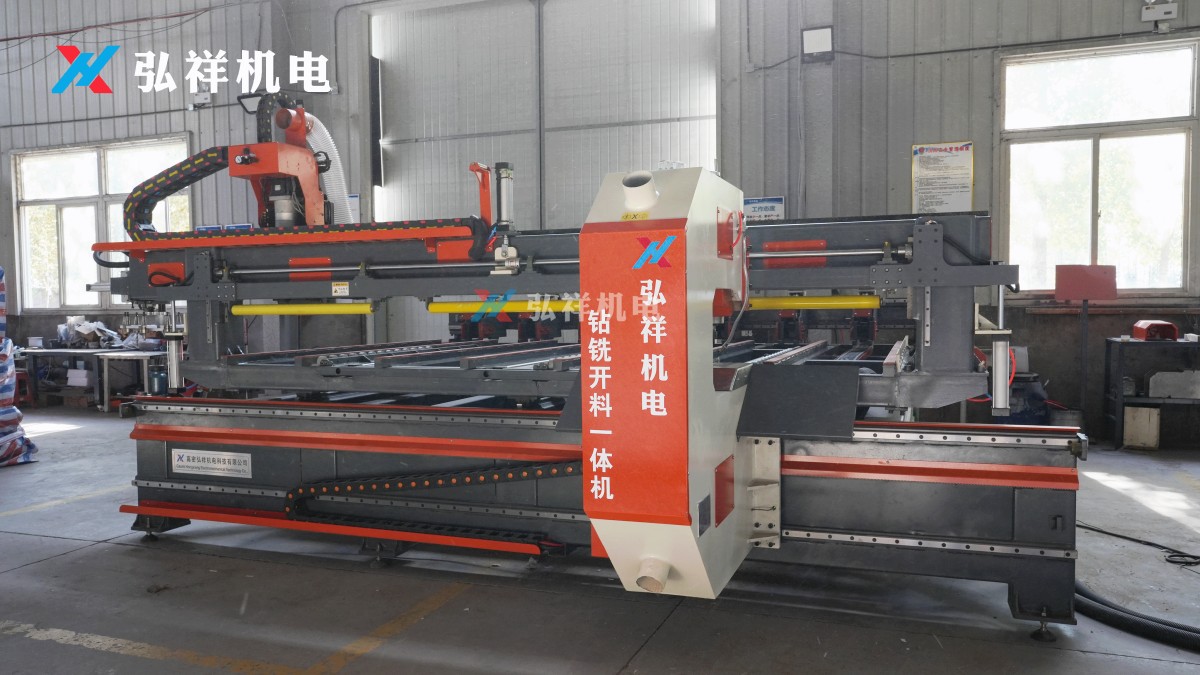
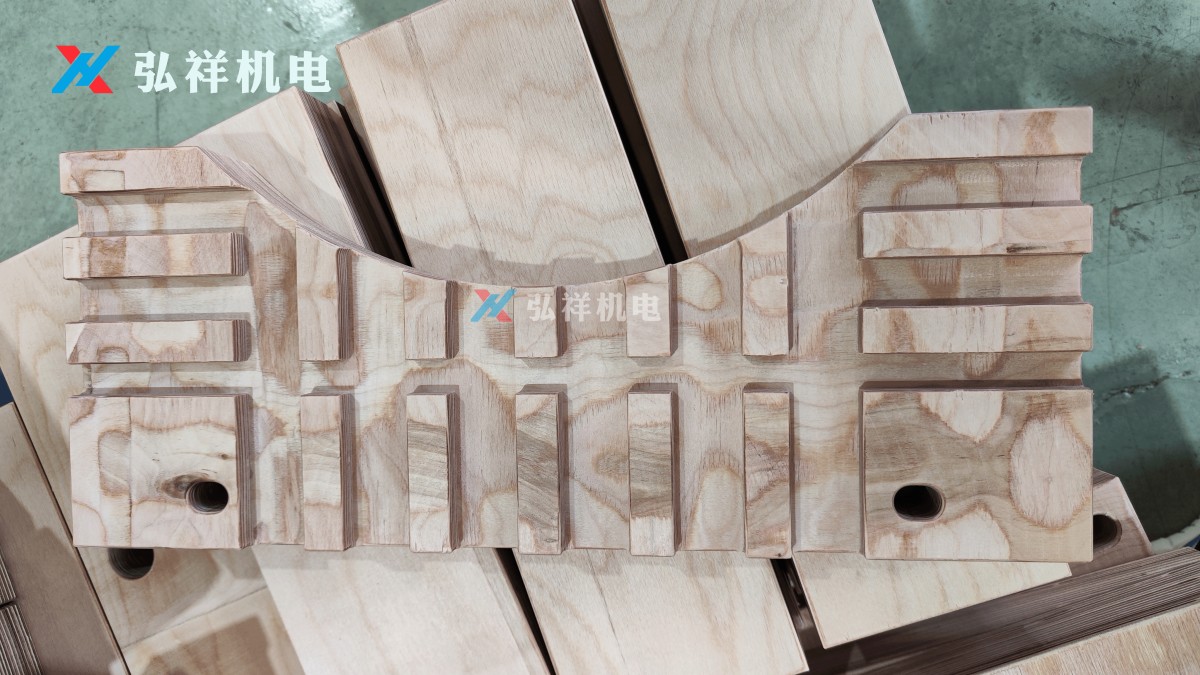
Why lead time must be checked before equipment planning
Lead time affects more than shipment dates. It shapes factory layout, utility preparation, operator training, commissioning windows, and raw material release for transformer insulation production.
For Laminated wood processing equipment for transformer insulation, delayed delivery can interrupt pressing, cutting, shaping, and finishing steps. That creates bottlenecks across the whole machine tool equipment workflow.
A checklist approach makes planning easier. It helps compare suppliers, identify hidden schedule risks, and confirm whether a machine can support the required production ramp.
Lead time checklist for Laminated wood processing equipment for transformer insulation
Use the following checks before approving any equipment schedule. Each point supports realistic planning for laminated wood machining, insulation part quality, and stable factory startup.
- Confirm manufacturing cycle from order release to factory inspection, including fabrication, machining, assembly, electrical integration, and test running of Laminated wood processing equipment for transformer insulation.
- Check component sourcing risk for motors, control systems, hydraulic units, cutters, heating elements, and custom fixtures that may extend the supplier’s committed delivery period.
- Verify drawing approval timing early, because changes to feeding width, press size, cutting accuracy, or insulation board dimensions often reset the production queue.
- Review shipping mode and customs impact, especially for exported machine tool equipment where sea freight, inland transfer, and port congestion can shift installation milestones.
- Match lead time with site readiness, including foundation work, compressed air, electrical load, dust collection, and safe material flow for laminated wood processing lines.
- Schedule factory acceptance testing with real process samples, so defects in pressing, slotting, drilling, or trimming are found before the equipment leaves the supplier.
- Include commissioning and operator training days in the project plan, because machine arrival does not mean immediate output of transformer insulation components.
- Assess spare parts readiness for knives, bearings, sensors, PLC modules, belts, and seals to prevent long downtime immediately after production launch.
- Compare nominal lead time with actual past performance, using documented delivery records for Laminated wood processing equipment for transformer insulation rather than brochure promises.
- Reserve buffer time for special machines, because customized automation, AI-related functions, or nonstandard insulation part handling usually require longer debugging cycles.
How lead time changes planning decisions
Capacity planning
If equipment arrives later than expected, capacity assumptions become unreliable. Output targets for laminated wood sheets and machined insulation parts may need to be reduced or shifted.
This is critical when Laminated wood processing equipment for transformer insulation is replacing manual operations. The gap between old capacity and future automated capacity must be managed carefully.
Procurement sequencing
Lead time also determines when upstream materials should be purchased. Insulating cardboard, laminated wood blanks, adhesives, and tooling should not arrive too early or too late.
When machine delivery slips, early material purchases create storage pressure, moisture exposure, and cash flow strain. Good planning links equipment milestones with material release dates.
Installation coordination
Installation windows often depend on civil work, electrician availability, crane access, and production shutdown periods. A late machine can waste all these prepared resources.
For larger Laminated wood processing equipment for transformer insulation, installation may also require alignment checks, safety guarding, and trial cutting with transformer insulation specifications.
Scenario-based planning notes
Standard equipment replacement
When replacing an existing saw, press, or CNC unit, lead time mainly affects shutdown scheduling. The goal is to remove old equipment and start the new line with minimal idle days.
In this case, choose suppliers that can define clear pre-dispatch testing and startup support. Stable delivery is often more valuable than the shortest promised date.
New insulation production line
A new line involves more interfaces. Laminated wood processing equipment for transformer insulation must match upstream board preparation and downstream finishing operations.
Long lead items should be identified first. Utility design, floor loading, dust control, and sample qualification should move in parallel with equipment manufacturing.
Customized or special machine projects
Customized equipment requires additional design review, fixture confirmation, software tuning, and process validation. Quoted lead time may not include all revision loops.
For special machines supporting AI-related manufacturing or complex insulation geometries, demand a staged timeline with design freeze, assembly completion, FAT, and on-site acceptance checkpoints.
Commonly overlooked risks
One frequent mistake is focusing only on ex-works date. Real planning should include packaging, export documents, transport damage checks, and installation readiness at destination.
Another risk is ignoring process validation time. Even high-quality Laminated wood processing equipment for transformer insulation needs sample adjustment before stable dimensional accuracy is reached.
A third issue is underestimating training. Operators must learn parameter setting, blade change, safety routines, and maintenance intervals before productivity can meet plan.
It is also common to overlook after-sales response time. Fast technical support matters when a new machine enters production and minor faults appear during initial operation.
Practical execution steps
- Build a reverse schedule from required production start, then assign dates for shipment, FAT, assembly completion, drawing approval, and purchase order release.
- Request a detailed lead time breakdown from the supplier instead of one total number. Hidden delays are easier to control when each phase is visible.
- Link contract payment milestones to measurable progress, such as design confirmation, test completion, and dispatch readiness for machine tool equipment.
- Prepare utilities, floor space, and material handling tools before arrival of Laminated wood processing equipment for transformer insulation to shorten idle installation days.
- Keep sample materials and product drawings ready for FAT and commissioning, so the machine is validated against actual transformer insulation requirements.
Conclusion and next action
Lead time is a planning variable, not just a delivery promise. It influences capacity, procurement, installation, training, and the speed of reaching stable transformer insulation output.
When evaluating Laminated wood processing equipment for transformer insulation, use a checklist that covers manufacturing cycle, sourcing risk, logistics, commissioning, and spare parts support.
A practical next step is to compare equipment options with a milestone-based timeline. That approach improves schedule control and reduces expensive surprises during project execution.
For projects requiring reliable machine tool equipment, integrated manufacturing support, and customized insulation processing solutions, a supplier with design, production, installation, training, and after-sales capability offers a stronger planning advantage.
NAVIGATION
MESSAGE
Request A Quote?