0000-00
How to Choose Insulating Cardboard for Transformers Without Costly Mistakes
How to choose insulating cardboard for transformers? The right answer depends less on price alone and more on where the material will actually work inside the transformer structure.
In transformer manufacturing, insulating cardboard affects electrical clearance, mechanical support, oil compatibility, and long-term reliability. A poor match can cause rework, unstable assembly, or premature insulation aging.
This becomes even more important in machine-tool-related production lines, where transformer components often support demanding equipment, automated systems, and special machines with continuous operating cycles.
In actual projects, the better question is not only how to choose insulating cardboard for transformers, but how to choose it for a specific load profile, process route, and service environment.
Actual selection starts with the working scene
Different transformer applications create different stress patterns. Some need better compressive strength during coil clamping. Others need tighter dimensional stability during drying, oil immersion, or thermal cycling.
That is why How to choose insulating cardboard for transformers? cannot be answered by thickness and density alone. Material behavior during processing is often as important as nominal specification.
For example, cardboard used in compact distribution transformers may prioritize clean punching, stable insulation spacing, and efficient batch consistency. Large power transformers usually demand stronger structural support and better endurance under longer service life expectations.
Where machine equipment is involved, vibration, heat concentration, and continuous duty cycles also change the judgment standard. Similar transformer ratings do not always mean identical insulation requirements.
A practical way to separate use conditions
- Check whether the cardboard is mainly insulating, supporting, spacing, or reinforcing.
- Confirm whether the transformer faces frequent thermal cycling or long steady-state operation.
- Review cutting, bending, punching, and assembly tolerances before final material approval.
- Match the material with oil immersion, drying procedures, and insulation system compatibility.
Different transformer builds focus on different risks
In smaller transformers for equipment integration, production rhythm matters. If insulating cardboard sheds fibers, warps after processing, or varies too much between batches, assembly efficiency drops quickly.
In larger transformer structures, the concern shifts. Here, cardboard often works under compression, supports insulation distances, and must maintain shape after repeated thermal exposure.
This is where many buying mistakes begin. One project may fail because the board is too soft during clamping. Another may fail because machining performance looked good, but long-term aging behavior was not checked carefully.
When asking How to choose insulating cardboard for transformers, this kind of comparison usually gives more value than a generic product checklist.
Material performance should match processing reality
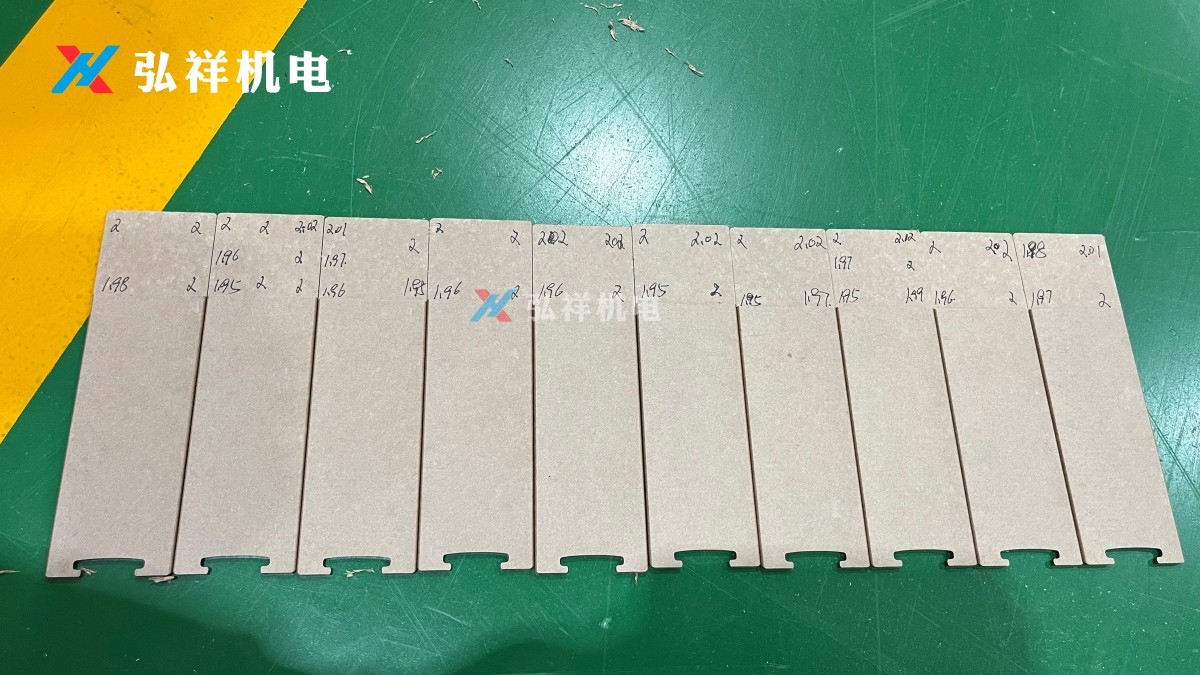
A board can look acceptable on paper and still create problems on the shop floor. In transformer workshops, punching behavior, edge integrity, moisture response, and forming stability often decide whether production remains stable.
This is especially true where transformer parts are integrated with precision equipment or special-purpose machinery. If the cardboard cracks during forming or changes size after drying, fitting accuracy suffers.
More experienced evaluation usually covers five points together rather than separately.
- Dielectric strength under real insulation system conditions.
- Mechanical strength during clamping and assembly.
- Dimensional stability after drying, cutting, and oil exposure.
- Surface and edge quality after machining.
- Batch uniformity across repeat orders.
How to choose insulating cardboard for transformers? In most cases, the best route is to compare material data with the actual process sequence, not just the final assembled state.
Supplier capability matters when tolerances are tight
Selection is not only about material grade. It is also about whether the supplier can keep quality stable through manufacturing, converting, inspection, and delivery.
For transformer projects linked to industrial equipment, schedule risk can be as costly as material failure. A delay in insulating parts may stop coil assembly, hold up testing, and affect machine delivery plans.
This is where integrated suppliers often create practical value. Companies with experience in transformer assembly, insulating cardboard processing, laminated wood production, and custom insulating parts usually understand fit-up issues earlier.
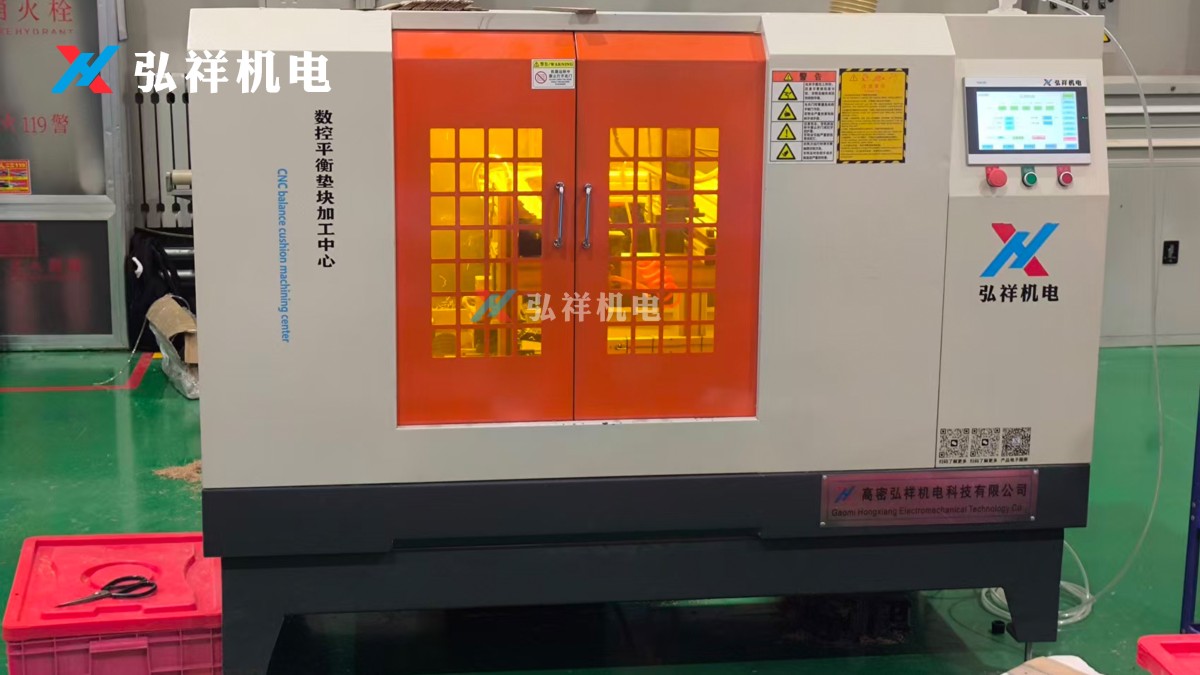
Gaomi Hongxiang Electromechanical Technology Co., Ltd. operates in this broader manufacturing context. That background matters because transformer insulation is rarely an isolated purchase decision. It sits inside a larger production and installation workflow.
Questions worth confirming before approval
- Can the supplier control thickness tolerance consistently?
- Is there experience with transformer insulation structures, not only raw materials?
- Can special shapes, machining, and assembly support be provided together?
- Are export requirements, documentation, and repeatability already familiar?
Where costly mistakes usually happen
One common mistake is treating two similar transformer projects as if they need the same insulating cardboard. A change in operating temperature, oil system, or clamping force can shift the material requirement significantly.
Another mistake is focusing on unit price while ignoring conversion loss. Lower-cost board may produce more waste, slower machining, or more rejected parts, raising the real cost of the transformer.
A third issue appears in long-cycle equipment. Initial tests may pass, but the board was never assessed for long-term dimensional stability. Later, spacing changes or mechanical loosening create expensive maintenance work.
That is why How to choose insulating cardboard for transformers should always include operating life, process compatibility, and replacement risk, not only initial acceptance data.
A more reliable way to match cardboard to the job
A practical selection path starts with the transformer structure, then moves outward. First define the location of the board inside the assembly. Then check mechanical load, thermal exposure, oil contact, and processing method.
After that, compare several material options against the real manufacturing route. This often reveals that the best-performing choice is not the most expensive one, but the one with the fewest downstream compromises.
In real transformer manufacturing, this method reduces surprises more effectively than choosing by catalog description alone.
The next step is to make the choice measurable
How to choose insulating cardboard for transformers? Start by listing the actual application conditions, then rank the factors that can create failure, rework, or hidden operating cost.
Where transformer production connects with machine-tool equipment, automation systems, or special machines, the best material decision usually comes from matching insulation performance with process stability.
A useful next move is to compare candidate materials against the same checklist: function in the assembly, dimensional tolerance, mechanical load, thermal aging, machining behavior, and supply consistency.
That approach turns How to choose insulating cardboard for transformers from a broad question into a controlled engineering decision with fewer costly mistakes.
NAVIGATION
MESSAGE
Request A Quote?