0000-00
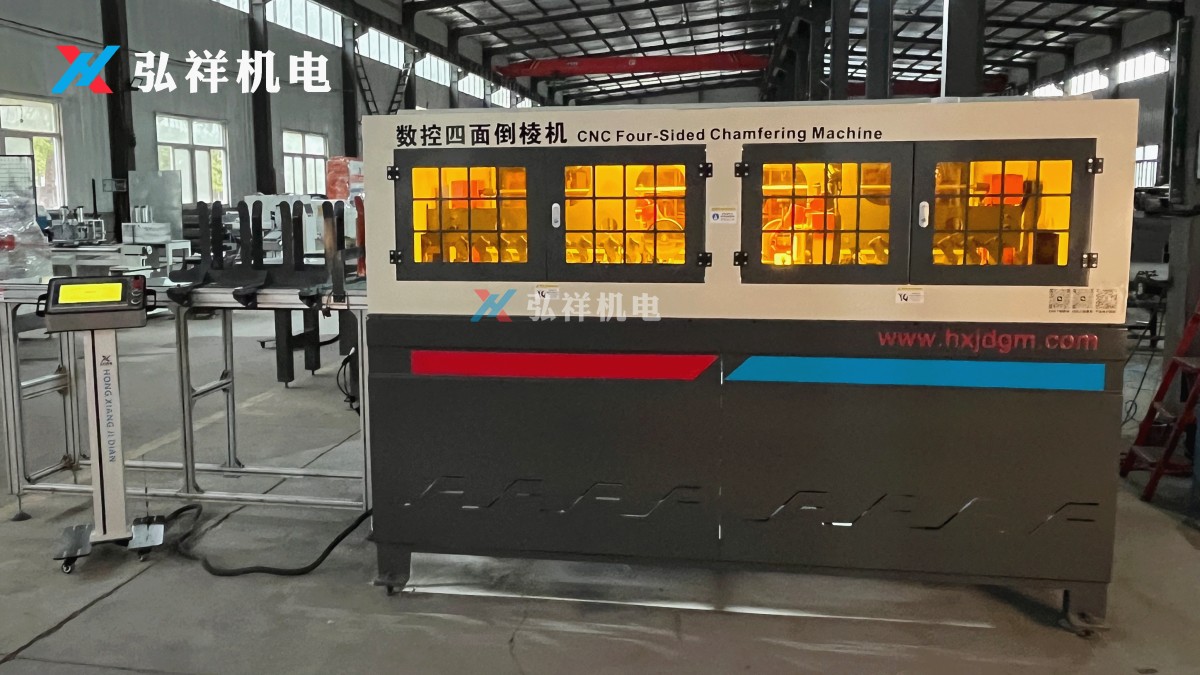
For procurement teams evaluating machine ROI, choosing cost-effective transformer insulation cardboard processing equipment means looking beyond purchase price to total output, precision, labor efficiency, and long-term service value. With the right equipment partner, manufacturers can improve insulation part quality, reduce waste, and achieve faster payback in competitive transformer production environments.
What Procurement Teams Really Need to Measure First
When buyers search how to evaluate machine ROI for insulation cardboard processing, they usually are not looking for a finance formula alone. They want a practical way to compare suppliers, estimate payback, and avoid hidden operating costs.
In transformer manufacturing, insulation cardboard processing affects both productivity and product consistency. A machine that appears affordable at purchase can become expensive through scrap, slower throughput, labor dependence, downtime, or poor dimensional accuracy.
That is why the most useful ROI evaluation starts with one simple judgment. Will this machine reduce the total cost per qualified part while supporting stable output over several years?
For procurement professionals, the answer should be based on production data, process fit, maintenance realities, and supplier capability. Price matters, but lifecycle value matters more.
Why Purchase Price Alone Leads to the Wrong Decision
Many equipment comparisons begin and end with quotation totals. That approach is risky, especially for insulation cardboard processing, where the true cost of ownership is shaped by material waste, machine stability, operator skill requirements, and support availability.
A lower-priced machine may require more manual correction, more setup time, and more frequent replacement parts. These costs rarely appear clearly in the initial quotation, yet they can outweigh the original savings within months.
By contrast, a more capable machine may bring cleaner cutting, better forming consistency, and reduced rework. For transformer component manufacturers, that improves internal efficiency and protects downstream assembly schedules.
Procurement should therefore evaluate ROI through a total value lens. The right benchmark is not cheapest equipment, but the machine that delivers the best economic result across its working life.
The Core ROI Formula for Insulation Cardboard Processing Equipment
A practical ROI model does not need to be complicated. It should connect investment to measurable production gains. Most procurement teams can build a reliable decision model from a few operating variables.
Start with total investment. Include machine price, shipping, installation, training, tooling, commissioning, and any required workshop adjustments. If software, fixtures, or spare parts packages are needed, add them as well.
Then calculate annual gains. These usually come from higher output, labor savings, reduced scrap, lower rework, shorter setup time, fewer outsourced steps, and lower maintenance disruption.
A useful payback formula is simple: total investment divided by annual net savings. If a machine costs 100,000 dollars and creates 40,000 dollars in annual net savings, estimated payback is 2.5 years.
For a stronger comparison, also estimate cost per qualified part before and after installation. This is often the clearest way to judge whether a machine is truly cost-effective transformer insulation cardboard processing equipment.
Which Cost Factors Matter Most in Transformer Insulation Cardboard Processing
Not every cost item has equal importance. In this sector, procurement teams should focus on the factors that directly affect qualified output and production continuity.
Material utilization is one of the biggest drivers. Insulation cardboard is not a trivial consumable, and poor nesting, inaccurate feeding, or unstable cutting can raise waste rates significantly.
Precision and repeatability are equally important. If the machine produces inconsistent parts, operators may need manual trimming or repeated inspection. That raises labor cost and slows the process.
Cycle time matters not only for volume production, but also for delivery reliability. Faster processing can reduce backlog pressure and improve workshop planning.
Labor dependency is another major factor. Equipment that simplifies setup and operation can reduce reliance on highly experienced operators and lower training time for new staff.
Maintenance frequency should be reviewed carefully. Unexpected stoppages often cost more than planned maintenance, especially when transformer production schedules are tight.
Tooling life and consumables also deserve attention. If blades, molds, or wear parts require frequent replacement, the machine may look efficient while quietly increasing monthly operating costs.
How to Evaluate Output Value, Not Just Machine Speed
Suppliers often highlight maximum speed, but procurement should ask a more useful question. How many qualified insulation parts can the machine produce per shift under normal operating conditions?
Rated speed can be misleading if setup is slow, material handling is inconvenient, or part accuracy requires frequent adjustment. The true productivity number is stable output over a full workday.
Ask for data on actual throughput by part type, thickness range, and process complexity. Flat processing, forming, punching, or special-shape components may show very different performance results.
It is also helpful to compare output under your real product mix. A machine optimized for standard parts may not deliver the same ROI if your factory handles many small-batch or nonstandard insulation components.
Procurement should always connect output to sales or internal demand. More speed has limited value if it exceeds practical volume needs, but strong flexibility can generate excellent ROI in mixed production environments.
Precision, Scrap Reduction, and Quality Stability Often Deliver the Fastest Payback
In many factories, ROI does not come mainly from labor reduction. It comes from fewer mistakes. That is especially true in insulation cardboard processing for transformer applications, where dimensional consistency affects later fitting and assembly.
Better machine precision can reduce edge defects, shape deviation, hole position errors, and deformation during processing. These improvements lower the number of rejected or reworked parts.
Even a small scrap reduction can produce meaningful savings over time. If a factory processes high volumes of insulation board every month, a few percentage points of waste reduction can significantly improve margins.
Quality stability also reduces hidden administrative costs. Fewer quality issues mean less inspection pressure, fewer urgent corrections, and less disruption between processing and transformer assembly departments.
That is why procurement teams should request tolerance data, repeatability standards, and sample results. A machine with stronger consistency can justify a higher quotation if it protects long-term production value.
Questions Procurement Should Ask Before Comparing Suppliers
Supplier evaluation should go beyond brochures and general presentations. The right questions can quickly reveal whether a machine is suitable for your production reality.
Ask what insulation cardboard thickness range the equipment handles reliably. Ask how fast changeover works between different part dimensions and whether the machine supports both standard and custom processing tasks.
Request information on installation requirements, operator training time, routine maintenance, and recommended spare parts inventory. These factors directly affect startup speed and operational risk.
It is also important to ask for examples from similar transformer or insulation processing customers. Real application references are often more meaningful than generic machine claims.
Another critical question is service response. Procurement should know who provides installation, troubleshooting, remote support, and parts replacement, especially for overseas projects.
For global buyers, a supplier with integrated R&D, production, training, and after-sales capability may offer stronger long-term ROI than a low-cost seller with limited support capacity.
How to Compare Automation Level with Actual Factory Needs
Higher automation is not automatically better. The right level depends on product mix, workforce structure, required precision, and expected production scale.
If your factory produces high volumes of repeated insulation parts, automation can improve consistency and reduce labor variation. In this scenario, ROI often comes from throughput and quality stability.
If your production includes many changing specifications, flexibility may matter more than extreme automation. A machine that adapts quickly to new part types may create better financial value than a rigid high-speed system.
Procurement should therefore balance automation benefits against complexity. More advanced control systems can improve performance, but they may also require stronger operator training and service support.
The goal is not to buy the most advanced machine on paper. It is to select equipment that matches the factory’s daily operating model and future growth direction.
Do Not Ignore Supplier Capability in the ROI Calculation
Machine ROI depends on more than the machine itself. Supplier capability strongly influences commissioning speed, technical fit, upgrade options, and after-sales reliability.
For insulation cardboard processing, application knowledge matters. A supplier that understands transformer production can often recommend more suitable machine structures, tooling designs, and workflow solutions.
Companies with combined design, manufacturing, installation, training, and service capability usually provide smoother project execution. This reduces implementation delays and lowers the risk of underperformance after delivery.
Gaomi Hongxiang Electromechanical Technology Co., Ltd. focuses on serving global customers in transformer-related assembly and manufacturing. Its experience in electrical insulating cardboard, insulating laminated wood, insulating parts, and EVA molding processing supports more targeted equipment solutions.
For buyers, this kind of specialization can improve ROI confidence. It suggests that equipment recommendations are based on application understanding, not only standard machine sales.
A Practical ROI Checklist for Procurement Decision-Making
Before final approval, procurement teams should summarize the evaluation using a structured checklist. This helps reduce emotional decisions and keeps supplier comparison objective.
First, confirm whether the machine can process your actual insulation cardboard specifications, output targets, and tolerance requirements. Fit to application is the foundation of ROI.
Second, calculate total investment, not just equipment price. Include all startup and support costs that affect first-year cash flow.
Third, estimate annual savings from labor, scrap reduction, rework reduction, output increase, and outsourcing replacement. Use conservative assumptions rather than ideal-case projections.
Fourth, assess service capability, spare parts availability, training support, and technical communication efficiency. A machine without dependable support carries hidden financial risk.
Fifth, compare cost per qualified part across shortlisted options. This gives procurement and management a clear operational benchmark for selection.
Finally, review expected payback period alongside strategic value. Some equipment creates moderate direct savings but high long-term value through quality improvement and production flexibility.
Final Thought: The Best ROI Comes from the Right Process Fit
Evaluating machine ROI for insulation cardboard processing is ultimately about business performance, not just equipment ownership. Procurement teams should focus on which machine lowers total processing cost while supporting stable, qualified transformer component production.
The best cost-effective transformer insulation cardboard processing equipment is usually not the one with the lowest upfront quote. It is the one that combines suitable output, reliable precision, lower waste, manageable maintenance, and dependable supplier support.
When buyers evaluate investment through total lifecycle value, they make better decisions, reduce operational risk, and create stronger long-term returns for the factory.
In competitive transformer manufacturing, equipment ROI is earned through consistent daily performance. That is why careful comparison, realistic cost modeling, and supplier capability assessment should guide every purchase decision.
NAVIGATION
MESSAGE
Request A Quote?