0000-00
Why insulation life is usually decided on the shop floor, not on paper
How to extend the lifespan of insulating cardboard in transformers? In real machine-building work, the answer rarely starts with adding thickness.
Insulating cardboard fails early when moisture, heat, pressure, and assembly errors combine over time. That is where service life is usually lost.
For transformer assembly and maintenance, longer life depends on process discipline. Material choice matters, but storage, machining, drying, fitting, and inspection matter just as much.
This is especially true in facilities that build or service varied transformer types. One site may run stable indoor conditions. Another may face humid transport, overload cycles, or frequent maintenance openings.
That is why How to extend the lifespan of insulating cardboard in transformers? should be treated as a use-condition question, not only a material question.
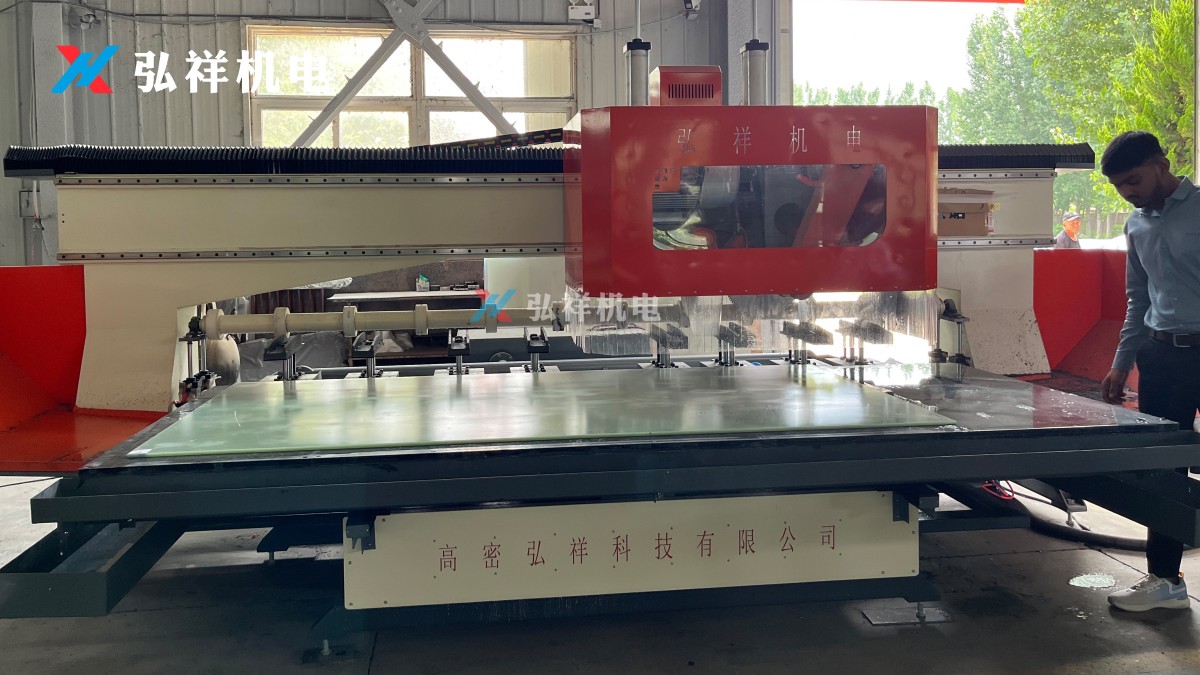
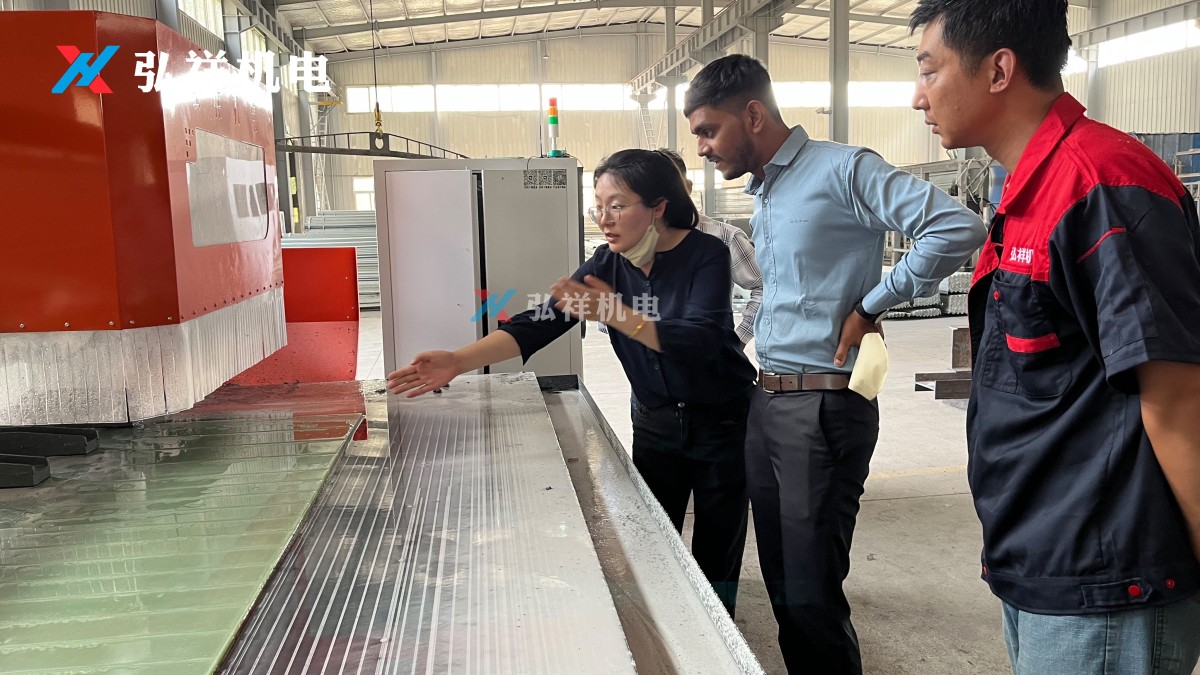
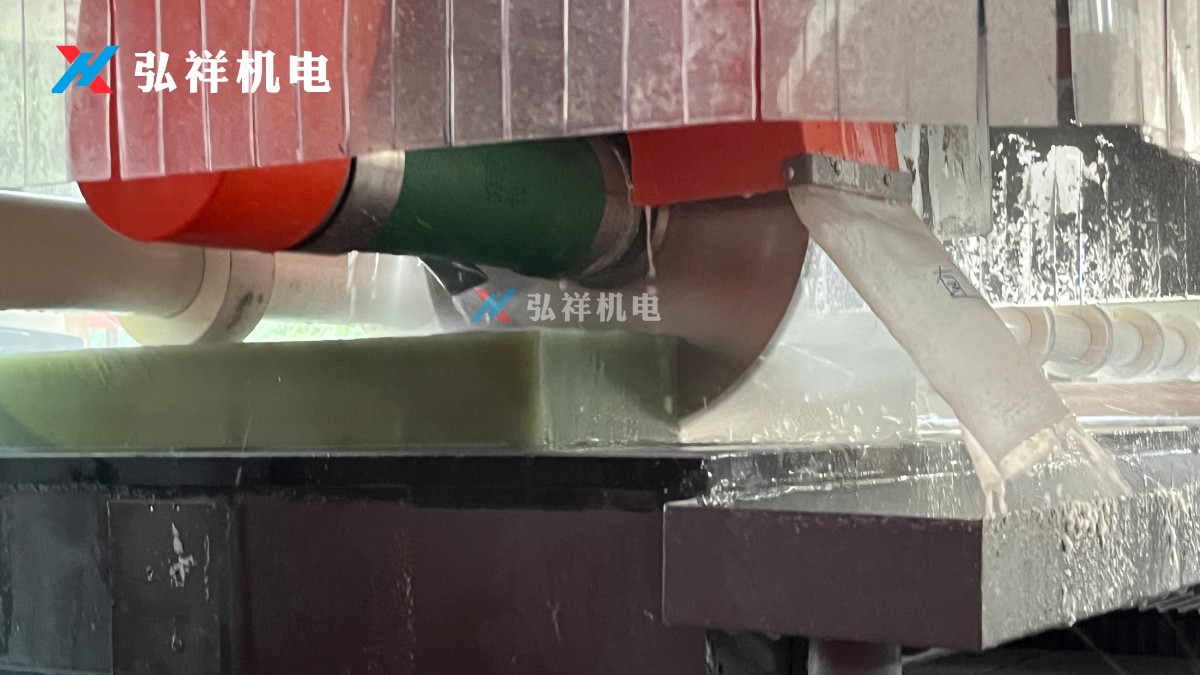
Actual operating conditions create different insulation risks
The same insulating cardboard can behave very differently across transformer projects. The difference often comes from thermal load, oil quality, moisture exposure, and assembly precision.
In practice, export projects also add transport and storage variables. Long logistics cycles, climate changes, and delayed installation can weaken insulation performance before energization.
Companies such as Gaomi Hongxiang Electromechanical Technology Co., Ltd. work across transformer assembly, insulating cardboard processing, laminated wood parts, and insulating components.
That broader manufacturing view matters. It shows that insulation life is linked to the full process chain, from raw material handling to after-sales service support.
A cardboard part cut accurately but stored poorly may age faster than a modest design handled under stricter process control. That is a common but avoidable gap.
When humidity is the main threat, control starts before assembly
One common scenario is transformer production or repair in humid regions. Here, moisture pickup becomes the first reason insulating cardboard loses dielectric reliability.
In this case, How to extend the lifespan of insulating cardboard in transformers? depends heavily on drying discipline and exposure time management.
The critical point is not only final drying. Reabsorption during waiting, transfer, trial fitting, and open-air handling can undo earlier process effort.
A practical approach includes controlled storage, sealed packaging after drying, shorter staging time, and faster transition from machining to impregnation or final assembly.
Moisture-sensitive jobs also benefit from checking workshop dew point rather than only room temperature. Cardboard reacts to ambient water content, not to labels on the air-conditioner.
- Store processed parts away from floor contact and external wall condensation.
- Limit unpacked exposure during coil and core fitting operations.
- Match drying cycles to actual part thickness and geometry.
- Recheck moisture condition after transport or delayed installation.
In high-load units, thermal management matters more than extra thickness
Another frequent scenario appears in transformers that face repeated load peaks. In these units, thermal aging often advances faster than expected.
Here, the question How to extend the lifespan of insulating cardboard in transformers? should focus on hot-spot control, oil circulation, and contact pressure stability.
Simply selecting thicker insulating cardboard may raise cost and change assembly tolerances, while doing little to reduce the real thermal cause.
Thermal stress becomes more severe when ducts are restricted, spacers deform, or winding compression shifts during service. Heat concentration then accelerates cellulose aging.
Machine processing accuracy is important here. Stable dimensions in insulating cardboard and laminated wood parts help preserve cooling paths and load-bearing geometry.
For this scenario, better results usually come from balancing design margin and heat dissipation, rather than from broad overdesign.
What to check in thermally demanding service
During repair and retrofit, fit and compatibility become the real issue
Service projects create a different situation. Existing transformers often carry aging deformation, oil contamination history, or undocumented dimensional deviation.
In these cases, How to extend the lifespan of insulating cardboard in transformers? is less about ideal catalog properties and more about fit, matching, and process recovery.
A newly machined part can still perform poorly if compression is uneven or if adjacent components were not restored to the same tolerance logic.
This is where integrated manufacturing capability helps. When insulating cardboard parts, laminated wood elements, and related insulating pieces are coordinated together, assembly errors are easier to prevent.
Retrofit work also needs attention to oil cleanliness and drying recovery. Installing quality parts into a contaminated internal environment rarely delivers long insulation life.
Different transformer situations do not need the same answer
A useful way to answer How to extend the lifespan of insulating cardboard in transformers? is to compare the actual service context before choosing actions.
This kind of comparison usually prevents unnecessary spending. It also reduces the risk of solving the wrong problem with a more expensive material grade.
Common misjudgments that shorten service life
One common mistake is judging insulating cardboard only by initial specification sheets. Real lifetime depends on how the material behaves after machining, drying, compression, and oil exposure.
Another mistake is treating similar transformers as identical service cases. Small differences in load profile or local climate can change the correct insulation strategy.
A third error is optimizing purchase cost while ignoring maintenance access, replacement interval, and downtime impact. The cheapest part can become the most expensive failure point.
There is also a process blind spot in machine shops. Burrs, edge damage, poor hole accuracy, and uncontrolled pressing force can create local stress concentration.
These details seem minor during fabrication. Under thermal cycling and oil aging, they become the places where insulation reliability starts to weaken.
Practical ways to extend life without overdesign
How to extend the lifespan of insulating cardboard in transformers? The practical answer is usually a controlled combination of material selection, process control, and service verification.
- Define insulation requirements by moisture, temperature, and mechanical stress together.
- Use machining tolerances that protect oil ducts, compression paths, and assembly repeatability.
- Set storage and transfer rules for dried cardboard parts.
- Inspect repaired units for fit, dryness recovery, and contamination risk before closing.
- Adjust maintenance intervals where load volatility or climate exposure is high.
In many projects, the most effective improvement is not dramatic. It is the steady removal of small process losses across manufacturing and service stages.
A better next step starts with condition mapping
If the goal is to improve insulation life without overdesign, begin by mapping the actual conditions around each transformer build or repair task.
Check humidity exposure, thermal duty, dimensional stability, oil condition, transport duration, and maintenance frequency. Those factors explain most lifetime differences.
Then compare whether the present answer is a material issue, a process issue, or a service issue. That distinction prevents expensive but ineffective changes.
How to extend the lifespan of insulating cardboard in transformers? In most real applications, the durable answer comes from matching insulation decisions to the working scene, not from overbuilding every part.
NAVIGATION
MESSAGE
Request A Quote?