0000-00
How to Vet an Insulating Cardboard Supplier in South America
Choosing the right insulating cardboard supplier in South America is a high-impact decision.
Quality, compliance, delivery stability, and total cost all move together.
In transformer and industrial equipment manufacturing, weak insulation materials create expensive downstream problems.
That is why supplier screening should go beyond a price sheet.
A capable insulating cardboard supplier in South America supports product safety, process consistency, and faster procurement decisions.
The practical question is simple: how do you separate a reliable partner from a trading intermediary with limited control?
Start With Technical Fit, Not Just Regional Presence
Many buyers begin with geography because local supply feels safer.
That matters, but technical fit matters more.
A true insulating cardboard supplier in South America should match your voltage class, application environment, and processing needs.
For transformer manufacturing, review density, dielectric strength, moisture behavior, thickness tolerance, and mechanical stability.
If the supplier also provides insulating laminated wood or formed insulating parts, that is often a good sign.
It suggests broader process understanding, not just commodity resale.
Questions to ask early
- What grades of insulating cardboard are available for transformer use?
- What thickness range and tolerance can be controlled consistently?
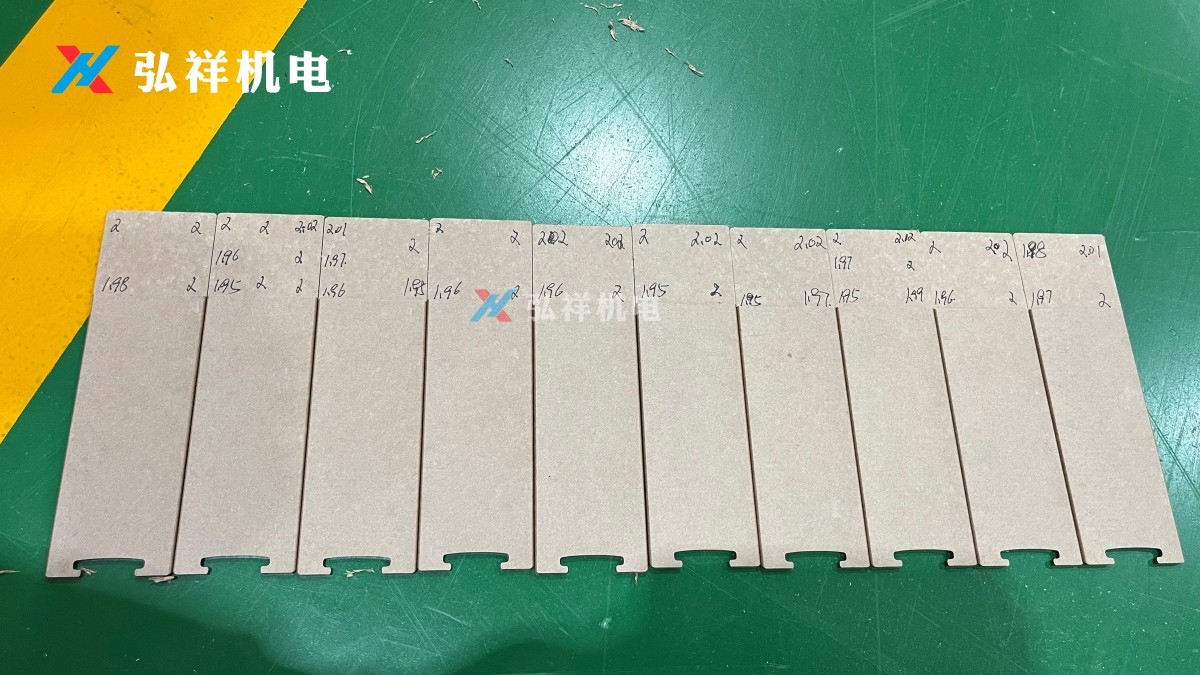
- Can the supplier support slitting, forming, punching, or custom machining?
- Which standards, test methods, and incoming material controls are used?
- Can the supplier provide application references in similar industries?
A supplier that answers clearly usually has stronger factory control.
Check Whether the Supplier Is a Manufacturer or a Broker
This step is often overlooked.
A broker may still add value, but risk visibility is lower.
When evaluating an insulating cardboard supplier in South America, ask who controls production, inspection, and traceability.
If manufacturing is outsourced, lead times and quality accountability can shift quickly.
In actual procurement work, this becomes visible only when a rush order or nonconforming batch appears.
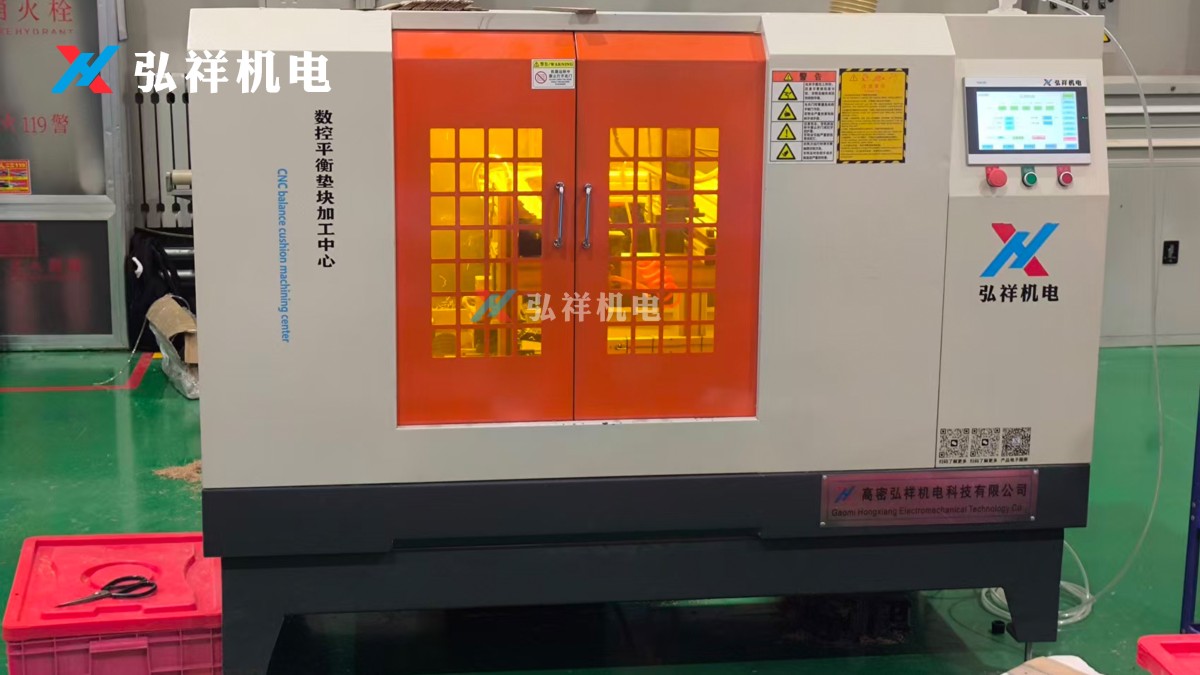
More telling signals include factory videos, equipment lists, process flow documents, and sample trace records.
Useful verification points
- Request the production address and business registration details.
- Ask for main equipment used in pressing, cutting, drying, and forming.
- Review batch numbering and lot traceability procedures.
- Confirm who handles final inspection and release approval.
- Check whether engineering support comes from the factory team.
These checks reveal how much control the supplier truly has.
Review Quality Systems and Material Consistency
Consistency matters more than a single good sample.
The best insulating cardboard supplier in South America should show repeatable performance across batches.
Ask for routine test items, control limits, and how nonconforming material is handled.
Look at moisture content management, dimensional control, packaging methods, and storage conditions.
For electrical insulation products, poor storage can damage otherwise acceptable material.
This is especially important in humid logistics environments.
What good quality control usually includes
- Incoming raw material inspection with documented criteria.
- In-process checkpoints for thickness, density, and appearance.
- Finished product testing tied to each lot.
- Clear retention samples and records for complaint handling.
- Protective packaging that limits moisture absorption in transit.
A reliable insulating cardboard supplier in South America should discuss these points without hesitation.
Validate Compliance, Documentation, and Export Readiness
Paperwork is not just paperwork.
It reflects process maturity and export discipline.
When screening an insulating cardboard supplier in South America, review technical datasheets, certificates, inspection reports, and shipping documents.
You should also verify whether the supplier understands destination market requirements and packaging norms.
From recent market shifts, stronger suppliers are becoming more documentation-driven because buyers demand lower audit risk.
That also means faster approvals once the supplier passes qualification.
Documents worth requesting
- Product datasheets with test values and tolerance ranges.
- Certificates related to quality systems or material compliance.
- Recent batch inspection reports.
- Export packing specifications and labeling details.
- Customer complaint and corrective action examples, if available.
A supplier with clean documents usually manages operations more predictably.
Evaluate Delivery Performance and Supply Chain Stability
A low quote loses value if production stops waiting for material.
That is why delivery performance deserves equal weight.
The right insulating cardboard supplier in South America should explain normal lead time, peak season risk, safety stock strategy, and contingency planning.
If your demand includes custom-cut parts, check setup time and changeover responsiveness.
In cross-border business, packaging quality and shipment coordination influence on-time receipt just as much as factory output.
A supplier with stable exports to Southeast Asia, South America, India, Pakistan, or Russia often has stronger logistics discipline.
Red flags on delivery
- Lead times change with every inquiry.
- No buffer plan exists for raw material shortages.
- Packaging details are vague or inconsistent.
- Shipment records cannot be shared.
- Rush order handling is promised but not evidenced.
These signs usually lead to procurement friction later.
Compare Total Value, Not Just Unit Price
Price still matters, of course.
But procurement mistakes often start when price becomes the only filter.
An insulating cardboard supplier in South America should be assessed on total landed value.
That includes yield, scrap rate, machining accuracy, complaint risk, freight efficiency, and engineering support.
A slightly higher material price may reduce hidden losses in production.
This becomes even more obvious in transformer assembly or precision insulating part applications.
A simple decision matrix
This approach keeps the conversation grounded in business impact.
Look for Engineering Support and Long-Term Partnership Potential
The strongest suppliers do more than ship sheets or rolls.
They help solve process problems.
A capable insulating cardboard supplier in South America should support material selection, part optimization, and manufacturing coordination.
That is especially relevant when projects involve transformer assembly, insulating laminated wood, EVA molding, or custom insulating components.
Suppliers with integrated R&D, design, production, sales, installation, training, and after-sales support usually respond faster when requirements change.
In a market that increasingly values flexibility, that is a real competitive advantage.
Signs of partnership value
- Fast technical feedback during quotation and sampling.
- Willingness to discuss process improvement, not just sales terms.
- Ability to scale from samples to stable mass production.
- Experience serving export markets with different compliance needs.
- Clear after-sales handling for quality or delivery issues.
In practice, these strengths lower risk across the full procurement cycle.
A Practical Shortlist Process
To keep evaluation efficient, use a staged filter.
- Screen for application fit and export experience.
- Verify manufacturing control and documentation quality.
- Request samples and recent inspection data.
- Score delivery reliability and response speed.
- Compare total value, not only unit price.
- Run a pilot order before long-term nomination.
This sequence helps reduce avoidable surprises.
It also makes internal alignment easier when multiple stakeholders review options.
A dependable insulating cardboard supplier in South America should earn confidence through evidence, not claims.
When quality systems, technical capability, and supply reliability line up, procurement becomes far more predictable.
That is the real goal behind supplier vetting.
If you are building a shortlist now, begin with your application requirements and test each supplier against measurable proof points.
That simple discipline will help you choose an insulating cardboard supplier in South America with fewer risks and better long-term value.
NAVIGATION
MESSAGE
Request A Quote?