0000-00
Choosing the right Transformer electrical layer-pressed wood processing equipment manufacturer in China is crucial for distributors, agents, and dealers seeking stable quality, technical support, and long-term market competitiveness. With growing demand for transformer insulation materials and precision machinery, evaluating a manufacturer’s production strength, R&D capability, export experience, and after-sales service can help you reduce risks and build a reliable supply partnership.
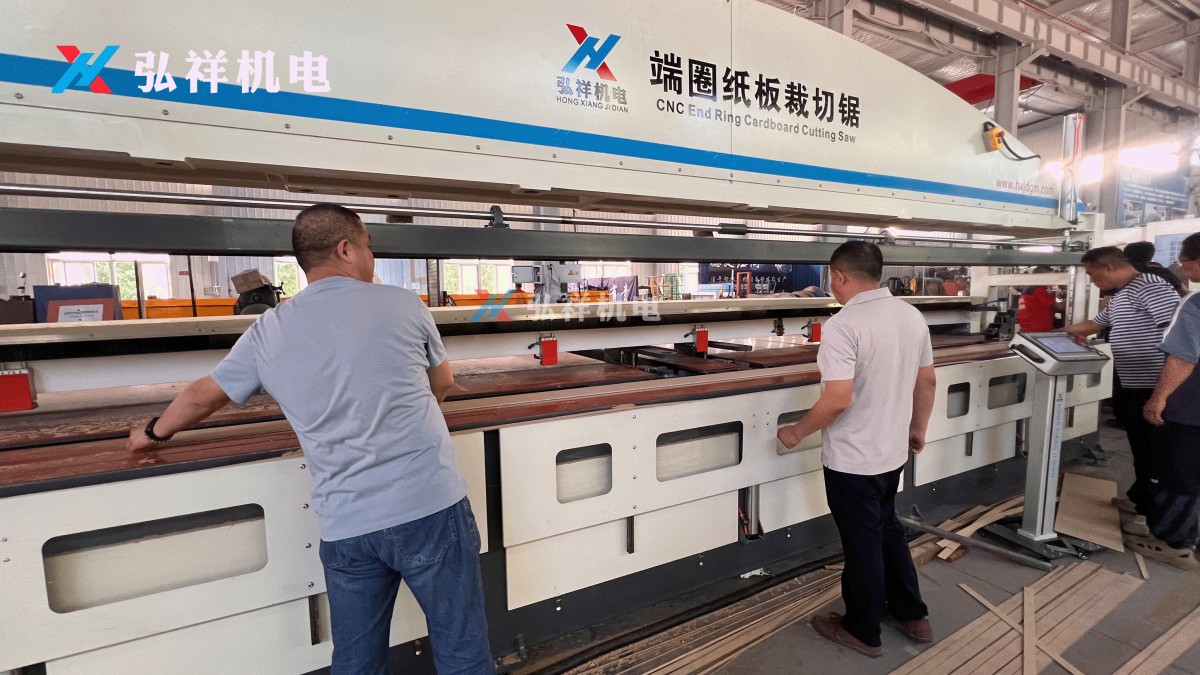
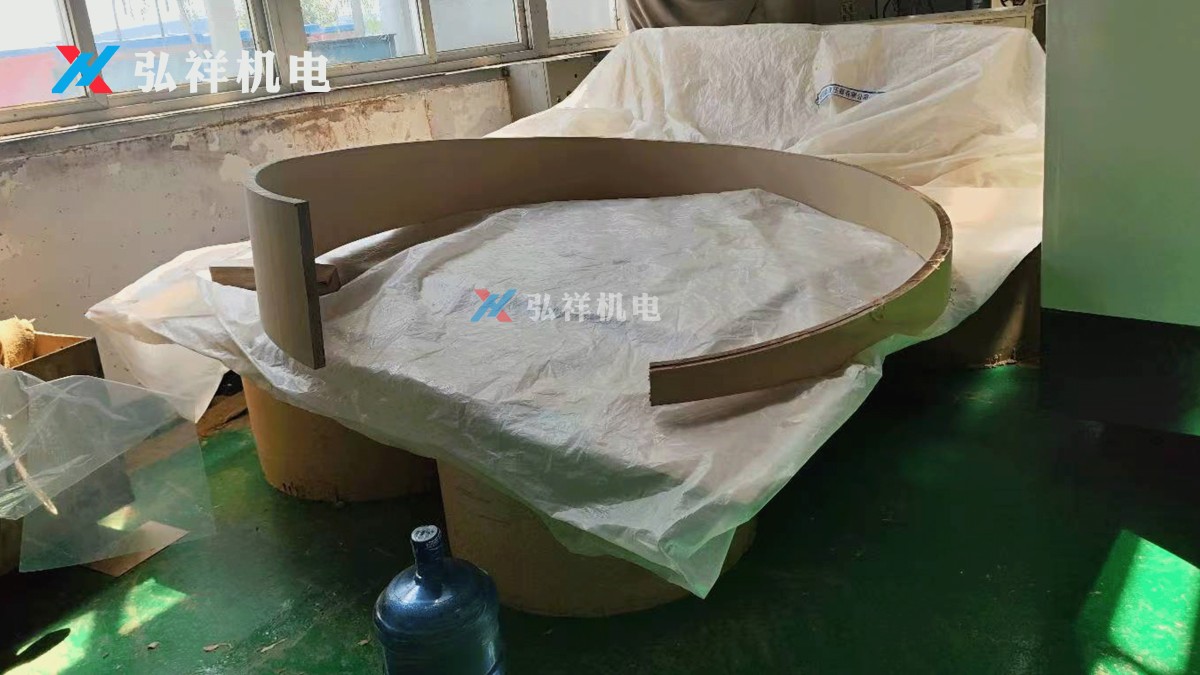
What this equipment category means in the transformer industry
Layer-pressed wood equipment is specialized machinery used to process insulating laminated wood and related electrical insulation components for transformers and other power equipment. In practical terms, a Transformer electrical layer-pressed wood processing equipment manufacturer in China supplies machines that help factories cut, shape, press, drill, trim, and finish insulation materials with high dimensional accuracy and repeatable quality.
For distributors and agents, this is not a narrow niche. It sits at the intersection of transformer manufacturing, electrical insulation processing, and machine tool equipment. The buyers of such machinery often include transformer plants, insulation material processors, repair workshops, and engineering companies expanding local production capacity. That is why assessment should go beyond catalog specifications. You are not only selecting a machine supplier; you are choosing a technical partner that can support your downstream customers for years.
A capable Chinese manufacturer in this segment typically combines machine design, process understanding, installation, operator training, and after-sales response. Companies with experience in insulating cardboard, insulating laminated wood, insulating parts, and customized special machines often understand the production realities of transformer factories better than general-purpose equipment suppliers.
Why the market pays attention to Chinese manufacturers
China has become a major source of industrial machinery because it offers a wide manufacturing ecosystem, component supply flexibility, and scalable production. In the field of transformer insulation processing equipment, this matters even more. Machines for layer-pressed wood must align with material behavior, electrical insulation requirements, and productivity targets. The market values manufacturers that can balance cost efficiency with process stability.
For overseas distributors, Chinese suppliers are attractive when they can deliver three things consistently: dependable equipment quality, engineering responsiveness, and export-ready support. A reliable Transformer electrical layer-pressed wood processing equipment manufacturer in China should not simply offer low prices. It should show evidence of stable manufacturing, professional documentation, and practical adaptation to different markets such as Southeast Asia, South America, India, Pakistan, and Russia.
This is also where companies with integrated capabilities stand out. A manufacturer that combines R&D, design, production, sales, installation, training, and after-sales service is often better prepared to help channel partners solve customer issues quickly. That integrated structure usually reduces communication gaps between the sales promise and the actual machine performance.
Core value for distributors, dealers, and agents
Distributors do not succeed by reselling equipment alone. They succeed when the equipment performs reliably in the customer’s workshop, creates repeat orders, and protects reputation in the local market. Assessing a Transformer electrical layer-pressed wood processing equipment manufacturer in China therefore has direct business value in several areas.
First, strong equipment quality lowers warranty pressure. Machines handling laminated wood and insulation materials need stable spindle performance, accurate motion control, suitable cutting systems, and predictable finishing quality. If these basics are weak, local channel partners bear the burden.
Second, technical compatibility affects sales conversion. End users may need standard machines, customized lines, or modifications for local voltage, factory layout, safety rules, or product dimensions. A manufacturer with engineering depth can help you close more projects.
Third, after-sales readiness shapes long-term trust. Spare parts, online troubleshooting, training materials, and commissioning support determine whether one sale becomes a long-term account. In industrial machinery, service quality often matters as much as the initial equipment design.
A practical overview of assessment priorities
Before discussing detailed checks, it helps to organize assessment around a few core dimensions. The table below gives a practical overview for channel partners reviewing a Transformer electrical layer-pressed wood processing equipment manufacturer in China.
How to evaluate manufacturing strength in a meaningful way
Manufacturing strength is more than factory size. A serious assessment should focus on whether the supplier can produce stable machines repeatedly, not just one good sample. Ask how major machine frames are fabricated, how critical components are sourced, and how final assembly is checked. If possible, request videos or live inspections of machining, assembly, testing, and packing processes.
A strong Transformer electrical layer-pressed wood processing equipment manufacturer in China should be able to explain the workflow behind each machine: material feeding, pressing or shaping method, precision control, safety logic, and final test standards. Clear answers indicate process discipline. Vague answers often suggest trading activity rather than true manufacturing competence.
It is also useful to check how the manufacturer handles non-standard orders. Many customers in the transformer industry have specific product sizes, insulation grades, or layout constraints. A supplier that can adapt machine structure or tooling without losing reliability is more valuable than one that only offers rigid standard models.
Why R&D capability is a deciding factor
In this industry, R&D is not just about new inventions. It is about solving real production problems: improving cutting quality, reducing material waste, increasing automation, simplifying operation, or adapting a machine for a different insulating component. For a distributor, R&D depth directly affects how many market opportunities you can support.
Manufacturers with their own design and development teams usually provide better long-term cooperation because they can modify equipment, upgrade software, refine tooling, and develop special-purpose machines when customers need something beyond a standard brochure. This is especially important in applications linked to artificial intelligence manufacturing or advanced transformer component processing, where production lines may evolve quickly.
A useful question is whether the manufacturer understands both the machine and the material. Insulating laminated wood and electrical insulating cardboard behave differently from metal or plastic. Equipment design must reflect that. The best suppliers combine machine tool knowledge with actual insulation processing experience.
Typical customer segments and application directions
Not every buyer uses the equipment in the same way. Understanding the main customer categories helps distributors match the right machine configuration to the right project and also helps evaluate whether a Chinese supplier has broad enough application experience.
Export experience and communication quality
Export experience is often underestimated. A manufacturer may build decent machines but still create difficulties through poor packing, incomplete manuals, weak communication, or slow document handling. For international channel partners, these issues can damage project timelines and customer confidence.
An experienced Transformer electrical layer-pressed wood processing equipment manufacturer in China should be familiar with export packaging, installation guidance, spare parts lists, and technical communication across time zones. It is a positive sign when a supplier can provide clear drawings, operation instructions, videos, and structured quotations without repeated correction. Companies already serving markets in Asia, South America, and other overseas regions often have a more mature understanding of logistics and customer expectations.
After-sales service as a long-term market asset
For machine tool equipment, after-sales service is not a secondary feature. It is part of the product. Your local reputation depends on how quickly issues are diagnosed, whether spare parts are available, and whether operators can use the machine correctly from day one.
When evaluating suppliers, ask practical questions: How is commissioning handled? Is remote video support available? What training is included? Which spare parts should be stocked locally? How are service cases recorded and closed? The answers reveal whether the manufacturer sees service as a formal system or an informal promise.
Manufacturers that integrate installation, training, and after-sales service into their core business model are generally better partners for distributors. They help shorten the learning curve for end users and reduce avoidable service disputes.
Practical recommendations before entering cooperation
A sound evaluation process should combine technical review and commercial review. Start with machine suitability for target applications, then verify manufacturing and support capacity. Ask for reference cases close to your market, material type, or transformer segment. Review sample outputs, if relevant, and compare not only machine parameters but also service scope.
For distributors planning long-term cooperation, it is wise to prioritize manufacturers that can grow with your market. A Transformer electrical layer-pressed wood processing equipment manufacturer in China with diversified experience in insulating cardboard, laminated wood, insulating parts, and special machine development can often support a broader product roadmap. This gives you room to expand from single-machine sales to deeper technical partnerships.
In short, the best supplier is not merely the one with the lowest quotation. It is the one with proven production discipline, real application understanding, export reliability, and service systems that protect your customers and your brand. If you are building a distributor network or looking for a dependable manufacturing partner, a structured assessment today will create stronger market confidence tomorrow.
NAVIGATION
MESSAGE
Request A Quote?