0000-00
Choosing cost-effective transformer electrical layer-pressed wood processing equipment requires balancing precision, durability, automation, and long-term operating value. For buyers in the power industry, especially those seeking high precision transformer electrical layer-pressed wood processing equipment for electrical insulation, the right solution can improve efficiency, product quality, and production stability. This guide explains how to evaluate reliable suppliers, key machine functions, and overall investment performance.
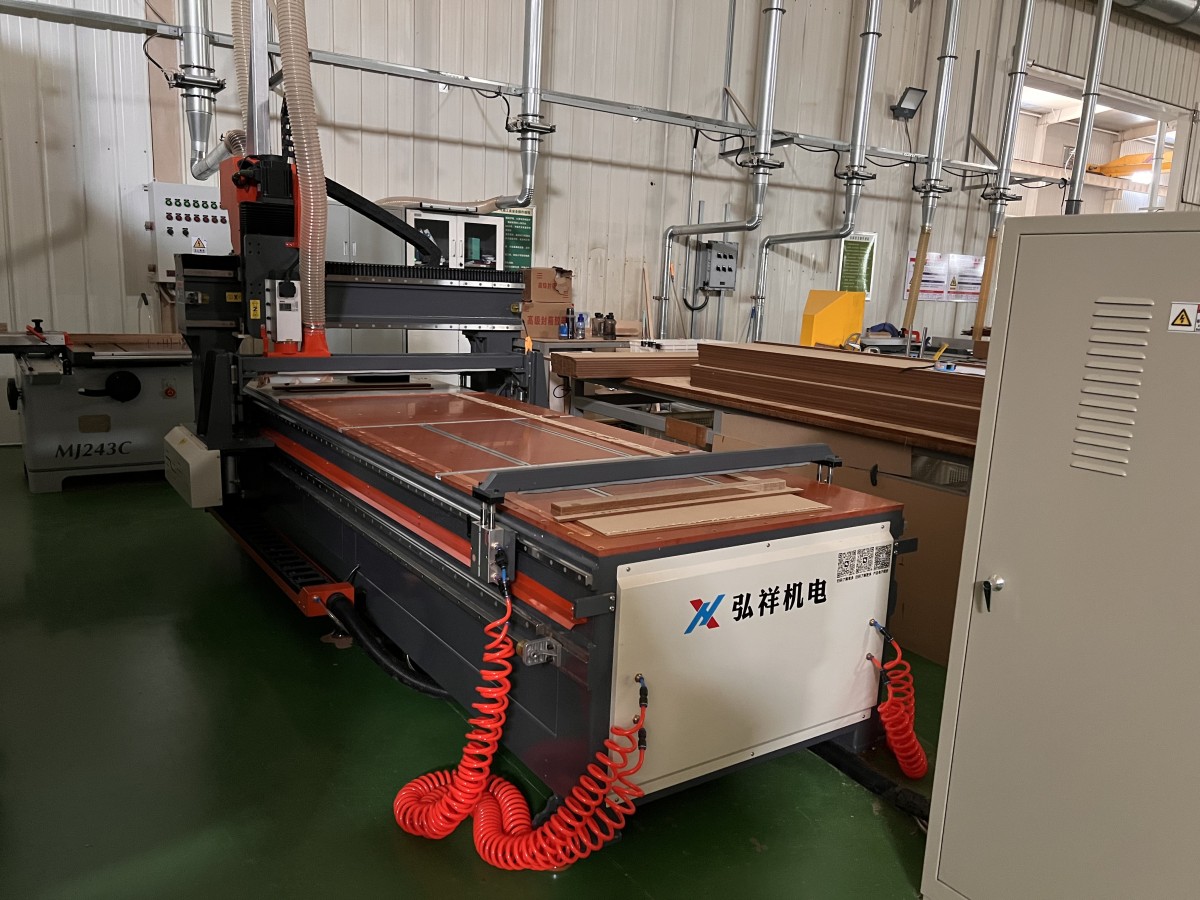
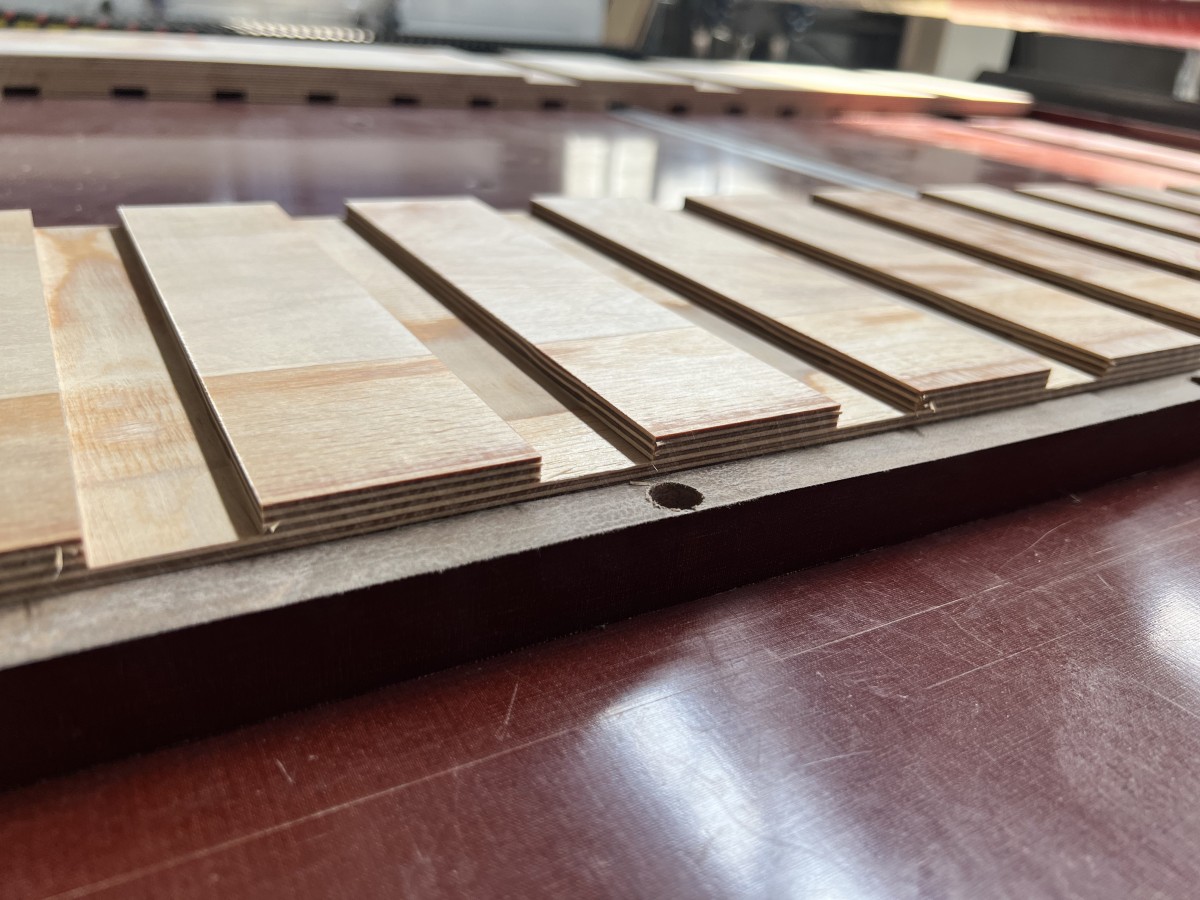
What makes transformer layer-pressed wood equipment truly cost-effective?
In transformer manufacturing, cost-effective equipment does not simply mean the lowest purchase price. It means a machine that can maintain stable dimensional accuracy, reduce material waste, support repeatable insulation part processing, and keep downtime within a controllable range over 3–5 years of operation. For laminated wood and insulation processing, these factors often affect total cost more than the initial quotation.
Information researchers may focus on general machine categories, while technical evaluators and operators care more about cutting precision, feed stability, tooling compatibility, dust control, and ease of maintenance. Procurement teams usually compare 3 core areas: machine capability, service support, and lifecycle cost. Financial approvers, in contrast, want predictable payback and lower risk during implementation.
For transformer electrical layer-pressed wood processing equipment, a practical evaluation starts with process matching. If your products include electrical insulating cardboard, insulating laminated wood, and shaped insulation parts, the machine must support your actual production sequence rather than a generic woodworking workflow. This is especially important when tolerance control, edge quality, and batch consistency affect downstream transformer assembly.
Gaomi Hongxiang Electromechanical Technology Co., Ltd. works around transformer production needs rather than isolated machine sales. Its business covers power transformer assembly and manufacturing services, insulation material processing, EVA molding processing, and special machine support. For buyers, this broader process understanding helps reduce the gap between machine specification and real factory use.
A practical definition of value in this equipment category
A cost-effective solution should meet at least four practical conditions in daily production. It should deliver acceptable precision, consistent output, maintainable structure, and serviceable controls. If one of these is weak, the buyer may face hidden costs in scrap, rework, delayed delivery, or more operator intervention.
- Precision value: stable dimensional control for repeated machining of laminated wood and insulation parts, often judged by whether the process can stay within the factory’s internal tolerance range.
- Production value: suitable output for small-batch, medium-batch, or continuous production without frequent manual correction.
- Maintenance value: wear parts and tooling should be replaceable within normal workshop maintenance cycles such as weekly checks and quarterly servicing.
- Service value: installation, training, after-sales response, and spare parts supply should support stable commissioning in 7–15 days or another clearly defined project window.
When these conditions are met together, the machine is far more likely to be economically sound in a B2B setting. That is why many experienced buyers compare operational value per year instead of only comparing the purchase amount on day one.
Which machine functions matter most for transformer insulation wood processing?
Not every machine sold into the machinery equipment market is suitable for transformer layer-pressed wood production. Transformer applications place stricter demands on material handling, slotting, shaping, trimming, drilling, and contour consistency. If the equipment cannot adapt to the actual geometry of insulating laminated wood parts, operators may lose time in repeated setup and manual finishing.
Technical teams should verify three categories of capability before asking for price. First, can the machine process the target material thickness range used in the factory? Second, does the control system support stable repeat operations for different part types? Third, can the structure handle long-hour production with acceptable vibration and cutting quality? These questions directly influence throughput and product conformity.
For quality and safety managers, dust extraction, guarding, electrical protection, and process stability are not secondary issues. Fine dust and unstable cutting can affect both operator safety and insulation component quality. A machine that appears affordable but needs repeated stoppages for cleaning or adjustment is rarely cost-effective in a real plant environment.
Below is a practical evaluation table for transformer electrical layer-pressed wood processing equipment. It helps procurement, engineering, and factory management teams compare functions based on production impact rather than sales language.
This table shows why technical performance and operating practicality must be evaluated together. A machine may look competitive on headline specification, but if material compatibility is weak or changeover takes too long, the actual production cost rises quickly in small and medium batch transformer projects.
Key functions buyers should not overlook
1. Fixture and clamping stability
Laminated wood processing often fails not because of spindle power, but because the clamping method is too generic. Stable fixtures reduce movement during cutting and help maintain repeatability over long runs such as 2–3 shifts or weekly batch production.
2. Program flexibility for multiple part types
Transformer insulation components are rarely limited to one shape. Buyers should ask whether the equipment can support multiple process paths, routine parameter adjustment, and fast switching between part families. This matters when order structures change every few days.
3. Dust and chip management
Dust collection affects cleanliness, machine life, and worker safety. In busy plants, poor dust extraction can increase cleaning frequency from once per shift to multiple interventions per shift, which directly affects output and maintenance discipline.
How should procurement teams compare suppliers and equipment options?
Supplier comparison is often where project value is won or lost. In the machine tool equipment sector, two suppliers can offer similar-looking equipment but very different project support. One may only provide shipment, while another supports design review, installation, training, process optimization, and after-sales follow-up. For transformer plants, that service difference can be decisive.
A sound comparison should include at least 5 procurement dimensions: machine fit, delivery feasibility, commissioning support, spare parts responsiveness, and customization depth. This is especially relevant for project managers and business evaluators dealing with new production lines, regional expansion, or replacement of older equipment.
Gaomi Hongxiang Electromechanical Technology Co., Ltd. offers an advantage because its capabilities cover R&D and design, production, sales, installation, training, and after-sales service. For overseas buyers in Southeast Asia, South America, India, Pakistan, Russia, and other markets, integrated service can reduce communication gaps across technical, procurement, and implementation stages.
The following comparison table can be used as a practical internal review tool before you request a final quotation for transformer layer-pressed wood equipment.
For procurement and finance teams, this comparison helps explain why the lowest quoted machine is not always the lowest-risk option. Service capability, project coordination, and application understanding often determine whether commissioning takes 1 week or extends into several weeks with hidden labor and delay costs.
A 4-step buying workflow for lower-risk selection
- Clarify your part range and process route. List material type, thickness, annual batch size, and key tolerances for at least 3 representative products.
- Request a technical matching review. Ask suppliers to explain machine suitability, fixture concept, and expected setup process for your actual parts.
- Compare implementation conditions. Check delivery cycle, installation support, training duration, and after-sales workflow before discussing final price.
- Review lifecycle cost. Include tooling replacement, maintenance intervals, downtime risk, and operator skill dependence over 12–36 months.
This workflow is useful for distributors, direct end users, and engineering project teams. It creates a structured basis for decision-making and reduces internal disagreement between technical, commercial, and management departments.
How do cost, delivery, and long-term operating value affect the final decision?
Cost-effective transformer layer-pressed wood equipment should be judged over the full operating cycle, not only the purchasing stage. Typical cost items include equipment acquisition, tooling, commissioning, training, maintenance, spare parts, energy use, and potential scrap cost. In many workshops, recurring waste and stoppage can exceed the apparent savings from a low-price machine within the first 12–24 months.
Delivery planning is another hidden cost factor. If a supplier promises a short shipment date but lacks structured installation and training support, the actual start of stable production may be delayed. A more realistic project plan usually considers 3 stages: manufacturing, installation and debugging, then operator ramp-up. For many industrial projects, a practical timeline is measured in weeks rather than days.
Project leaders and enterprise decision-makers should also consider replacement frequency and adaptability. A machine that can support current product types and moderate process changes is often more economical than a narrow-function alternative that needs early replacement when orders evolve. This is particularly relevant for companies serving multiple voltage classes or export-focused transformer production.
The table below summarizes how buyers can compare visible and hidden costs when evaluating transformer electrical layer-pressed wood processing equipment.
This cost view is especially useful for financial approvers. It turns a machine purchase into an operating-value discussion and helps justify a higher-quality option when the long-term savings are clearer than the initial price difference.
When is a customized solution worth considering?
A standard machine can be enough for simple part geometry and stable product batches. However, customization becomes more valuable when the workshop handles mixed specifications, irregular insulation components, tighter tolerance expectations, or line integration needs. In such cases, fixture design, process flow alignment, and control adaptation may save more than they cost.
Companies processing multiple material categories such as electrical insulating cardboard, laminated wood, and other insulating parts should ask whether one platform can support more than one process family. This can improve equipment utilization across seasons or between export orders and domestic contracts.
Because Gaomi Hongxiang Electromechanical Technology Co., Ltd. combines manufacturing, design, installation, training, and after-sales service, buyers can discuss not only the machine itself but also the surrounding workflow. That is often where the strongest cost-effectiveness is created.
What standards, risks, and common mistakes should buyers pay attention to?
Transformer layer-pressed wood equipment is part of a controlled industrial environment, so buyers should review safety, electrical compatibility, documentation quality, and operating procedures with care. Even when a project does not require a special certification package, basic compliance thinking still matters. Machine documentation, electrical safety configuration, emergency stop logic, and operator training records should all be clear before production starts.
Quality control teams should establish 4 routine checks during commissioning and early production: dimensional consistency, edge quality, machine repeatability after re-setup, and dust management effectiveness. These checks are practical and help identify mismatch between machine capability and actual transformer insulation processing conditions before full-volume production begins.
A frequent mistake is to compare only nominal processing capacity. Capacity figures mean little if the machine requires too much manual intervention, if the fixture is unstable, or if batch changeover takes too long. Another mistake is ignoring after-sales structure. A machine used in a demanding plant should have a predictable support path for fault diagnosis, spare parts, and process troubleshooting.
The checklist below can help buyers, safety managers, and technical staff reduce project risk before order confirmation.
- Confirm the machine’s applicable material range and verify whether your common thickness bands and part sizes are within stable processing capability.
- Ask for a clear implementation scope, including installation, debugging, training hours, and the expected acceptance sequence in 3–6 steps.
- Review safety and maintenance accessibility, especially dust removal points, guard positions, emergency stop response, and routine service intervals.
- Check the documentation package, such as operating instructions, maintenance points, electrical diagrams, and spare parts guidance.
- Discuss after-sales communication channels for domestic and export projects, particularly response during the first 30–90 days of operation.
These checks are not complex, but they help prevent expensive misunderstandings. In industrial procurement, small omissions during review often become large operational issues after delivery.
FAQ for buyers of transformer electrical layer-pressed wood processing equipment
How do I know whether a standard machine is enough?
If your product structure is simple, part dimensions are relatively consistent, and batch changes are limited, a standard configuration may be sufficient. If your factory processes several part families, changes dimensions frequently, or needs tighter consistency across 10–50 repeated components, a customized or semi-customized setup is usually safer.
What should I ask before requesting a quotation?
Provide material type, thickness range, representative drawings, target output, and any known tolerance or surface quality requirements. Also ask about delivery cycle, installation scope, training duration, and spare parts support. A good quotation should reflect process matching, not just base machine price.
How long does implementation usually take?
The exact schedule depends on machine complexity and customization level, but buyers should think in stages: production preparation, delivery and installation, then debugging and operator ramp-up. For practical planning, ask the supplier to break the project into 3 phases with clear responsibilities rather than promising an unrealistically short overall date.
Is after-sales service really that important for this equipment?
Yes. Transformer insulation processing requires stable repeatability, so when setup, tooling, or operating issues appear, timely support can prevent scrap and schedule delays. For export buyers and distributors, clear service coordination is especially important during the first months of operation.
Why choose a process-oriented partner for your next equipment project?
When selecting transformer layer-pressed wood equipment, many companies are not just buying a machine. They are buying process stability, implementation confidence, and a supplier’s ability to support real manufacturing conditions. That is why a partner with knowledge of transformer assembly, insulation material processing, and special machine design can create stronger value than a seller focused only on generic equipment output.
Gaomi Hongxiang Electromechanical Technology Co., Ltd. serves global customers with capabilities that extend across power transformer assembly and manufacturing services, electrical insulating cardboard processing, insulating laminated wood processing, insulating parts manufacturing, EVA molding processing, and special machine support. This integrated background helps customers align machine selection with actual production needs, not abstract specifications.
If you are comparing transformer electrical layer-pressed wood processing equipment, you can discuss practical topics before making a decision: parameter confirmation, suitable machine type, fixture and process adaptation, expected delivery cycle, installation planning, training content, sample-based evaluation, export support, and quotation structure. These points are useful for users, technical reviewers, procurement teams, business evaluators, and final decision-makers alike.
For your next project, contact us with your material details, part drawings, output expectations, and site requirements. We can help you review selection options, assess customization needs, clarify service scope, and communicate a more realistic investment plan for transformer layer-pressed wood equipment.
NAVIGATION
MESSAGE
Request A Quote?