0000-00
Choosing cost-effective laminated wood processing equipment is not just about the lowest price—it is about balancing precision, durability, efficiency, and long-term service value. For procurement professionals in the machine tool equipment industry, a smart comparison can reduce production costs while ensuring stable quality for insulating laminated wood processing. This guide outlines the key factors to evaluate before making a reliable investment decision.
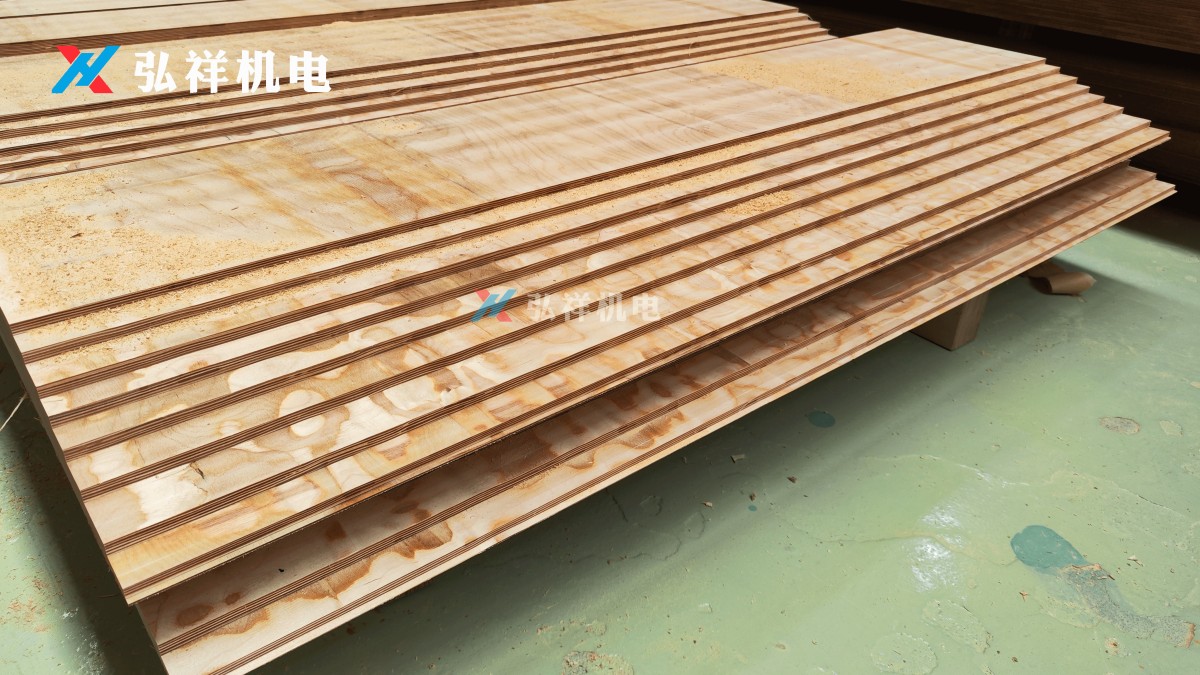
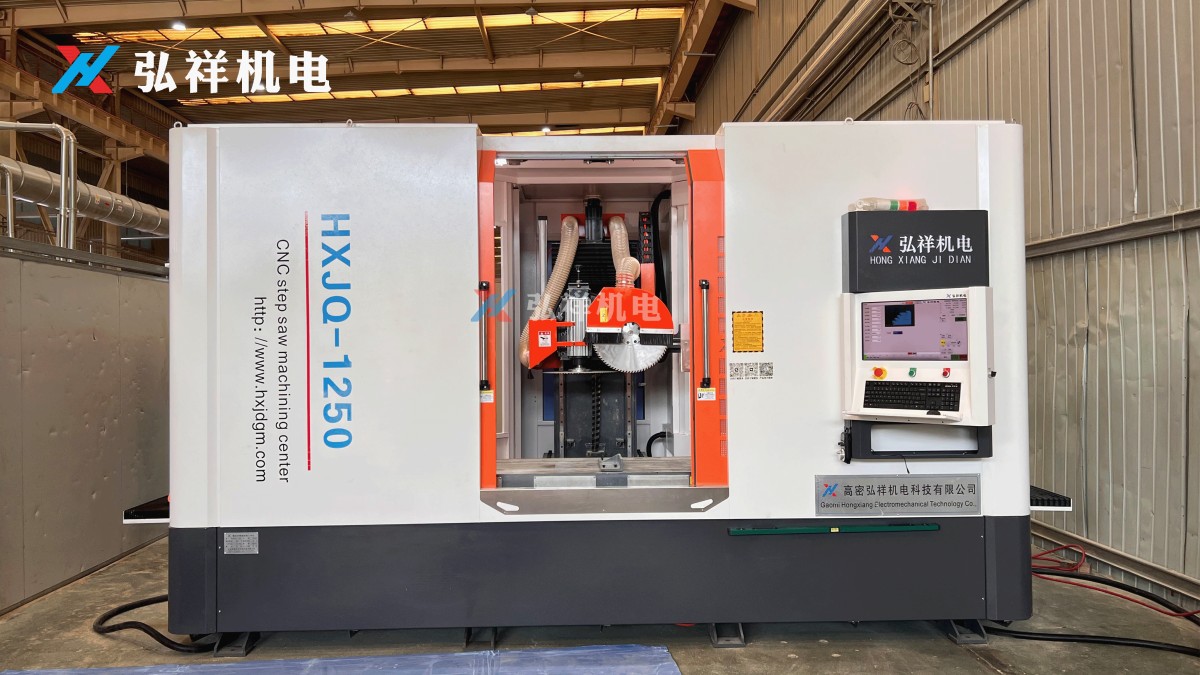
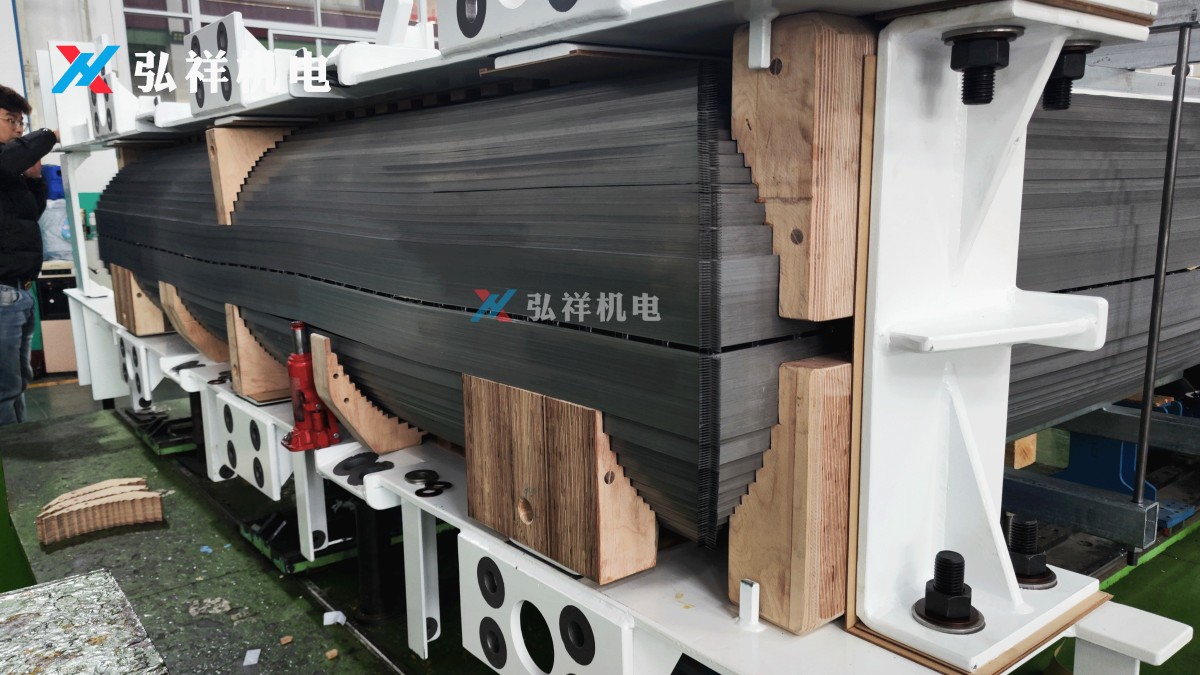
Understanding Cost-Effective Laminated Wood Processing Equipment
In the machine tool equipment sector, Cost-effective laminated wood processing equipment generally refers to machinery that can deliver consistent machining quality for insulating laminated wood while keeping total ownership costs within a reasonable range over a service cycle of 5 to 10 years. For procurement teams, this concept is broader than initial quotation. It includes machine accuracy, tooling consumption, operator efficiency, maintenance intervals, energy use, spare parts access, and the supplier’s capability to support installation and training.
Laminated wood used in transformer and electrical insulation applications has special processing requirements. Unlike ordinary timber products, insulating laminated wood demands better dimensional stability, cleaner cutting edges, controlled surface quality, and predictable machining behavior. Equipment selected for this material often needs to support slotting, drilling, milling, trimming, and profile cutting with tolerance ranges that may commonly fall within ±0.1 mm to ±0.3 mm, depending on part function and process stage.
That is why Cost-effective laminated wood processing equipment should be understood as a fit-for-purpose solution. A machine that is cheap to buy but unstable in batch processing can quickly create hidden costs through rework, scrap, delayed delivery, and excessive labor. On the other hand, a machine with balanced structural rigidity, practical automation, and dependable after-sales support often creates stronger value for buyers serving power transformer manufacturing and insulating component production.
Why the industry pays attention to this topic
The attention on Cost-effective laminated wood processing equipment has grown because manufacturers are under pressure from multiple directions at the same time: tighter delivery windows, higher labor costs, more customized insulating parts, and stronger expectations for process repeatability. In many workshops, production runs are not only large-volume standard parts. They also include medium-batch and small-batch orders that require flexible machine setup and stable repeat accuracy.
For procurement personnel, this means equipment cannot be judged on purchase price alone. A machine with a lead time of 45 to 90 days, moderate installation complexity, and easy operator training may be more practical than a lower-cost alternative that causes weeks of commissioning trouble. In facilities producing transformer insulation components, unplanned downtime of even 8 to 12 hours can affect upstream and downstream production scheduling.
Companies such as Gaomi Hongxiang Electromechanical Technology Co., Ltd., which focus on transformer assembly and manufacturing support, insulating cardboard processing, insulating laminated wood manufacturing, and custom special machine development, understand that buyers need equipment aligned with real industrial use. This is especially relevant when the machinery must fit broader production systems, not just standalone cutting tasks.
Core evaluation dimensions at a glance
- Process suitability: whether the machine is designed for insulating laminated wood rather than general-purpose wood processing.
- Accuracy and repeatability: whether it can maintain stable dimensions across 100, 500, or 1,000 similar parts.
- Productivity balance: whether output per shift is improved without creating excessive setup or programming time.
- Lifecycle cost: whether tooling, maintenance, labor, and spare parts remain manageable over several years.
- Service capacity: whether the supplier can provide installation, training, troubleshooting, and custom adaptation when needed.
Industry Background and Practical Buying Context
In transformer-related manufacturing, laminated wood components are frequently used where insulation performance, mechanical strength, and shape consistency matter. Procurement teams in this field usually compare not only the machine itself, but also the production environment around it. Dust extraction, fixture design, feeding mode, and part geometry all influence whether Cost-effective laminated wood processing equipment will achieve expected performance in daily operation.
The market also includes a wide range of equipment structures, from simple semi-automatic drilling and sawing solutions to integrated CNC machines for cutting, grooving, milling, and contour work. As a result, the word “cost-effective” should be linked to the intended product mix. A workshop producing 20 part types per month has different priorities from one producing 200 part types with frequent design changes. Procurement decisions should reflect actual production complexity, not generic assumptions.
Another practical concern is supplier capability. In machine tool procurement, the equipment itself is only one part of the decision. Buyers should also review drawing communication speed, customization response, assembly quality, training depth, and after-sales organization. For export-oriented projects, packaging method, remote technical support, and spare part dispatch cycles within 7 to 15 working days may become decisive factors.
Typical equipment categories in laminated wood processing
Before comparing quotations, procurement teams benefit from a basic classification of machine types. Different structures suit different processing tasks, labor models, and investment levels. The table below gives a practical overview that can help narrow down the search for Cost-effective laminated wood processing equipment.
This classification shows that not every buyer needs the same level of automation. In many cases, a well-configured semi-automatic solution is more cost-effective than a complex CNC cell if part variation is low and operators are experienced. Conversely, plants with frequent design changes often gain more from programmable equipment even if the initial investment is higher.
Current points of attention for procurement teams
Today’s procurement process is increasingly cross-functional. Purchasing departments often collect input from production managers, process engineers, maintenance teams, and quality inspectors before issuing a final order. This matters because equipment value should be measured against the full workflow, including material loading, program setup, fixture change, cleaning, and inspection. In some workshops, setup time can account for 15% to 30% of total shift time, which directly affects value assessment.
International buyers also tend to look for suppliers with integrated capabilities. A company that combines R&D, design, production, installation, training, and after-sales support can often reduce communication gaps during project execution. That is particularly important for insulating laminated wood processing, where machine parameters may need adaptation to part thickness, density, resin characteristics, and required finish quality.
For exporters and overseas factories, practical communication capability is another major factor. A supplier experienced in serving Southeast Asia, South America, India, Pakistan, Russia, and similar markets is often better prepared for documentation clarity, packing standards, and remote coordination during commissioning.
What Creates Real Value in Daily Production
The real value of Cost-effective laminated wood processing equipment appears in everyday operating results. Stable dimensions, fewer burrs, reduced scrap, and lower dependence on manual correction all contribute to a better production rhythm. Procurement teams should therefore convert technical specifications into workshop outcomes. A machine is valuable when it improves yield, protects schedule reliability, and supports quality consistency shift after shift.
For insulating laminated wood, process stability is especially important because part quality can affect assembly accuracy in transformer components and related electrical insulation structures. Machines with better rigidity, dependable spindle performance, and suitable clamping systems usually provide a cleaner process window. This can lower defect rates during continuous runs of 200 to 800 pieces, where small instability becomes visible very quickly.
Long-term service value also matters. If a machine requires frequent alignment correction, hard-to-source consumables, or complex troubleshooting, the original low price loses its advantage. By contrast, a supplier that offers practical manuals, remote support, training, and spare part planning often helps customers control total production cost over a 3-year to 8-year period.
A practical comparison framework
The following comparison table can help buyers evaluate Cost-effective laminated wood processing equipment from a total-value perspective rather than a purchase-price perspective alone.
This type of comparison helps explain why many experienced buyers now focus on operating cost per qualified part rather than equipment price alone. Even a 3% to 5% reduction in scrap or a 10% improvement in setup efficiency can have a meaningful annual impact in facilities with repeated insulating component production.
Key value indicators to review
- Qualified output per shift under normal operator conditions, not only under ideal demonstration conditions.
- Average changeover time between part types, especially if your factory handles more than 10 recurring designs.
- Tool wear behavior and replacement frequency under laminated wood material characteristics.
- Maintenance accessibility, including cleaning, lubrication, and alignment inspection intervals.
- Supplier response scope, such as remote diagnosis, training content, and customization capability.
When these indicators are reviewed together, Cost-effective laminated wood processing equipment becomes easier to identify. The best choice is usually the machine that supports the most stable production economics in your own application range, not the machine with the longest list of features.
Common Application Scenarios and Equipment Matching
Different users assign different value to the same machine. A transformer insulation parts manufacturer, a workshop producing electrical insulating components, and a factory developing custom special machines may all process laminated wood, but their equipment priorities are not identical. Matching the machine to the scenario is one of the most practical ways to secure Cost-effective laminated wood processing equipment.
For example, factories focused on repeat parts with fixed dimensions may prefer simpler, robust equipment with lower operator skill requirements. Plants handling a mixed product portfolio often need CNC flexibility, fixture adaptability, and easier program storage. Procurement should therefore start with part family analysis: dimensions, thickness range, hole count, groove complexity, required finish, and monthly order fluctuation.
A useful internal review period is the last 6 to 12 months of actual production records. This allows the purchasing team to see whether future demand is driven by volume, complexity, precision, or customization. Without this review, equipment selection may be either under-specified or unnecessarily expensive.
Application-oriented selection reference
The table below links common processing situations to equipment characteristics that usually create stronger value.
This scenario-based view helps buyers avoid over-generalized comparisons. Cost-effective laminated wood processing equipment should match the actual value driver in the plant. In one factory, that may be faster repetitive drilling; in another, it may be fewer fixture changes or easier integration with insulating cardboard and related component manufacturing.
Practical warning signs during evaluation
There are also warning signs that buyers should notice early. If a supplier cannot clearly explain how the machine handles dust, tool wear, workpiece positioning, and tolerance consistency for laminated wood, the quotation may not reflect real application understanding. General machine descriptions are not enough when the material and end-use are specialized.
Another risk is unrealistic output claims without discussion of part size, operator involvement, and changeover conditions. A stated production figure has little meaning unless it includes realistic assumptions. Buyers should ask for processing logic, sample workflow, and parameter boundaries rather than relying only on headline numbers.
Finally, after-sales support should be reviewed as part of application fit. A machine that is technically acceptable but unsupported in practice may create avoidable delays, especially in export markets or in plants operating on tight transformer production schedules.
Practical Recommendations for Evaluation and Supplier Communication
A successful buying process for Cost-effective laminated wood processing equipment usually starts with clearer internal preparation. Procurement teams should collect drawings, typical part dimensions, thickness ranges, monthly output targets, tolerance expectations, and current process pain points before requesting proposals. This allows suppliers to recommend a more accurate configuration and helps avoid comparing unrelated machine concepts.
It is also useful to define a decision framework with weighted criteria. For example, some companies assign 30% to technical suitability, 25% to lifecycle cost, 20% to supplier service capability, 15% to delivery schedule, and 10% to initial price. The exact weighting will vary, but a structured method reduces the risk of buying on headline cost alone.
During technical discussion, request practical details rather than broad claims. Ask about processing ranges, fixture recommendations, spindle or cutting configuration, dust management, training duration, installation scope, and expected consumable replacement intervals. In many projects, 1 to 3 days of operator training and a defined spare parts list for the first 12 months can improve startup stability significantly.
A useful procurement checklist
- Confirm the material category, thickness range, and part geometry for insulating laminated wood products.
- Define whether the main need is cutting, drilling, slotting, milling, or an integrated multi-step process.
- Request estimated delivery time, installation requirements, and operator training arrangement.
- Review maintenance items, spare part response plan, and recommended preventive service intervals.
- Check whether the supplier can support customization if part design or production scale changes later.
Why supplier capability matters as much as machine configuration
In specialized machine tool applications, equipment performance depends heavily on engineering communication. A supplier with experience in transformer-related manufacturing and insulating material processing can often identify process details that a general machine vendor may miss. This includes fixture concepts, part handling logic, and adaptation between different insulating materials in the same production environment.
Gaomi Hongxiang Electromechanical Technology Co., Ltd. serves global customers with power transformer assembly and manufacturing support, electrical insulating cardboard processing, insulating laminated wood processing, insulating parts manufacturing, EVA molding processing, and special machine development. For procurement teams, this broader manufacturing understanding is valuable because equipment decisions rarely exist in isolation from the larger production chain.
When evaluating Cost-effective laminated wood processing equipment, a supplier able to integrate R&D, design, production, sales, installation, training, and after-sales service can help shorten communication loops and improve project coordination. This is especially useful when standard equipment must be adjusted to suit part shape, throughput targets, or export project requirements.
Why Choose Us for Your Laminated Wood Processing Project
If you are comparing Cost-effective laminated wood processing equipment for transformer insulation manufacturing or related machine tool applications, we can support your evaluation from a practical production perspective. Our business covers transformer assembly and manufacturing services, electrical insulating cardboard processing, insulating laminated wood processing, insulating parts manufacturing, EVA molding processing, and the development of special machines for advanced manufacturing needs.
This means we understand that procurement decisions must connect machine performance with actual factory requirements. Instead of focusing only on a basic quotation, we can discuss processing scope, configuration matching, customization direction, expected delivery cycle, training arrangement, and after-sales considerations. For buyers handling domestic or export projects, this helps build a more reliable equipment selection path.
Contact us if you need support with parameter confirmation, product selection, delivery schedule review, customized solution discussion, sample-based evaluation, spare parts planning, or quotation communication. If you share your drawings, part dimensions, material thickness range, and output expectations, we can help you assess which laminated wood processing solution is the most suitable and cost-effective for your production objectives.
NAVIGATION
MESSAGE
Request A Quote?