0000-00
Choosing the right Transformer electrical layer-pressed wood processing equipment manufacturer in China requires more than comparing prices. Buyers should evaluate High precision transformer electrical layer-pressed wood processing equipment, automation level, export experience, and after-sales support to ensure reliable performance in transformer insulation cardboard processing equipment and power industry applications. This guide explains the key factors that help global purchasers identify cost-effective, durable, and scalable solutions.
Why comparing Chinese transformer equipment manufacturers requires a broader view
In the machine tool equipment sector, especially for transformer insulation cardboard, laminated wood, and insulating parts processing, supplier comparison is rarely a simple price exercise. A lower quotation can hide longer commissioning time, unstable precision, weak spare parts support, or limited export coordination. For procurement teams, technical evaluators, and project managers, the real question is whether the manufacturer can support stable output over 1 shift, 2 shifts, or even continuous production cycles.
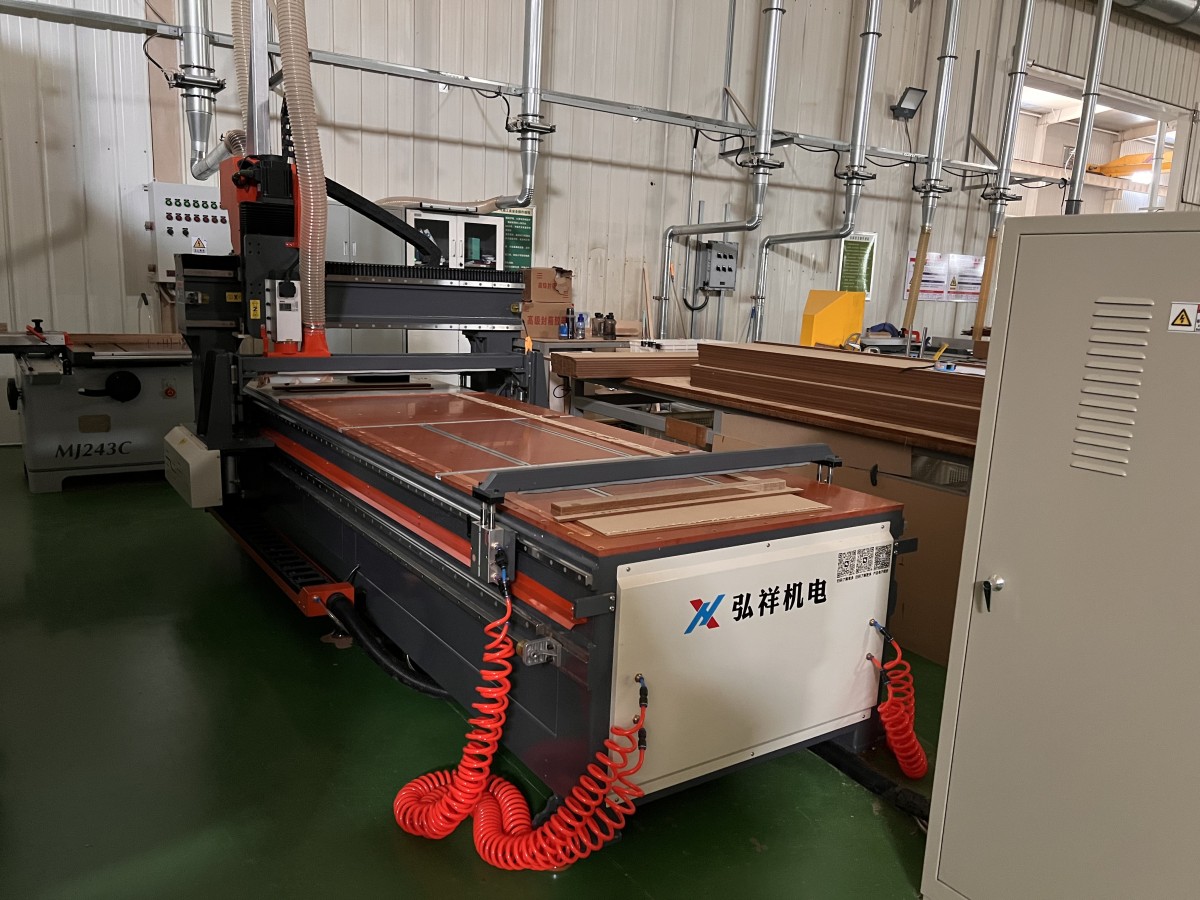
Chinese transformer equipment manufacturers vary widely in engineering depth. Some only assemble standard units, while others can integrate R&D, design, production, installation, operator training, and after-sales service. That difference matters when buyers need transformer electrical layer-pressed wood processing equipment that must match specific thickness ranges, tight dimensional tolerances, and repeatable cutting or forming quality for power transformer applications.
For global buyers, comparison should cover at least 5 core dimensions: machining precision, automation level, customization ability, delivery execution, and service responsiveness. Financial approvers also care about total cost over 3 to 5 years, not only initial machine price. Safety and quality teams usually focus on process consistency, operator protection, and inspection access. These concerns must be reviewed together rather than in isolation.
Gaomi Hongxiang Electromechanical Technology Co., Ltd. fits this broader evaluation model because it serves global customers with power transformer assembly and manufacturing services, while also processing electrical insulating cardboard, insulating laminated wood, insulating parts, and EVA molding products. Its integrated business model helps buyers who need not just a machine vendor, but a manufacturing-oriented partner that understands insulation processing and downstream transformer production requirements.
What different decision-makers usually look at first
A technical engineer often starts with processing accuracy, tooling stability, and material adaptability. A purchaser may focus on quotation structure, lead time, and replacement part cost. A business evaluator may ask whether the supplier already exports to Southeast Asia, South America, India, Pakistan, or Russia, because export familiarity can reduce communication friction and shipping errors by several steps.
Operators and maintenance teams usually care about setup simplicity, training time, safety interlocks, lubrication access, and troubleshooting support. In many projects, these practical issues decide whether a new line reaches stable output in 7 to 15 days or keeps requiring adjustments for several weeks. This is why cross-functional evaluation is essential before selecting a China transformer equipment manufacturer.
- Information researchers need a clear shortlist based on technology fit, export experience, and application relevance.
- Technical assessment personnel need drawings, tolerance logic, sample process capability, and inspection points.
- Procurement and finance teams need total cost visibility, payment milestones, and delivery risk assessment.
- Decision-makers need confidence that the supplier can scale from small batch to medium or larger batch output.
Which comparison criteria matter most in transformer insulation processing equipment?
When comparing transformer equipment manufacturers in China, buyers should build a structured scorecard rather than depend on general claims. In insulation cardboard and layer-pressed wood processing, machine performance must align with product thickness, material rigidity, moisture sensitivity, edge quality, and production rhythm. If one key parameter is overlooked, the line may appear acceptable during acceptance but become inefficient during actual use.
A practical evaluation framework usually includes 6 key checks: processing accuracy, equipment rigidity, automation configuration, material compatibility, installation support, and after-sales response. For many transformer component projects, dimensional repeatability within a defined tolerance band is more valuable than high theoretical speed. Stable results reduce scrap, rework, and downstream fitting issues in transformer assembly.
The table below helps purchasing and technical teams compare Chinese transformer equipment manufacturers using application-driven criteria instead of generic marketing language. It is especially useful for projects involving transformer insulation cardboard processing equipment, electrical laminated wood machining, and custom insulating part production.
This kind of comparison prevents a common mistake: selecting a supplier based on machine appearance or price sheet alone. A manufacturer with deeper insulation-material processing experience can often provide more realistic tooling suggestions, process adjustments, and production planning advice. That is especially important when product changeovers happen weekly or when custom components require several machining steps.
Technical points many buyers overlook
Machine tool equipment for transformer insulating materials must handle more than cutting force. Buyers should ask about burr control, edge cleanliness, fixture stability, dust collection design, and whether the equipment structure supports long-hour operation. A machine that works well for short demonstrations may perform differently during 8 to 12 hours of routine production.
Another overlooked issue is process integration. If the supplier understands both equipment manufacturing and transformer insulation component production, it becomes easier to align machine settings with the final product. Gaomi Hongxiang Electromechanical Technology Co., Ltd. benefits from this integration because its business covers transformer assembly and manufacturing services as well as insulation material processing, which helps connect machine capability with actual production needs.
A simple 4-step comparison method
- Define your materials, thickness range, part dimensions, and target output per shift.
- Ask each manufacturer for a process proposal, not only a quotation.
- Review delivery scope, training content, and spare parts support for the first 12 months.
- Compare total project risk, including export handling and commissioning support.
How to assess technical performance, customization, and machine suitability
A good China transformer equipment manufacturer should be able to discuss machine suitability in practical terms. That includes material feeding, fixture logic, tool wear behavior, panel flatness, hole or slot consistency, and batch changeover time. In machine tool equipment, suitability means the equipment can maintain acceptable output quality across a realistic configuration range, not just on one sample part.
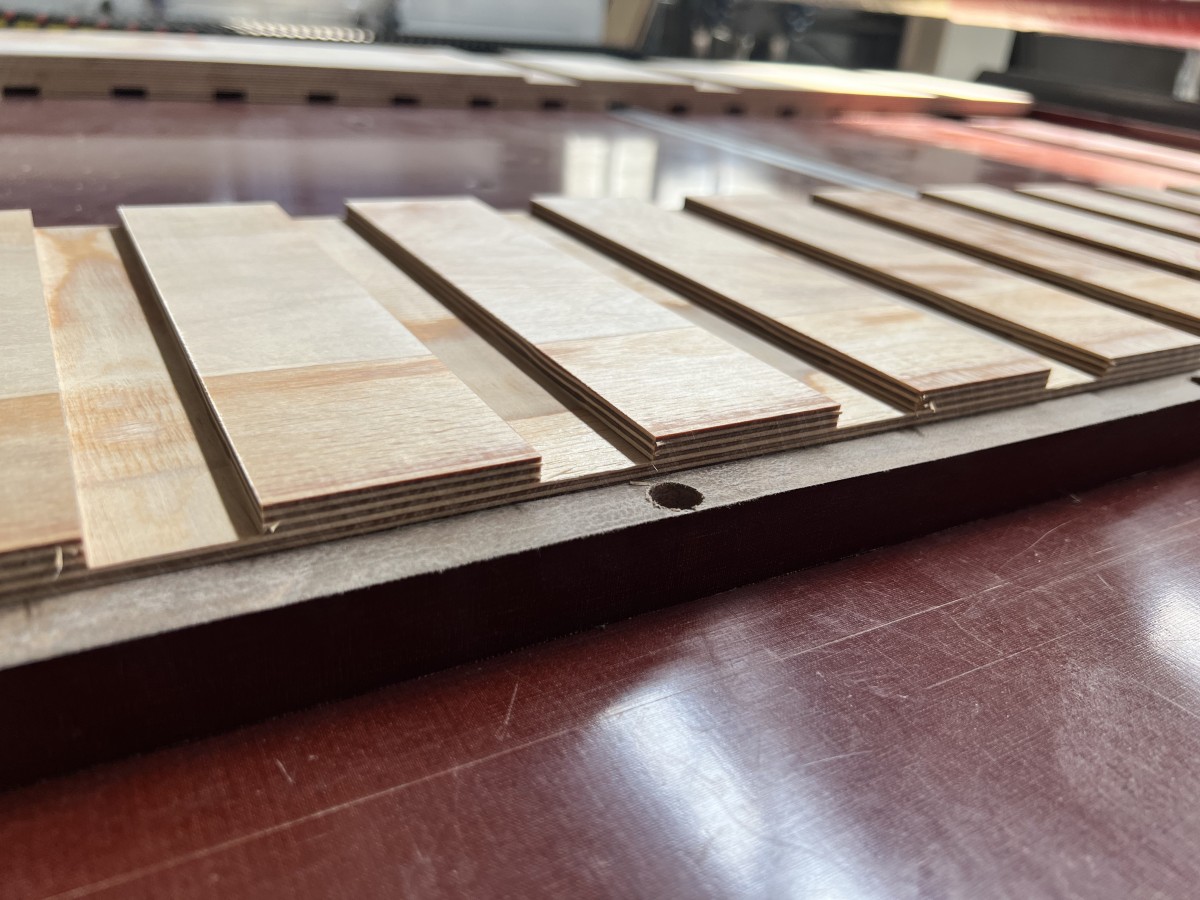
For transformer electrical layer-pressed wood processing equipment, buyers should ask how the machine handles different material densities and thickness intervals. Typical projects may involve thin insulating board, medium-thickness laminated components, and formed or shaped insulation parts. If the line must cover multiple product families, modular design and tooling flexibility become more important than peak speed alone.
Customization is another major selection factor. Some factories need standalone units; others need a coordinated process including cutting, shaping, assembly assistance, and operator training. An integrated manufacturer can shorten project communication because design, production, installation, and after-sales are linked through one organization. That often saves 1 to 3 rounds of technical clarification during implementation.
The table below provides a practical selection matrix for evaluating machine suitability in transformer insulation cardboard processing equipment and related laminated wood production lines.
This matrix shows why one machine is not automatically right for every factory. If your operation includes multiple insulation materials, changing order sizes, and tight delivery windows, the best supplier is usually the one that understands process flow and can adapt the configuration. That is more valuable than buying a narrow machine that forces additional manual work later.
Questions to ask before technical approval
- What material types and thickness ranges has the equipment already been designed to process?
- What are the usual commissioning stages, and how many days are typically needed for operator training?
- Which wearing parts need regular replacement every month, quarter, or production cycle?
- Can the supplier support future changes in product geometry or output planning?
These questions help technical evaluators, quality teams, and project leaders avoid a mismatch between machine design and actual production complexity. They are also useful when reviewing quotations from several Chinese transformer equipment manufacturers side by side.
What should procurement, finance, and project teams check before placing an order?
Procurement decisions in machine tool equipment should always consider full project cost, not just machine price. A lower-cost offer may exclude installation guidance, training, spare parts kits, or process optimization support. Over a 12 to 24 month period, those omissions can increase downtime, scrap, and dependence on external technicians. For finance teams, this directly affects payback speed and operating cost control.
Delivery and implementation are equally important. Buyers should confirm the normal lead time for standard versus customized configurations, the packaging method for overseas shipment, and the process for pre-shipment acceptance. In many machine tool projects, there are 3 practical milestones: technical confirmation, factory acceptance, and installation or remote commissioning. If those milestones are not clear, project delays become much more likely.
After-sales support is another differentiator when comparing transformer equipment manufacturers in China. The best supplier is not always the one with the biggest catalog, but the one that can respond quickly with troubleshooting logic, spare parts coordination, and operator guidance. This matters for maintenance teams and line supervisors who need predictable support during the first 6 to 12 months of operation.
A procurement checklist for B2B buyers
Before issuing a purchase order, it helps to review a consistent checklist across all suppliers. The list below is designed for transformer insulation cardboard processing equipment, electrical laminated wood processing machines, and custom insulating parts production lines.
- Technical scope: machine configuration, compatible materials, process sequence, and utility requirements are clearly defined.
- Commercial scope: quotation includes tooling, commissioning, training, packaging, spare parts, and payment milestones.
- Quality scope: inspection points, sample acceptance method, and dimensional verification process are agreed before production.
- Service scope: response channel, remote support method, and replacement part handling are described in writing.
- Project scope: lead time range, document list, and acceptance schedule are aligned with your factory plan.
Common hidden risks
One common risk is buying equipment that performs well on one demonstration material but poorly on the actual insulation grade used in production. Another is underestimating operator learning time. Even if the machine is automated, practical training may still require several sessions across setup, safe operation, inspection, and daily maintenance. A realistic supplier will explain these needs instead of minimizing them.
There is also risk in choosing a supplier with no real export routine. Documentation errors, weak packaging, or slow communication can add 1 to 2 weeks to implementation. A manufacturer with existing exports to multiple regions usually has better awareness of logistics preparation, remote support habits, and international buyer expectations.
How do standards, service process, and long-term support affect supplier value?
In transformer equipment procurement, compliance and service discipline can be just as important as the machine itself. Even when no project-specific certification is mandated, buyers should still review whether the supplier can provide standard technical documentation, inspection records, operation guidance, and installation support. These documents help quality control teams, safety managers, and maintenance staff manage the equipment after handover.
A reliable service process typically contains 4 stages: requirement clarification, solution design, manufacturing and inspection, then installation and after-sales support. Each stage should have named outputs such as drawings, sample review, acceptance checklist, operating instructions, and spare parts recommendations. Without these structured handoffs, the project depends too much on informal communication.
For equipment used in transformer insulation cardboard and laminated wood processing, maintenance planning should be discussed early. Buyers should ask which components require routine inspection every week or month, what consumables are expected, and how quickly replacements can be arranged. This is especially important for distributors, service partners, and overseas users who cannot wait long for support.
The service comparison table below can help determine whether a Chinese transformer equipment manufacturer offers real lifecycle support rather than one-time delivery.
A supplier with full-process support is often better suited for international machine tool equipment projects. Gaomi Hongxiang Electromechanical Technology Co., Ltd. stands out here because it combines R&D and design, production, sales, installation, training, and after-sales service. For buyers, this integrated structure can simplify communication and reduce coordination gaps during implementation.
Why export experience matters
A manufacturer already serving Southeast Asia, South America, India, Pakistan, Russia, and other overseas markets usually understands practical export issues such as packaging durability, shipping preparation, document consistency, and remote support timing. This does not guarantee perfect execution, but it often lowers avoidable project risk.
For dealers, distributors, and agency partners, export experience also means the supplier is more likely to support multilingual communication, phased delivery coordination, and after-sales follow-up. That can be critical when building a long-term equipment portfolio rather than placing a single order.
FAQ: practical questions buyers ask when comparing transformer equipment manufacturers in China
How should I compare quotations from different suppliers?
Compare quotations line by line instead of only checking the final number. Confirm whether tooling, training, commissioning, spare parts, packaging, and document support are included. A quotation that is 10% lower can become more expensive if key items are missing. Always ask for a technical proposal and a delivery scope summary alongside the price.
What applications are most suitable for customized transformer insulation processing equipment?
Customized equipment is especially suitable when your factory processes several material types, needs frequent part changes, or must coordinate insulation cardboard, laminated wood, and insulating parts in one workflow. It is also useful when output plans may grow from small batch to medium batch over time. In these situations, flexibility and process matching matter more than a standard off-the-shelf configuration.
What lead time is common for this type of machine tool equipment?
Lead time depends on whether the machine is standard, semi-custom, or highly customized. In practice, standard preparation and customized engineering usually require different schedules, and buyers should confirm technical freeze dates early. Instead of expecting one universal number, ask the supplier to explain the timeline by stages such as design confirmation, manufacturing, inspection, shipment, and commissioning.
What are the most common mistakes in supplier selection?
The most common mistakes are choosing by price only, ignoring operator training, skipping material-specific verification, and failing to review after-sales response methods. Another frequent issue is not involving all stakeholders. Technical staff, purchasing, maintenance, and finance teams should all review the project before approval, because each group sees a different part of the risk.
Why is an integrated manufacturer often a better fit?
An integrated manufacturer can connect design, production, installation, and service in one workflow. This often shortens communication, improves accountability, and makes customization more practical. When the supplier also understands transformer assembly and insulation material processing, it becomes easier to align the equipment with real factory use rather than only with a generic specification sheet.
Why choose us for transformer insulation processing and related machine solutions?
If you are comparing transformer equipment manufacturers in China, it is worth speaking with a supplier that understands both machine tool equipment and transformer production applications. Gaomi Hongxiang Electromechanical Technology Co., Ltd. serves global customers with assembly and manufacturing services for power transformers, while also processing electrical insulating cardboard, insulating laminated wood, insulating parts, and EVA molding products. This combination helps bridge the gap between machine capability and actual factory needs.
Our advantage is not a single machine claim, but an integrated service model covering R&D and design, production, sales, installation, training, and after-sales support. For buyers, this means clearer communication during 3 critical phases: solution confirmation, delivery execution, and start-up support. It also helps when your project requires custom configuration or future expansion for special machine applications.
If you are reviewing High precision transformer electrical layer-pressed wood processing equipment or transformer insulation cardboard processing equipment, you can contact us to discuss key points before making a final decision. We can help you check material suitability, compare configuration options, review delivery scope, and clarify support arrangements for overseas installation or remote commissioning.
You can consult us about parameter confirmation, product selection, lead time planning, customized solutions, export packaging, training content, spare parts preparation, and quotation details. For procurement teams, technical evaluators, distributors, and project owners, this makes supplier comparison faster, more practical, and better aligned with long-term production goals.
NAVIGATION
MESSAGE
Request A Quote?