0000-00
Choosing the right Laminated wood processing equipment manufacturer in China requires more than comparing prices. For business evaluators, it is essential to assess production capability, technical expertise, quality control, customization capacity, and after-sales support. A reliable manufacturer can directly influence product consistency, operational efficiency, and long-term investment value, especially in specialized industries such as electrical insulation materials and precision equipment manufacturing.
Why scenario-based evaluation matters for business assessors
When evaluating a Laminated wood processing equipment manufacturer in China, the first mistake many buyers make is treating all factories as if they serve the same application. In practice, laminated wood equipment can be used in transformer insulation production, electrical insulating component processing, custom industrial part fabrication, and special machine integration. Each scenario changes what “good manufacturing capability” actually means.
For example, a buyer sourcing equipment for transformer insulation parts may focus on dimensional stability, clean machining, and compatibility with insulating laminated wood and electrical insulating cardboard. A buyer planning a broader machine-tool investment may care more about process flexibility, fixture design, and long-term maintenance cost over a 5 to 10 year operating cycle. These are not small differences; they affect vendor selection from the start.
A business evaluator should therefore review not only what the supplier produces, but also which application scenarios the supplier understands deeply. In China’s machine tool equipment sector, a capable manufacturer often demonstrates this through process planning, sample verification, delivery coordination, and the ability to support upstream and downstream production steps rather than only shipping a standalone machine.
Key question before comparing suppliers
Before requesting quotations, define the main business scenario in measurable terms. Typical inputs include target material thickness range, expected daily output, tolerance expectations, batch frequency, and whether the line must process one product family or several. Even a difference between small-batch orders of 20 to 50 pieces and repetitive batches of 500 to 2,000 pieces can change the best supplier profile.
- Project-based procurement: usually values customization, engineering communication, and integration support.
- Stable mass production: usually values repeatability, cycle time, preventive maintenance, and spare parts response.
- Export-oriented deployment: usually values documentation, training, remote support, and packaging for overseas delivery.
This is why the most useful evaluation process is scenario-first. It helps procurement, engineering, and management align their expectations, and it reduces the risk of selecting a Laminated wood processing equipment manufacturer in China based on incomplete criteria.
Three common application scenarios and what to examine in each
In the machine tool equipment industry, laminated wood processing systems are rarely purchased for a purely generic use case. Most evaluations can be grouped into several recurring scenarios. Breaking them down helps business assessors identify which supplier strengths are truly relevant and which sales claims are less meaningful for the intended application.
Scenario 1: Transformer insulation material and component production
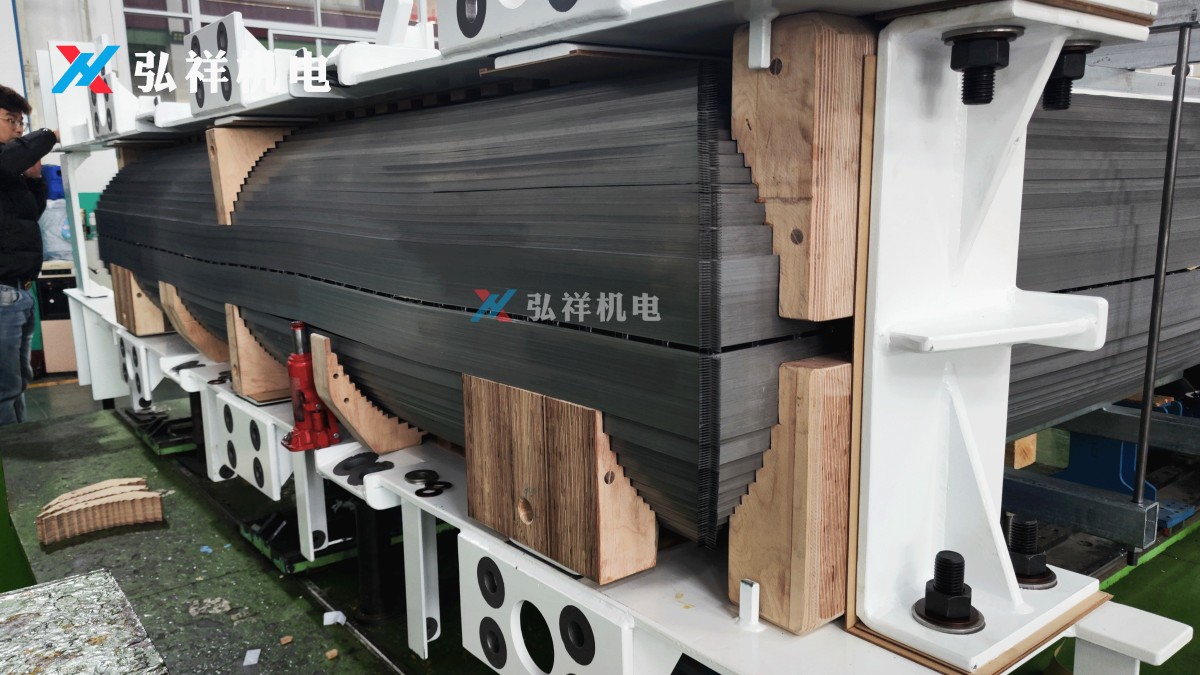
This scenario is common when equipment is used for processing insulating laminated wood, electrical insulating cardboard, and related insulation parts. Here, the manufacturer must understand material behavior, edge quality, surface cleanliness, and dimensional consistency. In many plants, even a tolerance drift of 0.2 mm to 0.5 mm can affect downstream assembly or insulation fit.
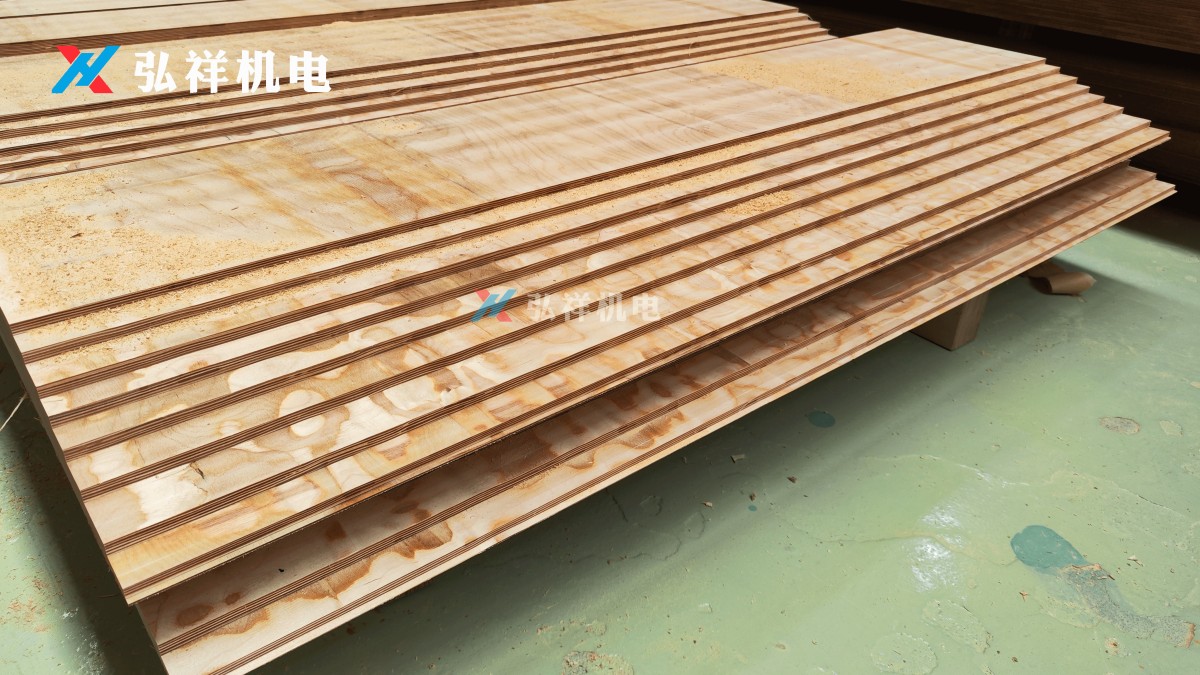
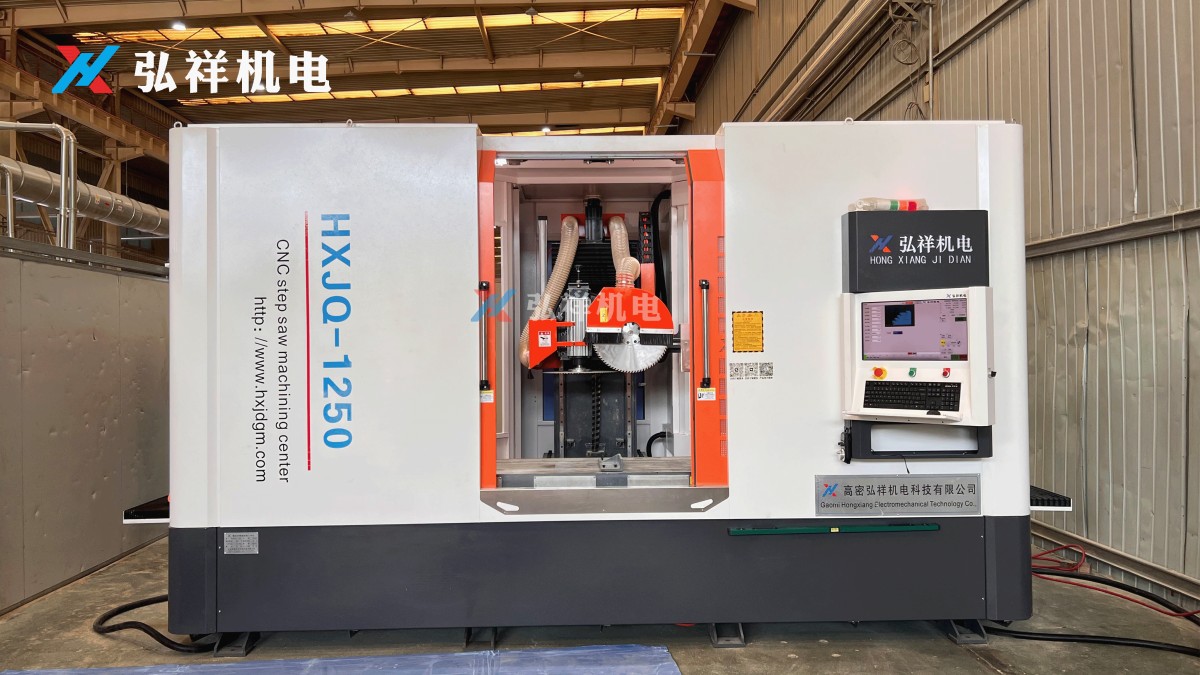
Business evaluators should check whether the supplier has practical experience with insulation-related materials rather than only general woodworking or panel cutting. The equipment structure, clamping method, cutting path, dust handling, and tool selection all matter. A strong Laminated wood processing equipment manufacturer in China should be able to explain how its equipment minimizes chipping, deformation, or unstable slotting during repeat production.
This scenario also demands careful review of process continuity. Buyers should ask whether the manufacturer supports stand-alone machines only or can coordinate feeding, forming, machining, or finishing steps. For factories producing transformer-related parts, reducing rework by even 3% to 5% can significantly improve annual output stability.
What matters most in this scenario
- Ability to process electrical insulation materials without damaging structural integrity.
- Stable repeatability in batch production across shifts and tool replacement cycles.
- Practical understanding of insulation component geometry, grooves, slots, and formed parts.
- Support for operator training and routine maintenance within the first 30 to 90 days of operation.
Scenario 2: Multi-product workshops needing flexible equipment use
Some buyers are not dedicated insulation-material manufacturers. They may run a workshop that handles laminated wood, formed EVA parts, and custom industrial components for multiple customers. In this scenario, flexibility becomes more important than single-product optimization. The supplier should be evaluated for changeover efficiency, modular configuration, fixture adaptability, and programming convenience.
For this type of user, the best Laminated wood processing equipment manufacturer in China is often not the one offering the lowest initial price, but the one that reduces switching cost between different product types. If product setups take 2 hours for every order change, annual productivity drops quickly. A capable supplier should help shorten setup time through fixture planning, software logic, and clear operator guidance.
Evaluators should also verify whether the manufacturer can support future expansion. A workshop starting with one process may later need trimming, forming, punching, or semi-automatic assembly features. Suppliers with R&D and design capability are generally easier to work with when business requirements evolve over 12 to 36 months.
Scenario 3: Export projects and overseas equipment deployment
For exporters, trading companies, or overseas factories sourcing from China, evaluation must include documentation quality, remote communication, spare part planning, and packaging reliability. A machine may perform well during testing, but if the supplier cannot provide clear electrical diagrams, operation manuals, or troubleshooting support, the project risk rises after delivery.
This scenario is especially relevant when equipment is shipped to Southeast Asia, South America, India, Pakistan, Russia, and other regions where installation conditions differ by site. Voltage adaptation, local operator experience, and maintenance response time all influence the real value of the purchase. A response commitment within 24 to 72 hours for remote service is often a practical benchmark to discuss.
A reliable Laminated wood processing equipment manufacturer in China should also show experience in export packing, component labeling, and spare-part recommendations for the first 6 to 12 months of operation. These are not marketing details; they affect commissioning speed and downtime control in overseas applications.
The table below helps business evaluators compare these scenarios using practical decision points rather than broad supplier claims.
A scenario comparison like this keeps procurement teams focused on fit. It also helps separate suppliers who understand end-use conditions from those who only provide generic machine descriptions.
How to evaluate manufacturing capability beyond the quotation
Once the application scenario is clear, the next step is to review the supplier’s real manufacturing capability. For a Laminated wood processing equipment manufacturer in China, this means more than having a workshop and a sales catalog. Evaluators should look at engineering depth, production coordination, inspection discipline, and delivery consistency.
In the machine tool equipment field, a supplier with integrated functions such as R&D, design, production, sales, installation, training, and after-sales service usually offers smoother project execution. This matters when the equipment must fit into a customer’s existing workflow, especially where upstream material handling and downstream part assembly influence machine layout and control logic.
A practical review can be organized around 6 checkpoints: technical communication speed, drawing interpretation, sample validation process, parts traceability, commissioning support, and spare-part readiness. If a manufacturer cannot answer these topics clearly during pre-sale discussion, the risk generally increases during delivery.
Signals of a capable supplier
- The supplier asks detailed questions about material grade, thickness, moisture condition, and finished-part use.
- The technical team can explain processing steps in sequence rather than only listing machine functions.
- There is a defined testing or acceptance process before shipment, often including sample runs or dimensional checks.
- Training and after-sales support are discussed early, not postponed until after payment.
Lead time and capacity considerations
Typical project lead times in this segment can range from 4 to 12 weeks depending on complexity, customization level, and whether the machine is standard or engineered for a special application. Evaluators should ask what portion of the schedule is used for design, procurement, assembly, testing, and export preparation. A transparent timeline is usually a positive sign.
Capacity should also be discussed carefully. A small supplier may offer strong engineering attention but face bottlenecks when several custom orders arrive at once. A larger supplier may deliver faster but be less flexible on modifications. The right choice depends on whether your project values speed, customization, or long-term platform cooperation.
The following table gives a structured way to assess supplier capability during factory review or online evaluation meetings.
This checklist is useful because it turns evaluation into evidence-based discussion. It is especially effective for commercial teams who must justify supplier recommendations internally.
Common misjudgments in supplier selection
A frequent error in selecting a Laminated wood processing equipment manufacturer in China is assuming that a lower initial quotation equals lower total cost. In reality, hidden costs often appear in setup delays, poor material compatibility, repeated adjustments, and insufficient training. If the line loses only 1 hour per shift because of unstable operation, the annual production impact can be far greater than a moderate price difference.
Another misjudgment is overvaluing generic machine specifications while undervaluing process matching. High spindle power, rapid movement speed, or broad material claims do not automatically mean the machine is suitable for insulating laminated wood or precision insulation parts. The supplier must show how those specifications translate into stable results in the intended use case.
Business assessors should also be careful with over-customization too early. A highly specialized design may solve a short-term need but reduce flexibility later. For companies with uncertain demand, it can be better to adopt a modular approach and confirm which functions are essential in phase one, then expand after 6 to 18 months of production feedback.
Risk signs worth checking early
- The supplier gives pricing quickly but asks few questions about product drawings or materials.
- The delivery schedule is promised without clarifying design review, testing, or acceptance conditions.
- After-sales service is described vaguely, with no clear response path for overseas users.
- There is no discussion of wear parts, maintenance intervals, or operator training duration.
Spotting these issues early helps evaluators avoid a common procurement trap: buying a machine that looks economical on paper but becomes difficult to operate in real production. In the machine tool equipment sector, long-term fit almost always outweighs short-term savings.
A practical decision framework for business evaluation
To make a strong recommendation, business evaluators should convert technical and commercial discussions into a simple decision framework. This is particularly useful when reviewing more than one Laminated wood processing equipment manufacturer in China and presenting findings to management, engineering, or finance teams.
Start by scoring suppliers across a balanced set of dimensions: application fit, manufacturing capability, customization support, quality process, service coverage, and total cost over the expected usage period. A 100-point system works well for many organizations, with application fit and service support often carrying 20 to 25 points each in specialized industries.
Then validate the top candidate with scenario-specific questions. If your project involves electrical insulation material processing, request sample discussion around laminated wood parts, insulating cardboard, and shaped insulation components. If your project involves broader factory use, focus on conversion time, operator interface, and upgrade options.
Recommended internal review checklist
- Confirm the target application scenario and expected annual operating rhythm.
- Review whether the supplier’s technical communication matches your material and part complexity.
- Check delivery logic, not only delivery promise.
- Evaluate service support for the first year, including training, spare parts, and troubleshooting.
- Compare total value, including quality stability and production continuity, not only purchase price.
Questions worth asking in the final round
Ask how the supplier handles parameter confirmation before production, what information is needed for product selection, how long typical customization takes, what documents are delivered with the machine, and what support is available after installation. These questions reveal whether the manufacturer can support a real operating relationship instead of a one-time transaction.
For many buyers, the best choice is a supplier that combines engineering understanding with service continuity. A manufacturer active in processing insulating cardboard, insulating laminated wood, insulation parts, EVA molding, and special machine development may be particularly relevant when your project requires cross-process coordination rather than isolated equipment sourcing.
Why work with us for laminated wood processing equipment evaluation and supply
For business evaluators looking for a Laminated wood processing equipment manufacturer in China, practical fit is the real standard. Gaomi Hongxiang Electromechanical Technology Co., Ltd. serves global customers with assembly and manufacturing services for power transformers, while also focusing on the processing and manufacturing of electrical insulating cardboard, insulating laminated wood, and insulating parts. This background supports application-driven communication rather than generic machine selling.
Our business covers three major product series, including EVA molding processing, and we also support the manufacturing of special machines for artificial intelligence. As a private enterprise integrating R&D and design, production, sales, installation, training, and after-sales service, we understand that different customers need different evaluation criteria depending on whether they prioritize insulation-part precision, workshop flexibility, or overseas deployment reliability.
Our products are supplied to the domestic market and exported to Southeast Asia, South America, India, Pakistan, Russia, and other countries and regions. For buyers who need a scenario-based review, we can discuss processing parameters, product selection, delivery cycle, customization direction, sample support, and quotation planning based on your actual application rather than a generic catalog response.
Contact us for a more accurate evaluation
If you are comparing suppliers, contact us to confirm your material type, part drawings, processing sequence, tolerance expectation, and target output. We can help you review whether a standard configuration or a custom solution is more suitable, and we can discuss lead time expectations, operator training scope, and after-sales support planning.
You can also consult us about laminated wood processing equipment selection, insulation material application matching, export delivery preparation, spare-part planning, and sample-based technical communication. This makes your evaluation of a Laminated wood processing equipment manufacturer in China more efficient, more evidence-based, and better aligned with actual production goals.
NAVIGATION
MESSAGE
Request A Quote?