0000-00
Reducing waste in transformer wood part cutting starts with the right process and the right machine. For manufacturers of transformer main transformer and oil-immersed transformer components, high precision Transformer electrical layer-pressed wood processing equipment and Transformer insulation cardboard processing equipment can improve yield, accuracy, and material utilization. This guide explores practical ways to optimize cutting, from CNC stepped saw selection to automated workflows, helping buyers and operators achieve more cost-effective production.
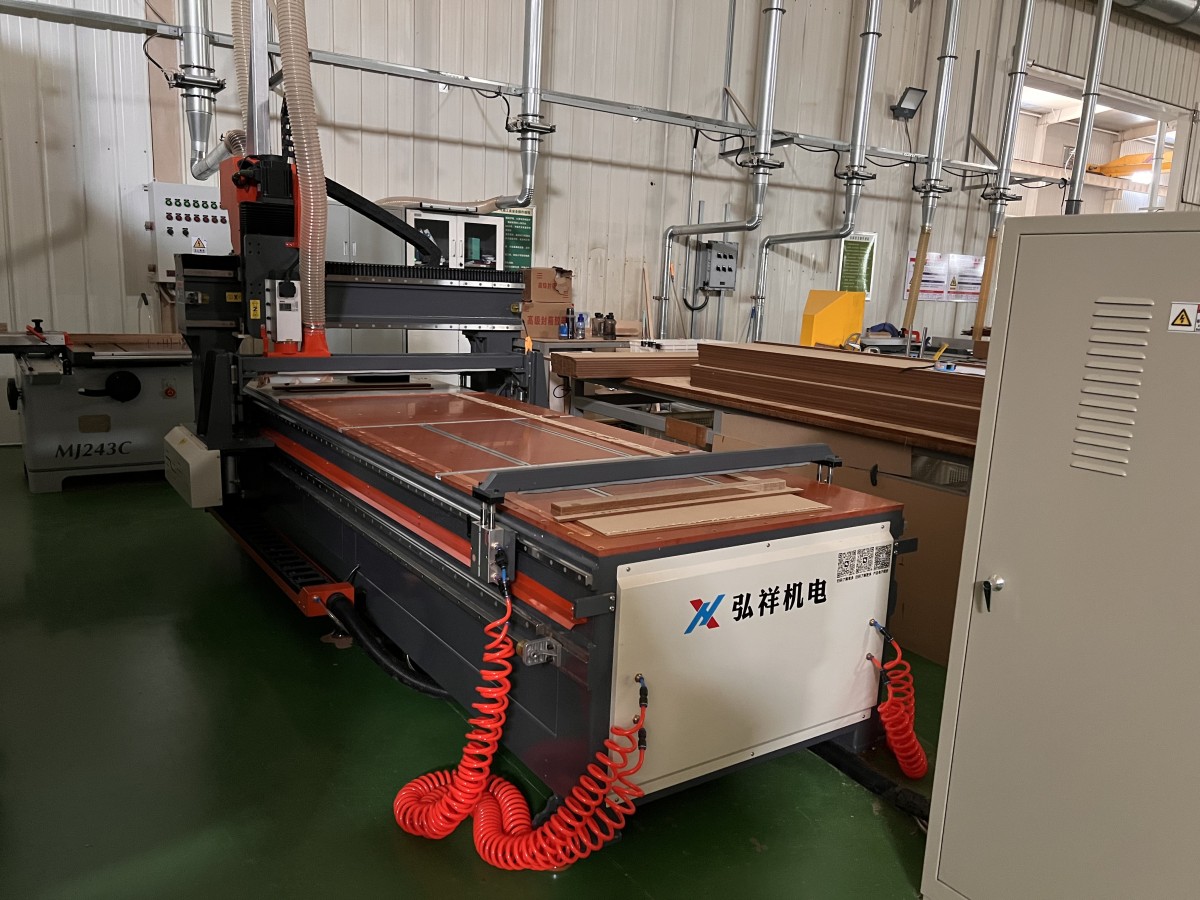
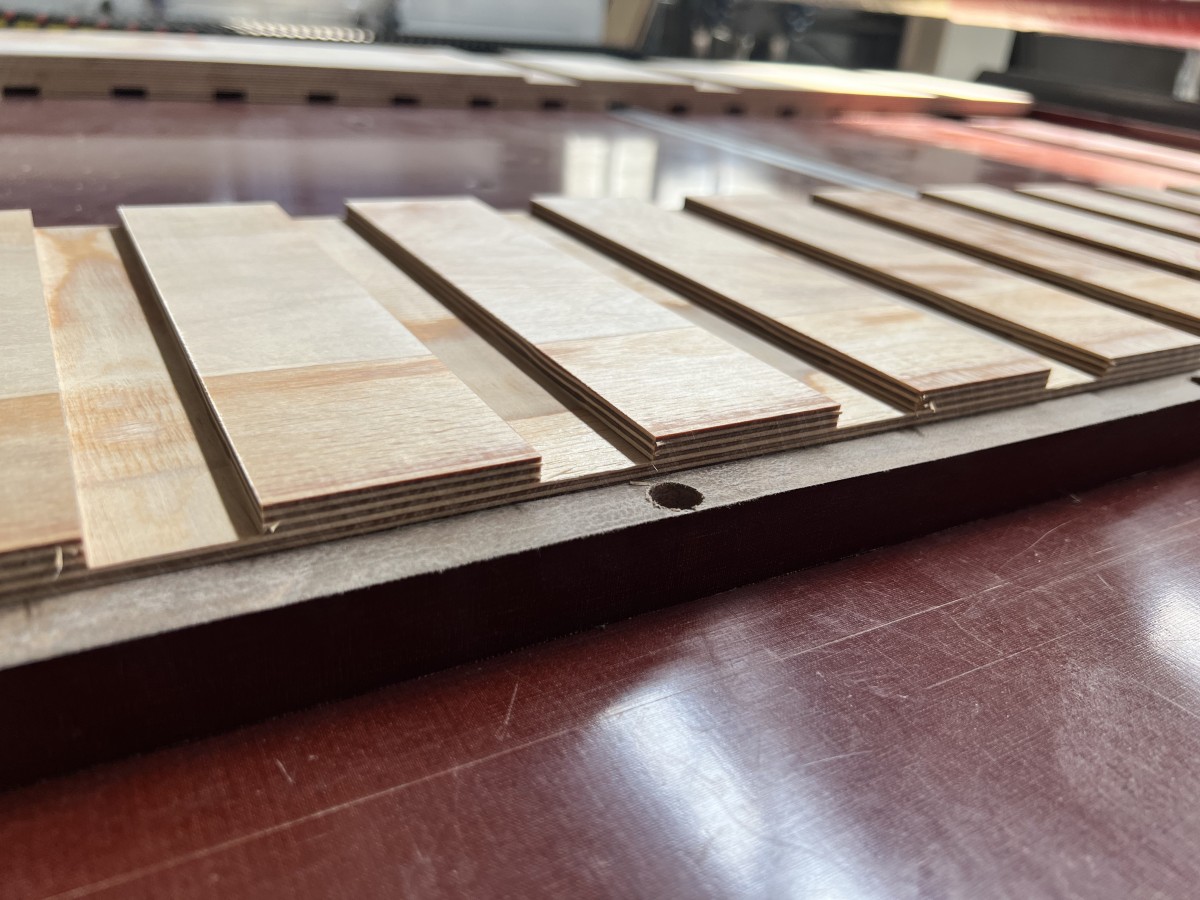
In transformer component manufacturing, waste is not only a material issue. It affects cycle time, rework rate, tooling cost, operator workload, delivery reliability, and ultimately the profitability of each batch. For insulating laminated wood, electrical insulating cardboard, and shaped insulation parts, even a small deviation such as ±0.5 mm can lead to mismatch in assembly or additional finishing work.
For operators, the main concern is how to cut accurately and consistently. For technical evaluators and quality teams, the focus is process stability, dimensional repeatability, and edge quality. For procurement and management teams, the question is whether an upgraded machine or optimized workflow can reduce scrap by 5% to 15% and shorten the payback period to 12 to 24 months.
As a company serving global transformer manufacturing customers, Gaomi Hongxiang Electromechanical Technology Co., Ltd. provides processing and manufacturing services for power transformer parts, including electrical insulating cardboard, insulating laminated wood, and insulating components. This article explains practical methods to reduce waste in transformer wood part cutting, with a strong focus on machine tool equipment selection, process control, and production planning.
Understand Where Waste Comes From in Transformer Wood Part Cutting
Before improving material utilization, manufacturers need to identify the main loss points. In transformer wood part cutting, waste usually comes from 4 sources: poor nesting, inaccurate positioning, unstable blade performance, and inconsistent material properties. In many workshops, these factors do not appear separately. They often overlap and create a scrap rate that stays between 6% and 12% even when the machine is running normally.
Insulating laminated wood and related transformer insulation materials behave differently from common furniture wood. Density, moisture level, fiber direction, and laminated structure can all affect cut quality. If sheet flatness varies by 1 mm to 2 mm or internal stress is uneven, edge chipping and dimension drift become more likely, especially during high-speed cutting or multi-piece batch processing.
Another hidden cause of waste is over-reliance on operator experience without standard process settings. A skilled operator may compensate manually for alignment or feed speed, but this is difficult to maintain across 2 or 3 shifts. Once production volume increases, process variation becomes visible in the form of off-size parts, poor groove fit, or damaged corners.
For transformer manufacturers producing small and medium batches with multiple specifications, setup losses also matter. If every changeover takes 20 to 40 minutes, operators tend to cut extra pieces as a safety buffer. Those extra parts may never be used, but they still consume expensive insulation board or laminated wood.
Typical waste points on the shop floor
- Low nesting efficiency leaves 8% to 18% unused material per sheet.
- Manual positioning increases the risk of repeated cuts and dimension deviation.
- Improper blade selection causes edge burning, breakout, or excessive kerf loss.
- Inadequate clamping allows movement during cutting, especially for long and narrow parts.
- No first-piece verification results in a full batch of nonconforming components.
A practical waste reduction plan starts with measuring these points. Track scrap by material type, product size, machine, shift, and operator for at least 2 to 4 weeks. In many cases, the biggest loss is not the final unusable scrap. It is the combination of overcutting, rework, and machine idle time that weakens overall equipment effectiveness.
Choose the Right Equipment for Precision, Yield, and Repeatability
The machine has a direct impact on waste control. When transformer wood parts include straight cuts, stepped surfaces, slots, bevels, and repeated dimensions, a suitable CNC stepped saw or dedicated transformer insulation processing machine can outperform manual or semi-manual cutting by a large margin. Better positioning and repeatability often reduce dimensional scrap in the first 30 to 60 days after process stabilization.
For procurement teams, the goal is not simply to buy the fastest equipment. The better approach is to match machine capability to part complexity, batch size, and tolerance requirements. A plant cutting 200 to 500 pieces per day with frequent specification changes may benefit more from flexible CNC programming and fast changeover than from pure spindle speed or motor power.
For technical teams, focus on 5 core machine factors: positioning accuracy, repeatability, clamping stability, blade compatibility, and software support. In transformer insulation part processing, repeatable accuracy within ±0.2 mm to ±0.5 mm is often more valuable than excessive speed because it directly reduces mating issues in later assembly.
A dedicated supplier with integrated R&D, production, installation, training, and after-sales service can also reduce long-term waste. Machine commissioning, operator training, and parameter optimization usually make the difference between a nominally advanced machine and a truly efficient production line.
Key equipment comparison for transformer wood part cutting
The table below compares common cutting approaches from a waste-control perspective. It is intended to help users, engineers, and purchasing teams identify which setup fits their actual production model.
In most transformer insulation workshops, the best value comes from a machine that balances precision and adaptability. If the product mix changes weekly or monthly, digital parameter storage and recipe-based setup can save 10 to 20 minutes per changeover and reduce first-batch error risk.
What buyers should verify before purchase
- Check the actual processing range for laminated wood thickness and insulation board dimensions.
- Confirm achievable accuracy under continuous production, not only under test conditions.
- Review blade and tooling replacement frequency, cost, and local availability.
- Ask whether programming, training, and installation are included in the supply scope.
- Evaluate after-sales response time, especially for export markets and multi-country operations.
Optimize Cutting Parameters, Nesting, and Workflow Control
Even the right machine will still produce waste if process settings are not optimized. Feed speed, blade type, clamping pressure, cutting sequence, and nesting logic should be treated as one connected system. In transformer wood part cutting, a small change in feed speed or tool engagement may improve edge quality enough to eliminate manual trimming on every batch.
A practical first step is to classify parts into 3 groups: standard rectangles, stepped or grooved parts, and complex profile parts. Each group should have its own cutting recipe. This approach prevents operators from using one universal setting for all jobs, which is a common reason why good material is damaged during high-volume production.
Nesting is especially important when processing insulation board and laminated wood sheets with different standard sizes. Digital nesting can improve material utilization by 3% to 10% depending on part geometry. The gain becomes even more significant when several part types can be combined in one optimized layout instead of being cut order by order.
Workflow discipline also matters. A controlled process should include incoming material inspection, first-piece confirmation, in-process sampling, and final dimensional check. For precision parts, measuring only at the end of the shift is too late. A 30-minute verification interval or batch-based inspection plan can catch drift before an entire stack becomes scrap.
Recommended control points during production
The following table shows practical checkpoints that can reduce waste in daily operation without creating excessive inspection burden.
These controls work best when linked to machine parameters and operator instructions. If a defect appears, teams should record whether the root cause was material, tooling, setup, or programming. Over time, this creates a usable database for process standardization and machine optimization.
Simple workflow improvements with fast returns
- Use barcode or job number tracking to avoid mixing similar parts with slightly different dimensions.
- Store cutting programs by product family instead of re-entering dimensions each time.
- Separate trial pieces from production pieces to prevent accidental shipment of test cuts.
- Plan cutting sequence from largest usable parts to smaller inserts to improve board utilization.
Build a Waste-Reduction System with Training, Maintenance, and Quality Control
Sustainable waste reduction is not achieved by equipment alone. It requires a management system that connects operators, maintenance staff, quality control personnel, and project managers. In transformer component production, the most successful factories usually standardize the process in 3 layers: machine condition, operator practice, and inspection discipline.
Training should be practical and role-based. Operators need to understand setup, alignment, and abnormal sound or vibration recognition. Maintenance teams need clear intervals for lubrication, blade replacement, transmission inspection, and calibration checks. Quality teams need measurement points, acceptance criteria, and escalation rules. A 1-day machine handover is rarely enough; most workshops benefit from 3 to 7 days of phased training and monitored production startup.
Preventive maintenance is one of the most overlooked ways to reduce waste. Loose guides, worn bearings, unstable clamping devices, or delayed blade replacement gradually increase scrap before a machine stops completely. A simple weekly checklist can prevent expensive batch losses and keep tolerance stability within the intended process window.
For companies serving multiple markets, after-sales support also matters. Fast response for spare parts, remote diagnosis, and installation guidance can reduce downtime and prevent operators from improvising unsafe or inaccurate repair solutions. This is especially important for export-oriented production lines where delivery delays affect several customer projects at once.
Maintenance and quality checklist
The table below outlines a simple control framework that many transformer insulation part workshops can adopt or customize.
When maintenance, operator training, and QC are linked, factories can reduce both visible scrap and hidden process loss. This is also the basis for better cost forecasting, easier financial approval, and more reliable project scheduling.
Procurement Advice and Common Questions Before Upgrading a Cutting Line
For decision-makers, the key question is whether the upgrade will create measurable value. A useful evaluation model includes 4 dimensions: current scrap cost, labor intensity, changeover time, and downstream quality loss. If cutting waste is causing repeated rework or assembly delay, the business case may be stronger than the material scrap number alone suggests.
When comparing suppliers, look beyond the machine quotation. Ask about installation scope, training hours, software support, spare parts availability, and communication efficiency for overseas service. A lower purchase price may not be the lower total cost if downtime, setup instability, or spare part delays create disruptions over the next 3 to 5 years.
For distributors and project managers, it is also important to confirm application fit. Transformer wood part cutting often requires coordination with insulation cardboard processing, shaping, slotting, and assembly operations. The best supplier is one that understands the wider transformer production workflow rather than only the machine itself.
Gaomi Hongxiang Electromechanical Technology Co., Ltd. serves customers in domestic and overseas markets with integrated capabilities covering R&D and design, production, sales, installation, training, and after-sales service. For buyers seeking transformer electrical layer-pressed wood processing equipment or transformer insulation cardboard processing equipment, this integrated service model can reduce project risk during equipment selection and production ramp-up.
How do you know a cutting process upgrade is necessary?
If scrap and rework together exceed roughly 8% of material consumption, or if changeovers repeatedly interrupt output, it is time to review equipment and workflow. Other warning signs include frequent manual trimming, inconsistent step depth, heavy dependence on one experienced operator, and unstable part quality between shifts.
What should procurement teams ask suppliers?
Request details on supported materials, thickness range, accuracy range, tooling cost, recommended maintenance cycle, standard delivery period, and training content. A realistic lead time for specialized equipment may be several weeks depending on configuration, commissioning requirements, and export arrangements.
Short checklist for supplier evaluation
- Can the machine process both insulating laminated wood and electrical insulating cardboard when needed?
- Are tolerance targets clearly stated under production conditions?
- Is operator training included for setup, production, and routine maintenance?
- How quickly can spare parts and technical support be provided?
- Can the supplier support future automation or production line expansion?
Reducing waste in transformer wood part cutting is a combined result of machine selection, process control, nesting efficiency, operator training, and preventive maintenance. Companies that measure waste sources clearly and align their cutting equipment with actual transformer part requirements can improve material utilization, lower scrap, and stabilize delivery performance.
If you are evaluating transformer electrical layer-pressed wood processing equipment, transformer insulation cardboard processing equipment, or a more efficient CNC stepped saw solution, now is the right time to review your current process. Contact Gaomi Hongxiang Electromechanical Technology Co., Ltd. to discuss your production scenario, request technical details, and get a more suitable cutting solution for transformer component manufacturing.
NAVIGATION
MESSAGE
Request A Quote?