0000-00
Why insulating cardboard recycling methods depend on production context
In transformer and insulation-part manufacturing, waste cardboard does not all belong in one recycling stream.
That is why insulating cardboard recycling methods must start with process history, not only material appearance.
A clean edge trim from CNC cutting behaves very differently from a compressed spacer removed after oil exposure.
In machine tool environments, that difference affects fire risk, dust control, traceability, and downstream reuse value.
For operations linked to transformer assembly, laminated wood processing, and insulation-part machining, sorting decisions shape both compliance and efficiency.
A practical recycling plan reduces disposal volume, protects product cleanliness, and prevents suspect material from re-entering precision production.
This matters even more when facilities serve mixed export markets, where documentation and internal quality discipline often carry equal weight.
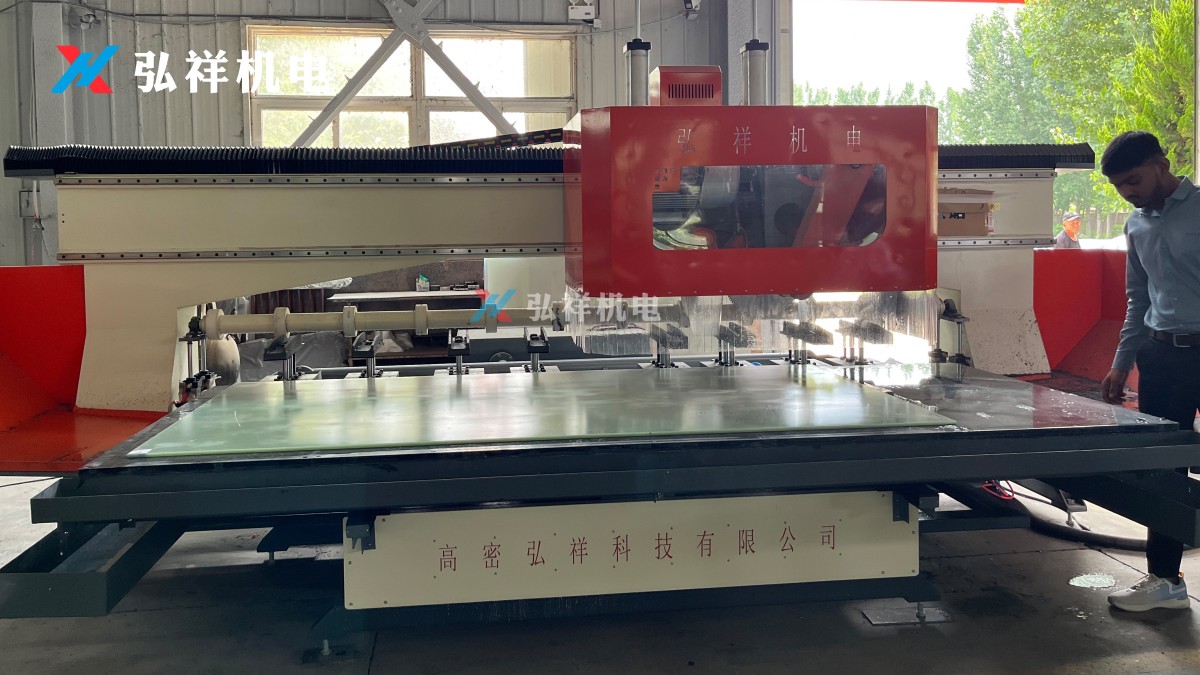
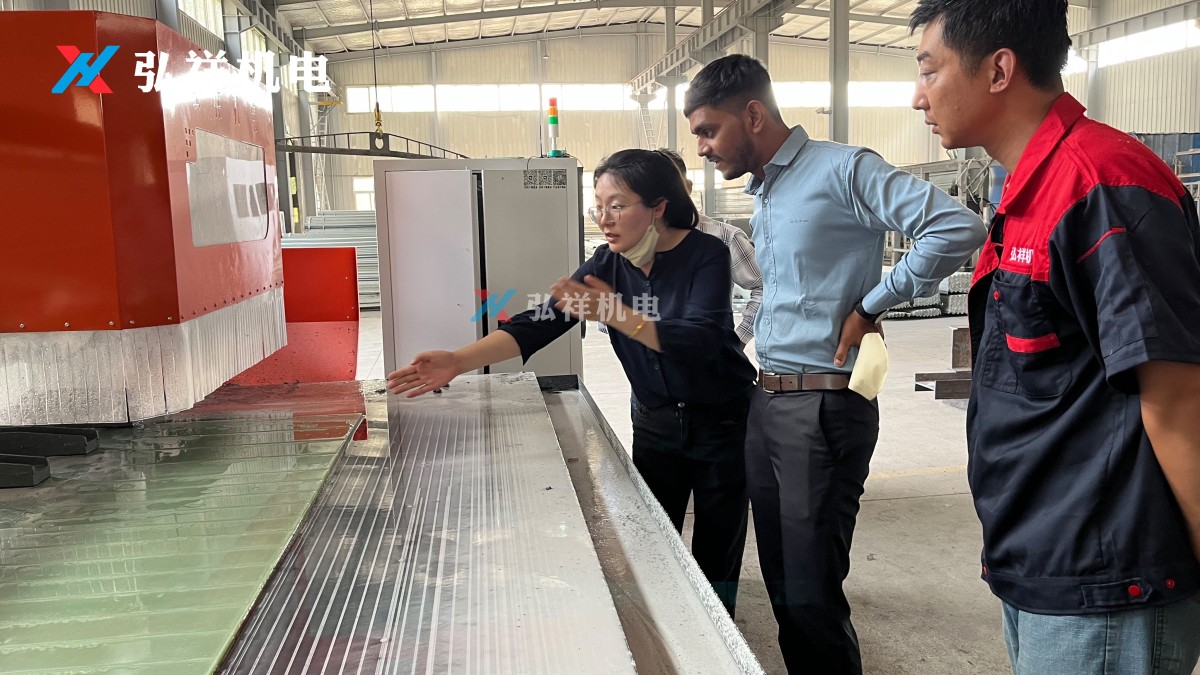
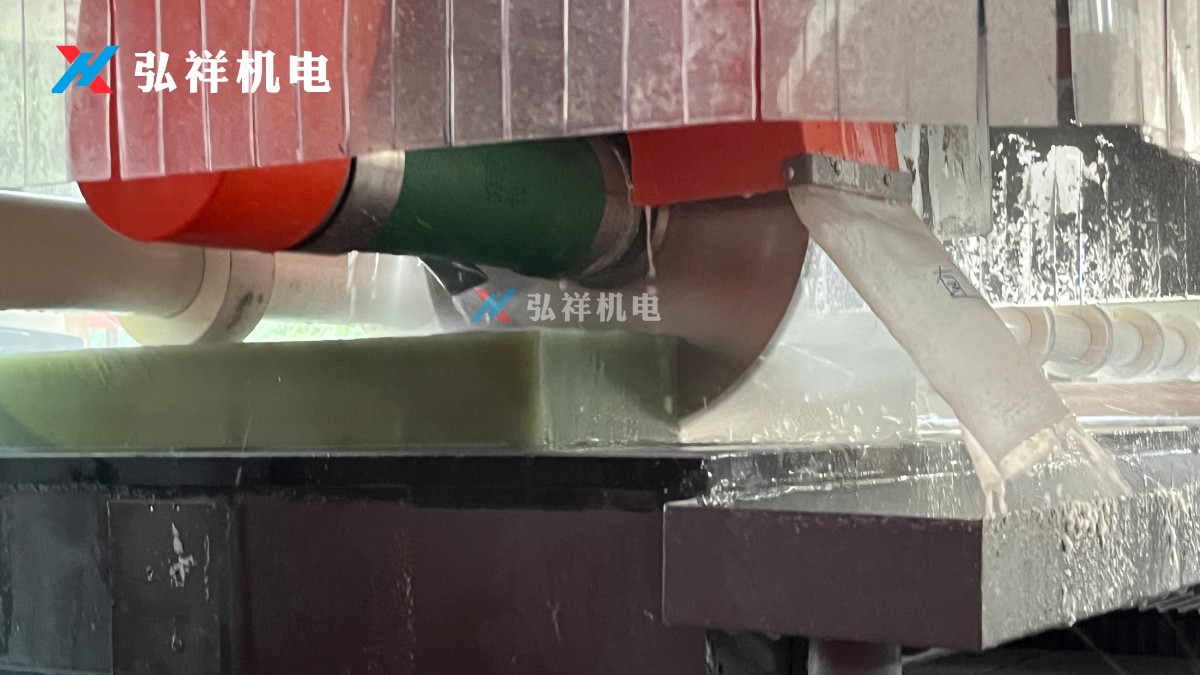
Actual shop-floor conditions change the recycling decision
The best insulating cardboard recycling methods are shaped by how the material was cut, stored, handled, and exposed.
A board used near transformer oil, adhesives, metal chips, or humid storage should never be judged like unused production offcuts.
In actual use, three questions usually decide the path.
- Was the material kept clean enough for internal reuse?
- Has its structure changed through pressure, oil absorption, delamination, or moisture pickup?
- Can it enter a lower-grade recovery stream without creating contamination or traceability problems?
This is where machine tool settings also matter.
Saw cutting, punching, milling, and slitting do not generate the same waste profile.
Some processes produce large reusable sheets.
Others leave mixed dust and irregular scraps that are only suitable for controlled disposal or external material recovery.
Clean converting offcuts are usually the first reuse opportunity
The most favorable scenario is clean offcut generation during cardboard machining and insulation-part conversion.
Typical examples include trim from sheet sizing, die-cut windows, and unused sections from stable nesting layouts.
Here, insulating cardboard recycling methods often support direct internal reuse.
The key is to separate reusable pieces before they touch the general scrap bin.
Once mixed with floor dust, packaging waste, or oily gloves, their value drops quickly.
A more reliable approach is to classify them by thickness, grade, and minimum usable size at the machine.
Shops making transformer spacers or formed insulating parts often reuse these pieces for samples, test cuts, protective inserts, or noncritical internal fixtures.
That saves virgin material without crossing quality boundaries.
The common mistake is treating all clean scraps as reusable stock.
If dimensions are too small, fiber edges are crushed, or batch identity is lost, reuse can create more handling cost than benefit.
Oil contact changes everything in transformer-related production
The judgment becomes stricter when cardboard has entered transformer assembly, repair, impregnation, or oil-adjacent staging.
At that point, insulating cardboard recycling methods are no longer just about material efficiency.
They become a contamination-control issue.
Oil-stained sheets, pressboard pieces, and removed insulation supports usually cannot return to precision electrical use.
Even when the surface staining looks limited, absorbed oil may already have changed the board internally.
That affects dielectric behavior, storage hygiene, and fire handling requirements.
More importantly, mixing oil-affected material with clean cardboard scrap can compromise the entire container.
In this scenario, discard decisions should be conservative.
Recovery may still be possible through approved external channels, but not through casual internal reuse.
Facilities supporting global transformer projects often document this separation clearly because customer audits usually focus on contamination barriers, not only waste rates.
When machining dust and mixed scrap make reuse unrealistic
Another frequent scene appears in high-speed cutting and composite insulation processing.
Here, cardboard fibers may mix with laminated wood particles, EVA residues, tape liners, and metal fragments.
These mixed streams look recyclable at first glance, but they rarely support efficient recovery.
The sorting cost rises while output quality falls.
In practice, insulating cardboard recycling methods work better when dust extraction and scrap capture are designed upstream.
Dedicated bins beside cutting cells, separate suction lines, and labeled discharge points prevent cardboard from becoming a mixed waste problem.
This is especially relevant for machine builders and custom equipment workshops.
Once the waste stream includes several insulation materials, a single recycling rule usually stops working.
Different production scenes need different sorting standards
A useful sorting standard should reflect what actually happens at each process point.
The table below shows how insulating cardboard recycling methods shift across common workshop situations.
This kind of distinction keeps the recycling rule practical instead of overly broad.
Where insulating cardboard recycling methods are often misjudged
Several errors repeat across insulation-component plants.
- Judging only by visual cleanliness and ignoring oil vapor, humidity, or compression damage.
- Merging clean offcuts with sweepings because one scrap point seems simpler to manage.
- Reusing old material for trial work without checking thickness stability or storage age.
- Focusing on disposal cost while overlooking re-sorting labor and quality risk.
- Assuming similar cardboard grades can share one recycling route across all jobs.
In real production, the wrong reuse decision often costs more than direct disposal.
The loss may appear later as unstable machining, contamination findings, or avoidable internal rejects.
A practical way to set up scene-based recycling control
The most workable insulating cardboard recycling methods are simple enough for daily execution.
They do not rely on perfect operator judgment every time.
A strong setup usually includes four actions.
- Map waste points by machine, not by department name alone.
- Define reuse grades with clear limits for size, cleanliness, and exposure history.
- Separate oil-contact, mixed-dust, and clean offcut streams physically.
- Review scrap data with production changes, especially after new tooling or process adjustments.
This approach fits businesses that combine design, manufacturing, installation, and after-sales support.
Different service stages generate different insulation waste, so one rule should not cover every stage blindly.
Where custom transformer parts, laminated wood, and special machine projects coexist, recycling control must follow the real process mix.
What to confirm before improving your recycling route
Before adjusting insulating cardboard recycling methods, check where reusable value is truly being lost.
Sometimes the issue is not disposal capacity.
It is poor segregation near the machine, unclear storage rules, or missing limits for contaminated stock.
A better next step is to compare cutting cells, assembly zones, and repair areas separately.
Then define which cardboard can be reused internally, which can enter external recovery, and which must be discarded without exception.
That scene-based standard makes insulating cardboard recycling methods safer, easier to audit, and more useful in daily manufacturing decisions.
NAVIGATION
MESSAGE
Request A Quote?