0000-00
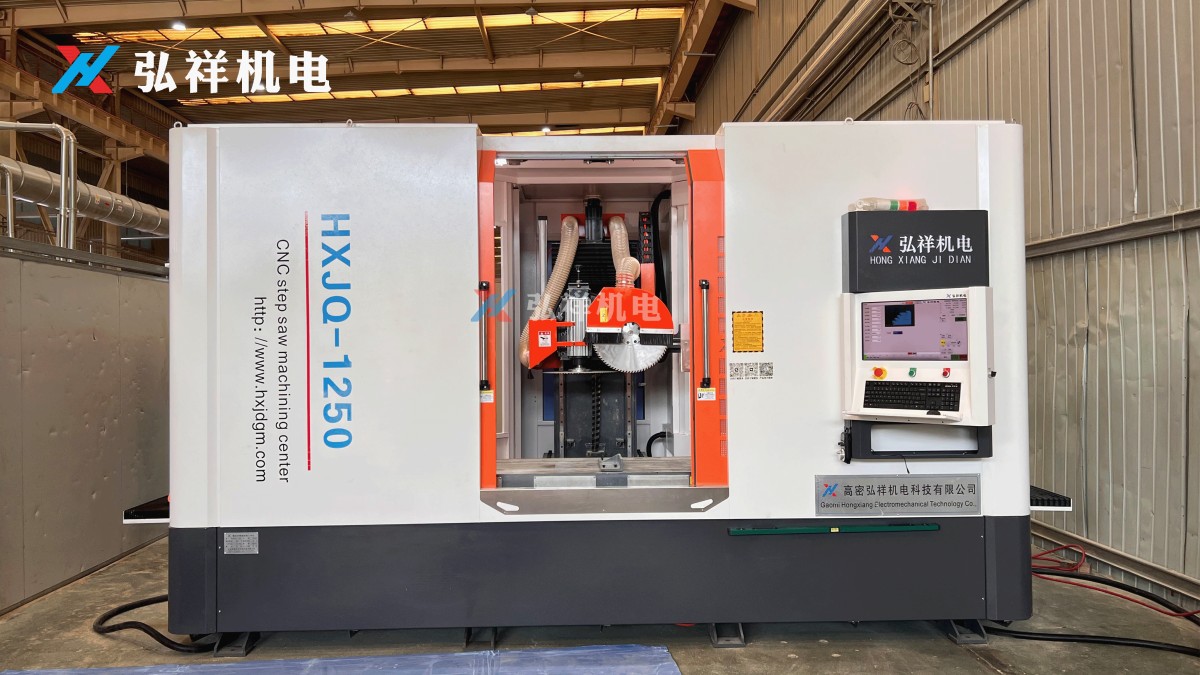
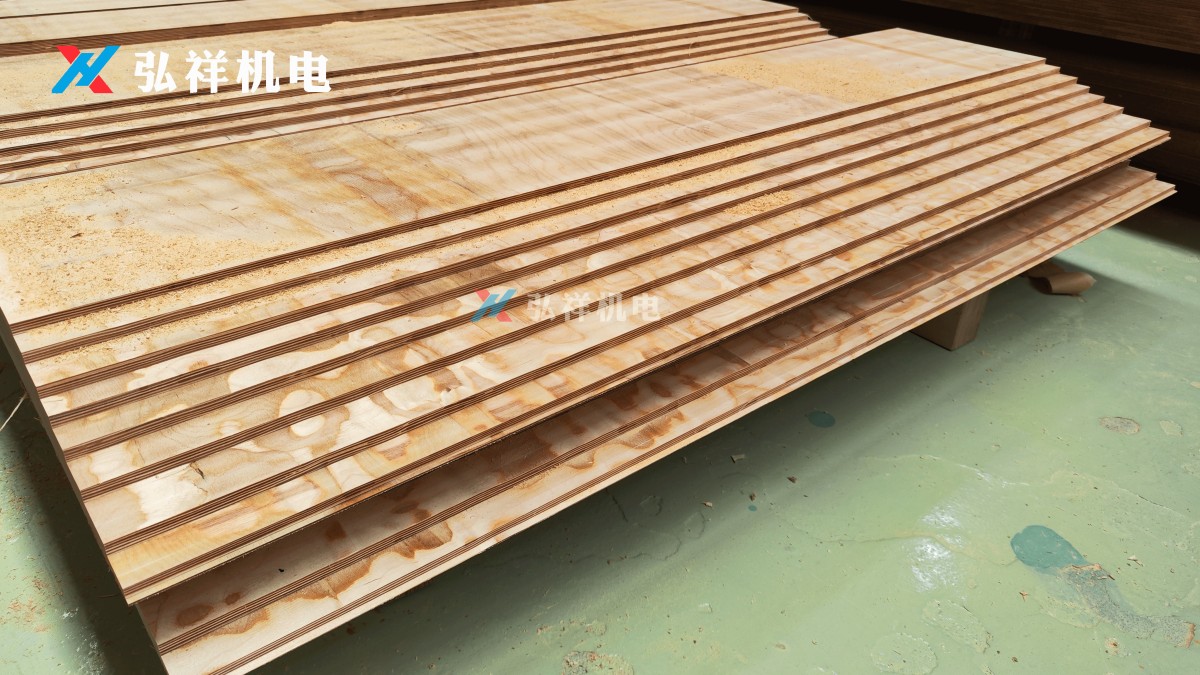
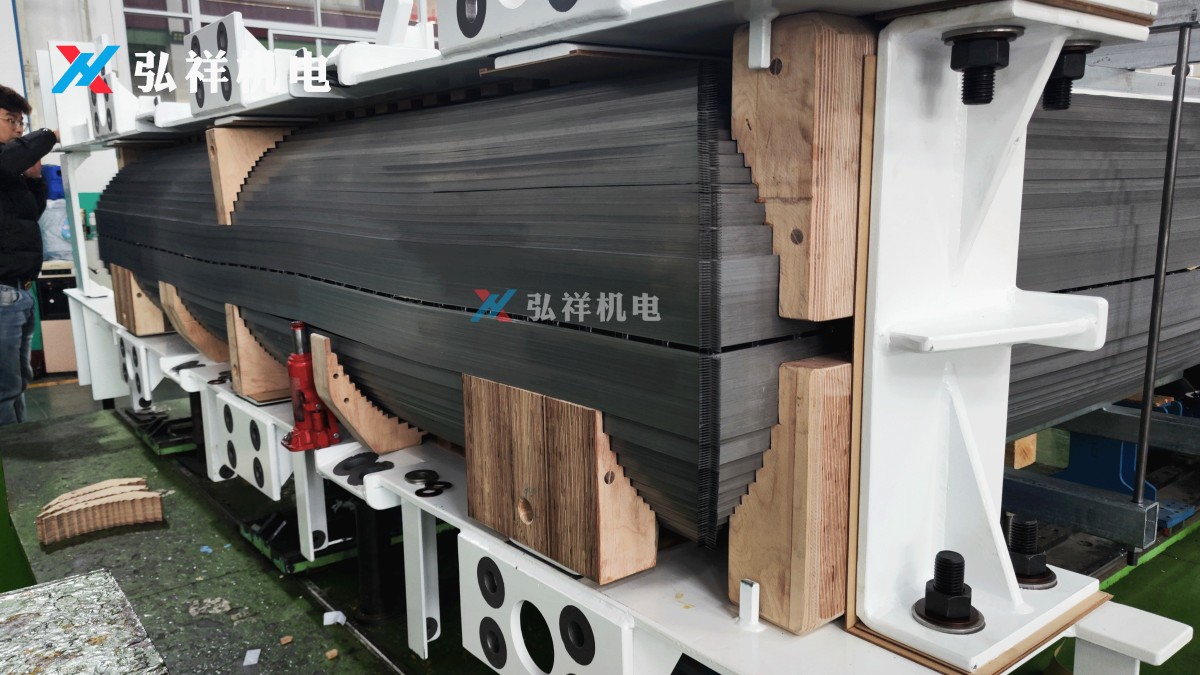
Selecting the right equipment for processing insulating cardboard for power transformers—especially when material thickness varies significantly—is critical for precision shearing and beveling. Gaomi Hongxiang Electromechanical Technology Co., Ltd., a leading Transformer insulation parts processing equipment manufacturer in China, offers cost-effective transformer insulation cardboard processing equipment, automated transformer insulation cardboard processing equipment, and high-precision solutions including CNC shearing machines, cow horn-shaped cutting block beveling machines, and automatic chamfering machines—designed for reliability, safety, and global power industry standards.
Why Thickness Variance Demands Precision Equipment Selection
Insulating cardboard used in power transformers typically ranges from 0.5 mm to 12 mm in thickness—spanning over 20× in mechanical resistance. A 3-mm sheet requires ~2.8× higher shear force than a 1-mm sheet under identical tool geometry and feed rate. This non-linear relationship directly impacts blade wear life, cutting edge integrity, and dimensional repeatability across batch runs.
Operators frequently encounter inconsistent bevel angles (±1.2° deviation) or micro-tearing at edges when using fixed-parameter machines on mixed-thickness lots. Such defects compromise dielectric strength and accelerate partial discharge onset—especially in Class H (180°C) insulation systems where tolerances are tighter than ±0.3 mm for chamfer depth and ±0.5° for angle consistency.
Technical evaluators must account for dynamic load response: hydraulic beveling units with closed-loop pressure control maintain ±2% force accuracy across 1–10 mm thickness ranges, whereas pneumatic systems drift up to ±18% beyond 6 mm. This variance explains why 68% of field-reported misalignment incidents in transformer assembly trace back to inconsistent cardboard edge preparation—not core winding or clamping errors.
Key Mechanical Thresholds for Reliable Processing
This table underscores that equipment selection isn’t about “one size fits all”—it’s about matching actuation dynamics, feedback resolution, and adaptive logic to measurable physical thresholds. Gaomi Hongxiang’s CNC shearing platforms integrate real-time thickness sensing (±0.05 mm resolution) and auto-compensate blade clearance within 0.8 seconds, reducing setup time by 72% versus manual recalibration.
Equipment Architecture: From Manual to AI-Enhanced Automation
Three architecture tiers define current market capability: manual toggle-beveling stations (entry-level), servo-hydraulic programmable units (mid-tier), and AI-coordinated multi-axis CNC cells (high-end). The transition hinges on throughput volume and tolerance stringency—not just budget. For example, a facility producing 420+ transformer units monthly requires ≤90-second cycle time per part to avoid bottlenecking downstream lamination. Only AI-enhanced cells achieve this while maintaining ±0.15° bevel angle consistency across 0.8–10.5 mm cardboard stacks.
Financial approvers should note total cost of ownership (TCO): manual stations show 3.2× higher labor cost per part and 4.7× more scrap due to operator fatigue-induced variability. Servo-hydraulic systems reduce scrap by 61% and cut maintenance downtime to<2.4 hours/year—validated across 17 installations in India and Russia.
Distributors benefit from modular design: Gaomi Hongxiang’s cow horn-shaped cutting block beveling machines accept interchangeable anvil inserts (3 standard profiles + 2 custom options), enabling one base unit to serve dry-type, oil-immersed, and HVDC transformer lines without hardware replacement.
Decision Matrix: Matching Equipment Tier to Operational Profile
The matrix confirms that ROI accelerates sharply beyond 300 units/month: AI-CNC cells deliver full payback in 14–18 months through scrap reduction, labor optimization, and extended tool life—while also enabling remote diagnostics and predictive maintenance alerts via embedded IoT modules compliant with ISO/IEC 27001 data protocols.
Implementation & Support Framework for Global Customers
Gaomi Hongxiang deploys a standardized 5-phase implementation protocol: (1) On-site material audit (thickness distribution analysis, moisture content mapping), (2) Process simulation (digital twin validation against 30+ common cardboard grades), (3) Factory acceptance testing with customer-supplied samples, (4) Commissioning with dual-certified engineers (mechanical + electrical safety trained to IEC 61800-5-1), and (5) Operator certification (8-hour hands-on training covering fault diagnosis, parameter tuning, and emergency stop verification).
After-sales support includes 24/7 multilingual remote assistance (English, Spanish, Russian, Hindi), spare parts dispatch within 72 hours globally, and firmware updates every 90 days—including AI model refinements trained on anonymized operational data from 212 active installations across 14 countries.
Quality assurance personnel verify compliance through 6-point inspection: (1) Edge perpendicularity (±0.1°), (2) Chamfer symmetry (≤0.08 mm deviation), (3) Surface micro-crack detection (100× magnification), (4) Dielectric strength test (≥45 kV/mm at 2 mm), (5) Dimensional stability after 72h humidity exposure (RH 93%, 25°C), and (6) Tool wear tracking (laser-measured edge radius decay ≤0.015 mm per 500 cycles).
Frequently Asked Questions
- How many thickness steps can one machine handle without retooling? Gaomi Hongxiang’s servo-hydraulic bevelers support continuous adjustment from 0.8 mm to 12 mm—no tool changes required. AI-CNC cells add automatic anvil positioning with ±0.02 mm repeatability.
- What is typical lead time for customized configurations? Standard models ship in 21–28 days; AI-integrated cells require 45–52 days for final system integration and validation.
- Do your machines support third-party ERP/MES integration? Yes—all units include OPC UA 1.04-compliant interfaces and pre-built connectors for SAP S/4HANA, Oracle Cloud, and Siemens MindSphere.
Precision in transformer insulation processing begins not with the material—but with intelligent, adaptable machinery engineered for real-world variability. Gaomi Hongxiang Electromechanical Technology Co., Ltd. delivers proven solutions trusted by manufacturers across Southeast Asia, South America, India, Pakistan, and Russia—combining mechanical rigor, digital intelligence, and responsive global service. Contact us today to request a thickness-specific process assessment and receive a tailored equipment recommendation aligned with your production volume, quality targets, and long-term automation roadmap.
NAVIGATION
MESSAGE
Request A Quote?