0000-00
Choosing insulating cardboard for transformers is rarely a minor material decision. Grade, density, thickness, oil compatibility, and machining behavior all affect electrical stability, structural support, and service life.
In transformer production, this material sits at the point where insulation design meets manufacturing reality. It must perform electrically, but it also needs to cut, form, stack, press, and assemble reliably.
That is why insulating cardboard for transformers remains a practical topic across both transformer plants and machine-building environments. Material choice influences not only product quality, but also workshop efficiency and process consistency.
What insulating cardboard does inside a transformer
Insulating cardboard is a cellulose-based electrical insulation material used in oil-immersed transformer structures. It provides dielectric separation while also serving as a shaped mechanical component.
It appears in barriers, spacers, end rings, strips, cylinders, washers, and support elements. Some parts are simple flat pieces. Others are pressed, slotted, laminated, or machined for precise assembly.
Simple material descriptions often miss this dual function. In actual use, insulating cardboard for transformers must resist electrical stress and keep its geometry under clamping force, thermal cycling, and oil exposure.
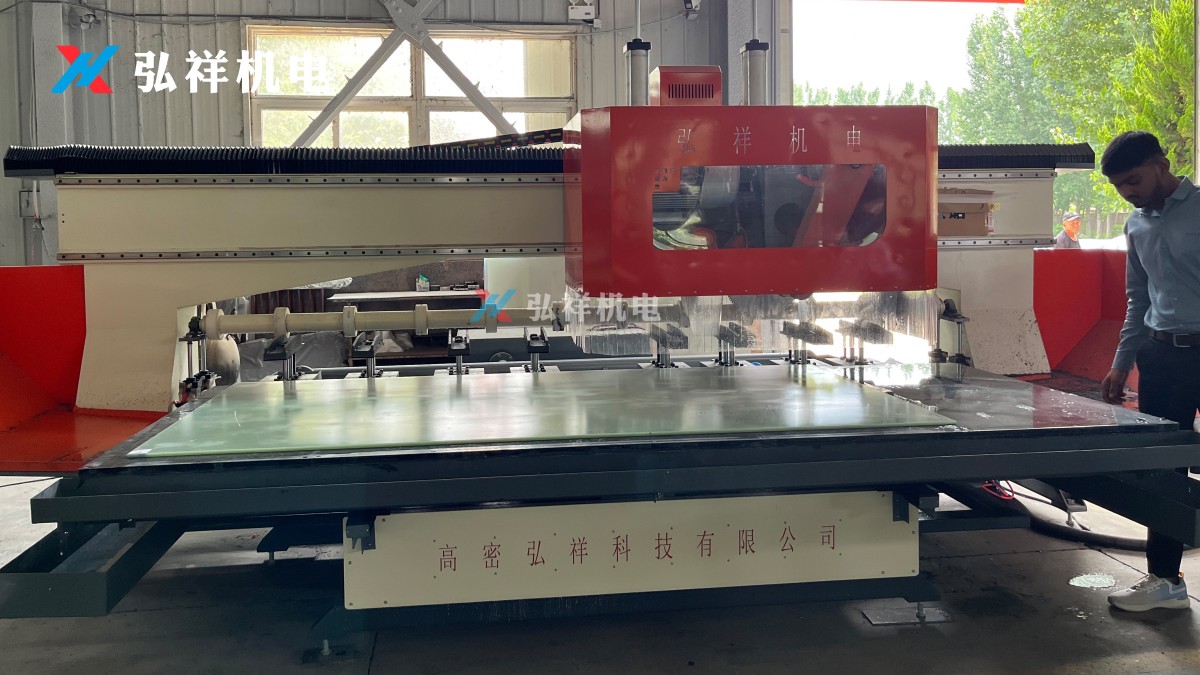
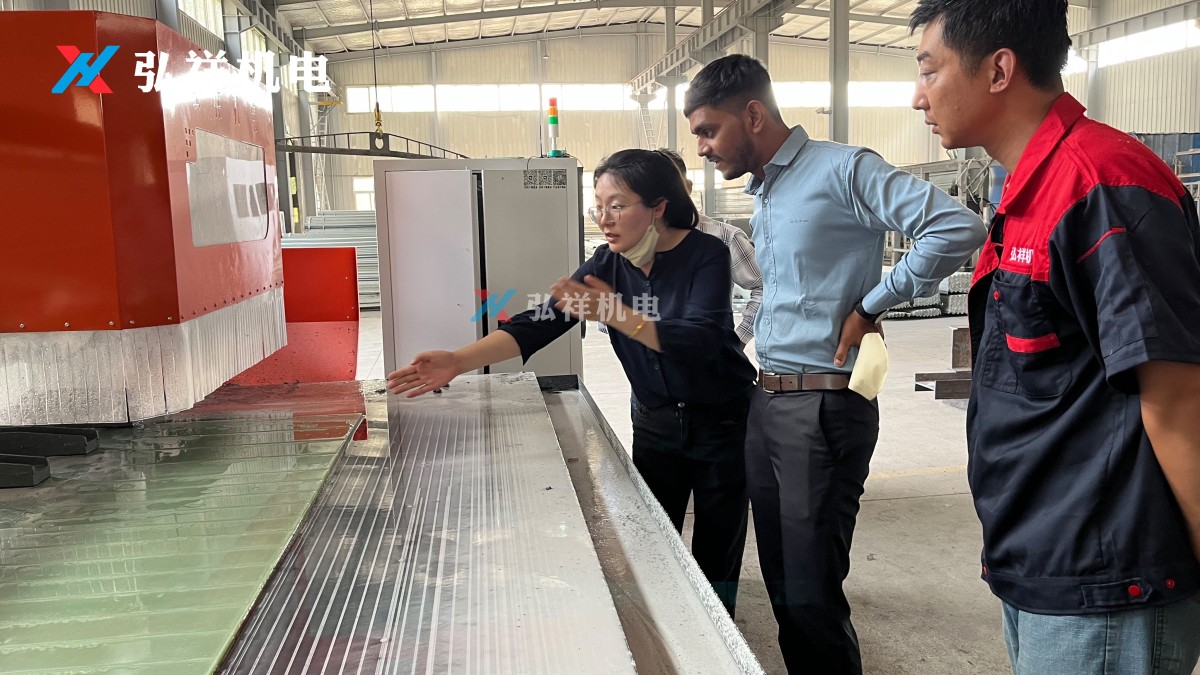
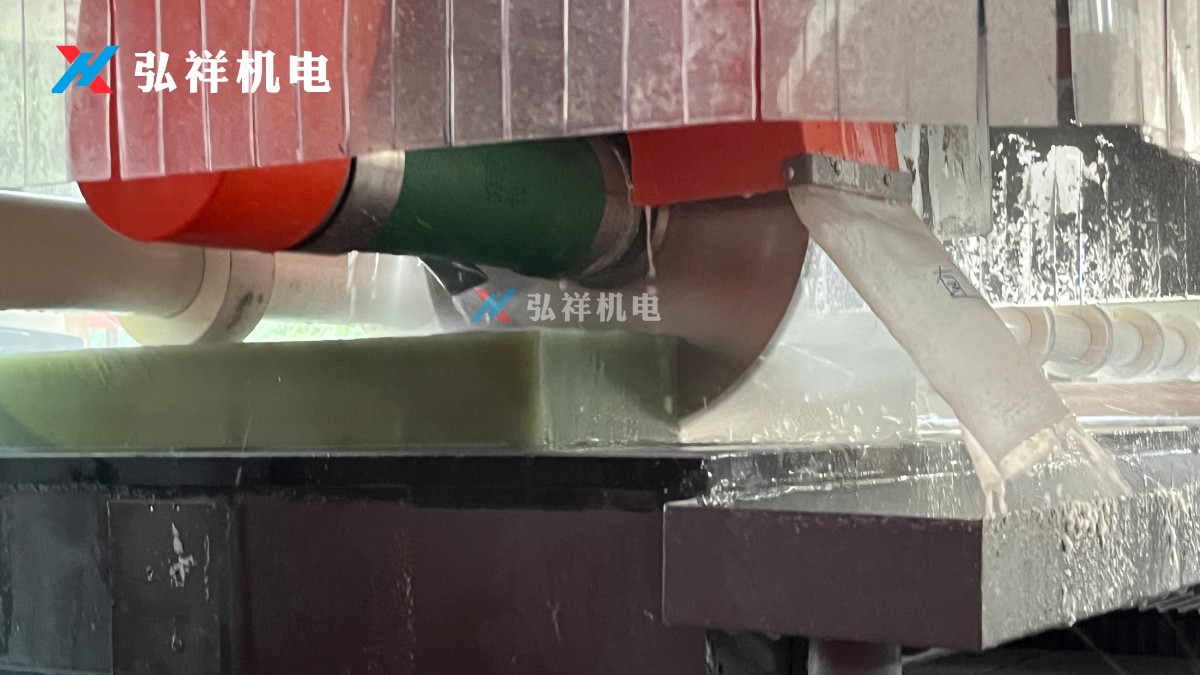
That is also why it is closely connected with machine tools and insulation part processing. Cutting accuracy, groove quality, punching stability, and dimensional tolerance all matter once the design enters production.
Why grade selection gets so much attention
Not all insulating cardboard is the same. Different grades are developed for different voltage levels, structural duties, density targets, and manufacturing methods.
A lower-demand internal separator may not require the same material profile as a rigid support part near a winding assembly. Using one generic board for every position usually creates avoidable compromise.
In current practice, grade selection is often judged through several linked questions:
- Does the part mainly provide insulation, mechanical support, or both?
- Will it be cut flat, bent, molded, laminated, or heavily machined?
- Does the transformer design require high oil absorption control or dimensional stability?
- How strict are tolerances during batch production?
- Will the material be paired with laminated wood, pressboard parts, or formed EVA supports in surrounding assemblies?
These questions explain why material discussions now involve both design and processing capability. A good grade on paper can still cause trouble if it chips, deforms, or varies too much during machining.
Common grade differences in practical terms
Grade names differ by supplier and standard, but the practical distinctions are usually easier to understand through use characteristics than through labels alone.
Standard structural grades
These are widely used for general insulating components. They balance dielectric performance, compressive behavior, and processability, making them suitable for routine transformer internal parts.
High-density grades
Higher-density boards are typically chosen where better rigidity, tighter dimensional stability, or stronger resistance to deformation is needed. They are common in support pieces and precision-formed elements.
Forming-oriented grades
Some grades are preferred for bending, hot pressing, or shaping into cylinders and rings. Their value lies less in headline strength and more in predictable forming behavior.
Special application grades
Certain transformer designs require tailored insulation parts with unusual dimensions, combined materials, or strict performance windows. In these cases, processing support becomes as important as raw material supply.
Gaomi Hongxiang Electromechanical Technology Co., Ltd. works in this broader manufacturing space. Its experience covers transformer assembly, insulating cardboard processing, laminated wood, insulating parts, and related equipment integration.
That kind of background matters because many insulation decisions are resolved through manufacturability, not through catalog comparison alone.
Thickness is not just a dimension
Thickness selection for insulating cardboard for transformers is often treated as a straightforward sizing choice. In reality, thickness changes electrical clearance, compression response, machining load, and assembly fit.
Thin boards are often used for layered insulation, slot liners, and finer separators. They support compact designs but demand cleaner cutting and more careful handling during production.
Medium thickness options usually cover a broad range of spacers, barriers, and formed parts. They are common because they offer a practical balance between insulation distance and structural usefulness.
Thicker boards are generally selected for load-bearing components, support blocks, and parts exposed to stronger clamping forces. They may also be machined into more complex insulation structures.
In short, the right thickness depends on where the part sits, how it is processed, and what load or electrical duty it must carry over time.
Typical uses across transformer manufacturing
The phrase insulating cardboard for transformers covers many component roles. Understanding these roles makes grade and thickness decisions much more concrete.
Winding insulation structures
Pressboard strips, barriers, and cylinders help create controlled insulation distances. They also support winding geometry and oil channel formation.
Spacer systems
Spacers keep windings separated and maintain oil paths. Here, consistent thickness and compression behavior can be more important than nominal sheet availability.
End insulation and clamping zones
Parts in these areas often face mechanical load and assembly pressure. Material that cracks, delaminates, or shifts dimensionally can create downstream reliability problems.
Machined custom components
Many plants increasingly rely on custom-cut insulation parts instead of manual shop adaptation. This improves repeatability, especially when transformer output rises or export orders require tighter documentation.
That shift also links insulation materials to machine tool capability. Precision cutting, forming, slotting, and batching are now part of the material discussion.
What to evaluate before making a selection
A useful evaluation starts with the part, not the sheet. The same board may work well in one position and poorly in another.
- Check the electrical duty of the location, including insulation spacing and oil-immersed service conditions.
- Review the mechanical load, especially compression, fastening pressure, and shape retention during assembly.
- Confirm whether the part will be punched, turned, milled, bent, or laminated with other insulation materials.
- Look at tolerance needs across batch production, not only prototype fit.
- Compare the total insulation system, including laminated wood, formed parts, and surrounding support structures.
This approach is especially relevant for companies supplying multiple regions. Export-oriented transformer production often needs stable processing and repeatable material performance across different order mixes.
Why processing capability matters as much as material supply
For many projects, the value of insulating cardboard for transformers comes from how well it is converted into usable parts. Poor conversion can waste a technically suitable board.
This is where integrated suppliers stand out. When material processing, insulation part manufacturing, transformer assembly knowledge, and equipment support sit closer together, specification decisions become more practical.
Gaomi Hongxiang Electromechanical Technology Co., Ltd. reflects that integrated model. Its work across R&D, design, production, installation, training, and after-sales support gives context for application-focused insulation choices.
That matters in a machine-tool-related industry because process quality is built through tooling, fixtures, operator methods, and stable part conversion, not material labels alone.
A practical way to move forward
The best next step is to map each insulation part by function, thickness range, processing method, and service demand. That quickly reveals where a standard grade is enough and where tighter control is justified.
When comparing options for insulating cardboard for transformers, it helps to review sample parts, machining results, and assembly fit alongside technical data. That gives a clearer picture than specification sheets alone.
For ongoing projects, a structured comparison between grade, thickness, and component role usually creates the most reliable basis for material selection, process planning, and long-term transformer performance.
NAVIGATION
MESSAGE
Request A Quote?