0000-00
For enterprise decision-makers seeking consistent quality, lower labor dependence, and scalable production, Automated transformer electrical layer-pressed wood processing equipment can be a strategic investment. In transformer insulation manufacturing, stable output is not only about speed but also about precision, repeatability, and long-term cost control. This article explores whether automated layer-pressed wood processing truly delivers the efficiency and reliability modern manufacturers need.
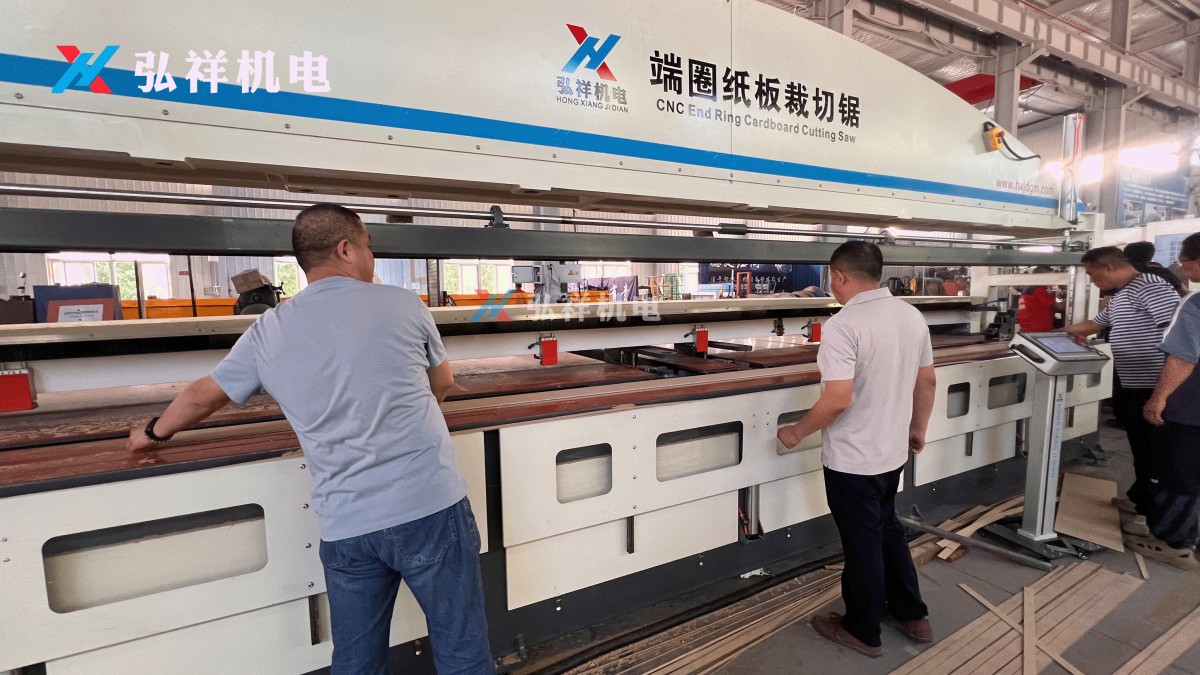
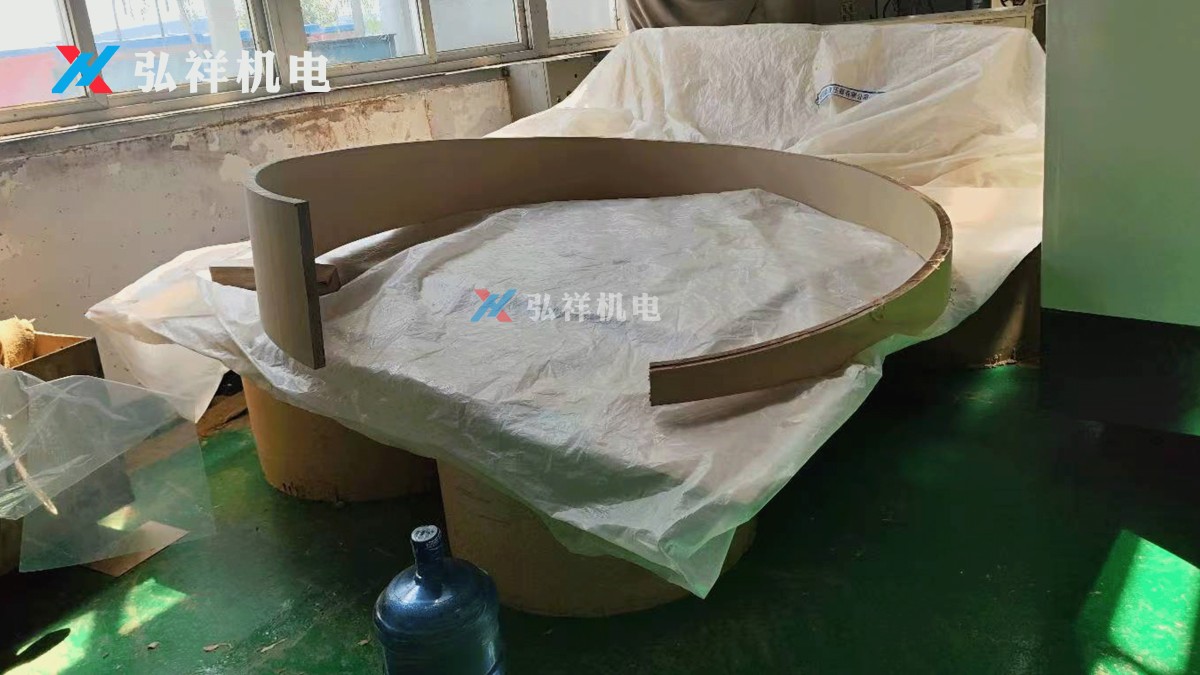
What automated layer-pressed wood processing means
In the transformer manufacturing field, layer-pressed wood is not a simple structural material. It is part of the insulation system, supports dimensional stability, and directly affects assembly consistency in power transformer production. Automated transformer electrical layer-pressed wood processing equipment refers to integrated machinery and control systems used to cut, shape, slot, drill, mill, press, and finish insulating laminated wood components with a higher level of consistency than manual or semi-manual methods.
This type of equipment is especially relevant where electrical insulating cardboard, insulating laminated wood, and insulating parts are manufactured in batches and must meet strict tolerance expectations. Automation does not only mean replacing labor with motors and software. It means standardizing process parameters, reducing human variation, improving traceability, and building a production rhythm that can be repeated day after day.
For decision-makers, the real question is not whether automation sounds advanced. The real question is whether Automated transformer electrical layer-pressed wood processing equipment creates a measurable improvement in stable output, yield, labor efficiency, and delivery reliability. In many cases, the answer depends on product mix, factory discipline, process maturity, and the ability to connect equipment performance with business goals.
Why the industry is paying closer attention
Transformer insulation manufacturing has changed significantly in recent years. Customers expect shorter lead times, more stable product quality, better documentation, and fewer dimensional errors during downstream assembly. At the same time, labor availability has become less predictable, and skilled operators are harder to recruit and retain. These pressures make manual processing more risky when output stability is a competitive priority.
Another reason for growing attention is export competitiveness. Companies serving domestic and overseas markets must maintain product consistency across multiple batches, climates, and order profiles. When insulating laminated wood parts vary in shape, groove quality, or edge finish, the effect is often amplified during transformer assembly. Rework, scrap, and field performance concerns can all increase. This is why many manufacturers are evaluating Automated transformer electrical layer-pressed wood processing equipment as part of a broader quality control strategy rather than as an isolated machine purchase.
Enterprises that integrate research, design, production, installation, training, and after-sales service are in a stronger position to benefit from automation. They can connect equipment capability with actual material behavior, part geometry, and customer-specific process needs. That integrated approach is often more important than machine speed alone.
How automation supports stable output
Stable output in machine equipment manufacturing is not only a matter of producing more parts per hour. In transformer insulation processing, stability usually includes dimensional accuracy, uniform edge quality, repeatable machining paths, lower operator dependency, and fewer interruptions caused by setup inconsistency. Automated transformer electrical layer-pressed wood processing equipment contributes to these results in several practical ways.
First, automated positioning and programmed motion improve repeatability. When the same part must be produced hundreds or thousands of times, even minor variation in manual placement can affect final accuracy. Automated systems reduce this source of fluctuation. Second, preset process parameters improve control over cutting depth, feed rate, drilling position, and surface handling. This is especially valuable when different thicknesses or material grades are processed in the same workshop.
Third, automation reduces dependence on individual operator experience. Skilled labor remains important, but the process becomes less vulnerable to shift changes, fatigue, or inconsistent technique. Fourth, a well-designed machine can lower scrap by ensuring cleaner transitions between operations. Fifth, digital control makes it easier to store recipes, manage repeat orders, and support traceability when quality records are required.
These advantages are not theoretical. In production environments where laminated wood components must fit reliably into transformer assemblies, process repeatability often has a direct effect on throughput beyond the wood shop itself. Better part consistency can reduce bottlenecks in later assembly stages and improve final delivery confidence.
Industry overview: where value is created
The business case for Automated transformer electrical layer-pressed wood processing equipment becomes clearer when decision-makers look beyond machine purchase price and examine where value is created across the operation.
Which manufacturers benefit most
Not every factory will gain the same return from Automated transformer electrical layer-pressed wood processing equipment. The best fit is usually found in businesses with one or more of the following characteristics: repeat production of transformer insulation parts, growing export demand, rising labor costs, strict internal quality standards, or pressure to expand capacity without proportional headcount growth.
For example, enterprises processing insulating laminated wood and electrical insulating cardboard for medium to high-volume transformer projects often see clear value because repeatability matters across many similar parts. Companies serving varied international customers may also benefit because standardized automation helps maintain consistency even when order schedules become complex. In addition, firms developing special machines for advanced industries, including artificial intelligence-related manufacturing support, often already appreciate the value of integrated engineering and data-driven process control.
Common application directions in transformer insulation processing
Automated transformer electrical layer-pressed wood processing equipment is relevant across several common applications. One is precision cutting and profiling of laminated insulation wood used in structural and insulating support parts. Another is slotting and drilling for assembly alignment. A third is integrated processing where multiple operations are completed in one controlled workflow, reducing transfer errors between stations.
It is also valuable in operations that must manage both standard products and custom dimensions. Automation is often more flexible than expected when supported by suitable programming and fixture design. For manufacturers handling a mix of repeated orders and specialized projects, this flexibility can improve machine utilization while keeping quality stable. In such cases, the benefit is not only speed but the ability to maintain process discipline even when product variation increases.
What decision-makers should evaluate before investing
Whether automated processing is worth it depends on disciplined evaluation. Decision-makers should begin with internal data rather than assumptions. Key questions include: How much scrap is caused by inconsistent processing? How often do operators spend time on repeat setup? Where do downstream assembly issues originate? How much output is currently limited by labor dependency rather than machine time?
It is also important to assess material characteristics. Insulating laminated wood behaves differently depending on thickness, density, moisture conditions, and part geometry. A machine must be matched to actual production requirements, not generic performance claims. Software usability, fixture adaptability, operator training, maintenance support, and after-sales responsiveness should be treated as core evaluation factors, especially for enterprises that cannot afford unexpected downtime.
Another practical issue is process integration. A machine may be technically capable but still underperform if upstream material preparation and downstream inspection are not aligned. The most effective Automated transformer electrical layer-pressed wood processing equipment solutions are usually implemented as part of a full process improvement plan, including parameter validation, operator training, and quality checkpoint design.
Potential limits and realistic expectations
Automation is not a magic answer to every production challenge. If product specifications change constantly, if drawings are poorly standardized, or if the workshop lacks basic process discipline, machine performance alone will not guarantee stable output. In addition, some factories overestimate the value of peak speed and underestimate the importance of maintenance planning, spare parts support, and programming capability.
A realistic expectation is that Automated transformer electrical layer-pressed wood processing equipment creates the strongest value when a company already understands its quality targets and is prepared to manage production systematically. The goal is not to remove human expertise, but to make expertise scalable, repeatable, and less fragile.
Practical guidance for implementation
A practical implementation path starts with identifying high-impact part families. Focus first on components with repeat volume, tight tolerance expectations, and a history of rework or labor-intensive handling. Then compare current performance against target metrics such as output per shift, scrap rate, setup time, and dimensional consistency. This provides a more reliable basis for investment decisions than general industry trends.
Choose suppliers that can provide more than equipment delivery. Engineering support, installation, training, and after-sales service are essential because long-term output stability depends on successful commissioning and process tuning. For companies with global customer responsibilities, support capability can have as much strategic value as the machine itself. Integrated manufacturers such as Gaomi Hongxiang Electromechanical Technology Co., Ltd., with experience in transformer-related processing and special equipment development, are well positioned to align machinery design with actual production needs.
Conclusion: is it worth it for stable output?
For many transformer insulation manufacturers, the answer is yes, provided the investment is evaluated through the lens of repeatability, quality assurance, labor resilience, and total process efficiency. Automated transformer electrical layer-pressed wood processing equipment is worth it when stable output is a business priority rather than a simple production slogan. It helps convert craftsmanship into controlled production capability, reduces variation that manual methods struggle to eliminate, and supports scalable manufacturing with stronger delivery confidence.
For enterprise decision-makers, the most effective next step is to review current bottlenecks, define the part categories where automation can create the clearest gain, and work with an experienced equipment partner that understands transformer insulation manufacturing in real operating conditions. When selected and implemented correctly, automated processing is not just a machine upgrade. It is a foundation for more stable output, stronger competitiveness, and better long-term production control.
NAVIGATION
MESSAGE
Request A Quote?