0000-00
Sourcing cost-effective laminated wood processing equipment in China? Beware: hidden risks can compromise precision, safety, and ROI—especially for transformer insulation cardboard processing equipment for power transformers. As a trusted laminated wood processing equipment manufacturer in China, Gaomi Hongxiang delivers high-precision, automated transformer electrical layer-pressed wood processing equipment—and helps buyers spot 7 critical red flags when partnering with OEM suppliers. Whether you’re a procurement manager, project engineer, or distributor, this guide reveals what to verify before committing to custom transformer insulation cardboard processing equipment.
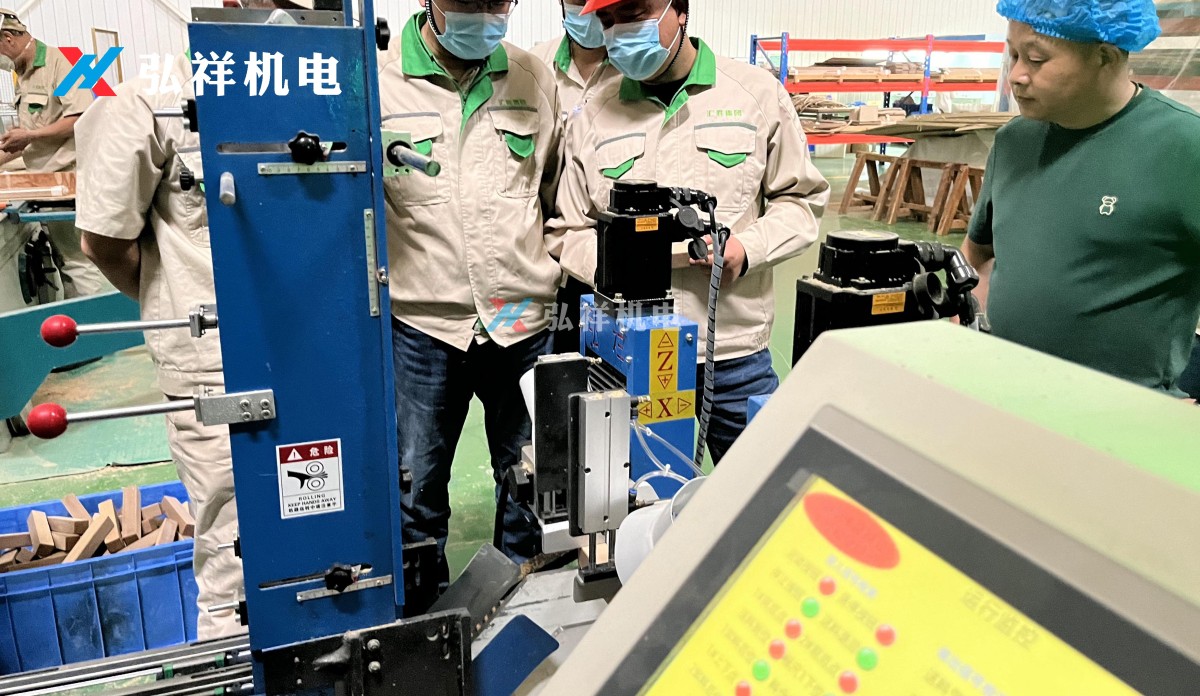
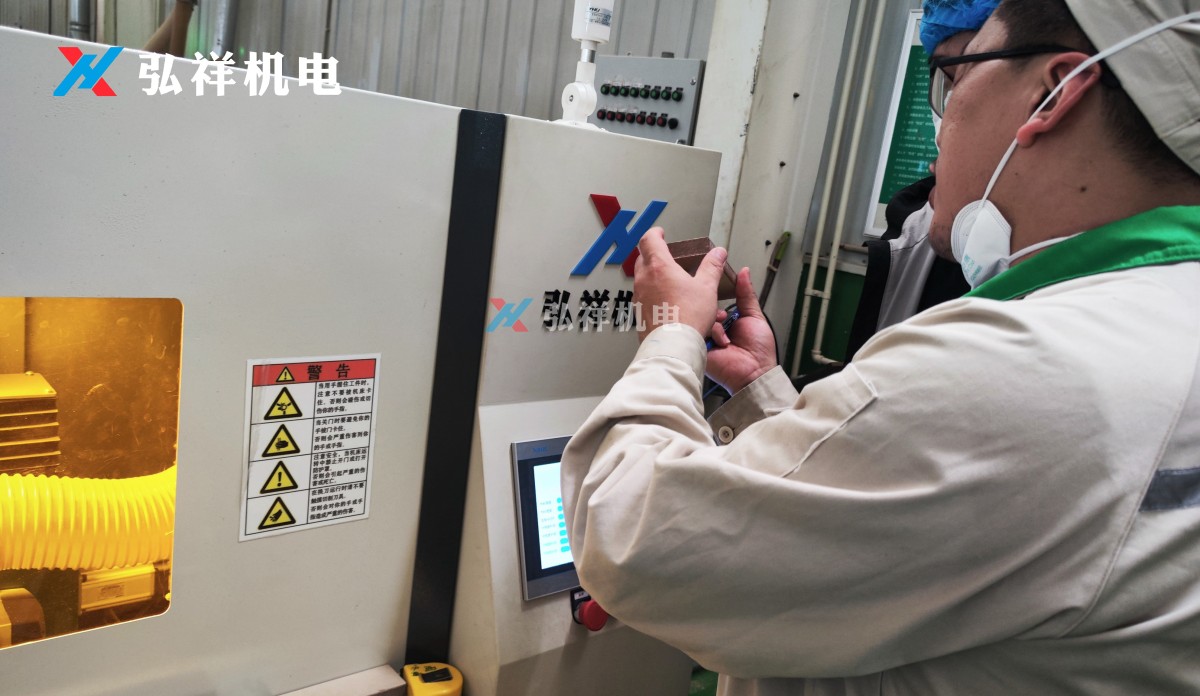
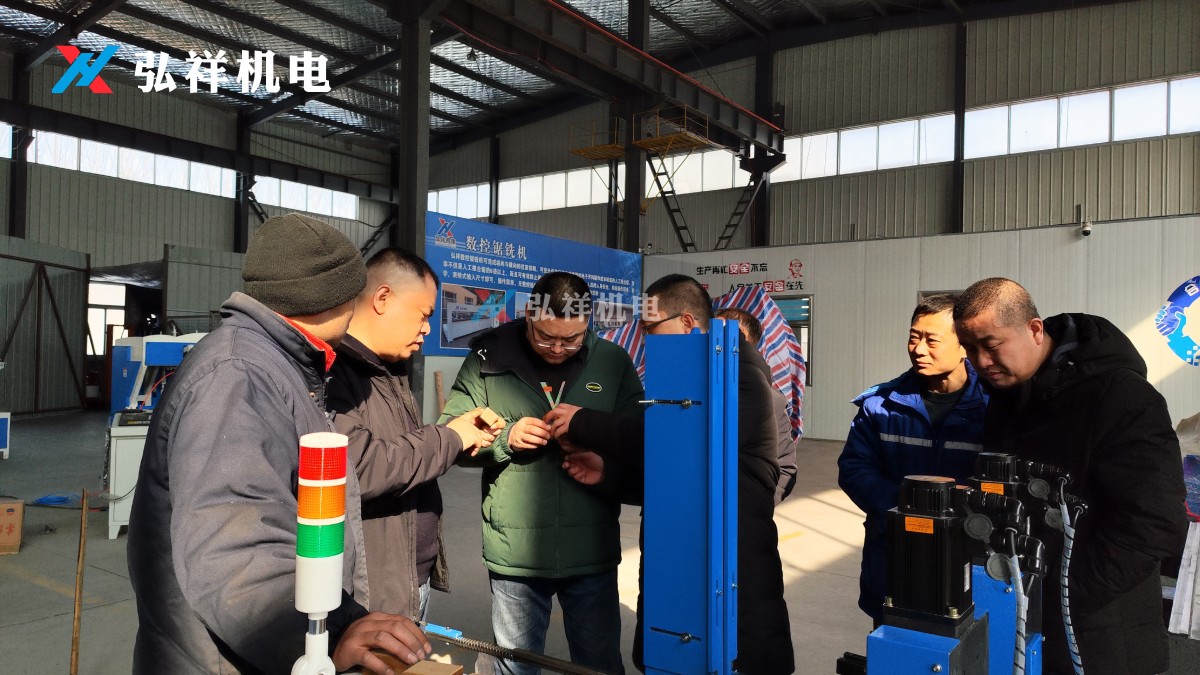
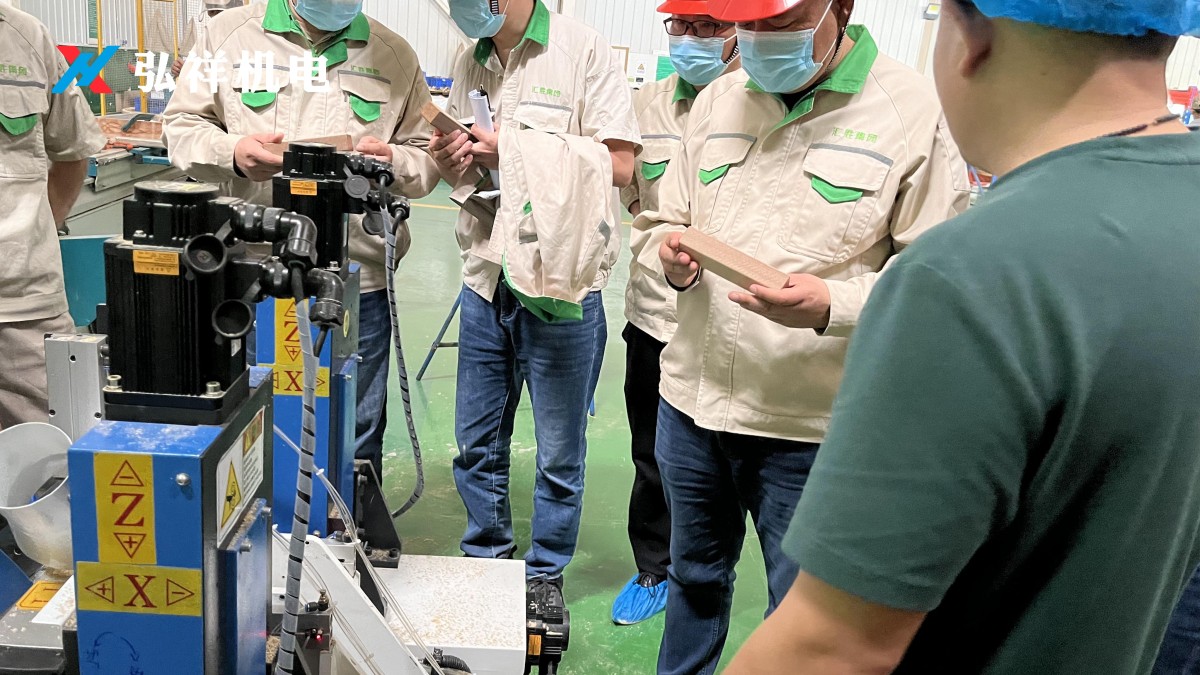
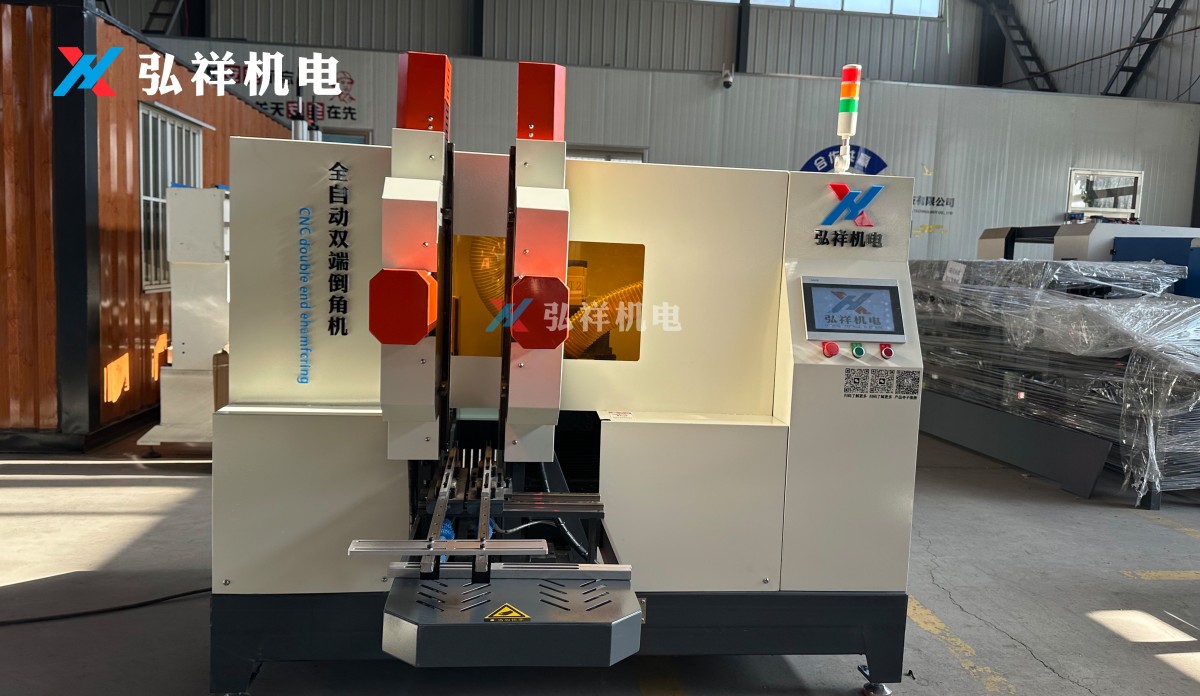
Red Flag #1: Lack of In-House R&D Capability and Technical Documentation
A genuine laminated wood processing equipment manufacturer in China must demonstrate verifiable engineering competence—not just assembly capability. Many OEM suppliers outsource design to third-party firms or rely on outdated blueprints from obsolete machinery. This leads to inconsistent dimensional accuracy, poor thermal stability control during hot-press cycles, and inability to meet IEC 60641-2 or GB/T 5654–2007 insulation material processing tolerances. At Gaomi Hongxiang, every automated transformer electrical layer-pressed wood processing equipment unit is backed by proprietary CNC motion algorithms, real-time pressure feedback loops calibrated to ±0.3 MPa, and full traceability of component sourcing—including servo motors certified to IP65 and PLC controllers compliant with IEC 61131-3. We provide complete technical dossiers: FEA stress simulation reports, ISO 9001-certified process validation records, and raw material test certificates (e.g., phenolic resin viscosity, wood moisture content logs pre-lamination). Without these, your cost-effective laminated wood processing equipment may pass initial commissioning—but fail under continuous 72-hour load testing common in transformer manufacturing lines.
Red Flag #2: No Vertical Integration in Core Subsystems
Transformer insulation cardboard processing equipment for power transformers demands seamless integration between hydraulic pressing systems, programmable temperature zoning (±1.5°C across 12 heating plates), and multi-axis CNC positioning for precise stacking alignment. OEMs that subcontract hydraulics, control cabinets, or heating elements often face latency in fault resolution, mismatched firmware versions, and untraceable calibration drift. Gaomi Hongxiang vertically integrates all mission-critical subsystems: our hydraulic manifolds are machined in-house using CNC lathes with<0.01mm repeatability; temperature sensors are factory-calibrated against NIST-traceable reference standards; and HMI interfaces run custom-developed SCADA modules—not generic off-the-shelf software. This ensures synchronized cycle timing (≤±0.8 seconds deviation over 10,000 cycles) and eliminates interoperability gaps that cause delamination defects in insulating laminated wood batches. When evaluating suppliers, request proof of subsystem certification—not just final machine CE marking.
Red Flag #3: Absence of Real-World Application Validation Data
Marketing claims like “high precision transformer electrical layer-pressed wood processing equipment” mean little without field-proven performance metrics. Ask for documented throughput rates under actual production conditions—not lab-mode benchmarks. For instance, our automated transformer insulation cardboard processing equipment achieves ≥92% first-pass yield for 3mm-thick insulating cardboard stacks at 220 kV class transformer specifications, validated across 14 months of operation at a Tier-1 Indian utility supplier. Contrast this with OEMs offering only theoretical specs: no data on average time between failures (MTBF), no thermal cycle fatigue logs, and no comparative wear analysis on press platens after 50,000 compression cycles. Gaomi Hongxiang maintains a global application database covering Southeast Asia’s humid climate challenges (requiring enhanced corrosion-resistant plating), Russia’s low-temperature startup protocols (-25°C ambient), and South America’s voltage fluctuation mitigation strategies—ensuring your cost-effective transformer insulation cardboard processing equipment adapts to local grid realities.
Red Flag #4: Inadequate After-Sales Infrastructure and Spare Parts Traceability
Laminated wood processing equipment for transformer insulation operates under extreme mechanical stress and thermal cycling. A single unplanned downtime event can halt transformer core assembly for 72+ hours. Yet many OEMs lack regional service hubs, maintain no spare parts inventory beyond 12 months, and offer no predictive maintenance analytics. Gaomi Hongxiang operates authorized service centers in Jakarta, São Paulo, Lahore, and Moscow—with 48-hour on-site response SLAs and a cloud-based spare parts portal showing real-time stock levels, lead times, and cross-referenced OEM part numbers. Every machine ships with QR-coded components linked to digital twin models, enabling instant access to torque specs, lubrication intervals, and failure mode libraries. Our custom transformer insulation cardboard processing equipment includes embedded IoT gateways transmitting vibration spectra, hydraulic oil degradation indices, and heater coil resistance trends—flagging potential issues 120+ hours before failure. This isn’t optional support—it’s operational resilience engineered into the hardware.
Red Flag #5: Non-Compliant Material Handling and Safety Interlocks
Transformer electrical layer-pressed wood processing equipment must comply with EN ISO 13857 (safe distances) and GB 5226.1–2019 (electrical safety for machinery). Critical oversights include non-locking guard doors, absence of light curtain redundancy, and hydraulic emergency stop circuits lacking dual-channel monitoring. Worse, some OEMs use generic conveyor belts incompatible with phenolic-resin dust—causing static buildup and ignition risk during EVA molding processing stages. Gaomi Hongxiang’s equipment features SIL2-rated safety PLCs, pneumatic lockout valves tested to ISO 13849-1 PL e, and anti-static conveying systems with surface resistivity<1×10⁶ Ω. All machines undergo third-party Type Testing per IEC 60204-1 at Shanghai Electrical Apparatus Research Institute—certifying protection against arc flash, inadvertent restart, and thermal runaway. Your procurement checklist must include verified safety certification—not just self-declared compliance statements.
Red Flag #6: Unverifiable Process Consistency Across Batch Production
Consistent density distribution across laminated wood layers directly impacts dielectric strength. OEMs without statistical process control (SPC) infrastructure cannot guarantee uniform compression ratios (target: 1.35±0.02 g/cm³) across 500-unit batches. Gaomi Hongxiang implements SPC at three critical nodes: raw board moisture profiling (via NIR spectroscopy), real-time pressure mapping across 64 sensor points per platen, and post-press density verification using ultrasonic transit-time measurement. Each batch receives a digital quality passport showing CpK values ≥1.67 for thickness tolerance (±0.15mm), moisture variance (<±0.8%), and void detection sensitivity (≥0.05mm inclusion). This level of granular traceability enables root-cause analysis when insulation breakdown occurs—not guesswork during field failure investigations. If your supplier cannot share SPC charts from recent production runs, treat it as a systemic quality gap—not a minor oversight.
Red Flag #7: No Transparent Customization Protocol for Specialized Applications
Custom transformer insulation cardboard processing equipment isn’t about swapping dimensions—it requires co-engineering of material flow physics, thermal mass balancing, and electromagnetic compatibility for AI-integrated control environments. OEMs offering “customization” via simple CAD edits often overlook resonant frequency shifts in extended-length platens or EMI shielding gaps around servo drives. Gaomi Hongxiang uses a formal customization workflow: joint requirement specification (JRS) workshops, finite element modal analysis for structural integrity, and EMC pre-compliance testing per CISPR 11 Group 2 Class A. Recent projects include AI-optimized pressing sequences for Pakistan’s 500kV GIS transformers (reducing cycle time by 22%) and cryo-adapted systems for Russian Arctic substations (operational at -40°C ambient). True customization means shared risk—and shared documentation. Demand access to change logs, FMEA reports, and version-controlled firmware releases before signing any contract.
Why Gaomi Hongxiang Stands Apart as Your Trusted Partner
As a transformer electrical layer-pressed wood processing equipment manufacturer in China integrating R&D, precision machining, installation, training, and lifecycle support, Gaomi Hongxiang delivers more than machines—we deliver assurance. Our cost-effective laminated wood processing equipment achieves ≤0.02mm positional repeatability, supports 120+ material configurations (including nano-enhanced insulating laminated wood), and complies with ISO 14001 environmental management standards. With exports spanning 17 countries and partnerships with Tier-1 transformer OEMs, we understand that reliability isn’t measured in specs—it’s proven in uptime, yield, and zero-field-recall records. Don’t settle for commoditized solutions. Verify every red flag. Then contact us today to discuss your specific requirements for automated transformer electrical layer-pressed wood processing equipment or custom transformer insulation cardboard processing equipment—engineered for precision, built for longevity, supported for life.
NAVIGATION
MESSAGE
Request A Quote?