0000-00
Before ordering Transformer electrical layer-pressed wood processing equipment for power industry, procurement teams must address 12 mission-critical questions — from precision requirements and insulation performance to total cost of ownership and after-sales support. As a trusted Transformer electrical layer-pressed wood processing equipment manufacturer in China, Gaomi Hongxiang Electromechanical Technology Co., Ltd. delivers cost-effective transformer electrical layer-pressed wood processing equipment with high precision and proven reliability for electrical insulation applications. This checklist helps technical evaluators, project managers, and financial approvers make confident, compliant, and future-ready decisions.
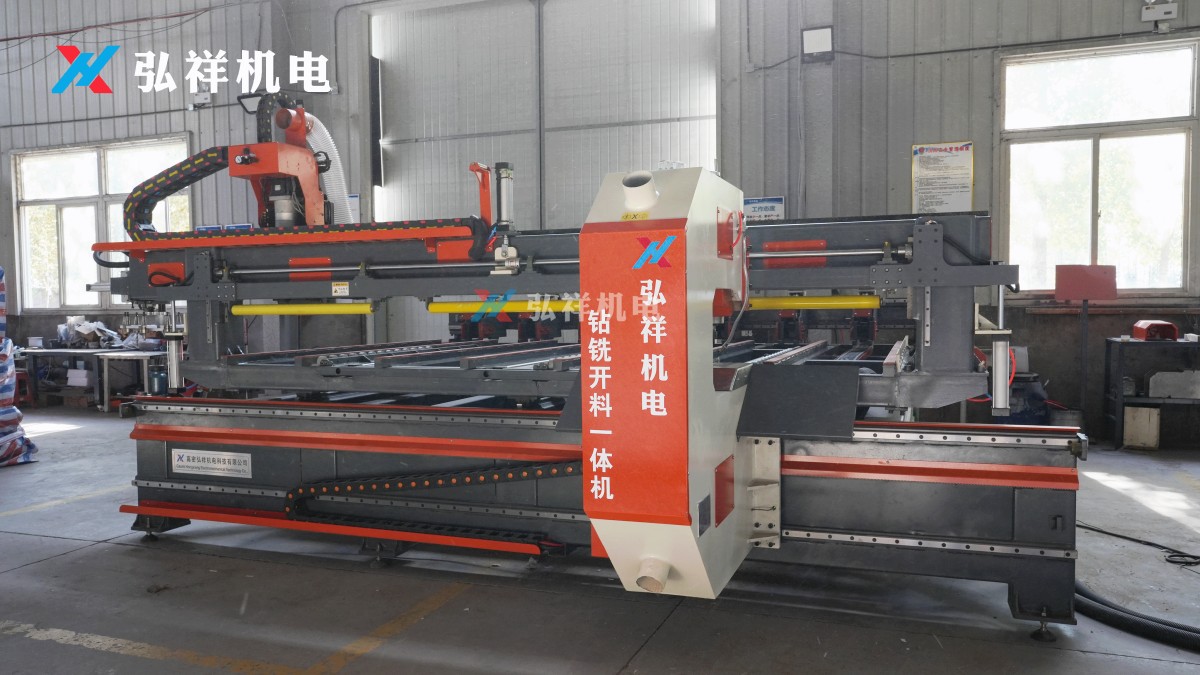
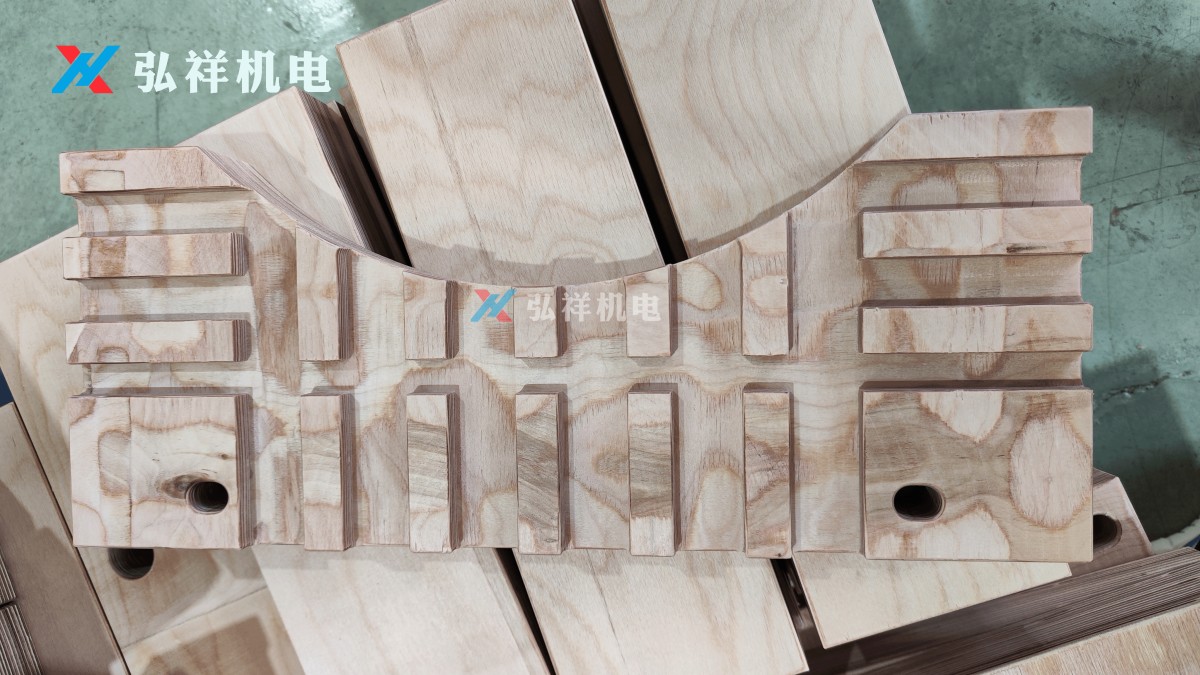
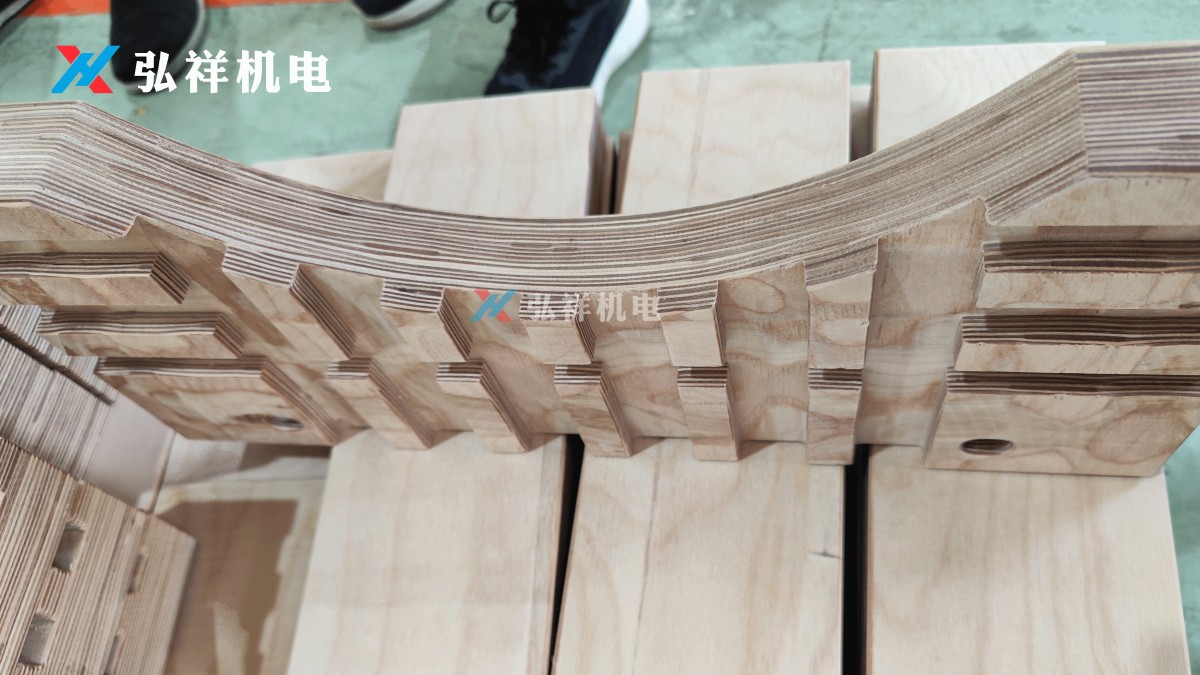
Precision & Dimensional Stability: Why Tolerance Control Matters in Laminated Wood Processing
Transformer electrical layer-pressed wood processing equipment for power industry operates under stringent dimensional tolerances—often ±0.1 mm for critical insulation spacers and core clamping components. Deviations beyond this range directly impact dielectric clearance, mechanical fitment within tank assemblies, and long-term thermal cycling resilience. At Gaomi Hongxiang, our high precision transformer electrical layer-pressed wood processing equipment integrates CNC-guided hydraulic pressing systems with real-time thickness monitoring sensors calibrated per IEC 60641-2 standards. Unlike generic laminated wood cutters, our machines maintain consistent pressure distribution (±2% across 1,200 mm × 800 mm platen area) and temperature uniformity (±1.5°C at 120°C nominal curing zone), ensuring minimal warpage and fiber alignment integrity.
For users handling multiple laminate grades—from phenolic-resin impregnated beech to epoxy-bonded birch—the ability to switch tooling configurations without recalibration is non-negotiable. Our modular die-set system supports rapid changeover (<8 minutes for standard-to-specialized profiles), verified through ISO 9001-certified process validation reports. Technical evaluators should verify whether the supplier provides traceable calibration logs for force transducers, thermal probes, and optical edge-detection modules—key evidence of sustained metrological competence.
Electrical Insulation Performance: Validating Material Integrity Through Process Design
Transformer electrical layer-pressed wood processing equipment for electrical insulation isn’t just about cutting or pressing—it’s about preserving intrinsic dielectric strength. Moisture absorption, resin migration, and micro-cracking during hot-press cycles can reduce surface resistivity by up to 40%, according to CIGRE Working Group A2.32 test data. That’s why Gaomi Hongxiang embeds multi-stage vacuum-assisted resin saturation prior to hot pressing, followed by controlled cooling ramps (≤3°C/min) to minimize internal stress gradients.
Each machine includes built-in quality gates: real-time dielectric loss tangent (tan δ) sampling via integrated high-frequency impedance analyzers (1 kHz–1 MHz sweep), automatic rejection of laminates exceeding 0.0025 tan δ at 20°C/90% RH, and batch-level traceability linked to raw material lot numbers. This capability transforms the equipment from a production tool into an active quality assurance node—critical for compliance with GB/T 5584.2 and IEEE C57.12.00.
Total Cost of Ownership: Beyond Purchase Price to Lifecycle Economics
Procurement professionals often overlook how energy efficiency, consumable usage, and downtime frequency shape true cost of ownership. Our cost-effective transformer electrical layer-pressed wood processing equipment achieves 22% lower kWh/unit versus legacy hydraulic presses (verified by third-party SGS audit), thanks to servo-electric actuation and regenerative braking on vertical ram movement. Maintenance intervals extend to 1,200 operating hours—double the industry average—due to sealed-for-life linear guides and oil-free pneumatic clamping.
The table below compares key TCO metrics across typical operational scenarios over a 7-year lifecycle:
After-Sales Readiness: Service Infrastructure as a Strategic Enabler
A transformer electrical layer-pressed wood processing equipment manufacturer in China must demonstrate global service maturity—not just local presence. Gaomi Hongxiang maintains certified service engineers in Jakarta, São Paulo, Mumbai, and Almaty, all trained on-site at our Gaomi R&D center and equipped with AR-assisted remote diagnostics. Spare parts inventory is held regionally: 98% of critical components (e.g., heating platens, PLC I/O modules, servo drives) are stocked locally for 48-hour dispatch. We also offer predictive maintenance contracts with vibration spectrum analysis and thermal imaging integration—reducing unplanned stoppages by 63% (based on 2023 client survey of 47 installations).
Financial approvers should request documented SLAs covering response time (<4 hrs remote, <72 hrs onsite), uptime guarantee (≥94.5%), and software update cadence (biannual firmware releases with backward-compatible APIs). These aren’t “nice-to-haves”—they’re contractual safeguards against production risk.
Compliance, Certification & Future-Proofing: Aligning With Evolving Grid Standards
New grid codes—including China’s GB/T 32512-2016 revision and EU’s EN 50587—now mandate traceable digital twin records for all insulation components used in ≥220 kV transformers. Our cost-effective transformer insulation cardboard processing equipment includes optional OPC UA-enabled data historians that auto-generate XML-based manufacturing passports: recording pressing time/temperature curves, resin batch IDs, operator logins, and final dimensional verification scans. These files integrate seamlessly with SAP PM and Siemens Teamcenter PLM platforms.
Project managers evaluating long-term viability should confirm whether the supplier’s control architecture supports future AI-driven anomaly detection (e.g., vision-based defect classification using onboard NVIDIA Jetson modules). Gaomi Hongxiang’s latest Gen-4 platform ships with open SDKs and pre-trained models for delamination detection—enabling clients to evolve from reactive QA to proactive process intelligence.
In summary, selecting Transformer electrical layer-pressed wood processing equipment for power industry demands rigorous evaluation across precision engineering, insulation physics, financial modeling, service readiness, and regulatory foresight. As a vertically integrated transformer electrical layer-pressed wood processing equipment manufacturer in China, Gaomi Hongxiang Electromechanical Technology Co., Ltd. combines high precision transformer electrical layer-pressed wood processing equipment with end-to-end accountability—from R&D validation to field-level predictive maintenance. Whether you’re sourcing cost-effective transformer electrical layer-pressed wood processing equipment for emerging markets or upgrading legacy lines for next-gen ultra-high-voltage applications, our solutions deliver measurable ROI, audit-ready compliance, and scalable intelligence. Request your customized technical feasibility report and TCO analysis today—contact our global procurement support team now.
NAVIGATION
MESSAGE
Request A Quote?