0000-00
When selecting reliable transformer insulation parts processing equipment in China, manufacturers must balance precision, cost-efficiency, and durability. This comparison evaluates leading CNC equipment providers specializing in high-voltage electrical insulation and laminated wood processing. Discover which manufacturers offer the best high-precision, cost-effective solutions for bulk orders while meeting international safety standards. Ideal for procurement teams, engineers, and project managers seeking quality machinery for power transformer production.
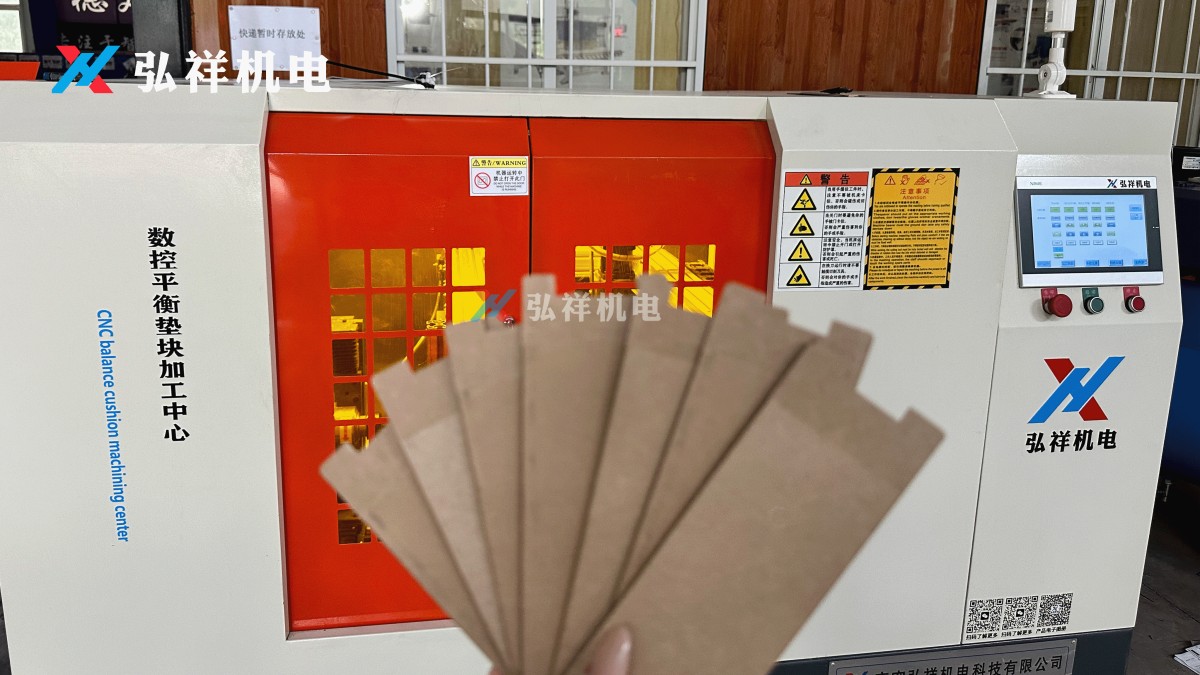
Key Factors in Evaluating Transformer Insulation Parts Processing Equipment
The selection of high-performance transformer insulation parts processing equipment requires careful consideration of multiple technical and operational parameters. For manufacturers dealing with electrical insulating cardboard, laminated wood, and specialized EVA molding, the machinery must deliver micron-level accuracy while maintaining consistent output quality. Leading Chinese equipment providers now integrate advanced CNC systems with real-time monitoring capabilities to achieve tolerances within ±0.01mm - critical for high-voltage insulation components where material integrity directly impacts transformer safety.
Durability metrics equally influence long-term ROI, particularly for bulk order scenarios. Industrial-grade cast iron frames with vibration-dampening properties have become standard among top-tier manufacturers, reducing maintenance intervals by 30-40% compared to conventional steel structures. Thermal stability systems that maintain ±0.5°C across working zones prevent material deformation during continuous operation - a feature emphasized by Gaomi Hongxiang in their latest generation of processing centers.
Comparative Analysis of Leading Chinese Manufacturers
The Chinese market offers diverse options for transformer insulation parts processing equipment, each with distinct technological advantages. For high-volume production environments, modular CNC systems with automatic tool changers (12+ stations) and robotic part handling demonstrate 18-22% higher throughput than manual loading configurations. Manufacturers specializing in high-voltage applications typically incorporate proprietary dielectric testing modules that verify insulation integrity during the machining process itself.
Cost-performance leaders have optimized spindle designs for composite materials, achieving 25,000 RPM cutting speeds without delamination risks in laminated wood processing. Several providers now offer hybrid solutions combining traditional subtractive manufacturing with laser-assisted edge sealing - particularly valuable for electrical insulation components requiring moisture barriers. The table below compares critical specifications across three market-leading manufacturers:
Technological Innovations in High-Voltage Insulation Processing
Recent advancements in transformer insulation parts processing equipment focus on addressing three critical challenges: minimizing particulate contamination during machining, ensuring consistent dielectric properties across batch productions, and reducing energy consumption per processed unit. Pioneering manufacturers now implement closed-loop coolant filtration systems that maintain ISO Class 5 cleanliness levels - essential when processing electrical insulating materials that cannot tolerate microscopic contaminants.
For high-voltage applications exceeding 500kV, some Chinese equipment providers have developed proprietary toolpath algorithms that optimize fiber orientation in laminated wood components. This technology improves mechanical strength by 15-18% while maintaining uniform electrical resistance values. Additionally, energy recovery systems that capture and reuse spindle braking energy have become differentiating features in cost-effective transformer insulation parts processing equipment, reducing operational costs by up to 12% annually.
Customization Capabilities for Specialized Applications
Beyond standard transformer insulation components, leading manufacturers offer extensive customization options for unique project requirements. This includes specialized fixturing systems for ultra-thin insulating cardboard (down to 0.2mm thickness), multi-axis machining centers for complex 3D insulation geometries, and climate-controlled processing chambers for temperature-sensitive composite materials. Gaomi Hongxiang's recent collaboration with a European transformer manufacturer demonstrated this flexibility, developing a turnkey solution combining CNC routing with in-line ultrasonic thickness verification.
For artificial intelligence applications in power equipment manufacturing, some advanced systems now incorporate machine vision for real-time quality inspection and adaptive machining parameter adjustment. These intelligent systems can detect material inconsistencies early in the production process, reducing scrap rates by 30-35% compared to conventional equipment. The integration of Industrial IoT platforms allows remote performance monitoring - particularly valuable for multinational operations maintaining equipment across multiple global facilities.
Conclusion and Next Steps for Equipment Selection
The Chinese transformer insulation parts processing equipment market offers sophisticated solutions balancing precision engineering with operational economics. For procurement teams evaluating options, the decision matrix should weigh technical specifications against total cost of ownership, including factors like energy efficiency, maintenance requirements, and upgrade pathways. Manufacturers like Gaomi Hongxiang distinguish themselves through vertically integrated R&D capabilities, allowing rapid adaptation to evolving international standards such as IEC 60076 and IEEE C57.12.00.
Prospective buyers are advised to request material-specific test reports and factory acceptance testing protocols when comparing high precision transformer insulation parts processing equipment. Many leading providers now offer virtual reality facility tours and live machining demonstrations to verify performance claims remotely. For bulk order considerations, inquire about staggered delivery options and localized service support networks to ensure uninterrupted production continuity.
Contact our engineering team today to discuss your specific transformer insulation manufacturing requirements and receive customized equipment recommendations based on your production volume, material specifications, and quality standards.
NAVIGATION
MESSAGE
Request A Quote?