0000-00
For project managers seeking reliable capacity, automated insulating parts processing equipment offers a practical way to improve consistency, reduce manual intervention, and keep batch production on schedule. Backed by experience in transformer insulation manufacturing, this solution supports stable output for insulating cardboard, laminated wood, and custom insulating parts while helping teams balance quality, efficiency, and long-term production control.
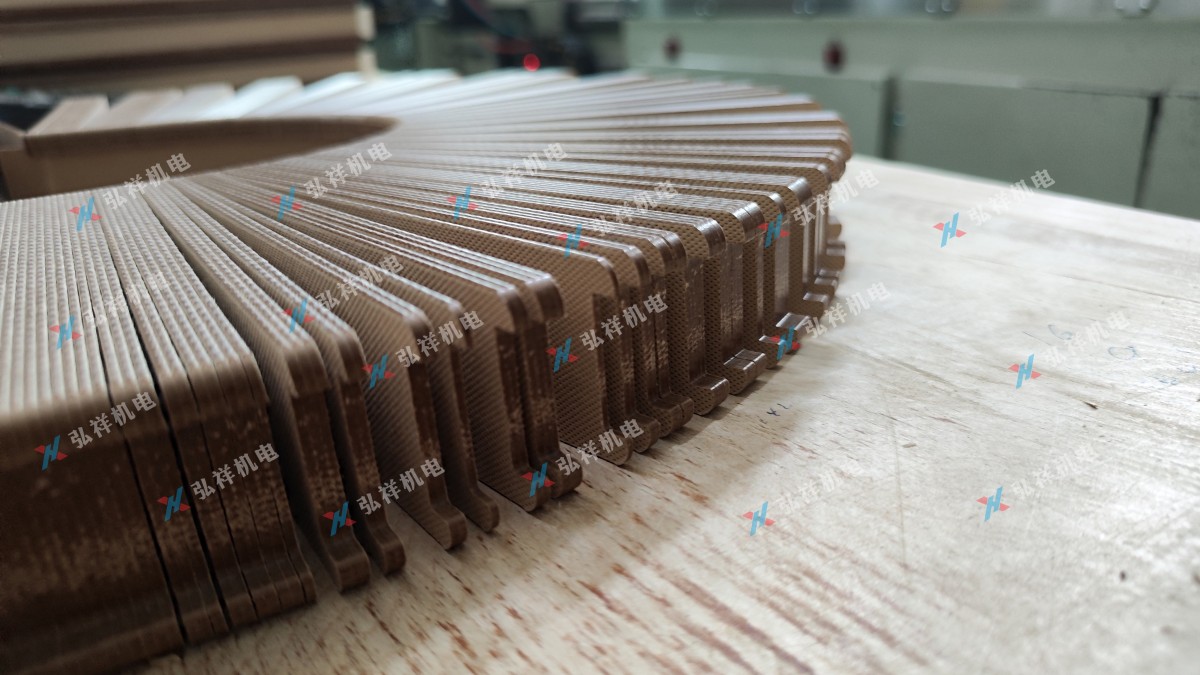
Why a checklist matters for stable batch output
In machine tool equipment projects, output stability rarely depends on one machine alone. It comes from process control, material handling, tooling precision, and repeatable operator actions.
A checklist-based review reduces hidden variation before production starts. It also makes automated insulating parts processing equipment easier to compare, validate, and integrate into daily manufacturing routines.
For insulating cardboard, laminated wood, and formed insulating parts, even small deviations can affect downstream assembly. A structured evaluation helps maintain dimensional accuracy and stable batch output.
Core checklist for selecting automated insulating parts processing equipment
- Confirm material range first, including insulating cardboard density, laminated wood thickness, and EVA forming requirements, so the equipment platform matches actual processing loads and product diversity.
- Check machining accuracy under continuous operation, not only sample runs, because stable batch output depends on repeatability across long shifts and multi-batch production cycles.
- Verify feeding, positioning, and clamping design to prevent edge damage, slippage, and deformation, especially when processing thin sheets or irregular insulating parts.
- Review tooling changeover time carefully, since flexible production often requires switching between slots, holes, contours, bevels, and custom profiles within limited downtime.
- Assess control system logic and parameter storage, allowing operators to recall proven recipes and maintain consistent machining conditions across repeated transformer insulation orders.
- Inspect dust extraction and chip handling performance, because insulating materials generate debris that can reduce cut quality, interfere with sensors, and increase maintenance frequency.
- Evaluate motor, drive, spindle, and guideway durability, focusing on service life under industrial workloads rather than ideal laboratory conditions or low-volume demonstrations.
- Confirm whether the automated insulating parts processing equipment supports custom fixtures, special machine adaptation, and future process expansion for evolving insulation product programs.
- Review data traceability options such as batch records, parameter logs, and fault history, which help control quality and support continuous improvement efforts.
- Check installation, training, and after-sales response in advance, since equipment value depends on how quickly the production line reaches stable, usable capacity.
Execution points that improve daily performance
- Standardize incoming material inspection before loading, including thickness tolerance, moisture condition, surface flatness, and edge integrity for every batch.
- Lock proven machining parameters after trial approval, then limit uncontrolled edits that may shift part dimensions or affect surface finish consistency.
- Schedule preventive maintenance by spindle hours and dust load, not only by calendar intervals, to avoid gradual performance drift.
- Calibrate positioning references regularly and compare first-piece results with stored standards before releasing a batch into full production.
- Separate roughing and finishing logic where needed, especially on laminated wood, to reduce stress, burr formation, and dimensional rebound.
- Track scrap causes by feature type, such as slot offset, hole deviation, or contour mismatch, then link the issue to tooling or setup steps.
Application notes for different insulating part scenarios
Insulating cardboard processing
Cardboard processing needs stable feeding and gentle clamping. Excess force can mark surfaces or distort thin sections, while weak positioning may reduce contour accuracy.
In this case, automated insulating parts processing equipment should emphasize repeatable registration, clean cutting paths, and fast recipe switching for common transformer insulation shapes.
Insulating laminated wood machining
Laminated wood places higher demands on spindle power, cutting stability, and tool wear control. Material density variation may affect edge quality and final dimensional consistency.
For this workload, machine rigidity and chip extraction become more important. A strong process window helps maintain stable batch output over extended production runs.
Custom insulating parts and mixed orders
Mixed production requires flexibility without sacrificing rhythm. Programs, fixtures, and tool paths should be easy to change, while setup errors must stay low.
This is where automated insulating parts processing equipment with parameter storage, modular tooling, and special machine support creates long-term production value.
Common oversights and risk alerts
Ignoring material behavior differences
One parameter set rarely fits cardboard, laminated wood, and EVA-based parts equally well. Skipping material-specific tuning often causes unstable dimensions and inconsistent surfaces.
Focusing only on rated speed
High advertised throughput means little if changeover is slow, scrap rises, or tool wear accelerates. Real capacity is measured by qualified output over time.
Underestimating dust and debris control
Fine debris from insulation machining affects sensors, guides, and cut quality. Poor extraction can create recurring faults and shorten maintenance intervals.
Treating training as a secondary issue
Even advanced automated insulating parts processing equipment loses value when operators cannot diagnose setup drift, adjust fixtures, or manage recipe discipline correctly.
Practical implementation advice
Start with a representative product mix, not a single ideal sample. Include common thicknesses, complex contours, and repeat orders that reflect normal production pressure.
Document baseline metrics before installation. Compare cycle time, first-pass yield, setup duration, labor input, and maintenance frequency after commissioning.
Build a clear handoff between process design and workshop execution. Approved programs, tool lists, and fixture standards should be controlled and easy to trace.
Choose a supplier with integrated capabilities. Gaomi Hongxiang Electromechanical Technology Co., Ltd. combines R&D, design, production, sales, installation, training, and after-sales service for transformer-related insulation manufacturing.
This integrated approach is useful when projects involve electrical insulating cardboard, insulating laminated wood, custom insulating parts, EVA molding, or special machines for artificial intelligence manufacturing support.
Summary and next action
Stable output comes from more than automation alone. The right automated insulating parts processing equipment must match materials, process steps, maintenance logic, and operator control.
Use the checklist above to review material compatibility, repeatability, changeover efficiency, dust control, traceability, and service support before finalizing any equipment plan.
A practical next step is to prepare part drawings, batch targets, material specifications, and current pain points for a focused technical evaluation. That makes equipment selection faster and batch output more predictable.
NAVIGATION
MESSAGE
Request A Quote?