0000-00
For quality control and safety teams, automated transformer electrical layer-pressed wood processing equipment is only as valuable as its ability to hold output stability and dimensional accuracy over time. In practice, the most important checks are not just whether the machine runs fast, but whether thickness, length, width, slot position, surface condition, and repeatability remain within control under continuous production. When these indicators drift, insulation performance, assembly fit, traceability, and operator safety can all be affected. This article explains the key output and tolerance checks that matter most, and how to use them to evaluate equipment performance in real manufacturing conditions.
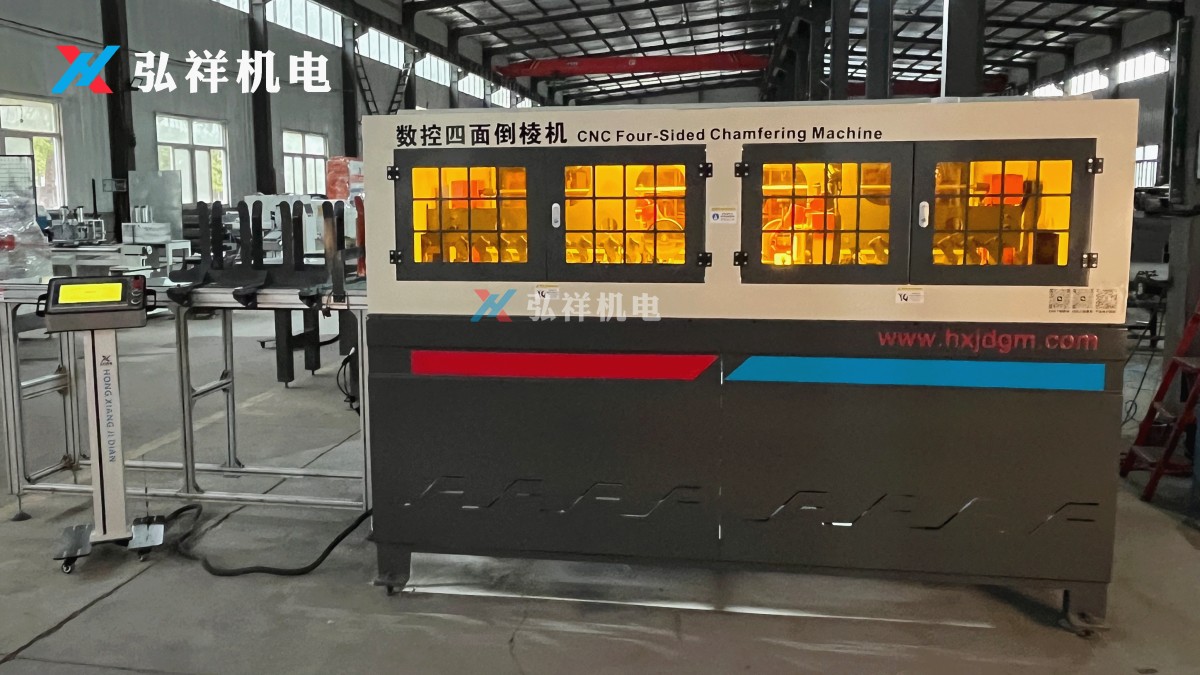
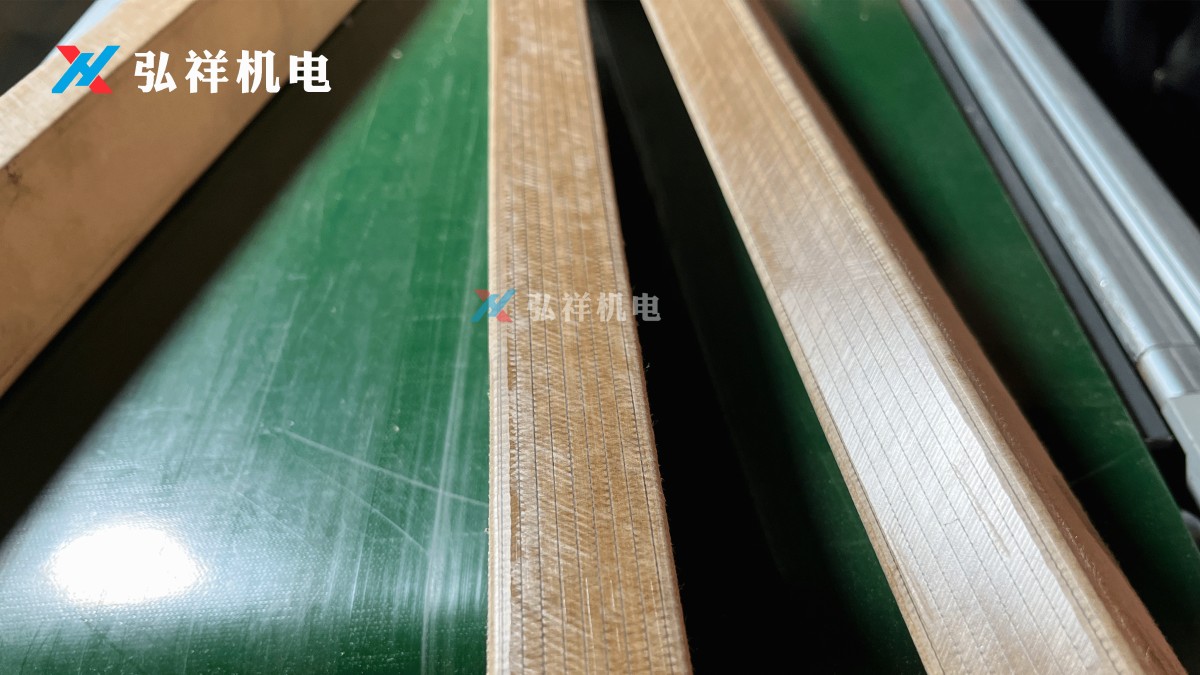
What quality and safety teams are really trying to confirm
When readers search for Automated Layer-Pressed Wood Equipment: Key Output and Tolerance Checks, they usually want practical criteria for judging whether equipment can produce stable, compliant insulating parts.
They are not mainly looking for broad automation theory. They want to know what must be measured, what tolerance items are most critical, how output stability should be verified, and where quality risk appears first.
For quality control personnel, the core concern is consistency between batches, shifts, and machine cycles. For safety managers, the focus expands to process reliability, defect prevention, and reduced operator exposure to unstable manual handling.
That means the most useful discussion is about measurable output indicators, inspection methods, control points, and warning signs of process drift in automated transformer electrical layer-pressed wood processing equipment.
Why small dimensional errors matter in layer-pressed wood processing
Layer-pressed wood used in transformer insulation and structural support is not a decorative material. It directly affects fit, dielectric spacing, assembly precision, and downstream machining or installation reliability.
If thickness is inconsistent, the stack-up dimension in transformer assemblies can shift. Even a small deviation may create pressure imbalance, poor positioning, or unwanted variation during final installation.
If slot depth, hole position, or edge geometry drifts outside limits, components may require rework or cause assembly interference. In high-volume production, this quickly becomes a cost, delivery, and traceability problem.
Surface defects also matter. Delamination, crushing, burrs, scorching, chipped edges, or fiber pullout can reduce functional reliability and signal that machine parameters are no longer under control.
From a safety perspective, unstable output often creates secondary risk. Operators intervene more often, rejected parts accumulate near the machine, and maintenance actions become more frequent under production pressure.
The first output check: can the machine deliver stable throughput without quality drift?
Throughput is often the first number shown in equipment presentations, but quality and safety teams should ask a stricter question: can the machine maintain target output without dimensional variation increasing over time?
A realistic output review should compare rated capacity with actual sustained capacity across full shifts. Short test runs are not enough, especially for insulating laminated wood and transformer-related components.
Check whether the machine can maintain cycle consistency during startup, continuous operation, tooling changes, and material lot changes. Many tolerance problems appear only after heat, vibration, dust, and wear accumulate.
Useful throughput indicators include parts per hour, acceptable parts ratio, average cycle time, downtime frequency, changeover duration, and defect rate at different operating speeds.
If production speed rises but edge quality worsens or dimensional spread increases, the effective output is lower than advertised. Good equipment should balance speed with repeatable conformance, not trade one for the other.
Thickness tolerance is usually the most critical dimensional control point
For many layer-pressed wood applications, thickness tolerance is the most influential output indicator because it directly affects insulation spacing, fit-up precision, and pressure distribution in assembly.
Quality teams should verify not only nominal thickness, but also thickness uniformity within one part, between parts, and across batches. Variation at corners, edges, and center areas should all be checked.
If the equipment includes feeding, pressing, cutting, or surfacing functions, each step can affect final thickness. Tool wear, feed pressure, clamping balance, and board flatness may all contribute to drift.
A capable automated transformer electrical layer-pressed wood processing equipment line should support repeatable thickness control with clear parameter traceability and a documented calibration routine.
For inspection, use defined sampling frequencies and measurement positions. Do not rely on a single-point reading, because local compression or uneven machining can hide broader thickness inconsistency.
Length, width, and squareness checks determine assembly fit
After thickness, the next priority is external dimension control. Length and width must remain within specified tolerances, but squareness and parallelism are equally important for downstream assembly accuracy.
A part may pass simple length and width checks and still cause installation problems if opposite sides are not parallel or corners are not controlled. This is common when feeding alignment is unstable.
Quality teams should compare programmed dimensions with actual measured values at multiple points. This helps identify taper, skew, edge wander, or cumulative positioning error caused by transport or tooling issues.
For safety managers, poor dimensional control matters because misfit parts often trigger manual adjustment, trimming, or forceful assembly behavior near cutting or pressing stations.
If the machine can automatically compensate for material deviation or tool wear, that function should be validated using actual production data, not only supplier claims or ideal demonstration samples.
Position tolerance for holes, slots, grooves, and profiles is often where hidden defects appear
In transformer insulating parts, many defects are not obvious from the outer shape. The real issue may be position tolerance in holes, slots, grooves, steps, or shaped cutouts.
When these features drift, parts may appear visually acceptable but fail during assembly. The cost is higher because the problem is often discovered later, after labor and logistics have already been added.
Important checks include center-to-center distance, edge distance, groove width, groove depth, slot straightness, and profile repeatability. These should be measured against functional assembly requirements, not only drawing values in isolation.
Automated equipment should maintain positional accuracy across repeated cycles and across the full working area. If accuracy drops near one side of the bed or at higher speeds, that is a practical control risk.
For quality assurance, first-piece approval and periodic patrol inspection should be linked to machine condition records, especially after tool replacement, maintenance, or raw material changes.
Surface integrity is not cosmetic; it is a process capability signal
Surface quality in insulating laminated wood and related parts provides an early warning of process instability. A clean surface usually reflects proper cutting condition, feed balance, and material handling control.
Common issues include burrs, tear-out, edge chipping, crushing marks, overheating traces, fiber lifting, and delamination. Each defect type points to a different root cause in tooling or machine settings.
For example, burrs may indicate tool wear or cutting speed mismatch. Chipping may point to feed instability or poor support. Burn marks may suggest excessive friction, dull tools, or parameter overload.
Surface checks should therefore be part of routine output verification, not treated as a minor cosmetic screen. In many plants, visible surface defects appear before dimensional nonconformance becomes obvious.
Because safety teams monitor dust, debris, and abnormal cutting behavior, surface defect trends can also help identify rising operational hazards before a more serious event occurs.
Repeatability matters more than one perfect sample
Many equipment evaluations fail because buyers focus too much on demonstration parts. A supplier can produce one accurate sample, but daily manufacturing depends on repeatability under normal production conditions.
The better test is whether the machine can hold dimensional spread within control over many cycles, multiple material sheets, and long running periods without excessive operator correction.
Quality teams should request repeatability data such as Cp, Cpk, standard deviation trends, and pass rates over extended trial production. If this data is unavailable, conduct a structured acceptance run.
Look for performance consistency across shifts, operators, and environmental conditions. If output depends heavily on one experienced operator, the automation level may be weaker than expected.
True process capability reduces both quality escapes and safety intervention. Machines that require frequent adjustment create more points where human error and unplanned exposure can occur.
How to structure practical tolerance checks on the shop floor
For execution teams, tolerance control works best when checks are layered. Start with incoming material verification, then first-piece confirmation, in-process patrol inspection, and final release checks.
Incoming verification should confirm board thickness range, flatness, moisture-related stability if applicable, and visible material defects. Good equipment cannot fully correct unstable raw material.
First-piece inspection should verify all critical dimensions and feature positions against the current program and tooling status. This is the best point to stop errors before batch output expands.
In-process patrol checks should focus on the dimensions most likely to drift first, typically thickness, length, width, slot dimensions, and key positional features. Frequency should reflect risk and volume.
Final inspection should confirm that accepted parts remain within specification and that traceability records match the batch, operator, machine, tooling, and inspection result history.
What safety managers should review beyond dimension reports
Safety performance in automated transformer electrical layer-pressed wood processing equipment is closely linked to process stability. Quality variation often increases operator intervention, which increases exposure risk.
Review how often operators must clear jams, reposition material, trim defective parts, or reach into guarded zones during setup and maintenance. These behaviors reveal practical weaknesses not visible in brochures.
Check whether dust extraction, guarding, emergency stop response, interlock reliability, and fault alarm logic remain effective during normal and peak production loads.
Also review whether tolerance drift creates unsafe workarounds. If operators routinely compensate for machine error with manual pressing, pushing, or re-feeding, both safety and quality control are failing together.
A strong equipment solution supports safer manufacturing by reducing unpredictable motion, rework pressure, manual contact with cutting areas, and stress caused by unstable output targets.
Questions to ask when evaluating a supplier or machine proposal
Before approving equipment, quality and safety teams should ask specific questions tied to measurable output and tolerance capability, not only general claims about automation or intelligent manufacturing.
Ask which dimensions are controlled automatically, what tolerance range is proven in continuous production, how repeatability is verified, and what compensation functions are built into the machine.
Request examples of inspection standards, calibration procedures, maintenance intervals, fault logs, and acceptance test methods used for similar insulating material applications.
It is also useful to ask how the supplier supports training, installation, commissioning, and after-sales service, because long-term quality performance depends on more than machine hardware alone.
For companies serving transformer and insulation industries, application familiarity matters. Equipment must match the behavior of electrical insulating cardboard, laminated wood, and specialized insulating parts in real production.
Why integrated service support affects long-term quality results
Even well-designed equipment can lose accuracy if installation, training, maintenance, and process setup are weak. That is why service capability should be part of any output and tolerance evaluation.
A supplier with integrated R&D, design, production, installation, training, and after-sales support is often better positioned to solve process issues quickly and keep equipment performance stable.
For users of automated transformer electrical layer-pressed wood processing equipment, this matters because quality issues may come from parameter logic, tooling selection, material behavior, or operator setup, not one single cause.
When technical support understands both the machine and the application, root-cause analysis becomes faster. That reduces downtime, lowers scrap risk, and helps quality teams maintain confidence in production data.
For global manufacturers and exporters, stable support is especially valuable because customer expectations for consistency, compliance, and delivery reliability are higher across international markets.
Conclusion: the best equipment is the one that keeps output, tolerance, and safety under control together
For quality control and safety professionals, the right judgment standard is simple: can the equipment produce conforming parts consistently, at practical throughput, with minimal intervention and controlled risk?
The most important checks are sustained output stability, thickness tolerance, external dimensions, feature position accuracy, surface integrity, and repeatability across real production conditions.
Machines that perform well in these areas help protect insulation quality, improve assembly reliability, reduce rework, and support safer shop-floor operation.
When evaluating Automated Layer-Pressed Wood Equipment, focus less on headline speed and more on verified tolerance performance over time. That is what turns automation into dependable manufacturing value.
NAVIGATION
MESSAGE
Request A Quote?