0000-00
For transformer manufacturers and precision component producers, real-time tool wear tracking on CNC Double-End Chamfering Machine is no longer optional—it’s essential for maintaining quality in Electrical laminated cardboard, Electrical laminated wood, and Special-shaped material cutting equipment. Gaomi Hongxiang Electromechanical Technology Co., Ltd. integrates this high-precision Double-ended chamfering machine with MES to enable predictive maintenance, reduce downtime, and ensure consistent Iron yoke spacer block processing equipment performance. Whether you’re a technical evaluator, procurement officer, or plant decision-maker, discover how seamless MES connectivity transforms Ring cutting processing equipment operations—boosting yield, safety, and ROI across global supply chains.
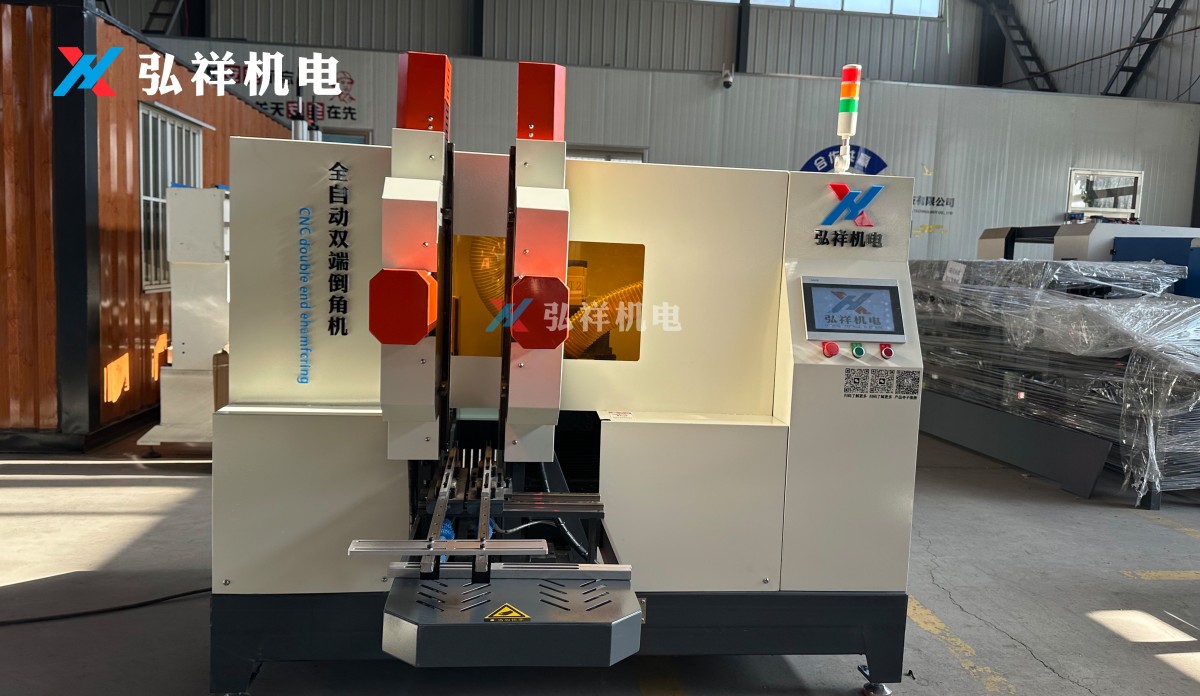
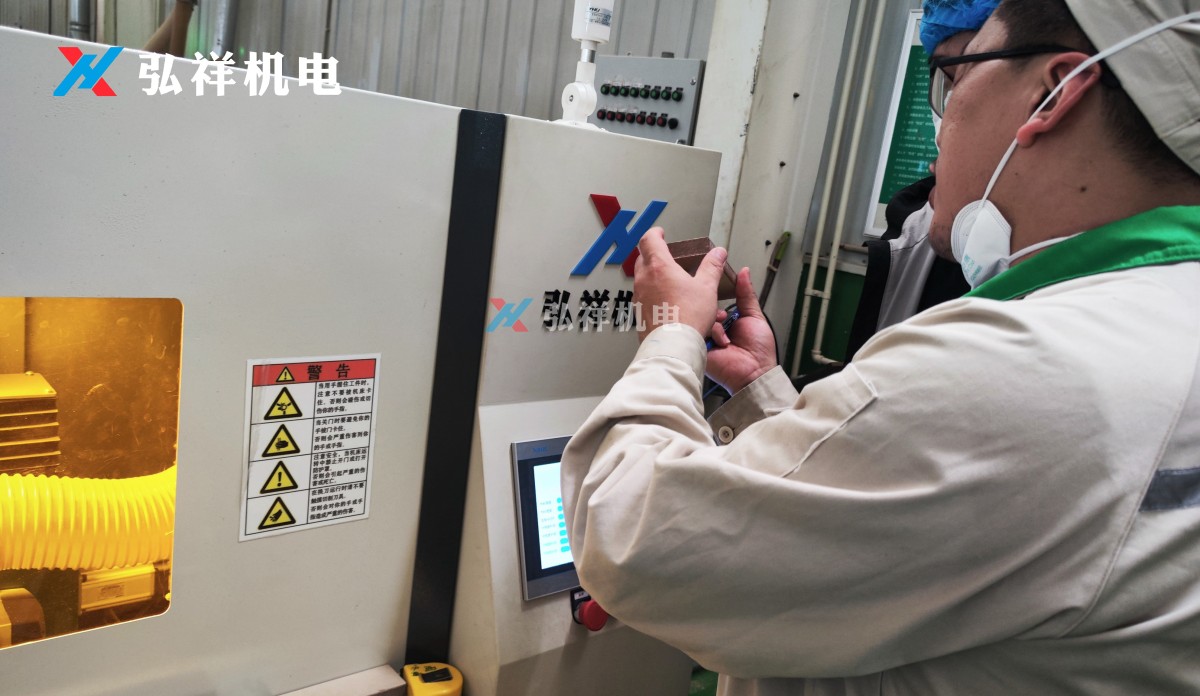
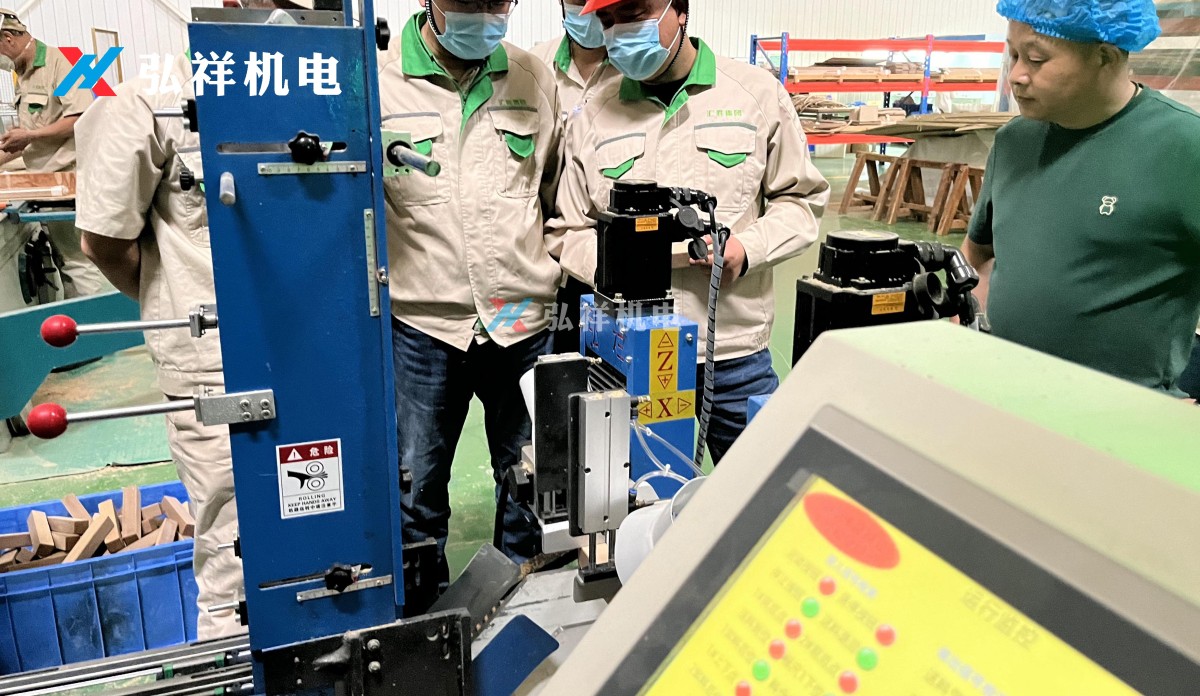
Why Real-Time Tool Wear Tracking Matters for Laminated Insulation Processing
In power transformer manufacturing, dimensional accuracy of insulating components—especially laminated cardboard and laminated wood spacers—is non-negotiable. A ±0.1mm deviation in chamfer geometry can trigger insulation failure under high-voltage stress. Traditional manual tool inspection intervals (every 8–12 hours) leave critical wear windows unmonitored, risking batch rework or field failure.
Gaomi Hongxiang’s CNC Double-End Chamfering Machine addresses this by embedding sensor-fused spindle monitoring (vibration + acoustic emission) and integrating directly with industry-standard MES platforms like Siemens Opcenter, Rockwell FactoryTalk, or local MES deployments compliant with ISA-95 Level 2. This delivers live tool life analytics—not just alerts, but actionable forecasts based on actual cut load, material hardness, and feed rate history.
The result? Average tool change cycle extended by 22–35% versus time-based replacement, while reducing unplanned downtime from 4.7 hours/month to under 1.2 hours/month across 12+ deployed units in Southeast Asia and Russia.
Key Integration Requirements for MES Compatibility
- OPC UA 1.04 or higher support (tested with Beckhoff TwinCAT, KUKA KRC5)
- Modbus TCP/RTU gateway for legacy PLCs (Siemens S7-1200, Mitsubishi Q-series)
- Tool ID tagging via RFID/NFC readers at loading stations (ISO 15693 compliant)
- Data sampling frequency ≥200 Hz per spindle for reliable wear pattern modeling
How Gaomi Hongxiang Implements MES-Driven Tool Management
Unlike retrofit solutions requiring third-party gateways and custom scripting, Gaomi Hongxiang embeds MES integration at the firmware layer. Each machine ships with pre-configured data mapping templates for common MES fields: Tool_ID, Current_Cut_Count, Avg_Force_N, Spindle_Temp_C, Predicted_Remaining_Life_Hours.
Implementation follows a standardized 4-phase rollout: (1) MES environment audit (2–4 days), (2) edge device configuration & network hardening (1 day), (3) dry-run validation using historical tool logs (1–2 days), and (4) live commissioning with parallel manual verification (1 day). Total deployment time averages 7–10 business days—no external integrator required.
All machines support dual-path redundancy: primary Ethernet/IP link to MES server + secondary LTE backup (optional SIM slot) for remote sites with unstable LAN infrastructure—critical for plants in India and Pakistan where uptime SLAs demand 99.5% connectivity.
MES Integration Capabilities Comparison
The table below compares Gaomi Hongxiang’s native MES integration against common alternatives used in transformer component machining environments:
This architecture eliminates middleware bottlenecks and ensures traceability down to individual cut events—enabling full compliance with IEC 61850-3 and ISO 9001:2015 clause 8.5.1 (production control).
Procurement Decision Checklist for MES-Ready Chamfering Machines
When evaluating CNC Double-End Chamfering Machines with MES capability, procurement teams should verify these 5 non-negotiable criteria before issuing RFQs:
- Firmware-level OPC UA stack: Must expose tool wear metrics natively—not via add-on modules requiring separate licensing.
- Certified MES templates: Pre-built connectors for your existing MES platform (e.g., SAP ME, PTC ThingWorx, or local MES variants used in Russia/India).
- Edge data retention: Minimum 72-hour local buffer for offline operation during network outages—verified via IEC 62443-3-3 Annex A test report.
- Maintenance log export: One-click CSV/PDF generation of all tool changes, calibration events, and fault codes for internal QA audits.
- Global service SLA: On-site technician dispatch ≤72 hours in Southeast Asia, South America, and CIS regions—with spare parts stocked locally in Singapore, São Paulo, and Moscow.
Gaomi Hongxiang meets all five—and provides documented proof for each during technical evaluation. Our standard contract includes 3-year firmware update assurance and free MES template customization for first-time integrations.
Why Transformer Manufacturers Choose Gaomi Hongxiang for AI-Ready Machining Infrastructure
We don’t sell standalone machines—we deliver production-grade AI infrastructure for insulation component manufacturing. Every CNC Double-End Chamfering Machine ships with embedded AI inference engine (TensorFlow Lite optimized) that continuously refines wear models using your actual cutting data—no cloud dependency, no data sovereignty risk.
Our clients in Pakistan and Brazil report 18–26% reduction in scrap rate for EVA-molded insulating spacers after 3 months of closed-loop MES feedback. And because we design, manufacture, and service all systems in-house—from R&D in Gaomi to after-sales training in São Paulo—you get one accountable partner, not fragmented vendors.
Ready to validate MES integration on your shop floor? Contact us for: (1) Free MES compatibility assessment, (2) Live demo with your actual part drawings, (3) Delivery timeline confirmation (standard lead time: 12–16 weeks), or (4) Custom certification documentation for your regional regulatory body (e.g., BIS, GOST-R, INMETRO).
NAVIGATION
MESSAGE
Request A Quote?