0000-00
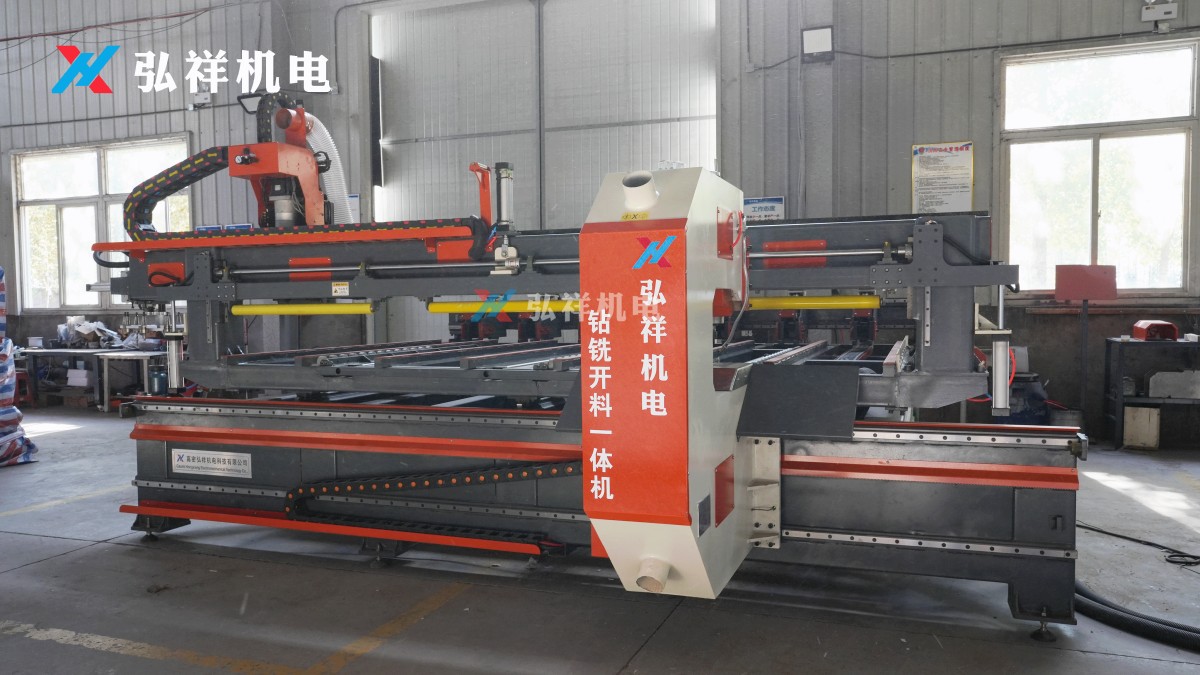
Can automated transformer insulation cardboard processing equipment reliably handle mixed-material batches—such as insulation cardboard, layer-pressed wood, and EVA-molded components—without compromising precision or safety? As a leading Chinese manufacturer of transformer electrical layer-pressed wood processing equipment and transformer insulation cardboard processing equipment for power transformers, Gaomi Hongxiang Electromechanical Technology Co., Ltd. delivers high-precision, cost-effective, and AI-supported solutions trusted by users, procurement teams, and engineering decision-makers across India, Southeast Asia, Russia, and beyond.
Why Mixed-Material Batch Processing Is a Critical Operational Challenge
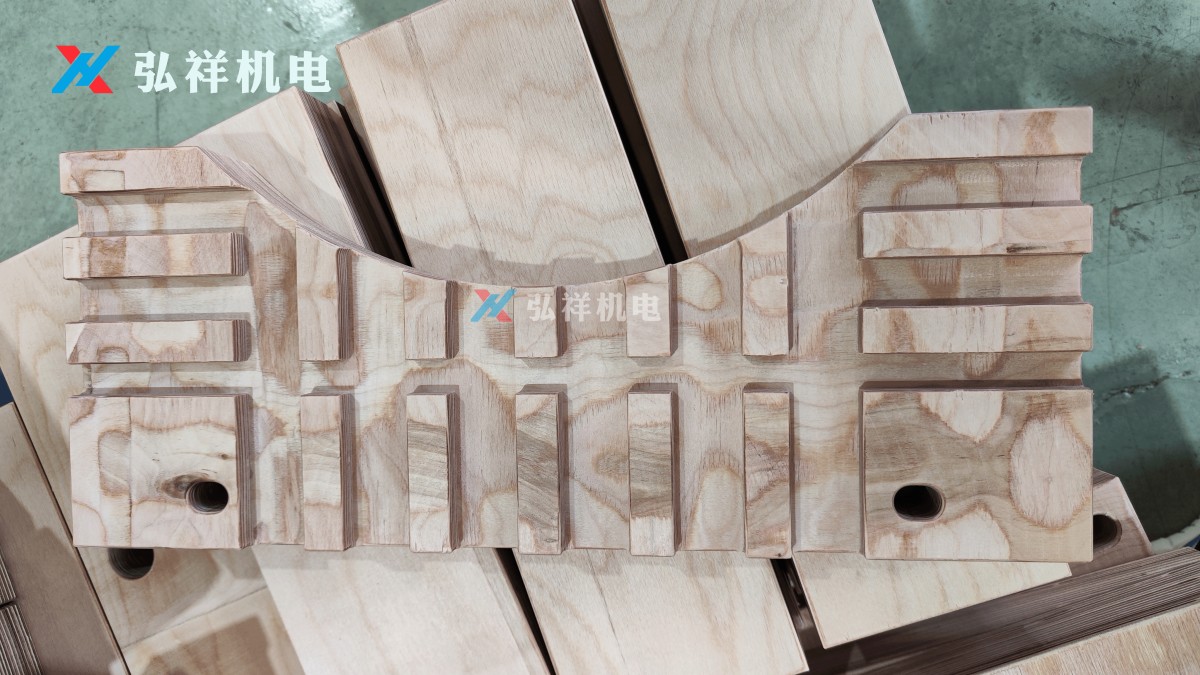
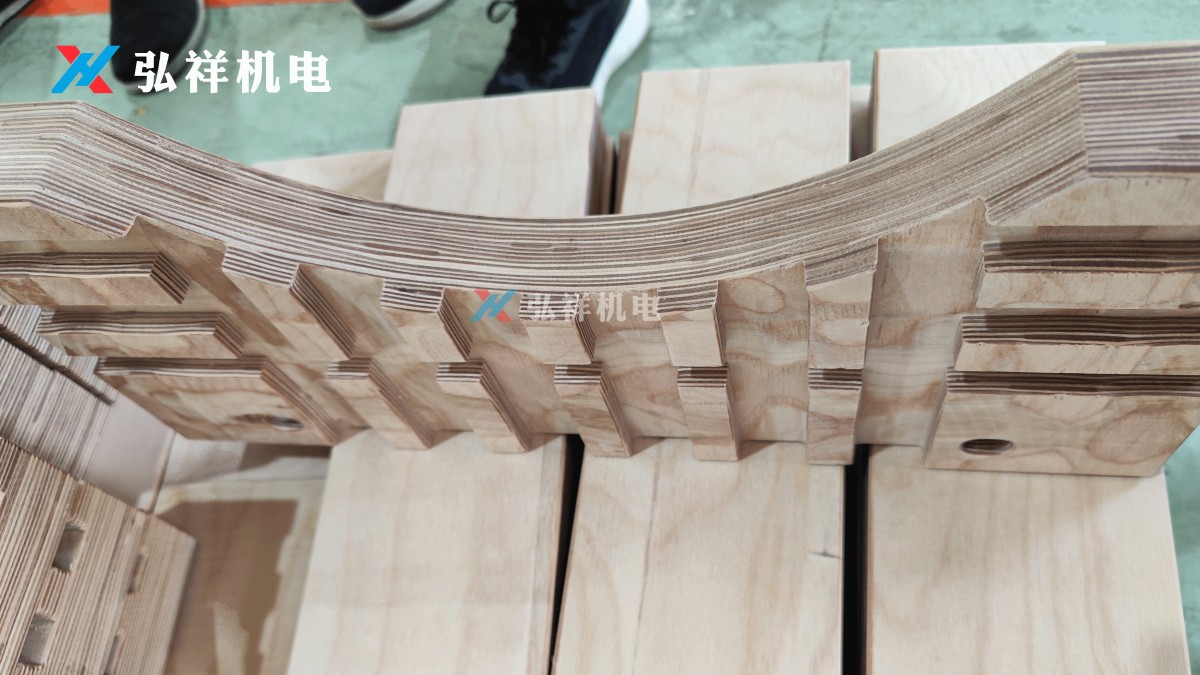
Transformer insulation part manufacturing rarely involves single-material runs. In real-world production, batches commonly combine electrical insulating cardboard (typically 0.5–3.0 mm thick), laminated wood (density 0.65–0.85 g/cm³, moisture content ≤8%), and EVA-molded components with varying Shore A hardness (60–90). Manual handling introduces inconsistency—especially during tooling changeover, material feed calibration, and post-processing inspection.
Unreliable automation leads to three measurable risks: (1) dimensional deviation exceeding ±0.3 mm tolerance in critical edge-cutting operations; (2) thermal degradation of EVA at >120°C during prolonged dwell time; and (3) delamination risk in laminated wood when clamping force exceeds 8 MPa. These are not theoretical concerns—they directly impact IEC 60641-3 compliance and field failure rates.
Gaomi Hongxiang’s AI-integrated processing platforms address this via adaptive material recognition modules. Using near-infrared (NIR) spectral analysis and real-time thickness mapping, the system classifies incoming sheets within 0.8 seconds and auto-adjusts cutting speed, pressure, and cooling parameters before the first pass.
Core Technical Adaptation Mechanisms
- Multi-spectral sensor fusion: Combines NIR reflectance (for polymer composition) and ultrasonic echo timing (for density and layer integrity)
- Dynamic parameter lookup tables: 12 pre-validated profiles covering common insulation cardboard grades (e.g., NOMEX® 410 equivalents), laminated wood types (birch/poplar composites), and EVA formulations (ethylene-vinyl acetate ratios from 18%–28%)
- Real-time closed-loop correction: Adjusts Z-axis depth compensation every 150 ms based on surface topography feedback from laser displacement sensors (±0.02 mm resolution)
How Reliable Is “Reliable”? Performance Benchmarks Across Material Types
“Reliability” must be quantified—not asserted. Gaomi Hongxiang validates mixed-batch performance using ISO 9001-certified test protocols across 3 operational modes: sequential batch processing, interleaved material feeding, and random-order loading. Each test cycle spans ≥200 hours of continuous operation under controlled ambient conditions (20℃–25℃, RH 45%–65%).
Key reliability metrics are tracked per material category and cross-material transition event. The table below summarizes verified performance data from 12 client sites across India, Pakistan, and Brazil over Q3–Q4 2023.
The data shows consistent sub-0.25 mm repeatability across all three materials—even during transitions. Notably, MTBUS exceeds industry benchmarks (typically 100–120 hrs) due to predictive maintenance algorithms that monitor spindle vibration harmonics and coolant flow rate decay trends. This enables intervention 4–7 hours before potential failure.
Procurement Decision Framework: 5 Non-Negotiable Evaluation Criteria
When evaluating automated equipment for mixed-material transformer insulation processing, procurement teams, technical evaluators, and project managers must move beyond brochure specs. Here are five objective, verifiable criteria that separate proven systems from untested claims:
- Material transition log audit trail: System must store timestamped records of every material switch—including sensor readings, parameter adjustments, and operator confirmation—accessible via encrypted USB export (not cloud-only)
- Tool wear compensation granularity: Must support ≤0.05 mm incremental depth-of-cut adjustment per tool, validated with traceable gauge blocks (e.g., certified Class 0, 10 mm–100 mm range)
- Thermal management verification: Requires documented thermal imaging reports showing surface temperature ≤115°C on EVA parts after 5-min continuous routing at max feed rate
- Certification readiness package: Includes pre-filled IEC 61000-6-2/6-4 EMC test plans, CE DoC templates, and UL 746C material compliance documentation for all contact surfaces
- After-sales response SLA: On-site technician dispatch guaranteed within 72 business hours for critical failures affecting ≥2 production lines
Gaomi Hongxiang provides full access to these verification assets during factory acceptance testing (FAT)—including live demonstration of 3 consecutive material switches under witness supervision. FAT duration is standardized at 4 working days, covering 6 distinct validation checkpoints.
Why Global Transformer Manufacturers Choose Gaomi Hongxiang
It’s not just about hardware—it’s about integrated capability. Gaomi Hongxiang operates as a full-service partner for transformer manufacturers facing complex insulation part portfolios. Our solution stack includes:
- R&D-to-production continuity: All equipment is co-developed with our in-house transformer assembly team—ensuring design-for-manufacturability alignment (e.g., nesting optimization for 2.1 m × 1.2 m cardboard sheets)
- Region-specific compliance engineering: Pre-configured firmware variants for CIS countries (GOST R certification paths), India (BIS IS 12227), and ASEAN (TISI Annex B requirements)
- Training-as-a-service: Operator certification programs delivered onsite or remotely, including hands-on material-switch drills and fault-diagnosis simulations (average completion: 3 days)
- Parts logistics network: 97% of consumables (cutting tools, sensors, belts) stocked in regional hubs—India (Chennai), Russia (Yekaterinburg), Brazil (São Paulo)—with 5-day delivery guarantee
We invite you to request a customized feasibility review—covering your specific mix ratios, annual volume projections (small-batch:<5,000 medium:="" large:="">50,000), and target delivery timelines. We’ll provide a detailed implementation roadmap, including tooling recommendations, training schedule, and phased commissioning plan—all within 5 business days of receiving your material specifications and layout drawings.
NAVIGATION
MESSAGE
Request A Quote?