0000-00
As global power projects demand stricter safety and reliability, certifications and compliance with international safety standards are critical for transformer electrical layer-pressed wood processing equipment — especially for manufacturers like Gaomi Hongxiang Electromechanical Technology Co., Ltd. This article explores key certifications (IEC, UL, CE, ISO) and safety benchmarks governing transformer insulation cardboard processing equipment for power transformers, high precision transformer insulation cardboard processing equipment, automated and cost-effective laminated wood processing equipment, and insulating parts processing equipment — all vital for technical evaluators, procurement teams, project managers, and safety officers in transformer manufacturing supply chains.
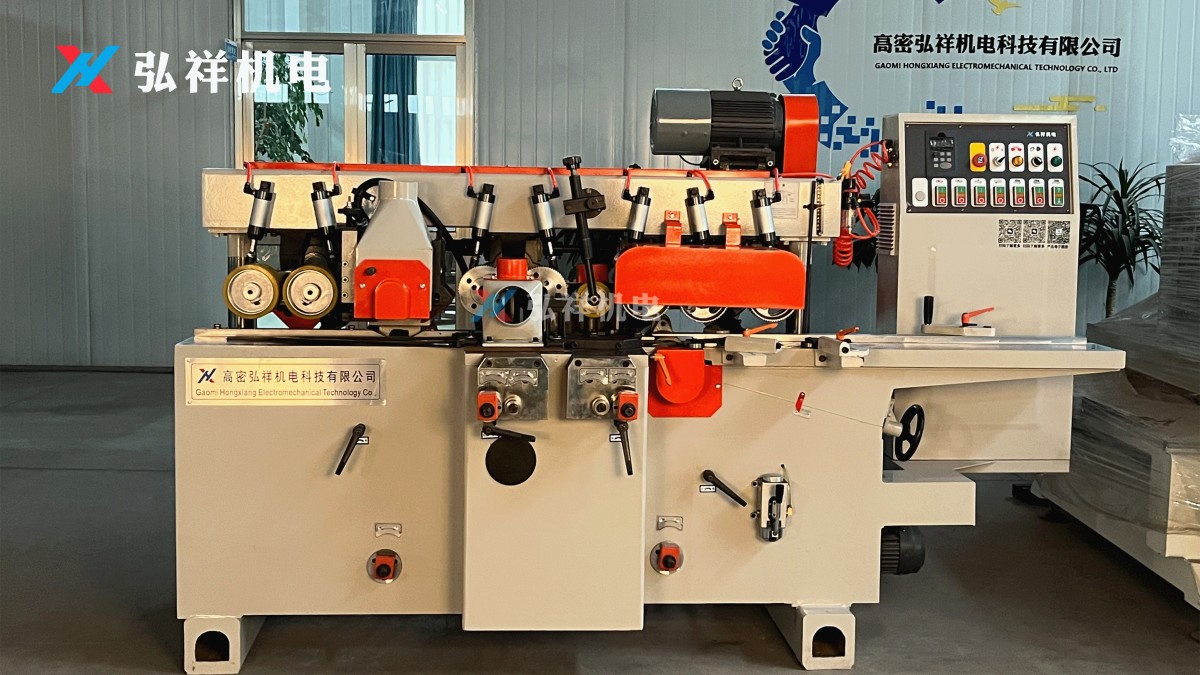
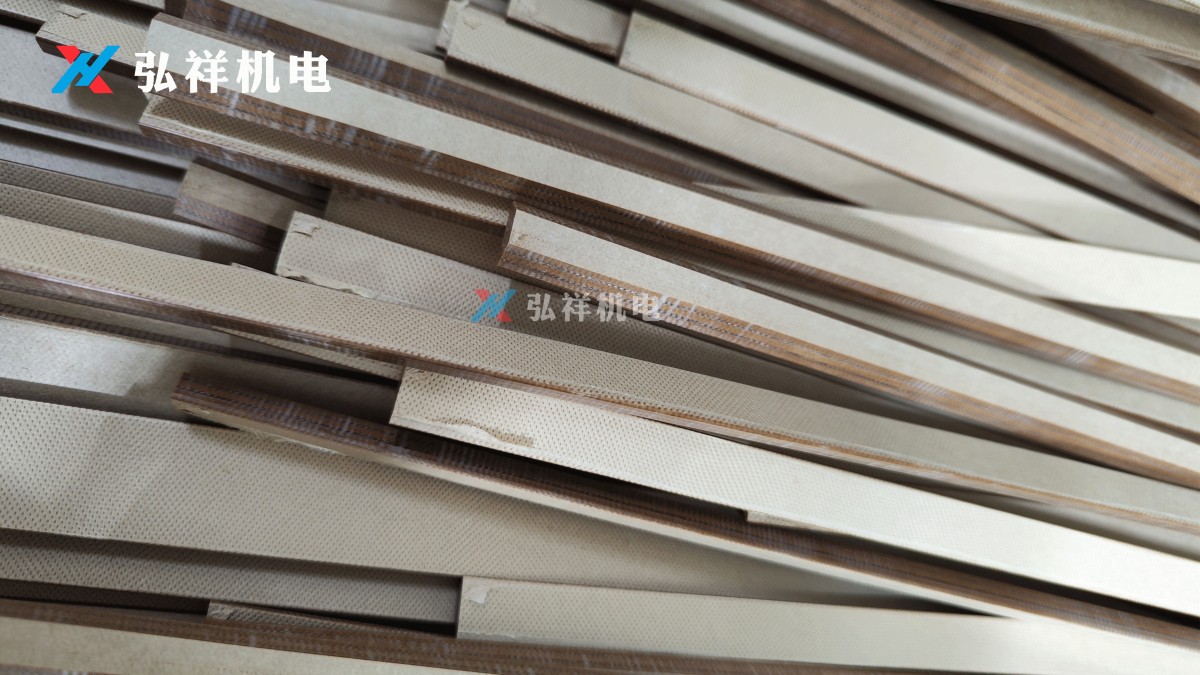
Standards & Certification: The Non-Negotiable Foundation
Transformer electrical layer-pressed wood processing equipment operates at the intersection of mechanical precision, electrical safety, and material integrity. Unlike general-purpose CNC machinery, this class of equipment must meet stringent regulatory frameworks—because failure in insulation processing can cascade into catastrophic transformer faults, grid instability, or fire hazards. For global power infrastructure projects—from India’s 765 kV substations to Brazil’s hydro-integrated transmission upgrades—certifications are not paperwork; they’re proof of design rigor, process traceability, and lifecycle accountability.
Gaomi Hongxiang Electromechanical Technology Co., Ltd. embeds compliance into its R&D DNA. Every transformer insulation cardboard processing equipment unit undergoes dual-path validation: functional performance testing (e.g., dimensional repeatability ±0.05 mm across 10,000 cycles) and formal third-party certification against region-specific mandates. This ensures seamless acceptance by EPC contractors, grid operators, and independent auditors across 12+ export markets—including Russia’s GOST-R, Pakistan’s PSQCA, and ASEAN’s MRA-aligned protocols.
Certification Matrix: IEC, UL, CE, and ISO in Practice
Below is a comparative overview of how core international standards apply specifically to transformer electrical layer-pressed wood processing equipment—not generic machine tools, but purpose-built systems for laminated wood lamination, edge trimming, slotting, and pre-impregnation alignment:
Procurement Guide: What Technical Evaluators and Procurement Teams Must Verify
Selecting transformer electrical layer-pressed wood processing equipment isn’t about comparing specs alone—it’s about validating system-level assurance. Technical evaluators should request documented evidence—not just certificates—but test reports tied to serial-numbered units. Key checkpoints include: (1) Calibration certificates traceable to NIST or CNAS; (2) Material compatibility data sheets for epoxy resin contact surfaces; (3) Cybersecurity hardening documentation (IEC 62443-3-3 compliant firmware); and (4) Spare-part lead time SLAs for critical wear components like vacuum chucks and diamond-coated trimming blades.
For procurement personnel balancing budget and risk, “cost-effective transformer electrical layer-pressed wood processing equipment” must be assessed beyond CAPEX. Total cost of ownership includes training hours (Gaomi Hongxiang provides bilingual operator certification), mean time between failures (MTBF ≥ 12,000 hrs per our latest AI-optimized series), and upgrade path clarity—e.g., whether current automation modules support future integration with digital twin platforms via OPC UA.
Why Choose Gaomi Hongxiang? Integrated Compliance, Global Delivery
Gaomi Hongxiang Electromechanical Technology Co., Ltd. doesn’t outsource compliance—we engineer it. As a transformer electrical layer-pressed wood processing equipment manufacturer in China with full vertical integration, we control every stage: from CNC-machined die sets validated under ASTM D7032 to AI-driven vision inspection calibrated against IEC 60851-5 filament measurement standards. Our three major product lines—transformer insulation cardboard processing equipment, laminated wood processing equipment, and insulating parts processing equipment—are co-developed with Tier-1 transformer OEMs in Russia and India to preempt regional audit pain points.
Whether you’re a project manager overseeing a 500-MVA substation rollout in Pakistan or a financial controller evaluating ROI on automated transformer electrical layer-pressed wood processing equipment, we offer turnkey support: pre-shipment FAT with witness testing, on-site commissioning by certified engineers, multilingual SOPs, and real-time remote diagnostics. No offshore black boxes. No compliance gaps.
Ready to align your insulation processing line with global power project requirements? Contact Gaomi Hongxiang today for a customized compliance roadmap—and request our latest IEC/UL/CE certification dossier package, including machine-specific test reports, risk assessments, and spare-part availability matrices.
NAVIGATION
MESSAGE
Request A Quote?