0000-00
In power transformer manufacturing, even minor output defects can compromise insulation performance, product consistency, and workplace safety. For quality control and safety managers, understanding the common output issues of Transformer insulation cardboard processing equipment for power transformers is essential to reducing waste, preventing hidden risks, and maintaining stable production. This article outlines the most frequent problems, their causes, and practical ways to improve processing accuracy and reliability.
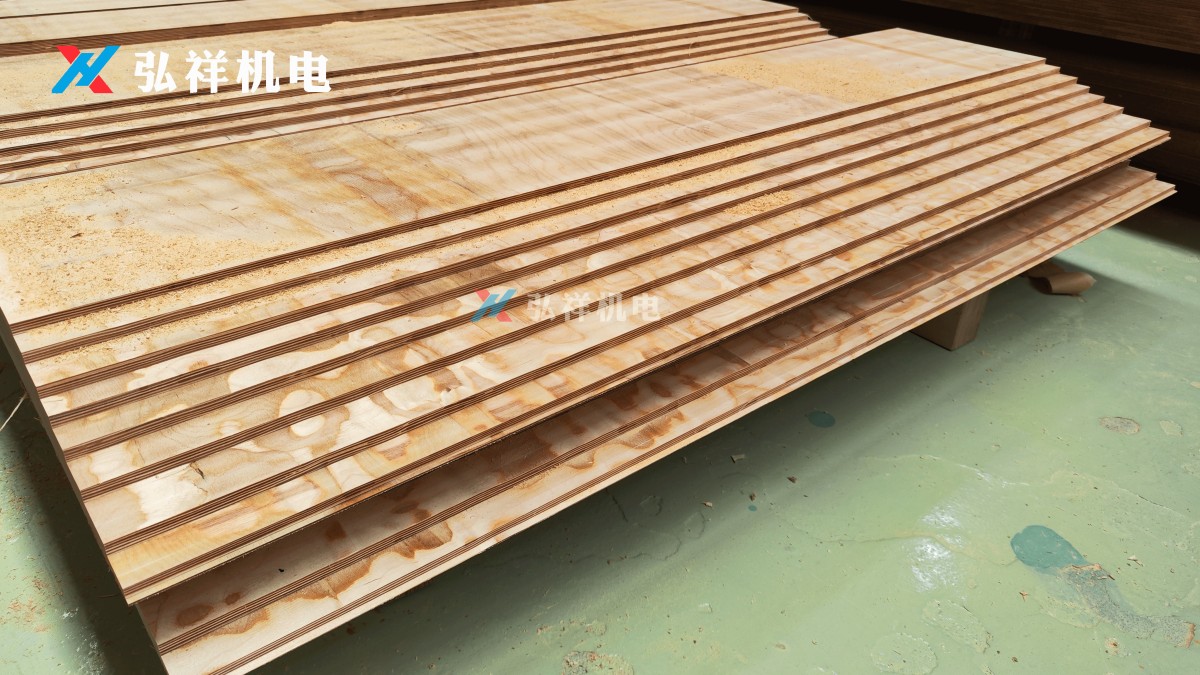
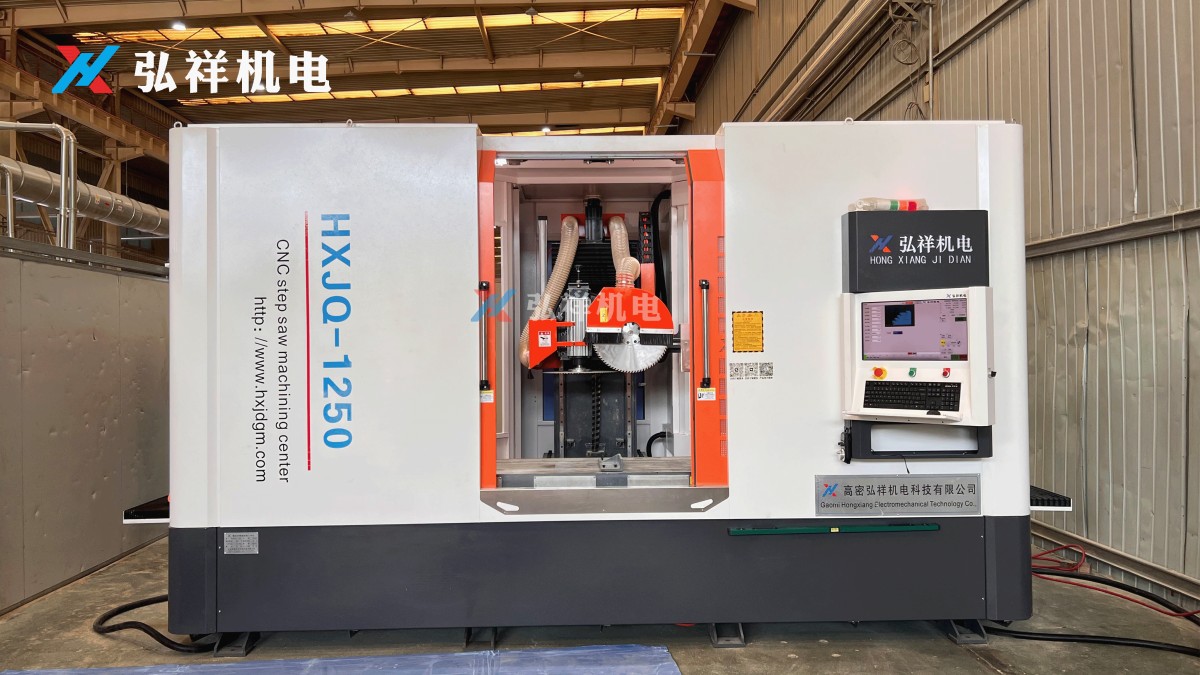
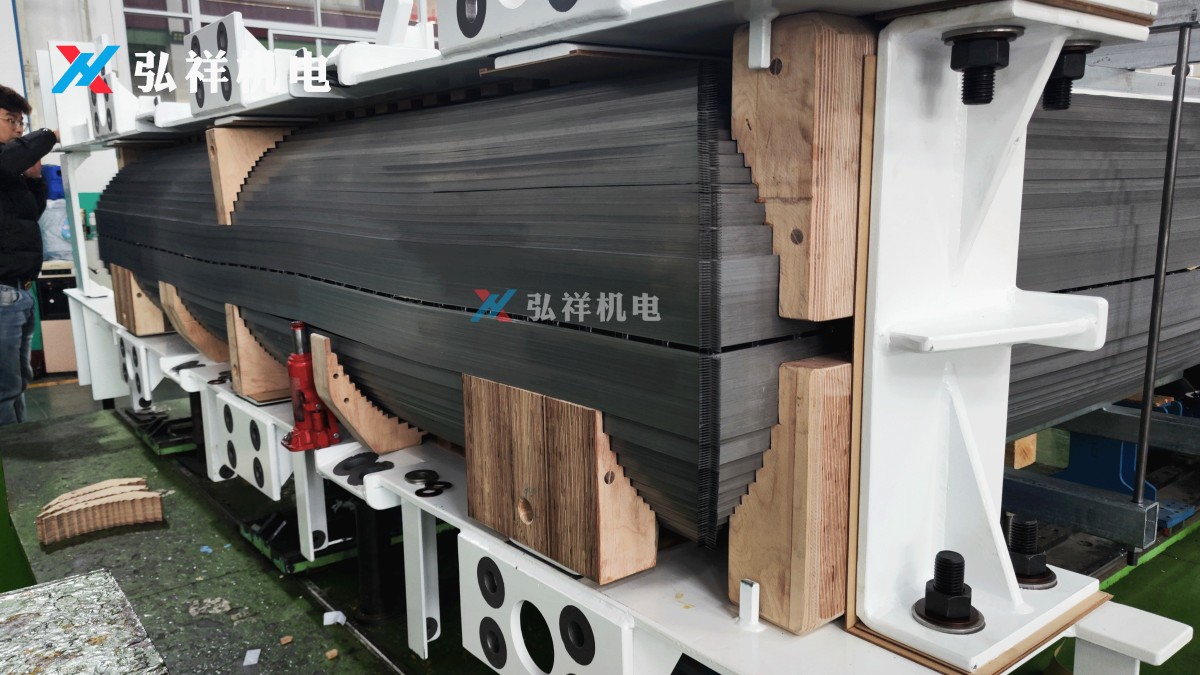
In practical workshop conditions, defects rarely come from one source alone. They usually result from an interaction between raw material condition, machine setup, tool wear, operator habits, dust control, and inspection timing. For factories processing electrical insulating cardboard, insulating laminated wood, and related parts, a stable output standard is not only a quality target but also a safety control point.
For B2B buyers and plant managers, the real question is not whether issues can happen, but how quickly the equipment and the process can detect, isolate, and correct them. Companies such as Gaomi Hongxiang Electromechanical Technology Co., Ltd., which combine R&D, production, installation, training, and after-sales service, are often evaluated on this exact capability: keeping Transformer insulation cardboard processing equipment for power transformers accurate, repeatable, and easy to manage across different production batches.
Why Output Consistency Matters in Insulation Cardboard Processing
Transformer insulation cardboard is not a decorative material. It directly affects dielectric spacing, mechanical support, and long-term operational reliability inside the transformer body. A thickness deviation of even ±0.2 mm, a burr height above 0.1 mm, or a poorly controlled slot depth may create assembly mismatch, local stress concentration, or insulation weakness during later stages of transformer production.
For quality control personnel, output consistency means the machine can hold dimensional tolerances through 8-hour to 12-hour shifts without excessive manual correction. For safety managers, it also means lower dust concentration, fewer rework steps, and reduced chances of operators bypassing guards in order to correct repeated defects. In many workshops, rework above 3% to 5% is already a sign that process capability needs review.
When evaluating Transformer insulation cardboard processing equipment for power transformers, three performance areas usually matter most: dimensional precision, edge quality, and surface integrity. If one of these becomes unstable, downstream processes such as stacking, bonding, drying, or transformer assembly can slow down quickly, often adding 10% to 20% more handling time per batch.
Key quality indicators to monitor
A practical inspection plan should not rely on final inspection only. Instead, it should include incoming material checks, first-piece verification, in-process sampling every 30 to 60 minutes, and shift-end review. This reduces the chance that one setup drift affects an entire production lot.
- Thickness tolerance control, commonly within ±0.1 mm to ±0.3 mm depending on part function
- Cutting or punching edge burr level, often expected below 0.05 mm to 0.1 mm
- Hole position accuracy, frequently targeted within ±0.2 mm to ±0.5 mm
- Surface compression marks, delamination, fiber pull-out, and moisture-related deformation
These indicators are especially useful when different insulation board grades, laminated structures, or custom part geometries are processed on the same line. They also provide a common language between machine suppliers, operators, and inspection teams.
Most Common Output Issues and Their Direct Causes
The most frequent defects seen on Transformer insulation cardboard processing equipment for power transformers include dimensional deviation, uneven edges, surface indentation, hole misalignment, board warping, and excessive dust residue. These issues may appear separately, but in many factories they occur together when machine calibration, environmental control, and maintenance schedules are not aligned.
Dimensional deviation often begins with feed instability or improper clamping pressure. If the board shifts by just 1 mm during cutting, grooving, or punching, the final component may fail assembly even though the tool path itself is correct. Uneven or fuzzy edges usually indicate tool wear, spindle vibration, or unsuitable cutting speed for the board density and moisture condition.
Surface defects deserve special attention because they are sometimes underestimated. Compression marks, scorching, and fiber tearing can reduce the usable quality of the part even if the outer dimensions remain acceptable. In workshops with poor dust extraction, fine debris can also collect on feed rollers and guides, increasing the probability of scratches and repeat positioning errors over time.
Typical defect patterns in production
The table below summarizes common output issues, the most likely root causes, and the operational risk each one creates for transformer component manufacturing.
A useful conclusion from this comparison is that many visible defects are actually control-system or setup issues rather than raw material faults alone. That is why machine condition monitoring and operator discipline should be reviewed before large volumes are reclassified as material failure.
Hidden causes often missed by inspection teams
Some plants focus only on final dimensions and overlook environmental factors. However, insulation cardboard can respond to humidity swings, especially if storage and processing temperatures vary significantly. A workshop range of 20°C to 26°C with relatively stable humidity is generally easier to control than a production area with frequent fluctuations across shifts.
Another overlooked issue is mixed-tool usage across different material grades. A tool performing well on one board density may degrade faster or create fiber pull-out on another. Without a tool life log, operators may continue running beyond the stable wear limit and only discover the problem after dozens or hundreds of parts have been affected.
How Quality and Safety Teams Can Diagnose Problems Faster
Fast diagnosis is essential because output defects in insulation part processing can spread quickly through a batch. A structured response should distinguish between machine-related, material-related, and human-related causes within the first 15 to 30 minutes after abnormality detection. This reduces unnecessary line stoppage while preventing defective parts from moving downstream.
For quality teams, the first step is to compare the nonconforming part with the approved first-piece record. For safety managers, the parallel check is whether operators changed guards, vacuum suction, pressure settings, or feed path in response to earlier issues. In many cases, an unauthorized shortcut taken to improve speed becomes the trigger for unstable output or near-miss safety events.
A strong diagnosis method also requires separating one-time abnormalities from trend-based drift. If 1 part out of 50 shows a defect, the cause may be localized. If 8 parts out of 50 begin showing similar edge or slot issues, the process has likely crossed a control threshold and should be corrected before full-batch inspection becomes necessary.
A practical 5-step diagnostic sequence
- Confirm the defect type with measured data: dimension, burr level, alignment, or surface damage.
- Check the last approved setup values, including feed speed, clamping force, tool status, and datum point.
- Inspect raw board condition: moisture, flatness, thickness variation, and visible fiber defects.
- Review machine cleanliness and extraction efficiency, especially around guides, rollers, and cutting areas.
- Run 3 to 5 trial pieces after correction before restarting normal lot production.
This sequence helps avoid random adjustments. Instead of changing multiple parameters at once, teams can isolate whether the issue comes from mechanics, control logic, material behavior, or operator intervention. That is particularly important when Transformer insulation cardboard processing equipment for power transformers is used for a mix of standard and custom parts.
Inspection points that improve traceability
The table below shows a practical traceability framework for workshops that need clearer handover between operators, QC inspectors, and safety supervisors.
With records like these, teams can compare defect frequency, operator shift, material batch, and machine condition in a more disciplined way. That makes corrective action faster and improves communication with equipment suppliers during troubleshooting.
Machine Configuration and Process Controls That Reduce Output Defects
The best way to control quality is to prevent variation before it appears. In Transformer insulation cardboard processing equipment for power transformers, this usually means combining rigid mechanical structure, stable feeding, suitable tooling, accurate servo positioning, and effective dust extraction. A machine may look productive on paper, but if it cannot maintain repeatability over 500 to 1,000 pieces, the hidden cost of rework can become significant.
Process control starts with material handling. Flat support tables, reliable clamping, and properly adjusted feed rollers help reduce board movement. Tooling selection should then match the board thickness, fiber character, and part geometry. For example, narrow slots and deep cuts often require more conservative speed settings than simple straight trimming, even when total cycle time increases by 5% to 8%.
Another important factor is operator interface design. Equipment that allows parameter storage, recipe recall, alarm records, and maintenance reminders supports better control than systems relying entirely on manual memory. For plants running multiple product types, recipe-based setup can shorten changeover by 20 to 40 minutes and reduce the chance of loading the wrong program.
Configuration priorities when selecting equipment
- Positioning accuracy that matches part complexity, especially for hole patterns, edge trimming, and slot depth control
- Dust extraction interfaces and enclosure design that help keep the cutting zone clean during long runs
- Tool replacement access that allows fast changeover without extended downtime
- Control systems that store product recipes, alarm history, and maintenance intervals
- Training and after-sales support, including installation guidance and practical troubleshooting response
For global transformer manufacturers and component workshops, service support matters as much as hardware. A supplier that can provide installation, training, and after-sales assistance helps reduce the learning curve and keeps the machine aligned with local production realities.
Recommended control ranges for stable output
Exact values vary by part and board grade, but many facilities benefit from defining internal control bands. These may include dimensional checks every 30 pieces, tool inspections every 2 hours, moisture review per incoming batch, and preventive cleaning at least once per shift. Such routines cost time, yet they usually save more time than repeated sorting and manual finishing.
For quality and safety managers, the target is not extreme speed. The target is controlled throughput. A slightly slower but stable line often produces lower total cost than a faster line with 4% scrap, frequent shutdowns, and uncontrolled dust exposure.
Preventive Maintenance, Training, and Procurement Decision Points
Many output issues are maintenance issues in disguise. A guide rail with contamination, a feed roller with uneven wear, a spindle with rising vibration, or a loose fixture can all introduce quality defects before they trigger a major breakdown alarm. That is why preventive maintenance should be tied directly to product quality metrics, not treated as a separate engineering task.
Training is equally important. Even advanced Transformer insulation cardboard processing equipment for power transformers can underperform if operators do not understand datum setting, material orientation, tool life limits, and safe cleaning methods. A practical training cycle often includes initial commissioning support, refresher training after 1 to 3 months, and periodic review whenever new part families are introduced.
From a procurement perspective, buyers should compare not only machine specifications but also service responsiveness, spare parts access, documentation quality, and the supplier’s ability to support custom processing requirements. This is particularly relevant for manufacturers handling insulation cardboard, insulating laminated wood, insulation parts, and other specialized transformer-related components in one production system.
Procurement checklist for QC and safety-led evaluations
Before purchase approval, many teams use a cross-functional review. The table below can serve as a practical scoring reference when comparing machine options or supplier proposals.
This kind of procurement review helps prevent a common mistake: buying based on nominal speed alone. For quality-sensitive transformer production, long-term consistency, maintainability, and service support usually have greater financial impact than the highest quoted cycle rate.
FAQ for quality and safety managers
How often should output accuracy be checked during production?
For stable repeat jobs, a first-piece check plus sampling every 30 to 60 minutes is common. For new parts, tight-tolerance components, or after tool changes, more frequent checks such as every 10 to 20 pieces may be justified until the process is proven stable.
What is the biggest hidden risk in insulation cardboard machining?
A frequent hidden risk is accepting parts that meet outer dimensions but contain poor edge quality, fiber tearing, or pressure damage. These defects may not stop assembly immediately, yet they can weaken insulation reliability or create extra handling risk later in the transformer manufacturing process.
What should buyers ask suppliers before ordering?
Ask about repeatability on similar materials, training scope, spare parts lead time, preventive maintenance guidance, and support for custom part requirements. It is also useful to ask how the supplier helps diagnose burrs, misalignment, dust issues, and material-specific instability after installation.
Common output issues in Transformer insulation cardboard processing equipment for power transformers are manageable when quality, safety, equipment, and procurement teams work from the same control logic. The most effective approach combines stable machine configuration, disciplined inspection frequency, timely maintenance, operator training, and practical supplier support.
For manufacturers seeking dependable processing of electrical insulating cardboard, insulating laminated wood, insulation parts, and related transformer components, choosing a partner with integrated R&D, manufacturing, installation, training, and after-sales capability can reduce implementation risk and improve long-term production stability. To discuss your processing challenges, obtain a tailored equipment plan, or review solution details for your factory, contact us today.
NAVIGATION
MESSAGE
Request A Quote?