0000-00
In transformer insulation manufacturing, even minor defects in laminated wood can compromise electrical performance, dimensional stability, and on-site safety. For quality control and safety managers, understanding the common risks behind warping, delamination, moisture inconsistency, and machining errors is essential. This article explores how Laminated wood processing equipment for transformer insulation influences product quality and why precise processing, inspection, and process control are critical to reliable transformer assembly.
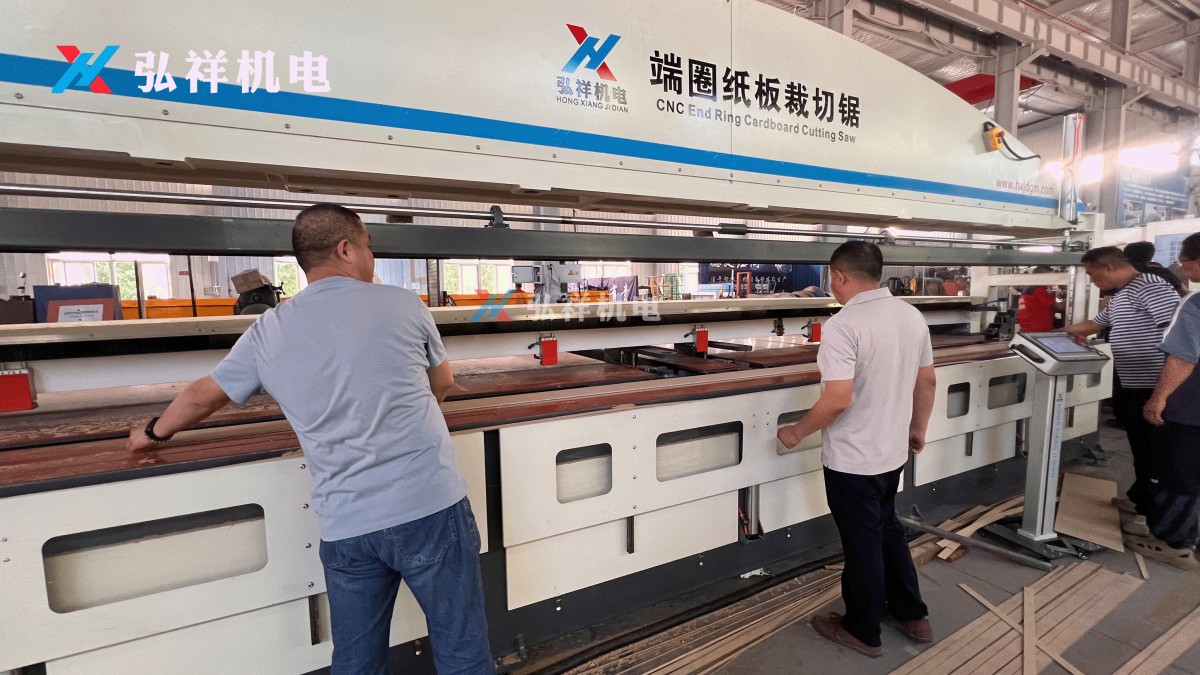
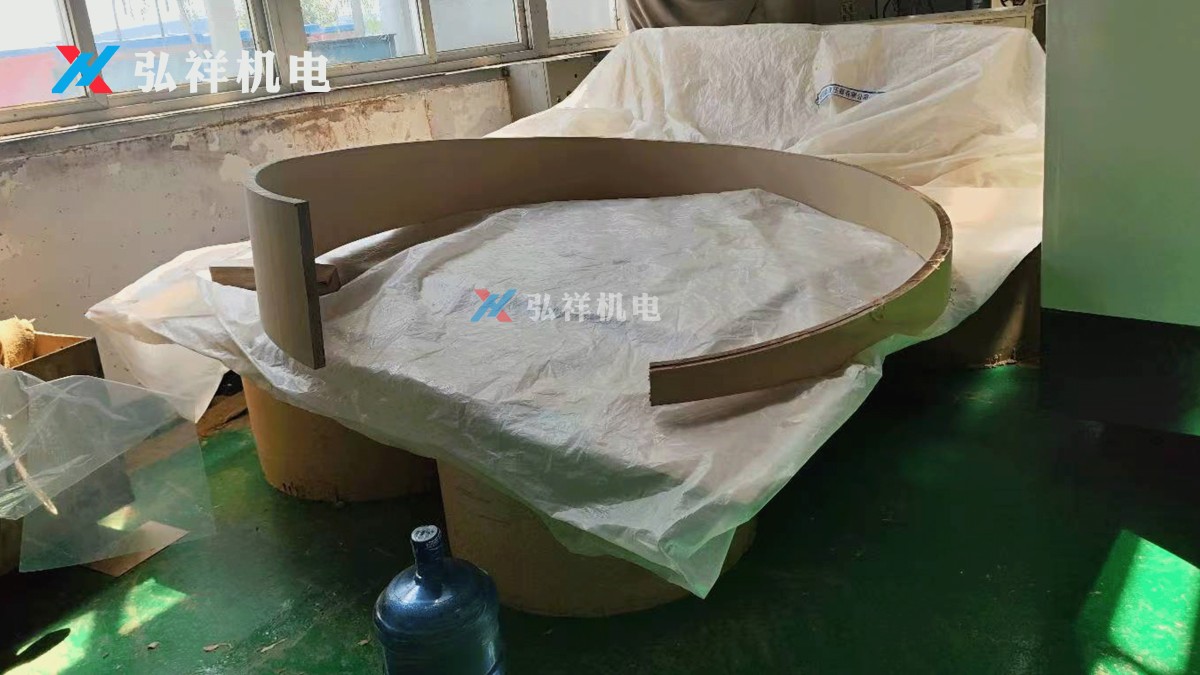
Why a checklist approach is the fastest way to control laminated wood defects
For quality and safety teams in the machine equipment sector, laminated wood defects are rarely caused by one factor alone. Most quality failures come from a chain of small deviations: unstable raw material moisture, inaccurate pressing temperature, cutter wear, poor storage conditions, or incomplete incoming inspection. A checklist method helps teams identify these variables in sequence, assign accountability, and prevent repeat defects before transformer parts reach assembly.
This is especially important when evaluating or operating Laminated wood processing equipment for transformer insulation. The equipment does not simply cut or press material; it determines repeatability, dimensional precision, bonding stability, operator safety, and downstream assembly fit. If the process is not standardized, defects may remain hidden until electrical testing, oil immersion, or field service.
Start with these priority checks before analyzing any defect
Before discussing individual failure modes, quality managers should first confirm the basic control points below. These checks usually reveal whether the problem comes from raw material, equipment capability, process settings, or handling discipline.
- Verify raw wood species, density consistency, and adhesive compatibility with transformer insulation requirements.
- Check moisture content before lamination, after pressing, and before machining.
- Confirm platen temperature uniformity, pressing pressure stability, and hold time records.
- Inspect whether Laminated wood processing equipment for transformer insulation has been calibrated for thickness, flatness, and machining tolerance.
- Review storage conditions, including humidity, stacking method, ventilation, and contamination control.
- Check tool wear, feed speed, spindle condition, and vibration during cutting or slotting.
- Ensure traceability from batch number to operator, shift, machine parameters, and inspection data.
If these seven areas are not under control, detailed defect analysis becomes inefficient because the root cause may shift from batch to batch.
Core defect checklist: what to inspect, how to judge, and what it usually means
1. Warping and dimensional instability
Warping is one of the most common complaints in transformer insulation components. It affects assembly accuracy, gap control, and long-term structural stability. Inspectors should measure flatness after pressing, after machining, and after storage because distortion may appear later rather than immediately.
- Typical signs: edge lifting, bowing, twist, inconsistent thickness across the panel.
- Primary causes: uneven moisture distribution, non-uniform press heating, unbalanced grain direction, poor post-press conditioning.
- Key action: verify whether Laminated wood processing equipment for transformer insulation maintains even pressure and whether parts are conditioned before final machining.
2. Delamination and weak bonding
Delamination directly threatens mechanical strength and dielectric reliability. In transformer service, layered separation can worsen under heat, vibration, and oil exposure. QC teams should inspect bond lines visually, perform sample peel or shear checks where applicable, and compare defect location with press parameter history.
- Typical signs: visible layer gaps, internal voids, local blistering, edge separation after cutting.
- Primary causes: insufficient adhesive spread, contamination on bonding surfaces, incorrect cure temperature, low press pressure, over-dry or over-wet material.
- Key action: audit adhesive mixing, application uniformity, and press cycle stability, not just final appearance.
3. Moisture inconsistency
Moisture content is a hidden driver behind many visible defects. It influences bonding, machining behavior, dimensional movement, and insulation performance. For this reason, quality control should never rely on a single moisture reading at receiving stage only.
- Typical signs: sudden cracking, post-machining deformation, unstable thickness, variable weight between similar parts.
- Primary causes: poor raw material conditioning, improper storage, seasonal humidity changes, uneven drying before lamination.
- Key action: define moisture checkpoints at receiving, pre-press, post-press, machining, and finished goods storage.
4. Surface cracks, splits, and edge damage
Cracks and edge defects may seem cosmetic at first, but in transformer insulation parts they can reduce strength, create local stress concentration, and complicate fitting during assembly. In many cases, the issue originates from machining parameters rather than the laminate itself.
- Typical signs: chipped corners, edge tearing, hairline surface cracks, breakout near drilled holes.
- Primary causes: dull tools, excessive feed rate, wrong cutting direction, low support during drilling, brittle material due to moisture imbalance.
- Key action: inspect tool condition by shift and correlate defect rate with tool life records.
5. Machining tolerance errors
Dimensional errors can lead to assembly interference, uneven pressure distribution, and rework on the production floor. When using Laminated wood processing equipment for transformer insulation, tolerance control should include not only machine accuracy but also fixture reliability and material rebound after cutting.
- Typical signs: inconsistent slot depth, oversized tenons, hole misalignment, thickness variation after finishing.
- Primary causes: fixture looseness, thermal drift, inaccurate program settings, spindle runout, material movement during machining.
- Key action: use first-piece validation, in-process sampling, and periodic machine capability checks.
A practical comparison table for defect judgment
What quality managers and safety managers should focus on differently
Although both roles care about stable output, their inspection priorities are not identical. Understanding the difference helps build a more effective control plan around Laminated wood processing equipment for transformer insulation.
For quality control personnel
- Establish measurable acceptance criteria for thickness, bonding, moisture, and machining geometry.
- Track defect patterns by batch, machine, operator, and shift.
- Use sampling frequencies that increase after maintenance, tool changes, or raw material changes.
- Require closed-loop corrective action, not just sorting and rework.
For safety management personnel
- Check dust collection, ventilation, and housekeeping because wood dust and adhesive residues affect both safety and product cleanliness.
- Verify guarding, emergency stop function, and lockout procedures on pressing and machining equipment.
- Assess whether rejected or warped parts are creating unsafe manual handling risks.
- Confirm operator training for machine adjustments, blade replacement, and abnormal noise or vibration reporting.
Commonly overlooked risks that increase defect recurrence
Many factories check finished dimensions but overlook the earlier warning signs. The following issues often explain why the same nonconformity returns repeatedly:
- Incoming material is accepted based on appearance only, without moisture and density verification.
- Press temperature displays are trusted without confirming actual platen uniformity.
- Tool wear limits are not standardized, so machining quality drifts gradually.
- Parts are moved to machining before proper conditioning time is completed.
- Storage racks expose laminated wood to changing humidity or uneven support.
- Corrective actions treat symptoms, such as sanding or trimming, instead of fixing process settings.
Execution plan: how to improve process control step by step
If your facility wants fewer defects and more reliable transformer assembly results, the most effective path is to strengthen process discipline around Laminated wood processing equipment for transformer insulation. A practical implementation plan should include the following actions:
- Create a defect map linking each defect type to one primary check, one backup check, and one responsible department.
- Set control limits for moisture, pressure, temperature, thickness, and machining tolerance, with clear escalation rules.
- Review machine maintenance records together with quality data instead of keeping them separate.
- Introduce first-piece approval and last-piece verification for critical transformer insulation parts.
- Standardize storage and conditioning conditions after pressing and before machining.
- Train operators to recognize early signs such as unusual feed resistance, vibration, edge fuzzing, or abnormal panel rebound.
FAQ for evaluating equipment and process reliability
How do I know whether the defect is caused by material or equipment?
Start by comparing defect frequency across different batches on the same machine and across the same batch on different machines. If the problem follows the batch, material is likely the main factor. If it follows the machine, review calibration, pressure, tool wear, vibration, and fixture stability.
What should be monitored most frequently?
For transformer insulation production, the highest-priority routine checks are moisture content, panel flatness, bond integrity, tool condition, and critical dimensions after machining. These five indicators provide the earliest warning that Laminated wood processing equipment for transformer insulation is drifting out of control.
When should a factory review its current processing line?
A formal review is recommended when defect recurrence rises, rework time increases, customer requirements tighten, or product geometry becomes more complex. At that point, equipment capability, automation level, pressing consistency, and traceability systems should all be reassessed.
Next-step guidance for teams planning process improvement
For companies sourcing parts, upgrading machinery, or optimizing current production, the best starting point is to gather a clear parameter package. This should include target part dimensions, required tolerances, raw material specifications, expected moisture range, bonding standards, production volume, and inspection method. With these details, suppliers and equipment partners can better match the right Laminated wood processing equipment for transformer insulation to your process goals.
Gaomi Hongxiang Electromechanical Technology Co., Ltd. serves global transformer manufacturing needs with processing and assembly capabilities for insulating cardboard, insulating laminated wood, and insulating parts. If you need to confirm process suitability, special machine adaptation, production cycle, budget range, or after-sales support, it is advisable to discuss part drawings, defect history, inspection standards, and operating environment first. These inputs make technical communication faster and help reduce quality and safety risk before production begins.
NAVIGATION
MESSAGE
Request A Quote?