0000-00
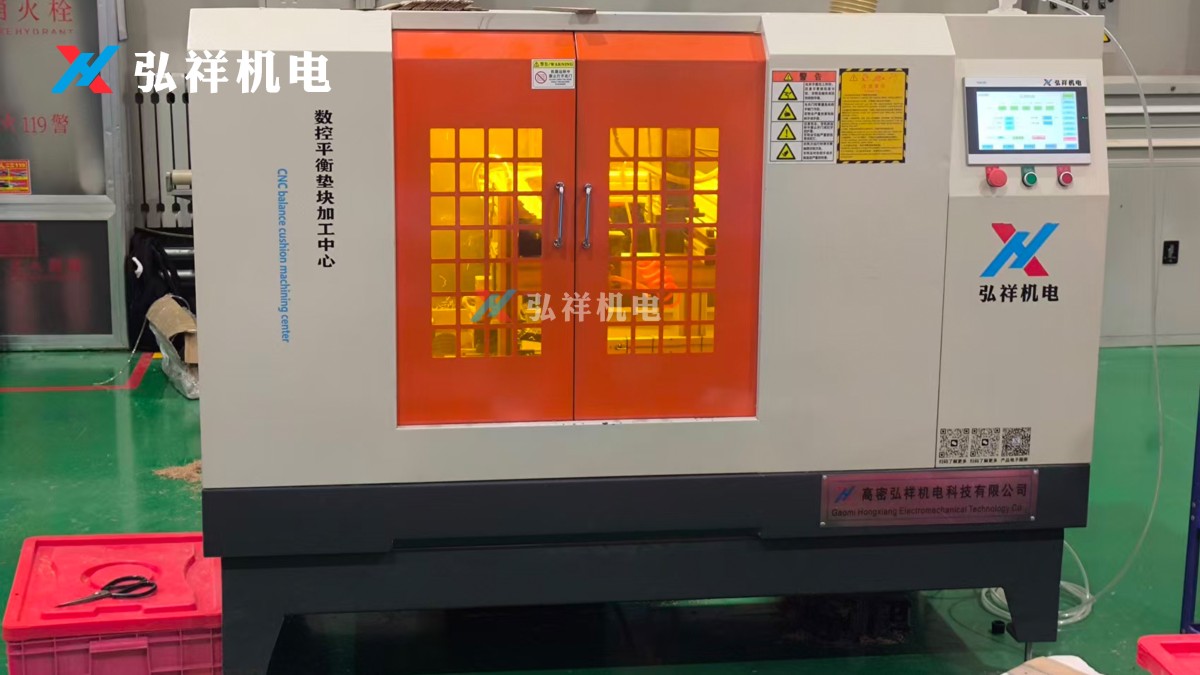
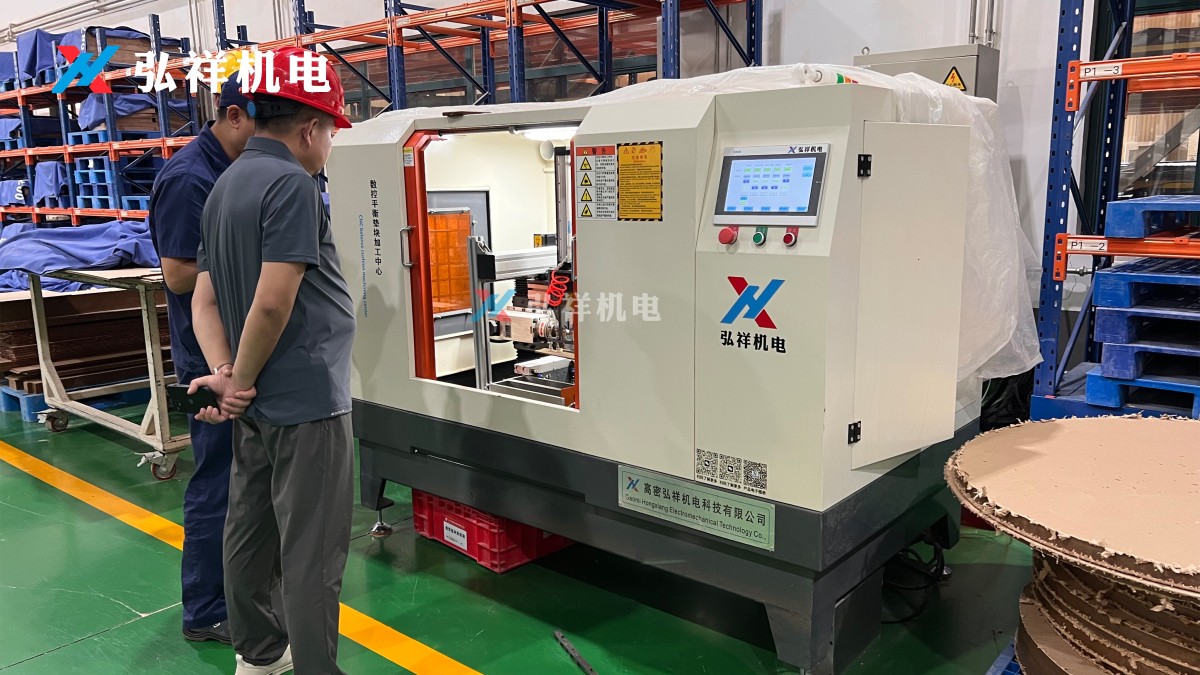
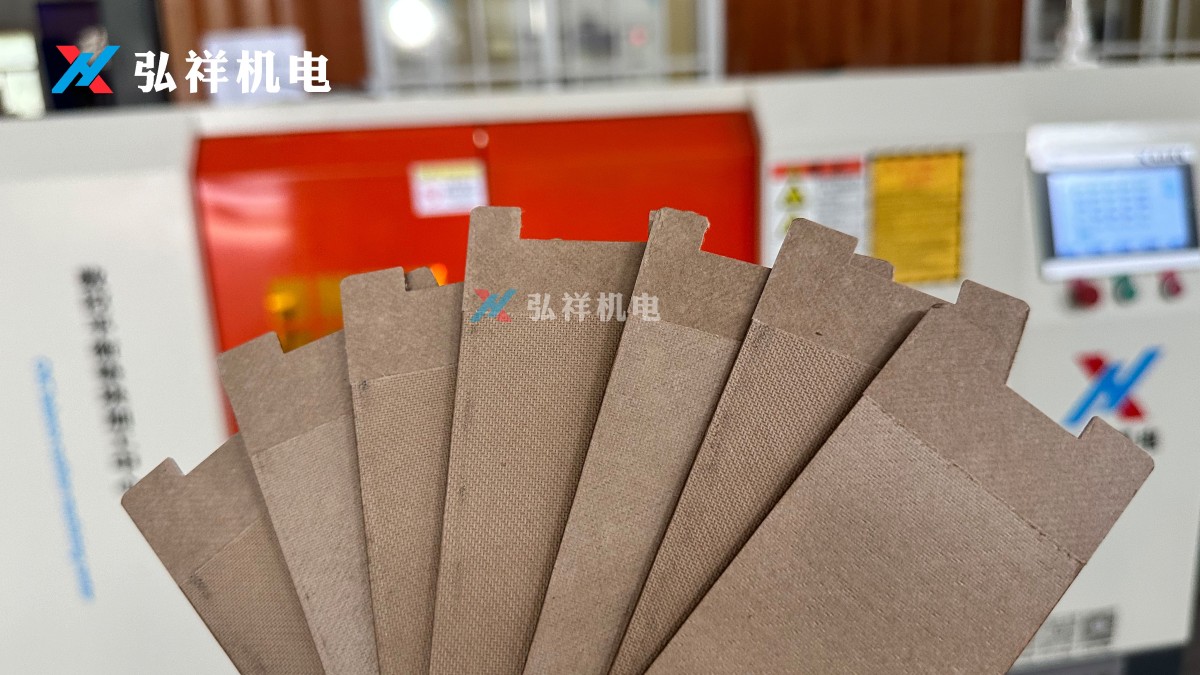
When optimizing transformer insulation components production—such as electrical cardboard, insulating cardboard, and electrical laminated wood—fixture requirements differ significantly between fully automatic and semi-automatic lines. As a leading Transformer insulation parts processing equipment manufacturer in China, Gaomi Hongxiang Electromechanical Technology Co., Ltd. leverages Durable transformer insulation cardboard processing equipment, High precision transformer electrical layer-pressed wood processing equipment, and CNC Double-End Chamfering Machine to ensure consistency, safety, and repeatability. This article explores how Special-shaped material cutting equipment, Fully automatic shearing machine, and Wire clamp processing integrated machine influence fixturing strategies—critical for technical evaluators, procurement teams, and project managers seeking reliable, AI-supported manufacturing solutions.
Why Fixturing Strategy Matters More Than You Think
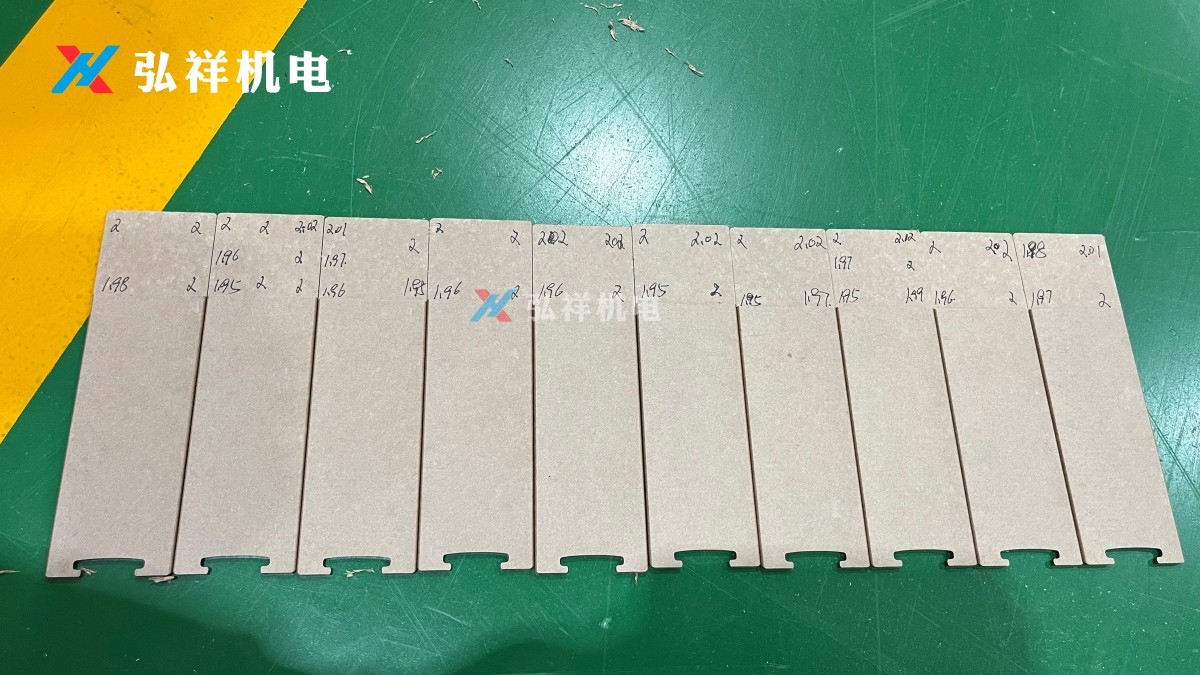
Fixturing is not just about holding parts—it directly impacts dimensional accuracy, cycle time stability, operator safety, and long-term tool life. For transformer insulation components—especially those made from layered cardboard (±0.15mm tolerance), laminated wood (density 0.7–0.9 g/cm³), or EVA-molded profiles—minor clamping force variations can cause warping, fiber tear, or delamination.
In fully automated lines, fixtures must withstand 24/7 operation, integrate with robotic grippers, and support real-time position feedback. Semi-automatic setups rely on human intervention—requiring quick-change, ergonomic, and visually intuitive designs. Misalignment here increases scrap rates by up to 18% (based on field data from 12 transformer OEMs across Southeast Asia and India).
Gaomi Hongxiang’s R&D team has validated over 37 fixture configurations across 5 product families—including custom vacuum chucks for thin insulating cardboard (<1.2mm) and modular pneumatic clamps for laminated wood blocks (up to 300×300×120mm). Each design complies with IEC 60273 and GB/T 13540 standards for mechanical strength and thermal deformation limits.
Automated vs. Semi-Automated: Key Fixturing Differences
The core divergence lies in repeatability demand, integration depth, and maintenance frequency—not just part geometry. Fully automated lines require fixtures that communicate status (e.g., “clamped”, “vacuum OK”) via IO-Link or discrete signals. Semi-automatic systems prioritize visual alignment marks, tactile release mechanisms, and tool-free adjustment within ±0.3mm positioning tolerance.
This table reflects actual performance benchmarks from Gaomi Hongxiang’s test center using ISO 9001-certified calibration protocols. Automated fixtures are engineered for minimal human touch—reducing operator fatigue and error propagation across shift changes. Semi-automatic variants include dual-purpose features like interchangeable inserts for cardboard (0.5–3.0mm) and laminated wood (6–25mm), enabling one station to serve three product families without downtime.
How Material Properties Drive Fixture Design
Electrical insulating cardboard exhibits high compressibility under pressure but low shear resistance—requiring distributed vacuum suction (>65 kPa) rather than point clamping. Laminated wood, meanwhile, demands rigid side supports to prevent micro-cracking during chamfering or drilling at feed rates above 2.5 m/min.
EVA-molded parts present unique challenges: surface tackiness, thermal expansion mismatch (CTE 180–220 ×10⁻⁶/℃), and sensitivity to localized stress. Gaomi Hongxiang’s patented soft-grip fixtures use segmented silicone pads with programmable pressure zones—adjustable from 0.1 to 0.6 MPa via HMI interface.
All fixtures undergo finite element analysis (FEA) pre-validation. Typical deformation under max load:<0.03mm for cardboard fixtures, <0.08mm for laminated wood bases—verified against ASTM D790 flexural modulus thresholds.
Critical Material-Specific Requirements
- Insulating cardboard (0.3–5.0mm): Vacuum area ≥75% of part footprint; sealing lip height ≥1.2mm
- Laminated wood (6–40mm): Side clamping force 12–18 kN; parallelism tolerance ≤0.02mm/m
- EVA-molded profiles: Contact surface hardness Shore A 45–55; non-marking edge radius ≥0.8mm
Procurement Decision Framework: What to Evaluate First
For procurement teams and project managers, fixture selection isn’t a standalone decision—it’s embedded in your broader line strategy. Start with these 4 non-negotiable checks before requesting quotations:
- Confirm compatibility with your existing CNC controller (Fanuc, Siemens, or domestic NC systems)—especially signal mapping for clamp status feedback
- Verify fixture modularity: Can inserts be swapped in<15 minutes without recalibration? (Gaomi Hongxiang offers 7 standard insert kits covering 92% of insulation geometries)
- Review service documentation: Is 3D STEP model, GD&T drawing, and maintenance logbook included in delivery?
- Validate compliance evidence: Ask for test reports showing static/dynamic load testing per GB/T 23286.1–2009
Lead time for custom fixtures averages 18–25 working days from final drawing approval. Standard configurations ship in 7–12 days—fully assembled, pre-tested, and ready for commissioning.
Why Global Customers Choose Gaomi Hongxiang’s Fixturing Solutions
We don’t sell fixtures—we deliver production continuity. Every solution includes on-site installation support, operator training (4–6 hours), and a 24-month warranty covering wear parts. Our AI-enabled monitoring module logs clamp cycle count, pressure decay rate, and thermal drift—feeding predictive maintenance alerts to your MES.
With local service hubs in Mumbai, São Paulo, and Moscow—and English, Spanish, Russian, and Bahasa technical documentation—you get responsive support aligned to your operational rhythm. Whether you’re scaling from 500 to 5,000 units/month or integrating new EVA molding lines, our engineering team co-develops fixtures alongside your process validation plan.
Ready to optimize your transformer insulation component line? Contact us today for a free fixture compatibility assessment—including 3D simulation of your part geometry, recommended clamping strategy, and ROI projection based on your current scrap rate and labor cost structure.
NAVIGATION
MESSAGE
Request A Quote?