0000-00
For quality control and safety managers, maintaining Durable transformer insulation cardboard processing equipment means more than ensuring output—it means preventing hazards, reducing downtime, and protecting product consistency. From guarding moving parts to verifying electrical systems and operator procedures, every checkpoint matters. This guide outlines the key safety inspection priorities that help transformer insulation cardboard processing lines run reliably, compliantly, and with long-term durability.
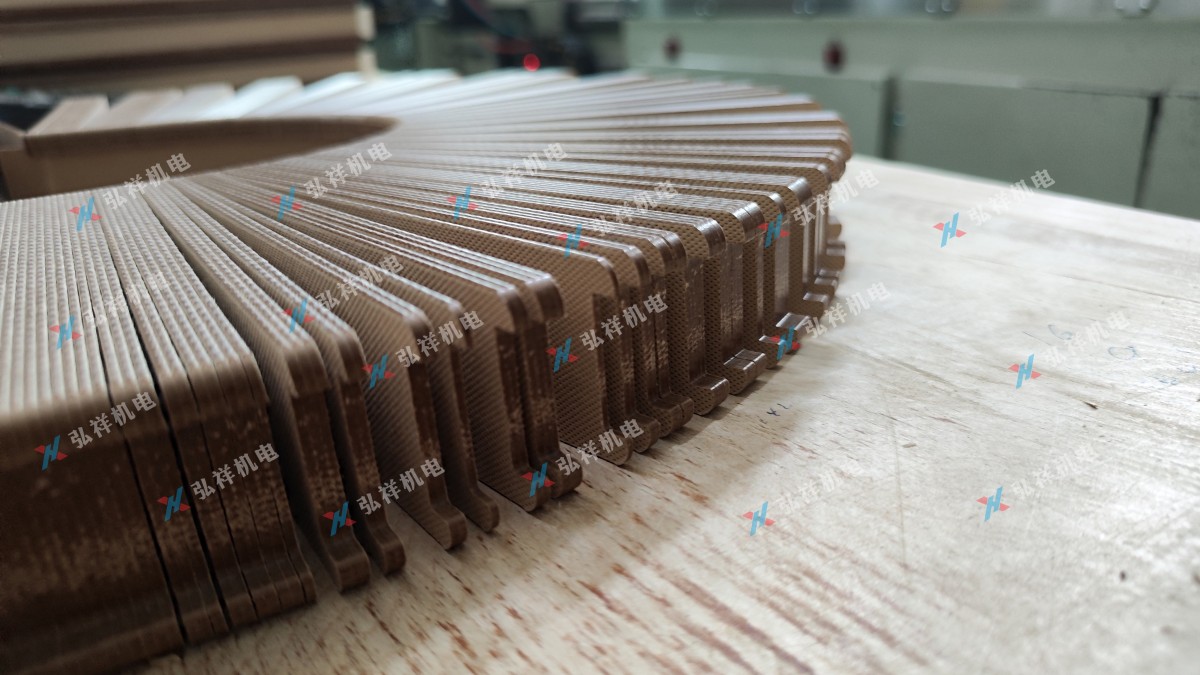
Why a Checklist Approach Matters
In transformer insulation board production, safety failures often begin with small deviations. A loose guard, worn cable, or drifting pressure setting can damage tools, material, and process stability.
A checklist creates repeatable judgment standards for Durable transformer insulation cardboard processing equipment. It also supports traceability, shift handover, preventive maintenance, and more stable machining quality.
For machine tool equipment used in cutting, laminating, slotting, pressing, and forming insulation materials, structured inspection helps control dust, heat, motion hazards, and electrical risk together.
Core Safety Checkpoints for Durable Transformer Insulation Cardboard Processing Equipment
- Verify all fixed and interlocked guards before startup, especially around cutters, feed rollers, chains, belts, and pressing stations that can catch sleeves, gloves, or loose insulation strips.
- Test emergency stop buttons one by one and confirm response time, reset logic, and downstream isolation of motors, pneumatic valves, and servo-driven sections across the full line.
- Inspect electrical cabinets for clean ventilation, intact grounding, tight terminals, overload settings, and sealed cable entries to reduce fire risk and intermittent control faults.
- Check blade wear, cutter alignment, and tool fastening so Durable transformer insulation cardboard processing equipment keeps stable dimensions without chatter, tearing, or dangerous tool ejection.
- Confirm pneumatic and hydraulic pressure values match process requirements, then inspect hoses, joints, gauges, and cylinders for leaks, creep, shock loading, or pressure instability.
- Clean dust extraction ducts, suction ports, and collection bins because insulation cardboard dust can impair sensors, increase motor temperature, and create slipping or ignition hazards.
- Review feed tables, guide rails, and positioning stops for flatness and rigidity to prevent skewed feeding, edge damage, and repeated operator hand intervention near moving zones.
- Observe bearing temperature, gearbox noise, chain lubrication, and belt tension during idle and loaded conditions to catch mechanical degradation before seizure or misalignment occurs.
- Calibrate thickness, length, and pressure-related sensors regularly so process alarms reflect real conditions and Durable transformer insulation cardboard processing equipment maintains product consistency.
- Examine control panels, HMIs, selector switches, and indicator lights for clear labels and accurate status display, reducing confusion during setup, cleaning, maintenance, and abnormal stops.
- Confirm lockout-tagout points are accessible and documented for electrical, pneumatic, and hydraulic energy sources before any blade change, jam removal, or internal cleaning task.
- Audit floor condition, lighting, waste handling, and material stacking around the machine to keep aisles open and eliminate secondary accidents during routine production movement.
Application-Specific Inspection Focus
Cutting and Slitting Lines
Cutting stations on Durable transformer insulation cardboard processing equipment demand close attention to blade sharpness, runout, clamping force, and feed synchronization. Poor setup increases burrs and operator intervention.
Inspect scrap discharge paths as carefully as primary feed paths. Jammed trim pieces often lead to manual clearing attempts near still-moving rollers or slowly coasting cutter shafts.
Hot Pressing and Forming Equipment
When heating or molding insulation components, verify platen temperature uniformity, insulation condition of heaters, and over-temperature protection. Uneven heating affects both safety and dielectric product performance.
Check pressure build-up and release sequences. Sudden decompression, delayed valve action, or unstable parallelism can crack molded material and overload mechanical structures.
Laminated Wood and Insulating Parts Processing
For mixed-material processing cells, tool selection and dust control become more critical. Different densities and resin content can change cutting force, extraction load, and wear rate.
Where special fixtures are used, inspect clamping repeatability and anti-loosening devices. Fixture movement during machining can damage both workpieces and expensive spindles.
Commonly Overlooked Risks
Bypassed Interlocks
Temporary bypasses made during adjustment often become permanent habits. Any defeated guard switch on Durable transformer insulation cardboard processing equipment must trigger immediate correction and documented review.
Compressed Air Misuse
Using compressed air for aggressive cleaning spreads dust into sensors, bearings, and cabinets. Prefer controlled vacuum removal and isolate power before cleaning hidden internal zones.
Unrecorded Parameter Changes
Small adjustments to pressure, feed speed, or temperature can mask deeper faults. Without records, repeated quality drift and unsafe operating windows become difficult to detect.
Training Gaps During Shift Rotation
Even robust machine tool equipment becomes vulnerable when startup checks differ by shift. Standardized handover notes should include abnormalities, pending repairs, and temporary operating limits.
Practical Execution Recommendations
- Separate checks into pre-start, in-process, shutdown, and weekly maintenance lists to make Durable transformer insulation cardboard processing equipment inspections faster and more consistent.
- Use pass-fail criteria with measurable values, such as pressure range, motor temperature, stop response, and blade wear limits, instead of vague visual judgments.
- Link every abnormality to a corrective action owner and completion date so recurring issues do not stay hidden in routine production paperwork.
- Keep spare blades, filters, belts, sensors, and switches available for critical stations where downtime directly affects insulation board delivery schedules.
- Review inspection records monthly to identify drift patterns, especially on older Durable transformer insulation cardboard processing equipment serving multi-product transformer programs.
Supporting Long-Term Equipment Reliability
Safety and durability are closely linked. Machines that run with proper lubrication, accurate alignment, stable controls, and disciplined housekeeping usually deliver better insulation part precision as well.
Gaomi Hongxiang Electromechanical Technology Co., Ltd. serves global power transformer production needs with assembly and manufacturing capabilities covering electrical insulating cardboard, insulating laminated wood, insulating parts, and EVA molding processing. This broad process experience supports practical understanding of how special-purpose machinery must balance safety, output, and product reliability.
For operations using Durable transformer insulation cardboard processing equipment, the best results come from combining machine inspection, operator discipline, and preventive service planning into one closed loop.
Conclusion and Next-Step Action Guide
Start with the highest-risk stations: cutting heads, drive systems, electrical cabinets, dust extraction, and emergency stops. Build a short daily checklist and a deeper weekly audit from those points.
Then standardize records, define alarm limits, and verify corrective actions after every fault. That approach keeps Durable transformer insulation cardboard processing equipment safer, more stable, and easier to maintain.
When safety checkpoints become part of routine machine management, transformer insulation cardboard processing lines can operate with fewer surprises, stronger compliance, and longer service life.
NAVIGATION
MESSAGE
Request A Quote?