0000-00
Many electrical cardboard cutting problems do not begin at the machine. They usually start earlier, in storage, where temperature, humidity, stacking pressure, dust, and handling conditions quietly change the material before it ever reaches a blade. For buyers, engineers, and production teams evaluating a transformer insulation parts processing equipment manufacturer in China, this is a practical issue: if storage is unstable, even a high-precision CNC Special-shaped Cutting Saw or other Special-shaped material cutting equipment will struggle to deliver clean edges, stable dimensions, and low scrap rates.
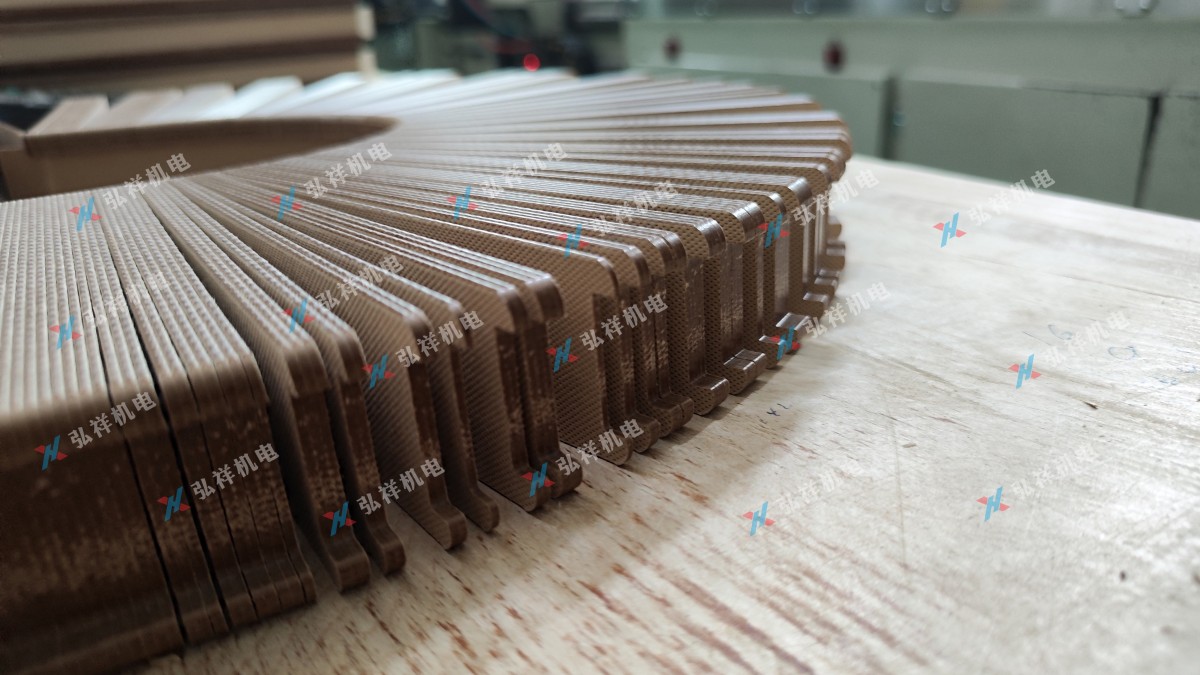
In transformer insulation manufacturing, the cutting quality of electrical insulating cardboard, electrical laminated wood, and other transformer insulation components depends on more than machine accuracy alone. Material condition directly affects feeding stability, edge integrity, dimensional consistency, dust generation, and downstream assembly quality. That means companies that want better output should not ask only, “Which machine cuts faster?” They should also ask, “How is the material stored, conditioned, and prepared before cutting?”
Why storage conditions affect cutting quality more than many teams expect
Electrical cardboard is sensitive to moisture balance, flatness, fiber condition, and environmental contamination. If material absorbs too much moisture in storage, it may soften, deform, or produce rougher cuts. If it becomes too dry, it can turn brittle, chip more easily, or crack at corners and shaped edges. In both cases, the machine may still be operating correctly, but the final cut quality becomes unstable.
This is especially important in transformer insulation manufacturing, where many parts are not simple rectangles. They may include holes, slots, arcs, bevels, or custom contours. When shaped parts are processed on a CNC Special-shaped Cutting Saw, the machine follows the programmed path accurately. But if the board is warped, internally stressed, or uneven in density due to poor storage, the actual cutting result can still deviate from expectations.
Typical storage-related cutting symptoms include:
- Ragged or fuzzy cut edges
- Unexpected burrs or fiber pull-out
- Dimensional variation between batches
- Poor repeatability in nested cutting jobs
- Increased dust and waste
- Difficulty in clamping or feeding warped sheets
- Higher reject rates during quality inspection or assembly
For operators and quality teams, this means troubleshooting should start with both the machine and the material history. For procurement and management, it means supplier capability should include not only equipment performance, but also material handling knowledge and process discipline.
What target readers really need to check before blaming the cutting machine
When cut quality drops, many factories first inspect the blade, servo system, programming, or fixture alignment. Those checks matter, but they are not enough. If storage control is weak, machine-side adjustments may only treat the symptom, not the cause.
The most useful questions to ask are practical ones:
- Was the electrical cardboard stored in a stable humidity and temperature range?
- Was it kept flat, clean, and protected from compression damage?
- Did the material have enough conditioning time before machining?
- Was batch identification maintained, so abnormal cutting results can be traced back to storage conditions?
- Did operators inspect the board for warp, edge damage, or moisture-related deformation before loading?
For technical evaluators and project managers, these checks are important because they help distinguish between equipment limitations and process-control weaknesses. For financial approvers and enterprise decision-makers, this also affects return on investment. A more advanced machine cannot fully compensate for unstable incoming material condition. If storage discipline is poor, capital investment may not produce the expected gains in quality or efficiency.
How poor storage changes the behavior of electrical cardboard during cutting
Storage affects material behavior in several direct ways.
1. Moisture imbalance changes fiber response
Electrical insulating cardboard is fiber-based. Moisture changes how those fibers react under blade pressure. Excess moisture may cause dragging and edge collapse. Low moisture may increase brittleness and corner breakage. In shaped cutting, both conditions can reduce precision.
2. Warping reduces positioning accuracy
If sheets are stored unevenly or under improper load, they may bend or twist. Warped sheets do not sit consistently on the worktable, which affects clamping, reference alignment, and cutting depth consistency. This is a common hidden reason for poor results on Special-shaped material cutting equipment.
3. Surface contamination affects handling and product cleanliness
Dust, oil mist, packaging debris, and workshop contamination can affect feeding, mark the surface, and create quality concerns for insulation components used in power transformer assembly. Cleanliness matters not only for appearance, but also for downstream product reliability and quality perception.
4. Edge damage before machining leads to reject parts
If boards are bumped during storage or transport between warehouse and production area, pre-existing edge damage can expand during cutting. Teams may incorrectly assume the machine caused the problem.
5. Layer and density inconsistency creates unstable cutting resistance
If storage conditions vary across batches or over time, the same cutting program may produce different results. This reduces process stability and makes parameter optimization harder.
Storage practices that help improve cut quality and reduce waste
For factories processing transformer insulation components, good storage is not complicated, but it must be consistent. The goal is to keep material stable before it reaches the cutting area.
Recommended practices include:
- Store electrical cardboard in a clean, dry, ventilated area with controlled temperature and humidity
- Avoid direct contact with the floor; use pallets or flat support platforms
- Keep sheets horizontally supported to reduce warping
- Protect material from water exposure, condensation, and rapid environmental changes
- Use batch labeling and first-in, first-out management where appropriate
- Allow material to acclimate before cutting if warehouse and workshop conditions differ
- Inspect flatness, moisture condition, and edge integrity before production release
For companies with higher precision requirements, it is worth standardizing pre-cutting conditioning time and basic incoming inspection criteria. This creates a more predictable cutting environment and lowers variation between shifts and batches.
What buyers should evaluate in a transformer insulation parts processing equipment manufacturer
If you are selecting a transformer insulation parts processing equipment manufacturer in China, do not evaluate only machine speed, spindle power, or price. The stronger suppliers understand the relationship between material storage, process preparation, and final cutting performance.
Useful evaluation points include:
- Whether the supplier has practical experience processing electrical insulating cardboard, electrical laminated wood, and custom insulation parts
- Whether they can explain how material condition affects machine parameter settings
- Whether they provide guidance on storage, pre-processing, and operating standards
- Whether their equipment design helps handle flatness variation and shaped-part precision requirements
- Whether they support training, installation, and after-sales troubleshooting based on real production issues
- Whether they can connect machine configuration with your product mix, batch size, and quality targets
This matters because many customers do not need a machine in isolation. They need a workable production solution. A supplier with real manufacturing and application knowledge is more likely to help reduce waste, stabilize output, and shorten the time from installation to normal production.
How storage awareness improves ROI for management and procurement teams
For business evaluators, financial approvers, and company leadership, storage control may seem like a small operational detail. In reality, it has a direct impact on cost and equipment utilization.
Better storage management can improve ROI by:
- Reducing scrap caused by warping, chipping, and dimensional instability
- Lowering the frequency of unnecessary blade changes or machine adjustments
- Shortening troubleshooting time between production, maintenance, and quality teams
- Improving consistency in downstream assembly of transformer insulation components
- Protecting machine investment by allowing equipment to perform closer to its designed capability
In many cases, a company does not need to choose between storage improvement and equipment upgrade. It needs to align both. A capable CNC Special-shaped Cutting Saw can deliver strong productivity and precision, but the business result becomes much better when paired with proper material storage and preparation.
A practical checklist for operators, quality staff, and project teams
Before cutting electrical cardboard, use a short checklist:
- Is the sheet visibly flat and free from corner damage?
- Has the material been stored in a stable environment?
- Is there any sign of excess dryness, softness, or moisture exposure?
- Is the material surface clean enough for quality cutting and product use?
- Has the batch been identified and recorded?
- Have cutting parameters been verified for the current material condition?
If repeated cutting issues appear, compare defective parts by storage batch, storage time, workshop climate, and loading method before changing machine configuration. This simple habit often helps teams find the true root cause faster.
Conclusion: better cutting starts before the machine starts
Electrical cardboard cutting problems often start with material storage because storage directly influences flatness, moisture balance, fiber behavior, cleanliness, and handling condition. For factories producing transformer insulation components, that means cut quality is not determined by the machine alone. It is the result of material condition, process control, and equipment capability working together.
For engineers and operators, the key lesson is clear: do not diagnose cutting defects only from the machine side. For buyers and decision-makers, the takeaway is equally important: when choosing a transformer insulation parts processing equipment manufacturer in China, prioritize suppliers that understand the full process, including storage, preparation, cutting, and after-sales support.
In short, if you want cleaner cuts, lower waste, and more stable production from Special-shaped material cutting equipment or a CNC Special-shaped Cutting Saw, start by looking upstream. Very often, the real solution is already sitting in the storage area.
NAVIGATION
MESSAGE
Request A Quote?