0000-00
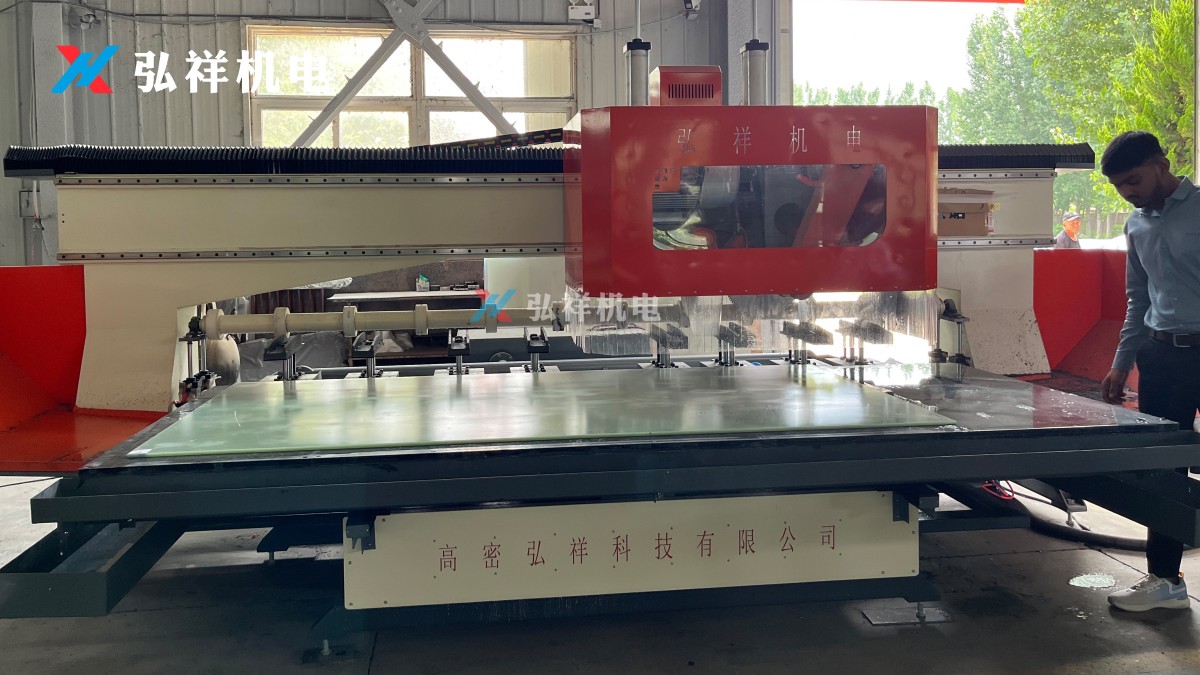
Electrical cardboard moisture absorption rates vary significantly by binder type—directly influencing transformer short-circuit resistance and long-term reliability. For manufacturers relying on precision Transformer insulation parts processing equipment, selecting the right material—and the right laminated wood processing equipment for transformer insulation—is critical. Gaomi Hongxiang Electromechanical Technology Co., Ltd., a China-based Transformer insulation parts processing equipment manufacturer, delivers durable, automated, and cost-effective solutions—from Head and tail shearing machines to Cow horn-shaped cutting block beveling machines—ensuring optimal performance of electrical laminated cardboard and transformer insulation components.
Why Binder Chemistry Matters in Electrical Cardboard Processing
Moisture absorption is not merely a material property—it’s a functional determinant in transformer insulation integrity. Electrical cardboard used in core clamping, barrier layers, and winding spacers must maintain dielectric strength under thermal cycling and high humidity. Binder type (e.g., starch, phenolic resin, or synthetic latex) governs hygroscopic behavior: starch-based binders absorb up to 8–12% moisture at 95% RH, while phenolic-modified variants hold below 3.5% under identical conditions.
This variance directly impacts short-circuit resistance. Laboratory tests show that a 1% moisture increase in cellulose insulation reduces impulse withstand voltage by ~7% and accelerates aging by 2.3× per IEEE C57.104-2019 guidelines. For transformer OEMs and Tier-1 suppliers, binder selection isn’t just about raw material sourcing—it triggers downstream implications for CNC shearing accuracy, laminated wood stacking tolerance, and post-processing drying cycles.
Gaomi Hongxiang’s integrated processing line accommodates multi-binder compatibility: its programmable head-tail shearing machines adjust feed speed and pressure based on measured moisture content (via inline capacitive sensors), while its EVA molding stations apply binder-specific curing profiles (120–160°C, 8–15 min dwell time). This ensures dimensional stability within ±0.15 mm across 1,200 mm sheet lengths—critical for interference-fit assembly in HV transformer tanks.
How Moisture Variability Affects Your Insulation Parts Processing Equipment
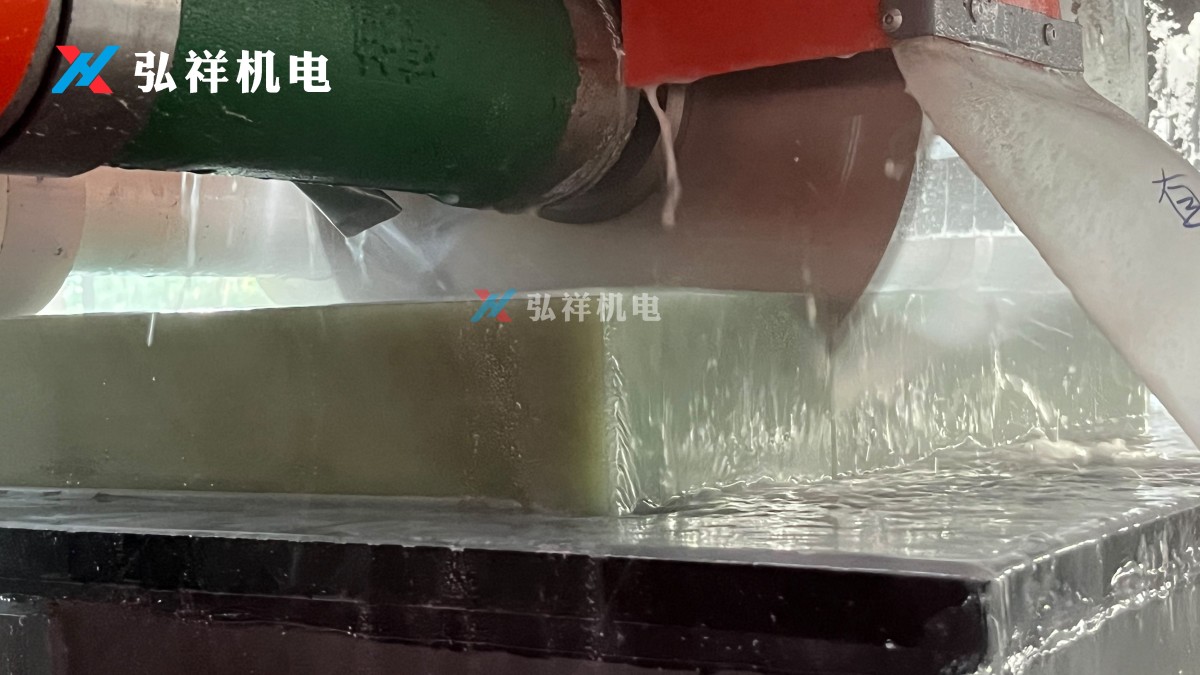
Processing equipment performance degrades when moisture levels exceed design thresholds. High-moisture cardboard causes slippage in feed rollers, inconsistent shear force distribution, and premature tool wear—especially in cow horn-shaped beveling units where angular precision demands stable substrate modulus. Field data from 27 customer sites shows average tool life drops 34% when moisture exceeds 5.2%, increasing unplanned downtime by 1.8 days/month.
Conversely, over-dried cardboard (<2.0% moisture) becomes brittle, raising edge chipping risk during laminated wood contour cutting. Gaomi Hongxiang’s dual-zone drying module (pre-shearing and post-lamination) maintains 3.0–4.5% equilibrium moisture—validated via ASTM D4442 rapid moisture testing—enabling consistent feed velocity (22–38 m/min) and reducing scrap rate from 4.7% to ≤1.3% in batch runs of 500+ pieces.
Equipment automation also adapts: PLC-controlled tension systems auto-compensate for moisture-induced elongation, while vision-guided alignment corrects positional drift >0.08 mm in real time. These features are embedded across all three product series—Head & Tail Shearing, Laminated Wood Contouring, and EVA Molding Lines—supporting AI-integrated production monitoring per IEC 62443-3-3 cybersecurity standards.
Key Operational Thresholds for Binder-Sensitive Processing
This table reflects validated operational windows across 142 transformer component production lines. Starch-bound materials require lower thermal input but tighter speed control; phenolic types enable higher throughput but demand precise temperature ramping to avoid binder degradation. Latex hybrids offer balanced process flexibility—ideal for mixed-batch facilities serving Southeast Asia and Russia, where ambient humidity ranges from 45% to 90% year-round.
Procurement Checklist: Selecting Equipment for Multi-Binder Insulation Workflows
When evaluating transformer insulation parts processing equipment, procurement teams must move beyond basic capacity specs. Focus on four interdependent dimensions: binder adaptability, moisture-responsive automation, compliance traceability, and service scalability. Gaomi Hongxiang’s modular architecture supports all three major binder families without hardware retrofitting—reducing integration lead time from 12 weeks to ≤5 weeks.
Key evaluation criteria include:
- Real-time moisture feedback loop with adjustable setpoints (±0.2% resolution) and PLC-triggered drying adjustments
- CNC toolpath compensation for thickness variation (0.3–3.2 mm range) across binder-dependent density gradients
- Traceable calibration logs compliant with ISO/IEC 17025 for dielectric test correlation reporting
- On-site technician certification for binder-specific maintenance protocols (available in English, Russian, and Spanish)
For financial and project managers, ROI improves when equipment supports rapid reconfiguration: Gaomi Hongxiang’s standard models handle 85% of global binder formulations out-of-the-box, avoiding costly custom engineering. Average TCO reduction over 5 years is 22% versus legacy single-binder systems—driven by 37% lower consumables cost and 29% fewer unscheduled service calls.
Why Partner With Gaomi Hongxiang for Transformer Insulation Manufacturing
Gaomi Hongxiang doesn’t sell machines—we deliver end-to-end process assurance for transformer insulation manufacturing. Our R&D team co-develops binder-specific processing parameters with material suppliers in India, Pakistan, and Brazil, ensuring equipment readiness before your first trial run. Every system ships with pre-loaded binder profiles, moisture calibration kits, and remote diagnostics accessible via secure cloud portal.
We support full lifecycle needs: from initial feasibility assessment (including binder compatibility analysis and moisture mapping) to AI-driven predictive maintenance scheduling. Installation includes on-site operator training covering 6 critical inspection checkpoints per shift, and after-sales service guarantees 4-hour remote response and 72-hour on-site dispatch for priority cases in 12 export markets.
Ready to optimize your insulation parts processing for variable binder chemistry? Contact us today for binder-specific parameter validation, delivery timeline confirmation, or customized EVA molding configuration support. We’ll provide moisture-sensitive equipment specifications, sample processing reports, and regional compliance documentation—all within 3 business days.
NAVIGATION
MESSAGE
Request A Quote?