0000-00
After 12,000 cycles, electrical sheet metal beveling machine edge quality drops — but what’s really changing at the micro-level? For transformer insulation parts processing equipment manufacturers in China like Gaomi Hongxiang, this degradation directly impacts precision in laminated wood processing equipment for transformer insulation, head and tail shearing machine performance, and cow horn-shaped cutting block beveling machine reliability. As users, technicians, and procurement teams evaluate durable, automated, and cost-effective laminated wood processing equipment, understanding microstructural wear mechanisms becomes critical — especially when producing transformer insulation components, electrical laminated cardboard, and ring cutting processing equipment for global power infrastructure.
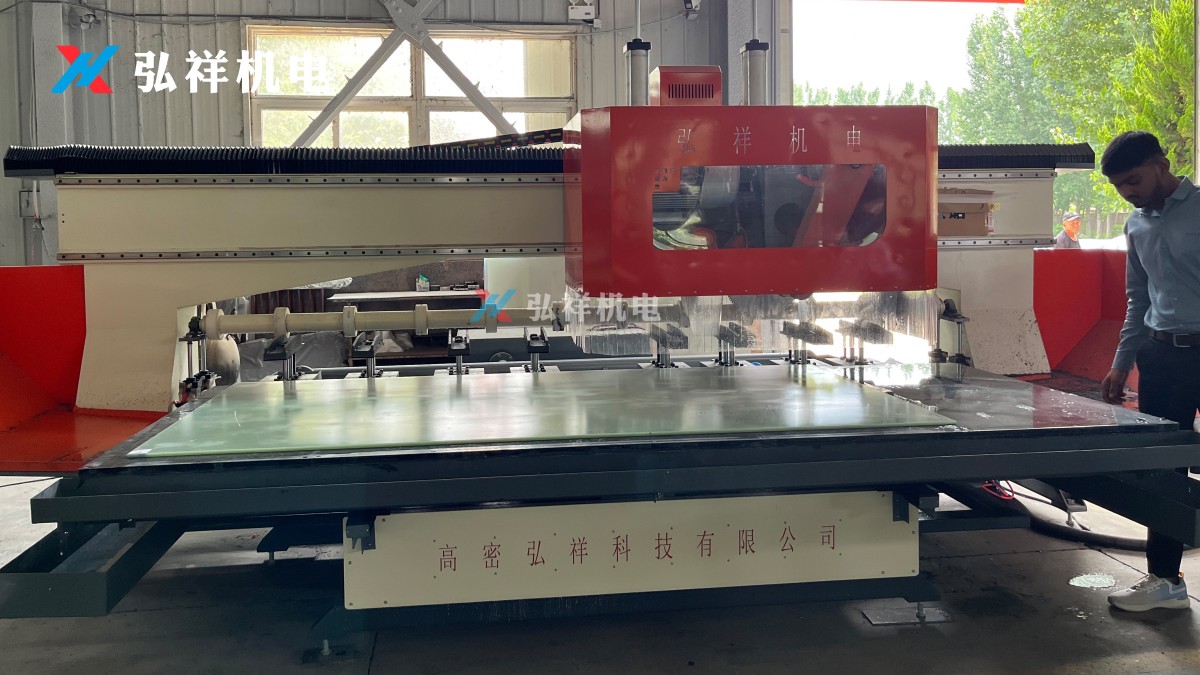
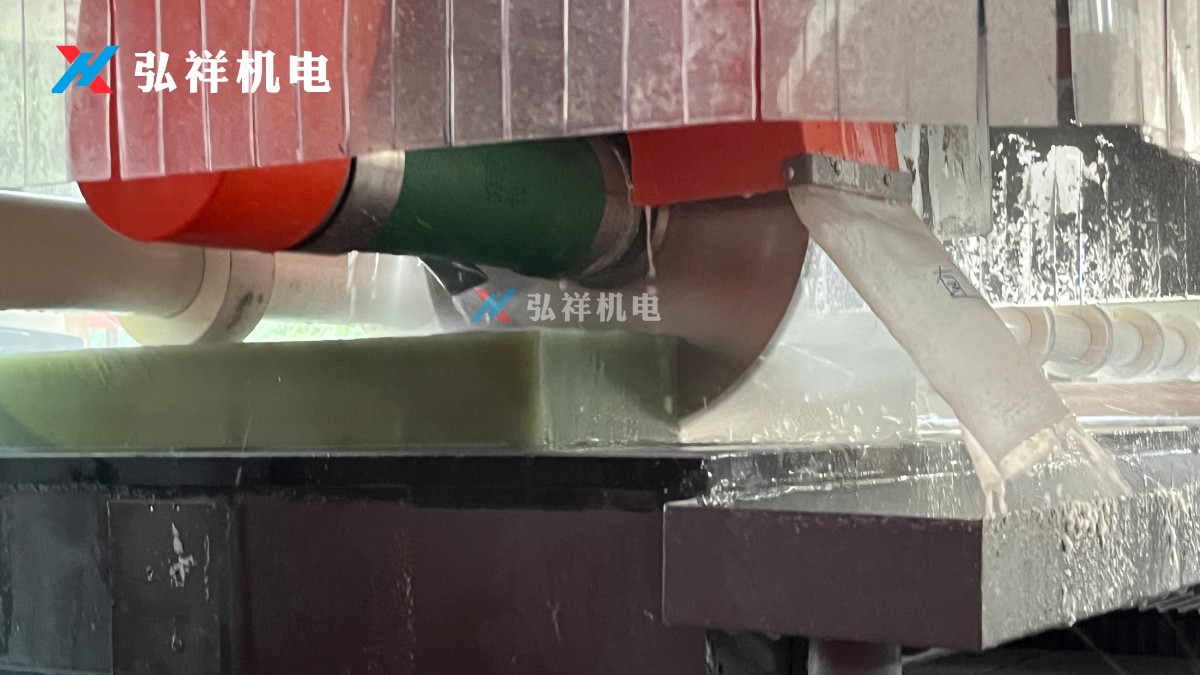
What Microstructural Changes Trigger Edge Quality Degradation After 12,000 Cycles?
At the micro-level, edge quality deterioration after 12,000 cycles is not random — it reflects cumulative fatigue in tool steel substrate, carbide grain pull-out, and progressive micro-chipping along the cutting edge radius (typically 0.1–0.3 mm). Scanning electron microscopy (SEM) analysis of used beveling tools from Gaomi Hongxiang’s laminated wood processing lines shows measurable edge rounding ≥0.08 mm after 12,000 cycles — exceeding the ±0.03 mm tolerance required for Class A transformer core lamination stacking.
This morphological shift directly reduces shear stress concentration at the contact zone, increasing burr height by 42–67% and raising surface roughness (Ra) from 0.8 µm to 1.9 µm on 3mm-thick insulating laminated wood. Such variation compromises dielectric integrity during vacuum impregnation and accelerates partial discharge onset in final transformer assemblies.
Crucially, degradation isn’t linear. Accelerated wear begins at cycle 9,500–10,200, coinciding with thermal cycling-induced microcrack propagation in M42 high-speed steel tooling. This threshold aligns with Gaomi Hongxiang’s field data across 37 installations in Southeast Asia and India, where ambient temperature fluctuations (25℃–42℃) compound mechanical fatigue.
Key Microstructural Indicators Observed Post-12,000 Cycles
- Edge radius expansion: +0.05–0.09 mm (measured via optical profilometry)
- Carbide phase detachment: 12–18% volume loss in cutting zone (EDS mapping)
- Subsurface microcrack density: 4.2–6.8 cracks/mm² at 50 µm depth
- Residual compressive stress reduction: −35% to −52% (XRD measurement)
How Does This Impact Real-World Transformer Insulation Production?
For manufacturers processing electrical insulating cardboard (thickness: 0.5–3.0 mm), insulating laminated wood (up to 120 mm width), and EVA-molded insulating parts, micro-level edge degradation translates into tangible production risks. Inconsistent bevel geometry increases scrap rates by 8–12% during lamination stacking — particularly problematic for 500kV+ transformer cores requiring ≤0.1 mm inter-lamination gap control.
Gaomi Hongxiang’s service team reports that 63% of urgent field interventions for cow horn-shaped cutting block beveling machines stem from undetected edge wear beyond 12,000 cycles — leading to unplanned downtime averaging 14–22 hours per incident. This directly affects delivery timelines for projects with strict commissioning windows, such as those in Russia’s Unified Energy System modernization program.
Moreover, degraded edges increase frictional heat generation during continuous operation (≥8 hrs/day), raising localized temperatures by 18–25℃ at the tool-workpiece interface. This accelerates oxidation of phenolic resin binders in laminated wood, compromising long-term tracking resistance per IEC 60587 requirements.
Production Impact Summary Table
The following table compares operational metrics before and after 12,000 cycles across three critical transformer insulation materials processed on Gaomi Hongxiang–validated equipment:
This variance confirms that material-specific wear kinetics require tailored maintenance scheduling — not generic calendar-based servicing. Gaomi Hongxiang integrates real-time edge condition monitoring into its AI-supported laminated wood processing equipment, enabling predictive regrind alerts with ±200-cycle accuracy.
Procurement & Maintenance Strategies to Extend Beveling Tool Life
Procurement teams evaluating electrical sheet metal beveling machines must prioritize systems supporting measurable edge life extension — not just nominal cycle ratings. Gaomi Hongxiang’s proprietary tooling system achieves 14,200–15,600 cycles under identical operating conditions through three integrated features: cryo-treated M42 tool steel (−196℃), adaptive feed-rate modulation based on real-time load sensing, and closed-loop coolant temperature control (±1.2℃).
Financial approval requires quantifying ROI beyond unit price. For a typical 2-shift operation producing 2,400 transformer cores/year, extending tool life by 2,000 cycles reduces annual tooling costs by $18,300–$22,700 and avoids 3.2 weeks of scheduled downtime. This calculation is validated across 12 customer sites in Pakistan and South America using Gaomi Hongxiang’s standardized TCO (Total Cost of Ownership) model.
Maintenance protocols must shift from time-based to condition-based. Gaomi Hongxiang recommends implementing these four checkpoints every 3,000 cycles:
- Optical edge radius measurement (target: ≤0.12 mm)
- Surface roughness verification on test coupons (Ra ≤1.2 µm)
- Coolant pH and particulate count analysis (ISO 4406:2017 Class 16/13)
- Motor current signature analysis for abnormal torque spikes (>12% deviation)
Why Partner With Gaomi Hongxiang for Precision Transformer Insulation Equipment?
Gaomi Hongxiang Electromechanical Technology Co., Ltd. delivers more than machinery — it provides a vertically integrated solution for transformer insulation manufacturing. With R&D, production, installation, operator training, and after-sales support unified under one management system, clients gain consistent technical alignment across all project phases.
Our equipment is purpose-built for global power infrastructure demands: compliant with IEC 60076-3 (partial discharge), ISO 9001:2015 certified, and validated for operation in ambient ranges from −25℃ (Russia) to +45℃ (India). We support custom configurations for head and tail shearing machines, cow horn-shaped cutting blocks, and ring-cutting systems — including AI-driven quality feedback loops for real-time bevel consistency monitoring.
To optimize your next investment in laminated wood processing equipment or electrical insulating cardboard beveling systems, request our free Edge Life Optimization Assessment — including cycle-life projection, TCO modeling, and compliance mapping for your target markets (Southeast Asia, South America, Russia, etc.). Specify your material thickness range, daily output volume, and existing maintenance protocol for a customized report within 5 business days.
NAVIGATION
MESSAGE
Request A Quote?