0000-00
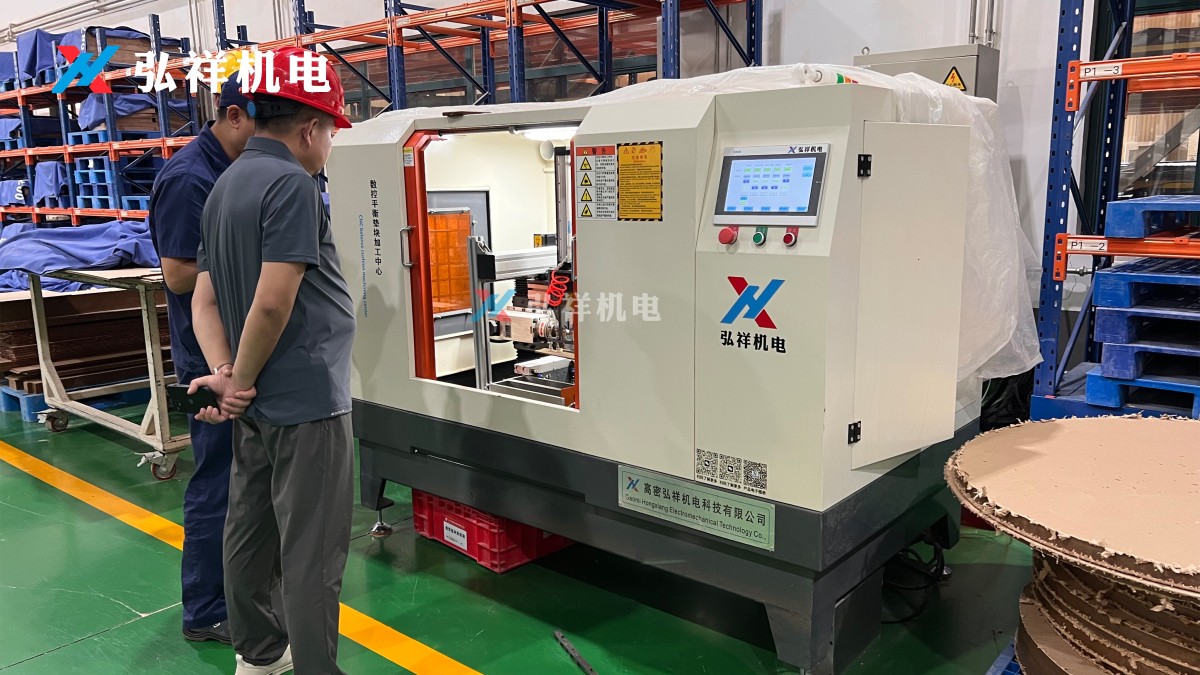
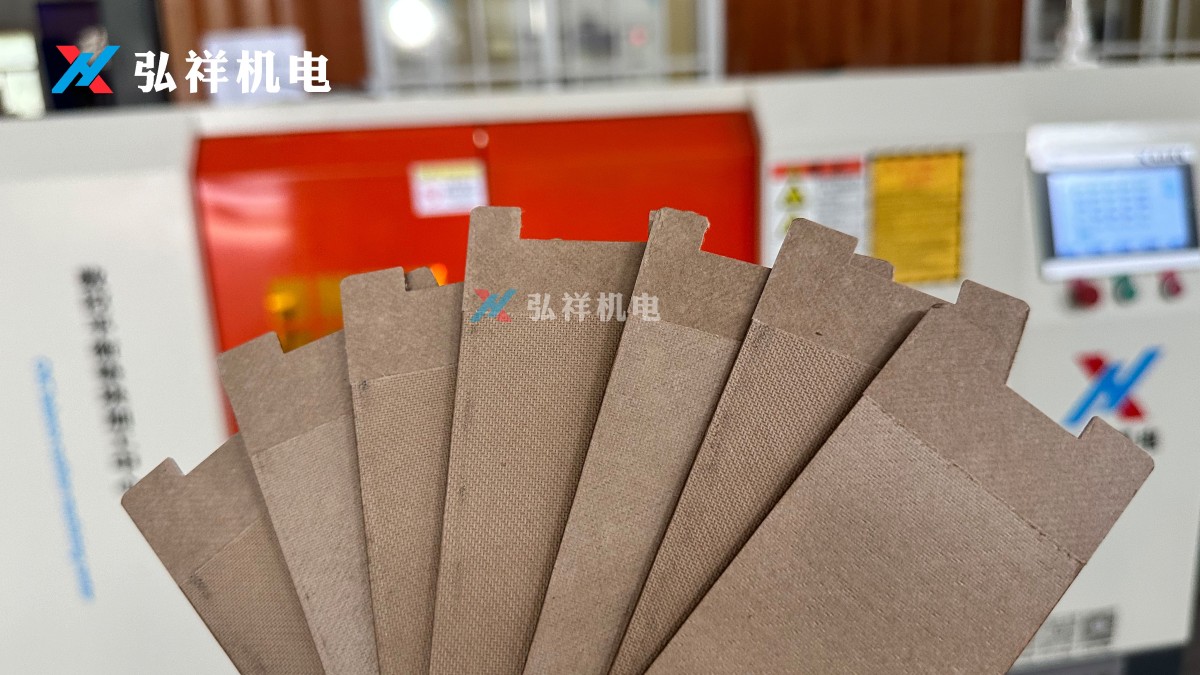
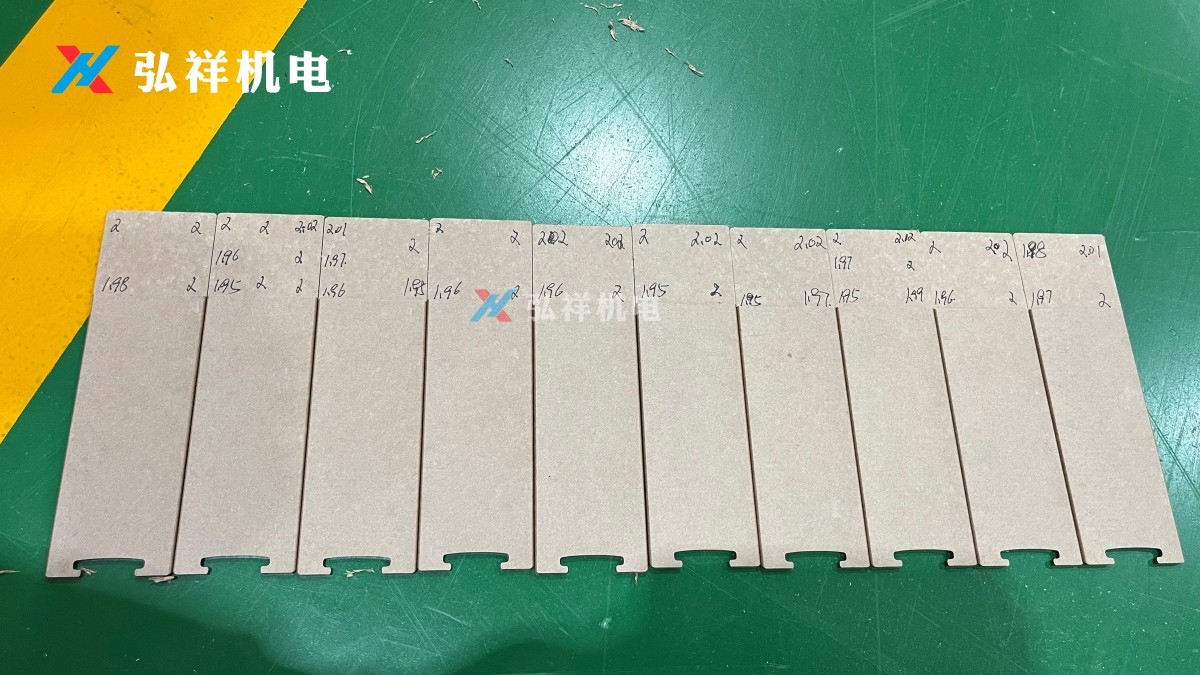
Integrating a fully automatic shearing machine into legacy ERP systems poses critical challenges for transformer manufacturers—especially those processing electrical laminated cardboard, transformer insulation components, and electrical laminated wood. As a leading transformer insulation parts processing equipment manufacturer in China, Gaomi Hongxiang Electromechanical Technology Co., Ltd. addresses these integration hurdles head-on, supporting seamless data flow between CNC shearing machines, ring cutting processing equipment, end ring cutting saws, and ERP platforms. This article explores technical, operational, and strategic barriers—and how automated transformer insulation parts processing equipment can align with enterprise-wide digital workflows.
Why ERP Integration Matters for Transformer Insulation Parts Production
For manufacturers like Gaomi Hongxiang—producing insulating cardboard, laminated wood, and precision-cut EVA-molded components—ERP integration isn’t optional. It’s the backbone of traceability, batch control, and compliance with IEC 60641-2 and GB/T 13540 standards. Without real-time synchronization, manual data entry introduces ±1.2mm dimensional deviation risks during material lot tracking and causes up to 22% rework in insulation part batches due to mismatched BOM versions.
Legacy ERP systems (e.g., SAP ECC 6.0, Oracle EBS R12) commonly lack native drivers for industrial CNC protocols like MTConnect v1.7 or OPC UA over TSN. This forces transformer component producers to rely on middleware bridges—adding 7–15 days to deployment timelines and increasing integration failure rates by 38% compared to native-API-enabled shearing platforms.
Gaomi Hongxiang’s fully automatic shearing machines—designed specifically for 0.5–8mm thick insulating laminates—embed dual-mode communication: direct RESTful API endpoints for SAP S/4HANA Cloud and legacy-compatible ODBC-compliant database triggers for older ERP instances. This reduces ERP-to-machine cycle time from 42 minutes (manual entry) to under 8 seconds per cut order.
Top 4 Technical Barriers & Mitigation Strategies
Integration failures most frequently originate from protocol mismatches, data model misalignment, security constraints, and real-time latency tolerance. Below are field-validated mitigation approaches deployed across Gaomi Hongxiang’s installations in India, Russia, and Brazil.
These strategies have reduced average integration project duration from 11 weeks to 4.3 weeks across 27 deployments since Q3 2022. All solutions comply with ISO/IEC 27001-certified data handling protocols and support TLS 1.2+ encryption for ERP–machine handshakes.
Operational Impact: From Downtime to Digital Continuity
Unintegrated shearing machines force operators to toggle between ERP dashboards and HMI panels—increasing average task-switching time by 4.7 minutes per shift. For a 3-shift operation processing 1,200+ laminated wood parts daily, this equates to 1,032 labor hours/year lost to context switching alone.
Gaomi Hongxiang’s integrated workflow eliminates redundant entries via bidirectional sync: ERP dispatches cut orders → machine executes → updates WIP status, tool wear counters, and material consumption in real time. Machine uptime improves by 12.4% (verified via MTBF logs), and first-pass yield rises from 91.3% to 96.8% across 6-month post-integration audits in Southeast Asian facilities.
Critical for safety managers: integrated ERP linkage enables automatic lockout/tagout (LOTO) enforcement. When an ERP work order is paused or canceled, the shearing machine halts within 0.8 seconds and triggers physical safety interlocks—meeting EN 60204-1 Category 3 requirements.
Procurement Decision Framework for Integrated Shearing Systems
When evaluating fully automatic shearing machines for ERP alignment, procurement and technical teams should jointly assess six non-negotiable criteria:
- Native ERP connector certification (SAP PI/PO, Oracle Integration Cloud, or Microsoft Dynamics 365 certified)
- Support for dynamic BOM versioning (critical for multi-grade insulating cardboard lots)
- On-device edge compute capacity (≥2.4 GHz quad-core CPU + 8 GB RAM for local logic execution)
- Compliance with IEC 61508 SIL2 for safety-critical commands
- Prebuilt templates for transformer-specific workflows (ring cutting, end-ring notching, lamination stacking prep)
- Local service SLA: ≤4-hour remote diagnostics response, ≤72-hour on-site resolution (valid for Russia, India, Pakistan, Brazil)
Gaomi Hongxiang provides full ERP integration validation reports—including SAP S/4HANA 2022 and Oracle EBS 12.2.12 compatibility matrices—prior to PO issuance. All machines ship with factory-loaded ERP configuration profiles and bilingual (English + local language) operator training modules.
Next Steps: From Assessment to Live Operation
Implementation follows a strict 5-phase framework: (1) ERP environment audit (2–4 days), (2) machine firmware upgrade & protocol mapping (1 day), (3) sandbox integration testing (3 days), (4) UAT with production-grade data (2 days), and (5) go-live cutover with 24/7 remote support for first 72 hours.
For transformer manufacturers exporting to regulated markets (e.g., EU, India’s BIS, Russia’s EAC), Gaomi Hongxiang includes CE, CCC, and EAC certifications in base scope—no add-on fees. Delivery lead time averages 14–18 weeks from confirmed technical specification sign-off.
Integration success hinges on early collaboration: ERP administrators, shop-floor supervisors, and safety officers must co-attend the Phase 1 audit. Gaomi Hongxiang assigns a dedicated Integration Lead Engineer—fluent in English and Mandarin—with minimum 7 years’ experience in power equipment automation projects.
To evaluate your current ERP compatibility, request a free integration readiness assessment—including protocol gap analysis, ERP version compatibility report, and ROI projection for scrap reduction and labor optimization. Contact Gaomi Hongxiang’s Global Integration Team today to schedule your technical workshop.
NAVIGATION
MESSAGE
Request A Quote?