0000-00
Germany vs China: How to Compare Transformer Insulation Parts Processing Equipment Factories
Choosing between a Transformer insulation parts processing equipment factory in Germany and suppliers in China requires more than a simple price comparison.
The better question is which factory can support stable output, accurate processing, and lower operating risk over time.
For transformer manufacturers, insulation parts are not a side issue.
They directly affect assembly quality, insulation performance, and production efficiency.
That is why selecting a Transformer insulation parts processing equipment factory in Germany or China needs a structured review.
This guide compares both markets across precision, customization, delivery, service, and total ownership cost.
It also highlights what matters when buying equipment for insulating cardboard, laminated wood, and formed insulation parts.
Why This Comparison Matters Now
Transformer production is changing fast.
Lead times are tighter, labor costs are rising, and customers expect more consistency in every batch.
In this environment, the right equipment partner becomes part of your manufacturing strategy.
A Transformer insulation parts processing equipment factory in Germany is often associated with engineering depth and process stability.
Chinese suppliers are usually known for flexibility, faster response, and more competitive purchasing cost.
Neither option is automatically better.
The fit depends on your product mix, investment timeline, output target, and service expectations.
Core Differences Between Germany and China
Engineering Standard and Process Control
A Transformer insulation parts processing equipment factory in Germany often emphasizes mature design standards and detailed process validation.
This usually shows up in machine rigidity, motion control, documentation quality, and repeatable accuracy.
Chinese factories vary more widely.
Top-tier suppliers can deliver very strong performance, but weaker suppliers may still rely on inconsistent component selection.
This makes supplier screening more important in China.
Customization Capability
German factories often excel in engineered solutions, especially for highly specific production lines.
However, custom development may take longer and cost more.
Chinese manufacturers are usually quicker in adapting layouts, tooling, and software interfaces.
That matters if your insulation parts include varied dimensions, mixed materials, or evolving transformer models.
Cost Structure
Purchase price is where China usually looks more attractive.
A Transformer insulation parts processing equipment factory in Germany generally carries a higher upfront price.
Still, lifecycle cost needs a closer look.
Downtime, spare parts access, training, scrap rate, and maintenance frequency can change the real numbers significantly.
How to Evaluate a Transformer Insulation Parts Processing Equipment Factory in Germany
If Germany is on your shortlist, focus on evidence, not reputation alone.
Ask for detailed machine specifications, sample processing data, and references from transformer industry clients.
Pay close attention to these points:
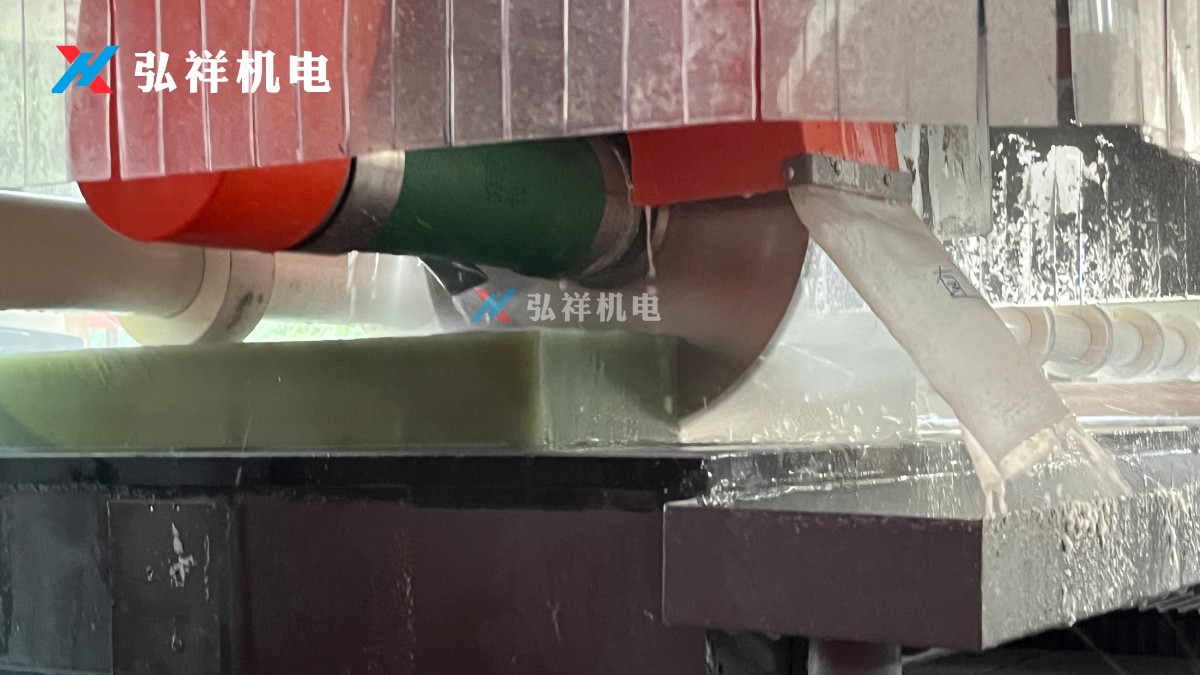
- Tolerance stability when cutting insulating cardboard and laminated wood.
- CNC system brand, software logic, and operator interface language.
- Availability of remote diagnosis and fault response time.
- Spare parts lead time for export customers.
- Training depth for operators, maintenance staff, and process engineers.
A strong Transformer insulation parts processing equipment factory in Germany should be able to explain process logic clearly.
That includes material feeding, tool wear control, dust handling, and quality repeatability across shifts.
What China Often Does Better in Real Procurement
In practical sourcing, many buyers choose China for speed and flexibility.
That decision is often reasonable when the supplier has real transformer equipment experience.
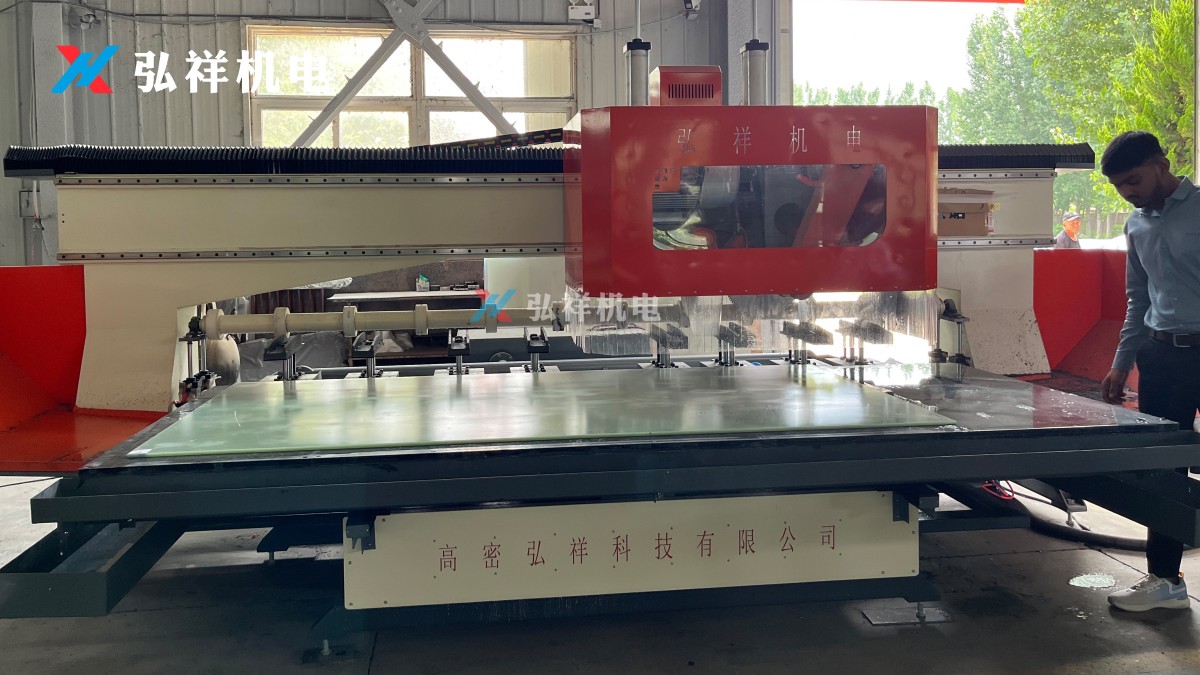
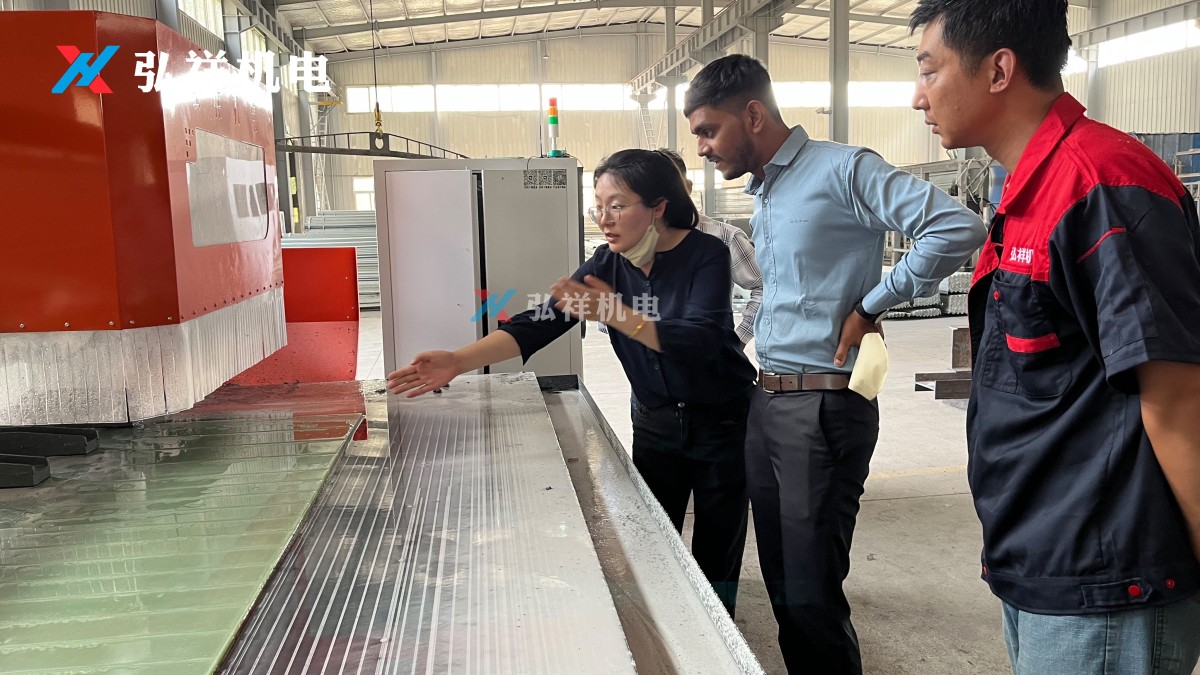
For example, Gaomi Hongxiang Electromechanical Technology Co., Ltd. focuses on assembly and manufacturing services for power transformers.
Its product scope covers electrical insulating cardboard, insulating laminated wood, and insulating parts processing.
It also provides EVA molding processing and supports the manufacturing of special machines for artificial intelligence.
This kind of integrated capability matters because equipment design is tied closely to material behavior and downstream assembly needs.
In actual business, Chinese suppliers often stand out in several areas:
- Shorter quotation cycles and faster engineering feedback.
- Greater willingness to adjust machine functions to customer workflows.
- More competitive pricing for customized lines.
- Broader export experience across Southeast Asia, South America, India, Pakistan, and Russia.
That said, Chinese supplier selection must be disciplined.
The gap between capable factories and trading-style suppliers can be large.
The Cost Question: Price vs Total Production Value
A lower machine price can be expensive later.
A higher machine price can also be unnecessary if the specification exceeds your production reality.
When comparing a Transformer insulation parts processing equipment factory in Germany with China, build a full cost model.
- Equipment purchase price.
- Shipping, installation, and commissioning cost.
- Operator training and ramp-up time.
- Tooling replacement and spare parts cost.
- Expected scrap reduction and labor savings.
- Downtime risk and service response reliability.
This approach gives a better decision than comparing quotation totals alone.
From recent market changes, this is where many procurement mistakes become visible.
Questions You Should Ask Before Buying
Whether you choose a Transformer insulation parts processing equipment factory in Germany or China, these questions are practical:
- Can the machine handle different insulation board thicknesses without frequent adjustment?
- What is the proven tolerance range under continuous production conditions?
- Which parts are standard and which are custom-made?
- How long will key spare parts take to reach your plant?
- Can the supplier provide online troubleshooting in your time zone?
- Is acceptance testing based on your drawings and actual materials?
These questions quickly separate serious manufacturing partners from generic equipment sellers.
A Practical Decision Framework
Choose Germany when your priority is premium precision, mature validation, and long-term process stability for demanding product lines.
Choose China when you need stronger customization, faster project movement, and better budget efficiency without losing essential performance.
More importantly, choose the factory, not only the country.
A well-managed Chinese manufacturer can outperform an average European supplier.
Likewise, a strong Transformer insulation parts processing equipment factory in Germany can justify higher cost when uptime and precision are mission-critical.
The final decision should connect machine capability with your output goals, material range, and service expectations.
If you are evaluating suppliers now, start with sample drawings, required tolerances, projected annual volume, and service response standards.
That will make every comparison sharper, faster, and far more useful than price alone.
NAVIGATION
MESSAGE
Request A Quote?